

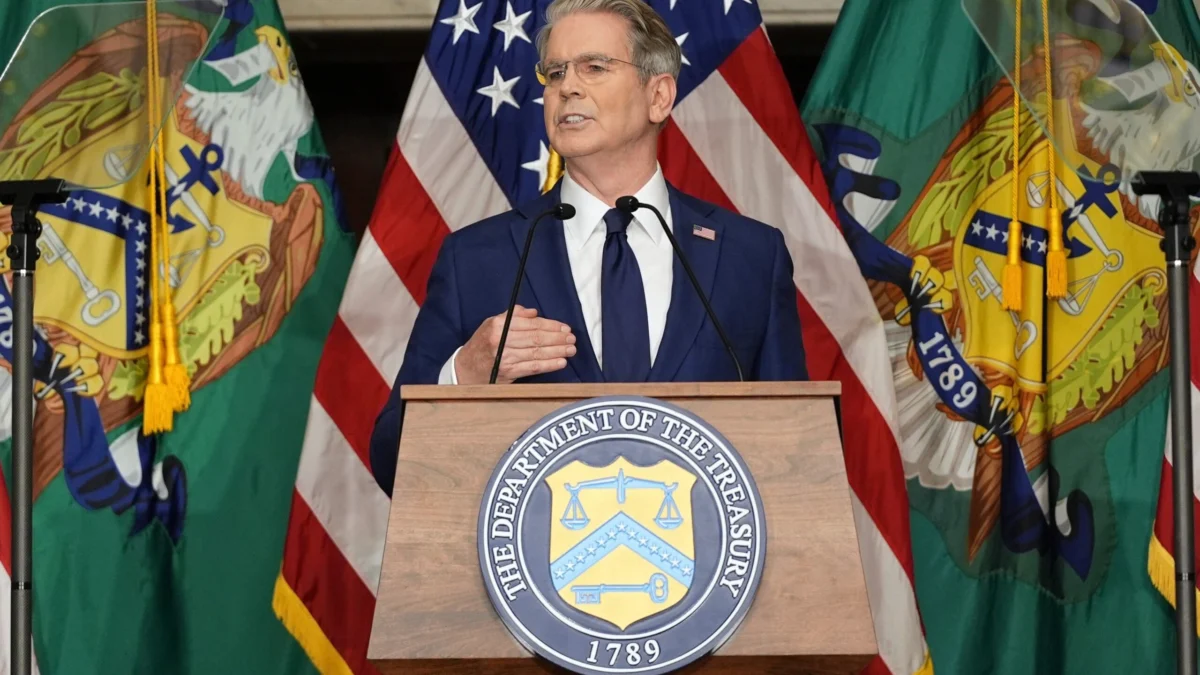
The United States has significantly escalated its economic pressure campaign against Iran, announcing a broad expansion of sanctions aimed at severing the country’s economic lifelines and isolating its regime. U.S. Treasury Secretary Scott Bessent declared the launch of "Operation Outcast," a multi-pronged strategy designed to cripple Iran’s financial capacity and compel a change in its behavior. The announcement follows weeks of escalating tensions in the region and signals a more aggressive stance by the Trump administration.
The new sanctions target nearly 60 entities, individuals, and vessels linked to Iran, encompassing critical sectors such as nuclear technology, missile development, cyber technology, and oil. Bessent detailed that the measures also revoke general licenses that had previously permitted certain financial transfers into Iran. A key focus of the expanded sanctions is on five primary sources of Iranian revenue abroad: digital assets, technology, gold, aviation, and shipping. This strategic move aims to choke off both direct and indirect financial flows that sustain the Iranian government and its activities.

Background Context: A Long History of Sanctions
U.S. sanctions against Iran are not a new phenomenon. For decades, the international community, led by the United Nations, the United States, and the European Union, has imposed various punitive measures on Iran in response to its nuclear program, alleged support for terrorism, and regional destabilization activities. These sanctions have historically impacted Iran’s oil exports, financial institutions, and access to international markets. However, the Trump administration has consistently advocated for a more stringent approach, aiming to exert maximum economic pressure. The current escalation represents a significant intensification of this policy, moving beyond existing measures to target a wider array of economic activities and networks.
The "Operation Outcast" initiative appears to be a coordinated effort across multiple U.S. government agencies, with the Treasury Department playing a central role. Bessent’s remarks drew parallels to the D-Day landings of World War II, framing the economic offensive as a pivotal moment in the U.S. strategy against Iran. This rhetoric underscores the administration’s determination to achieve a decisive outcome through economic coercion.

Key Sanctions Targets and Networks
The expanded sanctions specifically target networks of companies and vessels involved in Iran’s "shadow fleet," a clandestine network often used to circumvent international oil sanctions. These networks have been identified in various jurisdictions, including the United Arab Emirates, Hong Kong, mainland China, Singapore, Switzerland, and other European countries. By targeting these entities, the U.S. aims to disrupt the illicit trade that has allowed Iran to continue exporting oil despite existing restrictions.
Furthermore, the sanctions are designed to impose secondary sanctions on any entities that engage in financial dealings with Iran’s key revenue streams. This includes a focus on digital assets, a rapidly growing sector with significant potential for illicit financial flows. The inclusion of technology, gold, aviation, and shipping indicates a comprehensive approach to isolating Iran’s economy.
Official Statements and Rhetoric
U.S. Treasury Secretary Scott Bessent articulated the administration’s objective with stark clarity: "Our goal is to cut off every economic lifeline that sustains this tyrannical regime until Tehran stands alone." This statement highlights the administration’s intent to isolate Iran completely, forcing it to make fundamental policy changes. Bessent also emphasized that President Trump is actively engaging with world leaders to urge them to cease their relations with Iran, setting specific timeframes for compliance.
The administration’s aggressive posture was further exemplified by past statements from President Trump, who had previously spoken of "measures of unprecedented scope" and the "most devastating economic operation ever launched against a country." This rhetoric suggests a commitment to imposing severe consequences on Iran and its enablers.
Iran’s Response and Countermeasures
Iranian officials have reacted strongly to the escalating sanctions. Foreign Minister Abbas Araghtschi dismissed the U.S. threat of new sanctions as a sign of desperation, stating that Washington needs to engage in respectful dialogue to find a solution. He asserted that "All their actions – whether blockades or other military steps – have failed, and this new one of theirs will also fail."
In a symbolic move, Iran’s parliament speaker, Mohammed Bagher Ghalibaf, shared a comic on social media that depicted the U.S. economic war against Iran backfiring, suggesting a boomerang effect on the United States itself. This response indicates Iran’s intent to resist the pressure and rally domestic support against foreign intervention.

The Iranian government has also been grappling with its own economic challenges, exacerbated by years of sanctions and regional conflicts. President Massud Peseschkian acknowledged domestic economic difficulties, including issues with inflation, water, electricity, gas, and fuel supplies, as well as environmental and banking sector imbalances. He attributed these challenges to a combination of war, sanctions, political pressure, and attacks since his administration took office.
The discovery of a new natural gas field in the southern Fars province, with estimated reserves of over 212 billion cubic meters, offers a potential domestic economic boost for Iran. However, the realization of these reserves and their contribution to the economy will likely be impacted by the ongoing sanctions and the nation’s capacity to invest in its energy infrastructure, which has been damaged by recent attacks.
Regional and International Reactions

The U.S. actions have significant implications for regional stability and international trade. The Strait of Hormuz, a critical chokepoint for global oil supplies, remains a focal point of tension. Iran has warned ships violating its transit regulations for the strait with fines, impoundment, or seizure. This threat has already led to a significant reduction in maritime traffic, with fewer than 20 vessels reportedly traversing the strait over a recent weekend.
The Houthi rebels in Yemen, reportedly supported by Iran, have also intensified their actions, claiming to have attacked an oil tanker in the Red Sea with a ballistic missile. This incident underscores the interconnectedness of regional conflicts and the potential for escalation.
In Europe, German Finance Minister Lars Klingbeil attributed the recent rise in bond yields to the global uncertainty created by the conflict initiated by the U.S. in Iran. He argued that Trump’s actions have exacerbated economic disruptions, impacting energy prices at the pump.

TotalEnergies, a major French oil company, continues to transport crude oil through the Strait of Hormuz, citing profitable arbitrage opportunities due to discounts offered by producers. However, the company noted that the cost of transporting refined oil products has become prohibitively expensive, leading to no such shipments leaving the strait. TotalEnergies is reportedly investing in alternative routes, including pipelines to Syria and increased capacity for the Fujairah pipeline in Abu Dhabi.
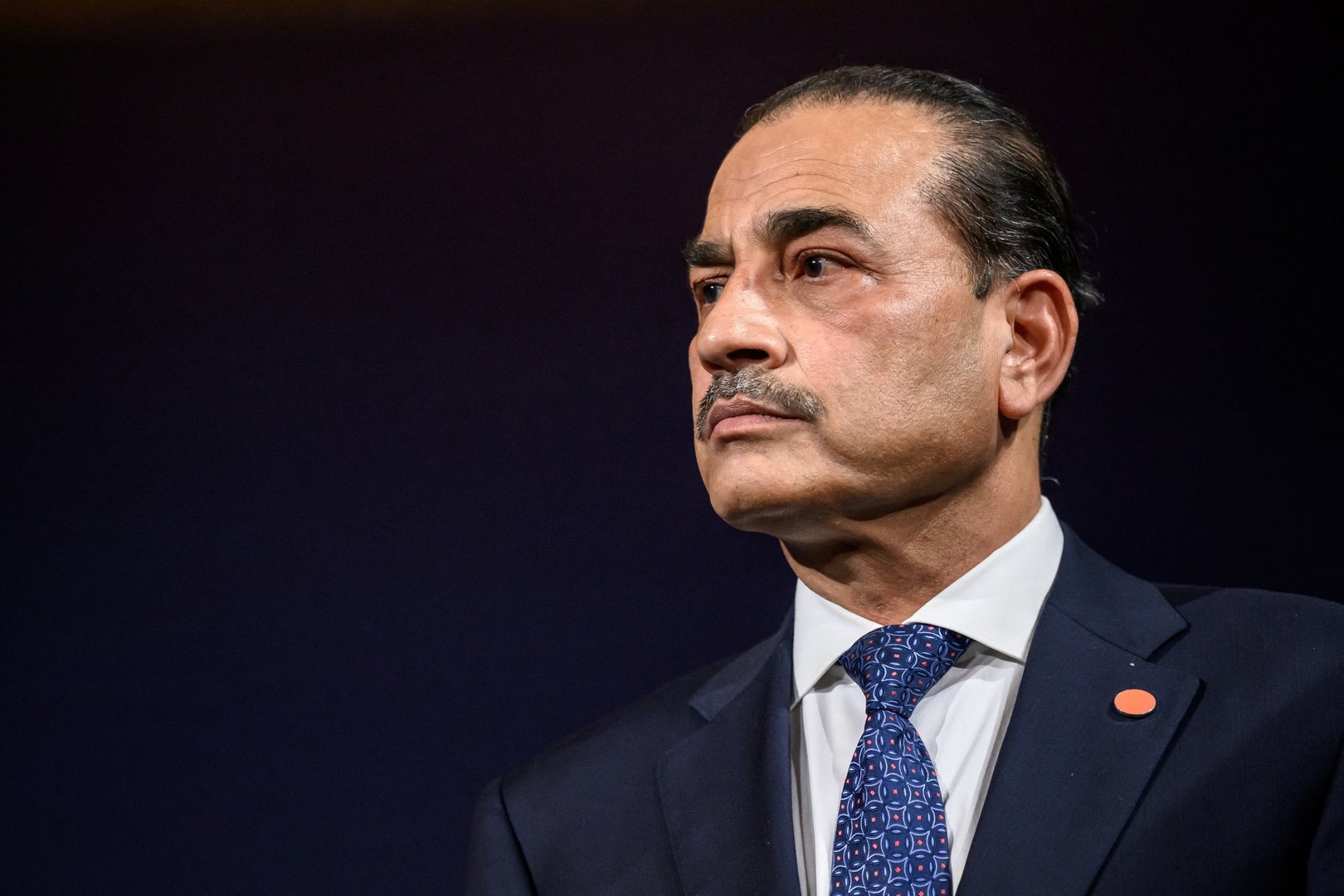
Pakistan’s military chief, Asim Munir, has undertaken a diplomatic mission to Tehran, aiming to mediate and de-escalate tensions between Iran and the U.S. Munir, who has established a personal relationship with President Trump, is expected to engage with figures close to Iran’s Supreme Leader. This effort highlights the regional concern over the potential fallout from an intensified economic war.
Analysis of Implications

The expanded U.S. sanctions represent a significant escalation of economic pressure on Iran. The broad targeting of its financial lifelines, including digital assets and key revenue sources, aims to inflict maximum damage on the Iranian economy. The administration’s rhetoric suggests a strategy of complete isolation, leaving Iran with a stark choice between fundamental policy changes or continued economic hardship.
However, the effectiveness of these sanctions remains to be seen. Iran has a history of resilience and has developed strategies to circumvent international pressure. The impact on global energy markets and regional stability is also a critical concern. The increased tensions in the Strait of Hormuz and the continued actions of proxy groups like the Houthis indicate a heightened risk of miscalculation and further escalation.
The administration’s emphasis on international cooperation, urging other nations to sever ties with Iran, could lead to divisions within the global community. While some countries may comply with U.S. demands due to fear of secondary sanctions, others may seek to maintain their economic relationships with Iran, creating a complex geopolitical landscape.

The effectiveness of "Operation Outcast" will depend on several factors, including the degree of international compliance, Iran’s ability to adapt and resist, and the administration’s willingness to engage in diplomatic solutions. The current trajectory suggests a period of heightened economic confrontation with potentially far-reaching consequences for both Iran and the broader international order. The coming weeks and months will be crucial in determining the success and ultimate impact of these unprecedented measures.
