

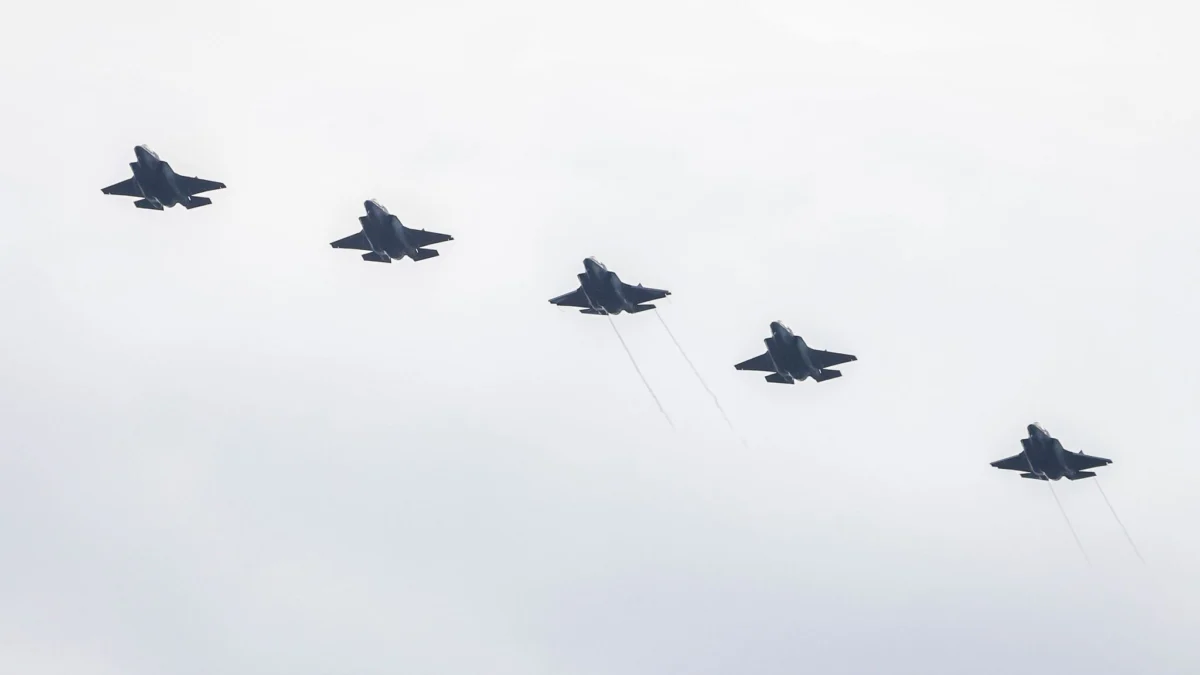
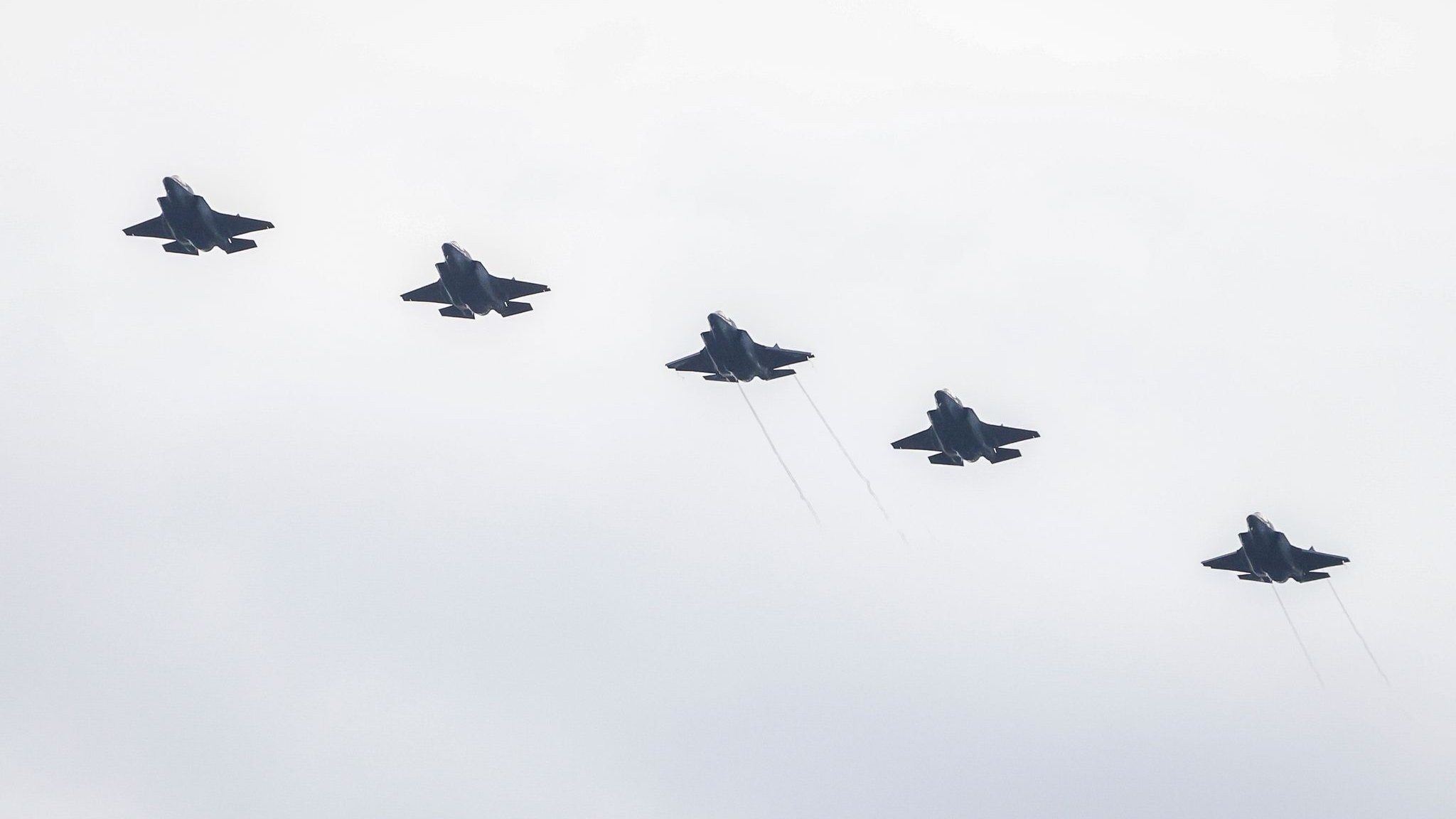
The United States military has successfully intercepted a barrage of Iranian ballistic missiles targeting American forces in the Middle East, marking a significant escalation in the ongoing conflict. The incident, which occurred on Tuesday, saw all Iranian missiles successfully neutralized by U.S. defense systems, according to a statement from the U.S. Central Command (Centcom). This development shattered a brief period of de-escalation, during which mediators had been working to bring both sides back to the negotiating table.
The intercepted missile attack brings to the forefront the volatile geopolitical landscape of the region and its direct impact on global energy markets. The immediate aftermath saw a noticeable spike in oil prices, reflecting market anxieties over potential supply disruptions and further regional instability.
Background and Context
The current escalation follows a period of heightened tensions between the United States and Iran, characterized by a series of retaliatory actions and a dangerous game of brinkmanship. The conflict, which officially began on February 28th, has seen both nations engage in a cycle of strikes and counter-strikes, impacting critical infrastructure and raising concerns about a wider regional war.
The U.S. military’s successful interception of the Iranian missiles is a testament to their advanced defensive capabilities. However, the very act of Iran launching ballistic missiles represents a significant shift in their tactical approach, moving beyond drone and conventional rocket attacks to more direct and potentially devastating weaponry. This move suggests a calculated decision by Tehran to project force and demonstrate its offensive capabilities, despite the risks of a forceful U.S. response.

Chronology of Escalation
The current conflict has been marked by a series of escalating events:
- February 28th: The United States and Israel officially commence military operations against Iran.
- Early July: Reports emerge of significant damage to Iran’s water supply infrastructure in the south, attributed to U.S. attacks. Specifically, a desalination plant on Qeshm Island is reportedly taken offline, affecting the water supply for over 120,000 people.
- Subsequent Weeks: A series of retaliatory attacks and counter-attacks occur. The U.S. reports a period of 13 consecutive nights of strikes within Iran.
- Weekend Prior to Tuesday’s Incident: A brief lull in hostilities is observed, with reports suggesting diplomatic efforts to de-escalate the situation were underway. Both the U.S. and Iran had indicated a potential pause in their respective attacks.
- Tuesday: Iran launches multiple ballistic missiles targeting U.S. forces, all of which are intercepted.
Impact on Oil Prices
The immediate consequence of the renewed hostilities has been a significant reaction in global oil markets. Following the news of the intercepted missile attack, crude oil prices experienced a notable surge. Brent crude, a key international benchmark, saw its price climb by over 5%, briefly touching $92 per barrel. Similarly, U.S. West Texas Intermediate (WTI) also saw a substantial increase. This price volatility underscores the delicate balance of global energy supply and the significant influence of geopolitical events in the Middle East on market stability.
Analysts point to several factors contributing to the price surge:
- Supply Disruption Fears: The Strait of Hormuz, a vital chokepoint for global oil shipments, remains a focal point of concern. Any disruption to traffic through this waterway could have immediate and severe consequences for global oil supply. Iran has previously threatened to close the strait, and recent actions suggest a willingness to enforce such threats.
- Escalation Risk: The direct missile attack on U.S. troops raises the specter of a wider, more destructive conflict, which could potentially draw in other regional powers and further destabilize oil-producing nations.
- Market Uncertainty: Geopolitical uncertainty inherently leads to increased market volatility. Traders and investors often react to perceived risks by adjusting their positions, leading to rapid price fluctuations.
Official Responses and Diplomatic Maneuvers
In the wake of the missile interceptions, U.S. military officials reiterated their commitment to maintaining vigilance and operational readiness. Centcom stated that U.S. forces remain "vigilant and in the highest state of readiness." This assertion underscores the ongoing strategic posture of the United States in the region, which involves deterring further aggression while protecting its personnel and interests.
Meanwhile, diplomatic efforts appear to be in flux. Reports suggest that mediators, including representatives from Qatar and Pakistan, have been actively engaged in trying to bridge the gap between Washington and Tehran. These efforts are reportedly aimed at achieving a return to a temporary ceasefire, a fragile agreement that was significantly undermined by Iran’s recent missile launch.
Ukraine has also weighed in on the escalating situation. Ukrainian Foreign Minister Andriy Sybiha issued a warning to his Iranian counterpart, Abbas Aragtschi, following the attack on a Ukrainian vessel, urging an end to further escalation. Sybiha also reiterated Ukraine’s demand for an end to Tehran’s support for Russia in its conflict with Ukraine. This adds another layer of complexity, highlighting the interconnectedness of global conflicts and alliances.

Broader Implications and Analysis
The recent events carry significant implications for regional stability and global security.
- Shifting Iranian Strategy: The use of ballistic missiles by Iran signifies a potential shift in their military doctrine. This move could be interpreted as an attempt to deter further U.S. actions through the threat of direct retaliation, rather than solely relying on asymmetric warfare or proxy actions.
- U.S. Response and Deterrence: The successful interception of the missiles demonstrates the effectiveness of U.S. missile defense systems. However, the underlying threat posed by Iran’s ballistic missile program remains a significant concern for U.S. policymakers and allies in the region. The U.S. will likely continue to enhance its defensive and offensive capabilities to deter future attacks.
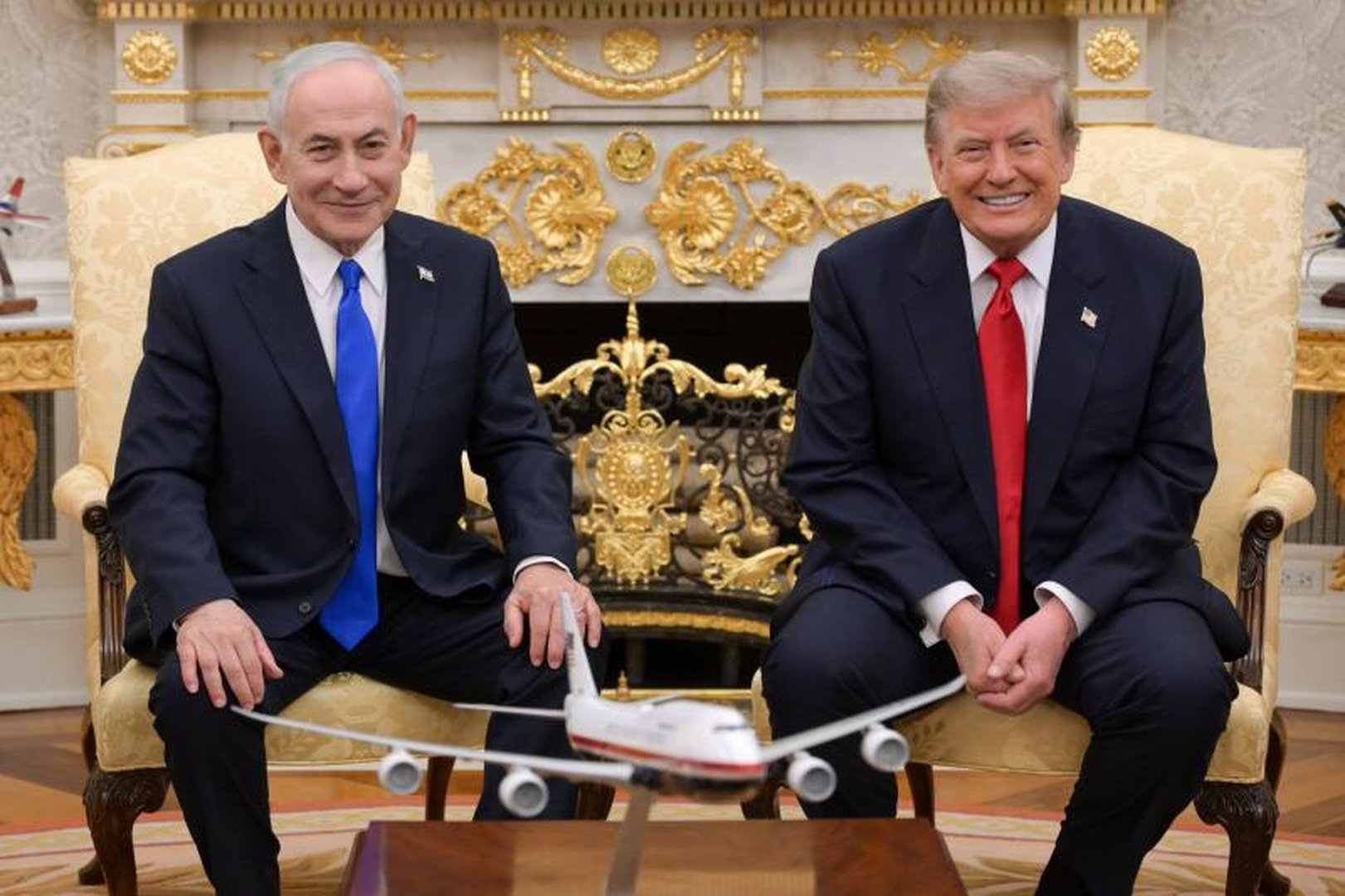
- Regional Alliances and Tensions: The conflict has highlighted the intricate web of alliances and rivalries in the Middle East. Israel, a key U.S. ally, has consistently advocated for a firm stance against Iran, viewing Tehran’s actions as an existential threat. Recent meetings between U.S. President Donald Trump and Israeli Prime Minister Benjamin Netanyahu in the White House underscore the strategic coordination between the two nations, with discussions reportedly focusing on Iran’s nuclear ambitions and regional destabilization efforts.
- Economic Ramifications: The persistent volatility in oil prices serves as a stark reminder of the global economic impact of the Iran-U.S. conflict. Any further escalation could lead to significant disruptions in energy markets, with far-reaching consequences for economies worldwide. The U.S. has previously used economic sanctions as a tool to pressure Iran, and the efficacy of such measures in de-escalating the conflict remains a subject of ongoing debate.
Damage Assessment and Infrastructure Concerns

While the U.S. military successfully thwarted the missile attack, the Iranian government has detailed significant damage to its civilian infrastructure resulting from recent U.S. operations. According to government spokesperson Fatemeh Mohadscherani, speaking to the state news agency Irna, an airport, a ship traffic control tower, twelve bridges, and two tunnels have been damaged. The international airport in Bushehr, located on the Persian Gulf, is reported to be non-operational. While the damaged tunnels have reportedly been reopened and alternative routes established for the affected bridges, the destruction of civilian infrastructure raises humanitarian concerns and could further fuel anti-American sentiment within Iran.
Diplomatic Stalemate and the Path Forward
The current situation presents a complex diplomatic challenge. While both sides appear to be engaged in some form of communication, the recent missile attack indicates a deep rift and a potential breakdown in trust. The claims by U.S. officials that Iran has been "begging for a deal" are countered by Iran’s foreign ministry spokesperson, Esmail Baghaei, who stated that reports of Iran seeking negotiations are "fabricated" and that direct talks are not occurring, though messages are being exchanged through intermediaries.

The proposal by Oman for a transitional solution to reopen the Strait of Hormus, involving Iranian waters for one direction of traffic, highlights the ongoing efforts to navigate the critical maritime passage. However, Iran’s rejection of Oman’s proposal for an equal division of transit routes suggests a firm stance on its security concerns.
The future trajectory of the Iran-U.S. conflict remains uncertain. The successful interception of missiles provides a temporary reprieve, but the underlying tensions and strategic objectives of both nations continue to drive a volatile regional dynamic. The coming days and weeks will be crucial in determining whether diplomatic channels can effectively de-escalate the situation or if the cycle of conflict will continue to spiral, with potentially devastating consequences for the region and the global economy.
