

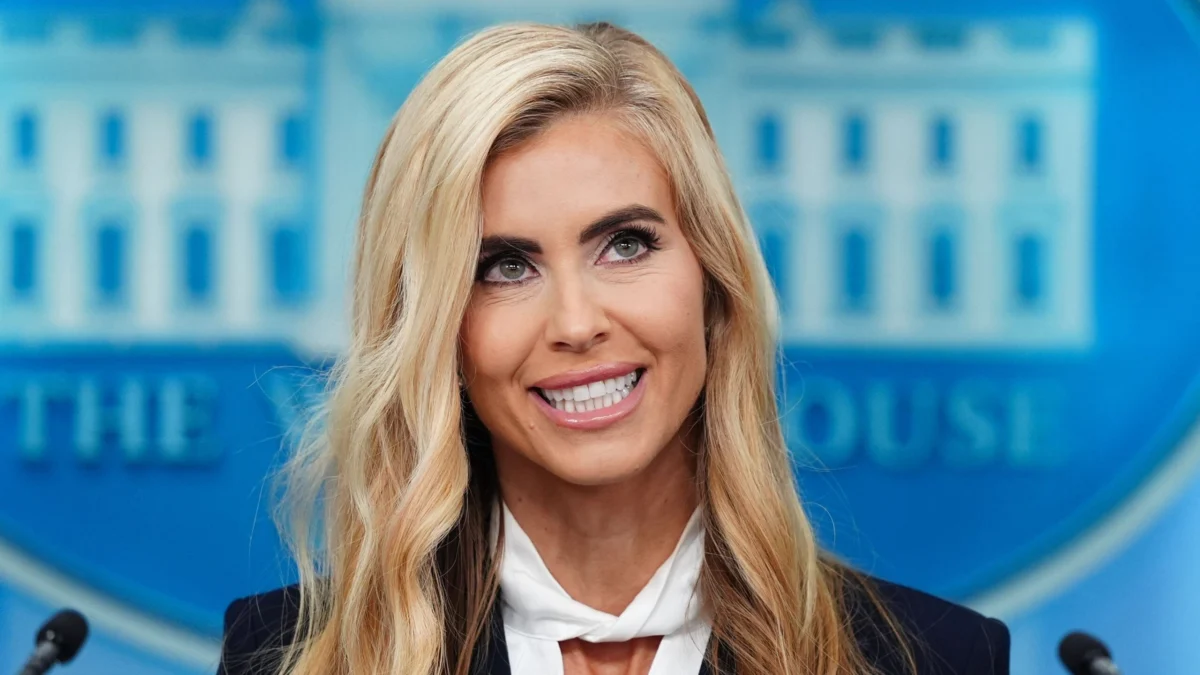
The White House is once again facing scrutiny over its communications team following the abrupt resignation of Katie Zacharia, a spokesperson who served for a mere five days. The rapid departure of Zacharia, appointed to her role just last week, marks another instance of instability within the Trump administration’s press office, raising questions about the vetting process and the demanding nature of serving in such a high-profile position.
Rapid Turnover and Presidential Dissatisfaction
The swift exit of Katie Zacharia from her role as a spokesperson for Donald Trump has sent ripples through Washington’s political circles. Sources confirm that Zacharia is stepping down, a move that officially ends her brief tenure. The confirmation came from a high-ranking government official speaking to the German Press Agency, who declined to provide specific details regarding the timing of her departure. However, prior to this official confirmation, numerous US media outlets had already reported on the impending dismissal, citing President Trump’s alleged dissatisfaction with Zacharia’s performance.
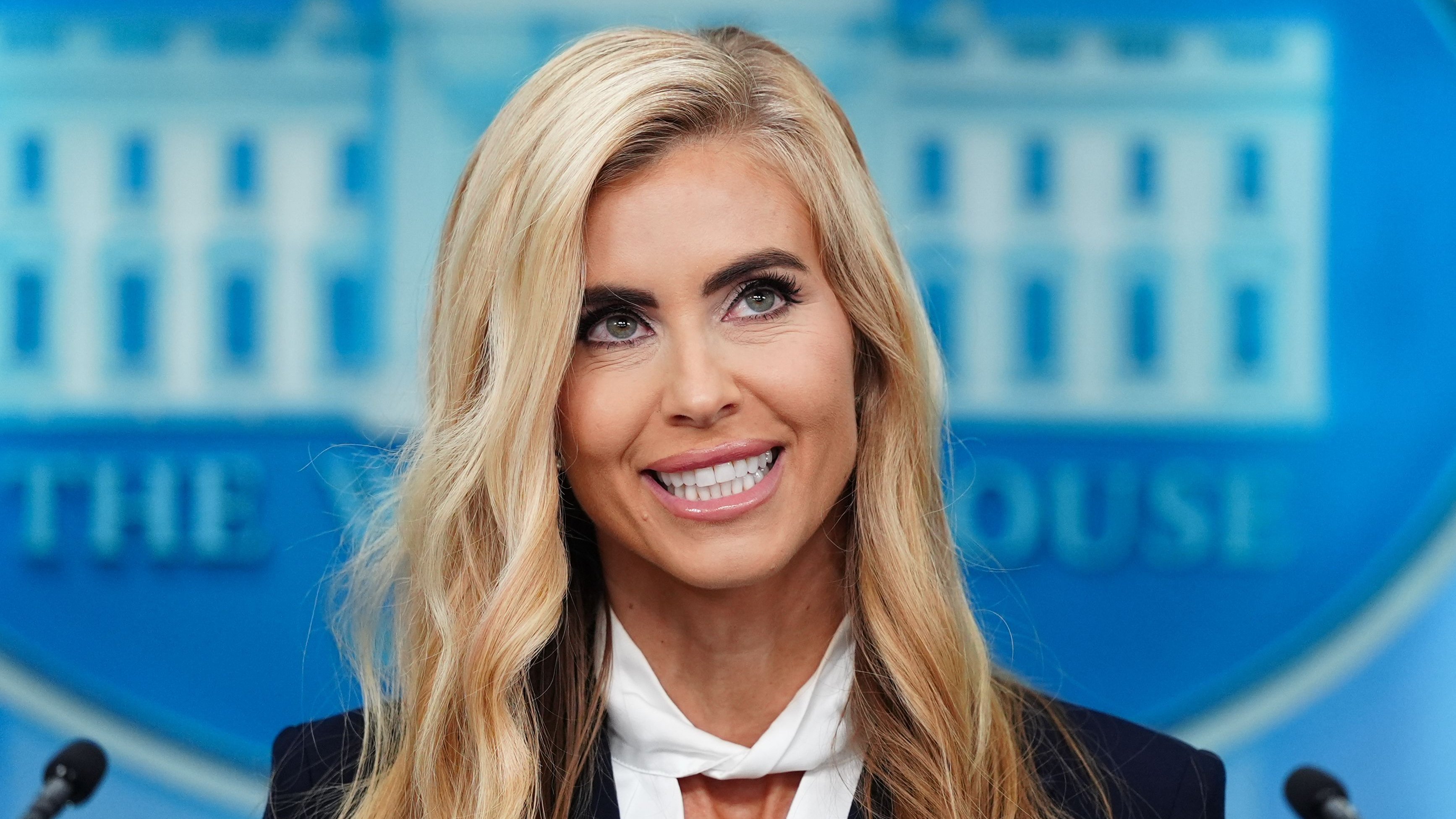
President Trump himself alluded to his concerns about Zacharia’s suitability for the position in comments made to reporters outside the White House shortly before her resignation became widely known. He stated, "Honestly, if I were you, I would reconsider it." The President indicated that he had left the decision of whether to remain in the role to Zacharia herself, suggesting a nuanced dynamic between the two. He further elaborated on his views, admitting to reporters that he harbored doubts about her preparedness for the demanding role of a White House spokesperson. "Maybe this isn’t for her," he remarked, acknowledging the pressure and scrutiny inherent in the position.
Despite expressing these reservations, President Trump also publicly defended Zacharia against what he perceived as unfair treatment by the media. He characterized the press coverage of Zacharia as "very bad and unfair," suggesting that she had "suffered a lot" in the preceding days. This mixed messaging – expressing personal doubts while simultaneously criticizing the media’s portrayal of his appointee – highlights the complex and often volatile communication strategies employed by the administration. Trump indicated his desire for Zacharia’s happiness and stated his intention to speak with her again soon, pledging his support for her decision, whatever it may be.
The lack of clarity regarding Zacharia’s successor has further fueled speculation and concern about the White House’s ability to maintain a stable and effective communications apparatus. The constant flux in key personnel positions, particularly within the press office, can create an environment of uncertainty and potentially hinder the administration’s ability to convey its message coherently to the public and the press.
The White House Press Office: A History of Volatility
The rapid turnover in the White House press office is not a new phenomenon under the Trump administration. Zacharia’s brief tenure adds to a pattern of high-profile departures and short-lived appointments that have characterized the communications team since President Trump took office in January 2017. The role of White House Press Secretary and its supporting spokespersons is notoriously demanding, requiring constant engagement with a critical and often adversarial press corps, the ability to respond quickly to breaking news, and the skill to articulate the administration’s policies and priorities.
Historically, the White House Press Secretary has been a key figure in shaping public perception of the presidency. The individual in this role acts as the primary conduit between the executive branch and the media, responsible for delivering daily briefings, managing media inquiries, and defending the administration’s actions and decisions. The intense pressure, long hours, and constant public scrutiny can take a significant toll on individuals, leading to burnout and a high rate of turnover.
Under President Trump, this volatility has been amplified. Several individuals have held the position of Press Secretary, each serving for varying, and often shorter than average, durations. This pattern suggests not only the inherent challenges of the role but also potential issues related to the selection and management of personnel within the administration. The constant changes can create a perception of disorganization and instability, which can undermine the credibility of the White House’s communications efforts.
The implications of such frequent staff changes extend beyond mere optics. A consistent and experienced communications team is crucial for effectively managing crises, disseminating accurate information, and maintaining public trust. When spokespersons are frequently replaced, it can lead to a lack of institutional memory, inconsistent messaging, and a greater susceptibility to misinformation. For an administration that often finds itself at the center of intense media scrutiny, a robust and stable communications operation is paramount.
Background and Context
Katie Zacharia’s appointment to the White House press team followed a period of significant staffing changes and strategic realignments within the administration’s communications department. While specific details about her previous experience and qualifications were not extensively publicized at the time of her appointment, her rapid ascent to a spokesperson role underscores the administration’s ongoing efforts to staff its communications arm.
The White House press office operates under immense pressure to respond to a continuous stream of news cycles, policy announcements, and presidential statements. Spokespersons are expected to be well-versed in a wide array of complex issues, capable of articulating the President’s position with clarity and conviction, and adept at navigating challenging questions from seasoned journalists. The environment is often characterized by tight deadlines, the need for rapid information dissemination, and the potential for public missteps that can have significant political ramifications.

The decision-making process for such appointments can be influenced by various factors, including political loyalty, perceived media savviness, and the ability to align with the President’s communication style and priorities. In the case of Zacharia, President Trump’s public comments suggest that while she may have possessed certain qualities, her overall fit for the intense demands of the role was ultimately questioned.
Analysis of Implications
The frequent churn in the White House press office has several potential implications for the Trump administration’s ability to govern and communicate effectively.
Firstly, it can project an image of disarray and instability to both domestic and international audiences. Consistent messaging and a predictable communication strategy are vital for building confidence and projecting an image of strong leadership. Frequent staff changes can undermine this perception, leading to questions about the administration’s competence and its ability to manage its own affairs.

Secondly, it can impact the effectiveness of the administration’s policy rollout and public relations efforts. A stable communications team can develop long-term strategies, build relationships with key media outlets, and ensure that critical information is disseminated accurately and efficiently. When personnel are constantly changing, these efforts can be disrupted, leading to missed opportunities and potential communication breakdowns.
Thirdly, it can affect the morale and effectiveness of the remaining staff within the communications department. Witnessing frequent departures and the perceived lack of long-term stability can create an environment of uncertainty and disillusionment. This can make it more challenging to attract and retain top talent, further exacerbating the cycle of high turnover.
Finally, the scrutiny surrounding these appointments and departures can divert attention from substantive policy issues. The media’s focus often shifts to the internal workings of the White House communications team, potentially overshadowing the administration’s policy agenda and its legislative priorities.

Broader Impact and Future Considerations
The recurring pattern of rapid resignations within the White House press office raises broader questions about the dynamics of serving in high-stakes political communication roles. The intense pressure, the need to constantly defend potentially controversial decisions, and the personal toll of public scrutiny can be overwhelming.
For future appointees, the experiences of individuals like Katie Zacharia serve as a stark reminder of the demanding nature of working within the White House, particularly in a communications capacity. The constant barrage of media attention, the need for unwavering loyalty, and the unpredictable nature of presidential communication can create an environment where longevity is challenging.
The administration’s continued reliance on individuals with limited public-facing experience in critical communications roles has also been a point of observation for political analysts. While fresh perspectives can be valuable, the complex landscape of White House communications often requires a degree of seasoned expertise and a deep understanding of media dynamics.

As President Trump’s term progresses, the effectiveness of his administration’s communication strategy will continue to be a subject of considerable interest. The ability to project a clear, consistent, and credible message to the American public and the world remains a critical component of any presidency, and the ongoing instability within the White House press office presents a significant challenge to achieving this goal. The administration’s future success in this arena may depend on its capacity to foster greater stability, implement more rigorous vetting processes, and cultivate a communications environment that supports sustained performance.
