

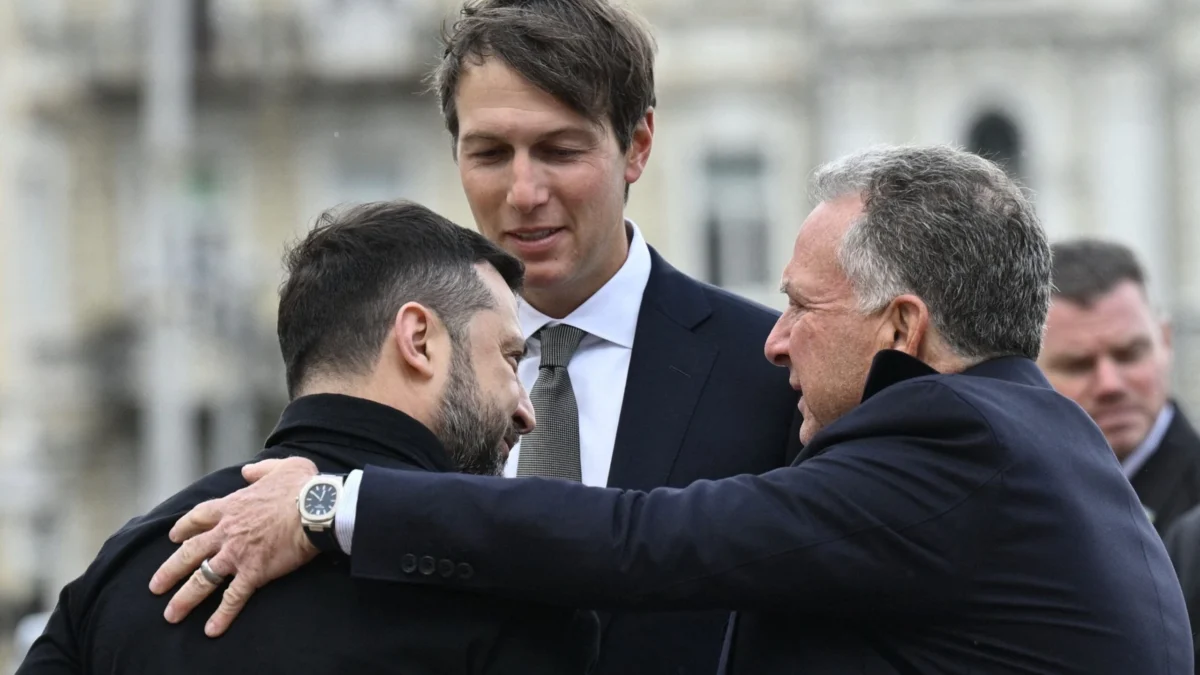
Kiew, Ukraine – Ukrainian President Volodymyr Zelensky announced that discussions with US mediators Steve Witkoff and Jared Kushner have commenced in Kyiv. The announcement was made via the social media platform X, accompanied by a brief video showing Zelensky greeting the American envoys in front of the historic Saint Sophia Cathedral. This marks the first official visit of these US representatives to the Ukrainian capital, with the stated goal of exploring avenues for ending the ongoing conflict.

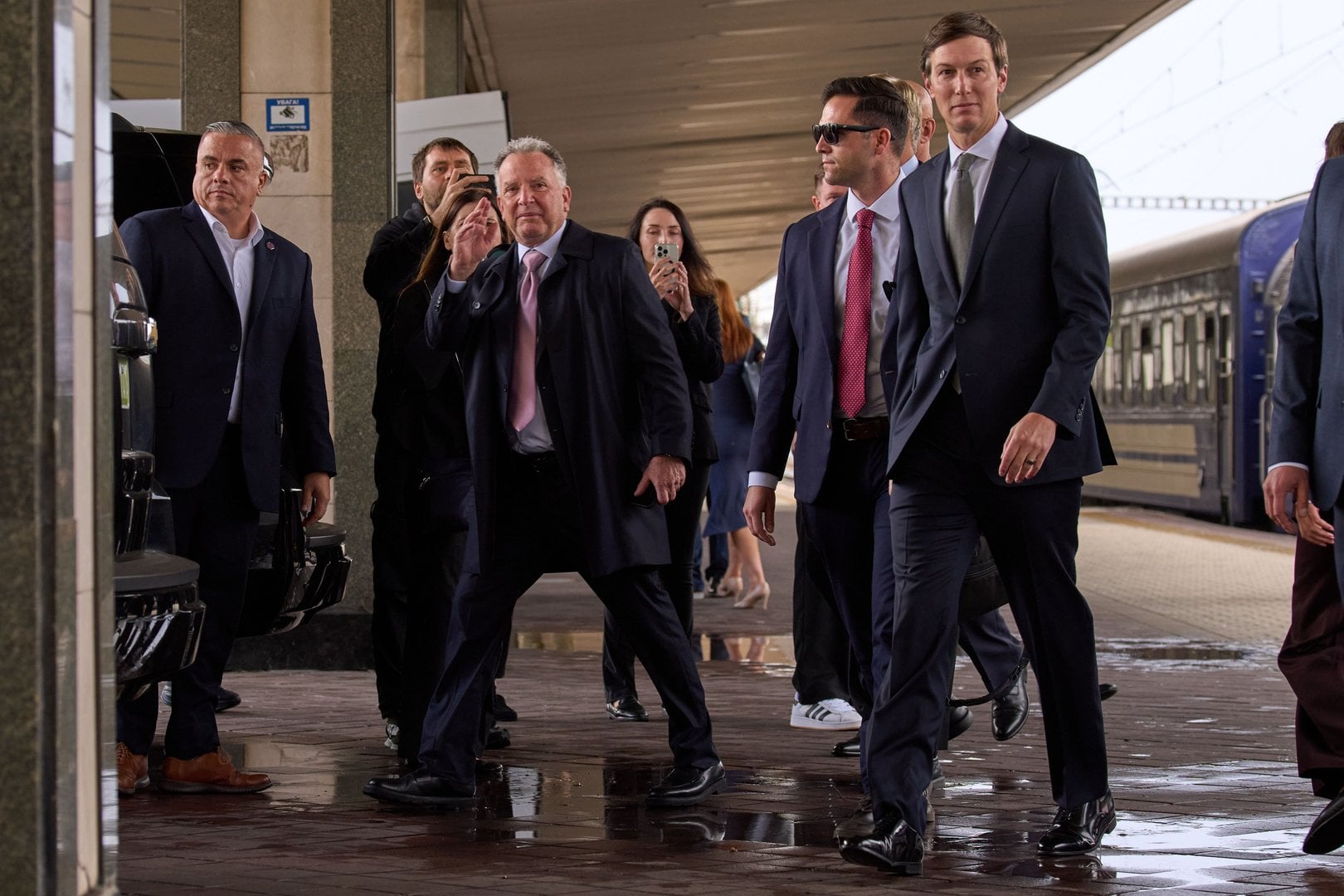
The arrival of Witkoff and Kushner in Kyiv follows their consultations in Moscow on Saturday, where they met with Russian President Vladimir Putin. While details of the Moscow discussions remain scarce, Kremlin spokesman Dmitry Peskov described them as "constructive, substantive, and trusting." The US delegation’s visit underscores a renewed diplomatic push to de-escalate the conflict that has profoundly destabilized the region and impacted global security.
Adding to the diplomatic engagement, it is reported that national security advisors from the United Kingdom, France, and Germany, operating under the E3 format, are also present in the Ukrainian capital. The specific roles and engagements of these European representatives in the ongoing talks have not been publicly disclosed.

Escalation Amidst Diplomatic Efforts
Despite the ongoing diplomatic overtures, the conflict has seen continued military activity. The Ukrainian military reported striking an oil refinery in Ryazan, Russia, overnight. This strike, targeting a major industrial facility south of Moscow, is part of a sustained Ukrainian campaign to disrupt Russia’s oil infrastructure, thereby impacting its ability to finance and supply its military operations. These attacks on Russian oil refineries have led to significant damage to facilities and have contributed to fuel rationing in various regions across Russia.
In parallel, both sides have reported aerial attacks. While Kyiv and Moscow were reportedly spared direct strikes during the initial phase of the US mediation, other areas have experienced aerial bombardments. The city of Zaporizhzhia in southern Ukraine was subjected to shelling, with Governor Ivan Fedorov reporting casualties. Russian drones also reportedly struck a border crossing in Ukraine near Romania, causing temporary closures. In the Kharkiv region, a Russian drone attack on Saturday evening resulted in the deaths of three family members in the city of Chuhuyiv.
Broader Context and Timeline of Events
The current diplomatic engagement follows a pattern of intermittent peace talks and de-escalation efforts since Russia’s full-scale invasion of Ukraine in February 2022. The initial phases of the war saw rapid Russian advances, followed by Ukrainian resistance and counteroffensives. International condemnation and sanctions against Russia have been widespread, while military and financial aid to Ukraine has been substantial from Western allies.
The presence of US mediators Witkoff and Kushner is notable, given their previous involvement in various diplomatic capacities related to the region. Their mandate to explore an end to the war highlights the persistent international concern over the prolonged hostilities. The United States, through its diplomatic channels, has consistently advocated for a peaceful resolution while simultaneously providing robust support to Ukraine’s defense capabilities.
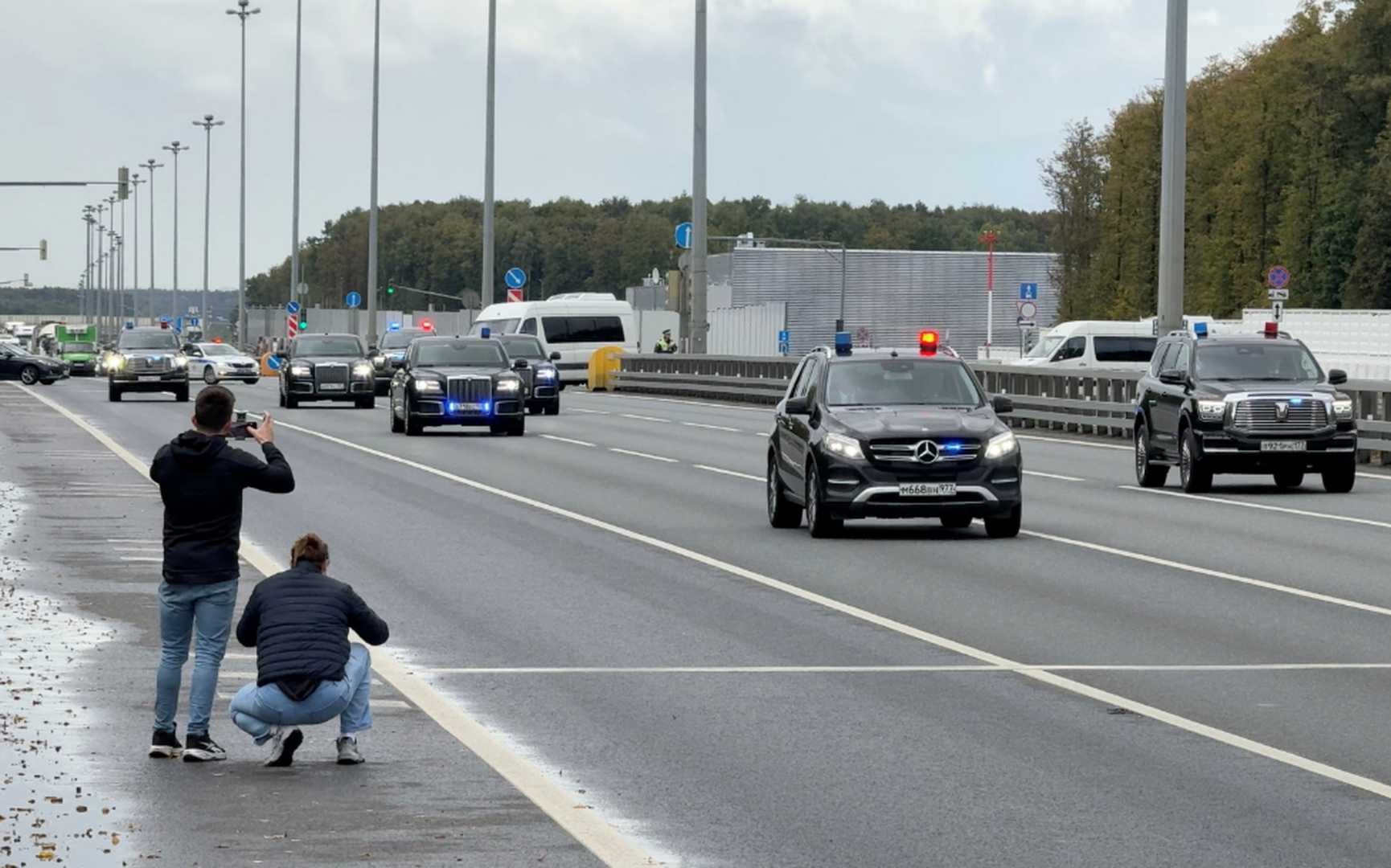
The visit of these envoys is framed within a reported three-day ceasefire announced by Russia, specifically concerning attacks on Kyiv. Kremlin spokesperson Dmitry Peskov stated that President Putin ordered a halt to strikes on the capital starting at midnight, citing the upcoming travel of the US envoys. This announcement came shortly after Ukraine pledged to ensure the safety of Russian airspace during the US delegation’s visit.
Key Developments Leading to the Current Diplomatic Push
Recent Past:
- Continued Military Engagements: Throughout the preceding weeks, both Ukrainian and Russian forces have engaged in intense combat along various frontlines, characterized by artillery duels, drone warfare, and localized ground assaults.
- Ukrainian Strikes on Russian Territory: Ukraine has increasingly targeted Russian energy infrastructure and military logistics, aiming to degrade Russia’s war-fighting capacity. The Ryazan refinery strike is an example of this strategy.
- Russian Retaliation: Russia has continued its missile and drone strikes on Ukrainian cities and infrastructure, often claiming to target military assets but frequently resulting in civilian casualties and damage to civilian infrastructure.
- International Diplomacy: Various international actors, including the UN, Turkey, and individual European nations, have engaged in diplomatic efforts to broker ceasefires or facilitate humanitarian aid. However, these efforts have yielded limited success in achieving a comprehensive peace settlement.
Recent Specific Events:
- US Envoys’ Itinerary: The plan for Witkoff and Kushner to visit Moscow and then Kyiv indicates a strategy of engaging both parties directly in an effort to find common ground. Their meeting with Putin in Moscow prior to arriving in Kyiv suggests an attempt to gauge Russia’s willingness for de-escalation and explore potential terms for a resolution.
- Ukraine’s Stance: President Zelensky has consistently emphasized Ukraine’s desire for peace but has also stressed the necessity of security guarantees for the nation. Ukraine’s position remains that any peace agreement must respect its territorial integrity and sovereignty.
- Reported Incidents: The alleged Russian drone attack on airports near Kyiv, which Zelensky linked to the diplomatic preparations, underscores the volatility of the situation. His assertion that these were "Russian-Iranian drones as a response to American diplomacy" points to a perceived Russian attempt to influence the negotiation environment.
Official Statements and Reactions
President Zelensky’s announcement on X provided the primary confirmation of the talks’ initiation. His statement, highlighting the greeting ceremony at the historic Saint Sophia Cathedral, suggests an effort to imbue the diplomatic encounter with symbolic significance. The accompanying video aimed to visually underscore the commencement of these high-level discussions.
The US perspective on the talks, as conveyed through President Trump’s earlier statements, focused on the objective of achieving a peace agreement. Trump’s assertion that Witkoff and Kushner were carrying "a proposal to end the war" indicates a proactive diplomatic approach, although the specifics of this proposal remain undisclosed.
From the Russian side, Foreign Minister Sergey Lavrov’s comments regarding the attempted drone attack at Leipzig Airport, which Germany attributes to Moscow, labeling it the "beginning of a real war," illustrate the deeply entrenched mistrust and ongoing accusations between Russia and Western nations. This statement, made in the context of ongoing diplomatic engagements, highlights the complex and often contradictory nature of the current geopolitical landscape.

Broader Impact and Implications
The ongoing conflict continues to have far-reaching consequences, extending beyond the immediate battlefield. The humanitarian crisis, with millions displaced and casualties mounting, remains a primary concern. Economically, the war has disrupted global energy and food markets, contributing to inflation and supply chain issues worldwide.
The diplomatic efforts, while fraught with challenges, represent a critical pathway toward de-escalation. The success of these talks hinges on the willingness of both parties to engage in good-faith negotiations and to make concessions. The involvement of high-level US and European representatives suggests a coordinated international effort to find a resolution, but the deep-seated animosities and conflicting objectives make a swift breakthrough unlikely.

The strategic implications of the conflict are also significant. For Ukraine, the fight for sovereignty and territorial integrity is paramount. For Russia, the war has been framed as a defense against NATO expansion and a challenge to the existing global security order. The outcomes of these diplomatic endeavors will undoubtedly shape the future of Eastern Europe and the broader international geopolitical landscape.
The fact that these discussions are occurring amidst continued military actions highlights the precarious balance between diplomacy and conflict. The effectiveness of the current mediation efforts will be closely watched by the international community, with hopes that a sustainable peace can eventually be achieved. The involvement of key figures from both the US and European Union, alongside direct engagement with both Ukrainian and Russian leadership, signifies a critical juncture in the ongoing crisis. The coming days and weeks will reveal the extent to which these diplomatic overtures can translate into tangible progress towards ending the war.
