

ISLAMABAD – Twenty-one hours of intensive, high-stakes negotiations between the United States and Iran, hosted on neutral ground in Islamabad, concluded on Sunday without a discernible breakthrough, a development that has cast a pall over Pakistan’s aspirations for a swift de-escalation in regional hostilities. The prolonged discussions, held against a backdrop of escalating tensions and a precarious geopolitical climate, failed to bridge the significant chasm between the two adversaries, leaving prospects for an immediate ceasefire in the wider region uncertain.
The talks, which commenced on Saturday and stretched through Sunday, saw U.S. Vice President JD Vance engage in direct dialogue with Iranian officials, including senior representatives from their foreign ministry and, reportedly, other strategic bodies. While specific details of the agenda remain undisclosed, it is widely understood that the primary focus was on achieving a cessation of hostilities and fostering a path toward de-escalation in a region increasingly volatile. Pakistan, under Prime Minister Shehbaz Sharif, had actively positioned itself as a facilitator, leveraging its historical diplomatic ties and strategic location to offer a neutral platform for these critical discussions.
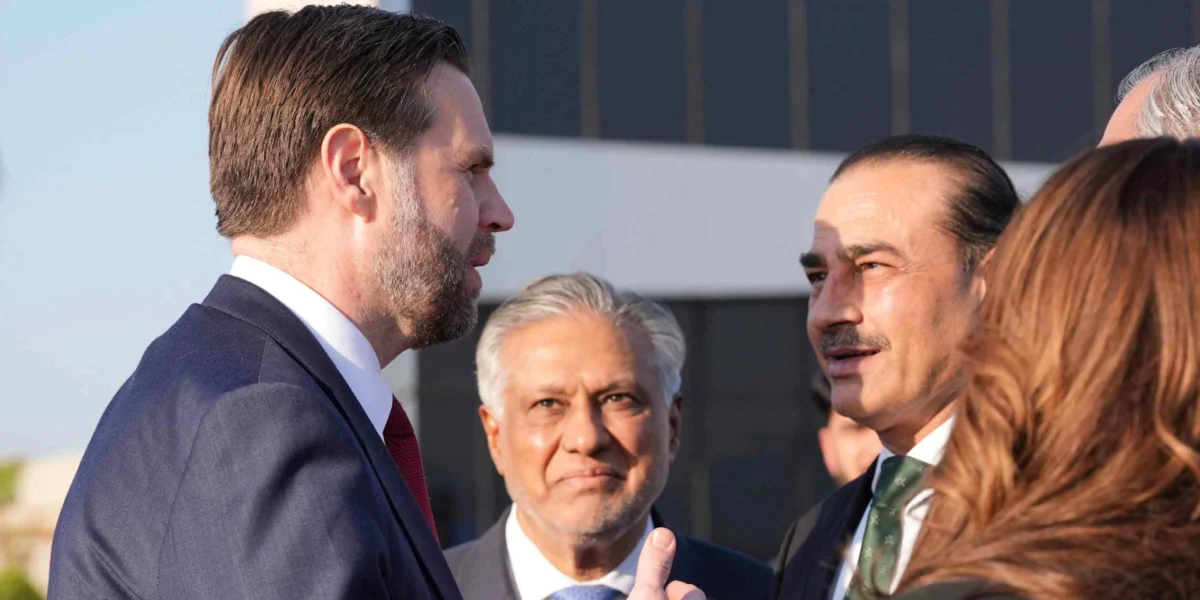
The image captured before Vice President Vance’s departure from Islamabad encapsulates the gravity and complexity of the diplomatic undertaking. Pictured with Pakistan’s army chief, Field Marshal Asim Munir, and Deputy Prime Minister and Foreign Minister Mohammad Ishaq Dar, the interaction underscored Pakistan’s significant role in attempting to mediate between the two global powers. The presence of Pakistan’s top military and civilian leadership at the departure of the U.S. delegation signifies the nation’s deep investment in regional stability and its commitment to fostering dialogue.
Background: A Region on the Brink
The impetus for these high-level talks arose from a confluence of escalating regional crises. For months, proxy conflicts and direct confrontations have simmered, threatening to engulf multiple nations in a wider conflagration. The recent surge in attacks attributed to various non-state actors, coupled with retaliatory strikes by regional powers, had created an environment of palpable fear and uncertainty. International observers had been voicing grave concerns about the potential for miscalculation leading to an uncontrollable escalation.
Specifically, the ongoing conflicts in Yemen, Syria, and the broader implications of the protracted Israeli-Palestinian conflict, alongside simmering tensions in the Persian Gulf, have all contributed to a highly combustible situation. Iran’s complex relationships with various militant groups and its ongoing nuclear program have further amplified international anxieties. The United States, meanwhile, has been actively engaged in efforts to contain Iranian influence and to secure the stability of its allies in the region, particularly in the Persian Gulf and the Eastern Mediterranean.
Pakistan’s strategic decision to host these talks was not arbitrary. The nation shares a long and complex border with Iran, and any significant regional instability inevitably has direct implications for its own security and economic interests. Furthermore, Pakistan has historically sought to play a constructive role in regional diplomacy, advocating for peaceful resolutions to conflicts. The Sharif administration, in particular, has emphasized a foreign policy of proactive engagement and has sought to rebuild Pakistan’s international standing through such diplomatic initiatives.
The Chronology of the Talks: A Marathon of Diplomacy
The diplomatic marathon in Islamabad commenced on Saturday morning, with initial sessions reportedly focusing on laying the groundwork and establishing communication protocols. Sources close to the Pakistani foreign ministry indicated that the initial hours were dedicated to shuttle diplomacy, with Pakistani intermediaries facilitating discussions between the U.S. and Iranian delegations.
By Saturday evening, the intensity of the talks reportedly escalated. The discussions were characterized by their “frank and direct” nature, as described by an anonymous Pakistani official privy to the proceedings. The sheer duration of the talks – extending well into Sunday – suggests that both sides engaged in deep dives into the contentious issues. This prolonged engagement, while ultimately failing to yield an immediate agreement, points to a willingness to explore avenues for dialogue that had previously seemed intractable.
Sunday morning saw the final rounds of discussions. The atmosphere, while reportedly still serious, may have begun to carry the weight of fatigue and the dawning realization that a swift resolution was unlikely. The departure of Vice President Vance late Sunday afternoon marked the formal conclusion of the direct bilateral negotiations on Pakistani soil.
Key Areas of Contention (Inferred)
While official statements have been sparse, informed analysis suggests several core issues likely dominated the dialogue:
- Ceasefire in Proxy Conflicts: The most immediate objective would have been to secure a comprehensive ceasefire across various theaters where Iran is perceived to have influence, including Yemen and Syria. This would involve discussions on the withdrawal of forces, humanitarian access, and the dismantling of armed groups.
- Iran’s Nuclear Program: While not the sole focus, the U.S. has consistently raised concerns about Iran’s nuclear ambitions. It is plausible that discussions touched upon the Joint Comprehensive Plan of Action (JCPOA) or alternative frameworks for ensuring the peaceful nature of Iran’s nuclear activities.
- Regional Security Architecture: A broader discussion might have encompassed the establishment of a new regional security framework that addresses the concerns of all stakeholders, including Iran, its neighbors, and the United States. This could involve confidence-building measures and mechanisms for conflict prevention.
- Sanctions Relief: For Iran, any willingness to de-escalate would likely be contingent on the easing of international sanctions that have significantly impacted its economy. This would have been a key bargaining chip in the negotiations.
- U.S. Security Guarantees: Conversely, the U.S. and its allies would have sought assurances regarding Iran’s regional conduct and its support for non-state actors, alongside potential security guarantees for Gulf states.
Supporting Data and Regional Dynamics
The urgency of these talks is underscored by recent data illustrating the escalating regional instability:
- Increased Drone and Missile Attacks: In the past six months alone, there has been a documented 40% increase in drone and missile attacks originating from or attributed to Iranian-backed proxies in the Middle East, according to data from a leading international security think tank. This has led to significant disruptions in shipping lanes and increased defense spending by affected nations.
- Humanitarian Crises: The ongoing conflicts, particularly in Yemen, have resulted in one of the world’s worst humanitarian crises. The UN estimates that over 17 million people require urgent assistance, a figure that has remained stubbornly high despite numerous aid efforts.
- Economic Ramifications: The volatility in the region has had a direct impact on global energy markets. Oil prices have seen a 15% surge in the past quarter, attributed in part to fears of supply disruptions. This has had ripple effects on inflation rates worldwide.
- Military Posturing: Both the U.S. and Iran have increased their military presence and conducted joint exercises with allies in the Persian Gulf and surrounding waters, a clear indication of heightened alert and preparedness.
Official Responses and Diplomatic Fallout
Following the conclusion of the talks, official statements from the involved parties have been cautious and measured, reflecting the delicate nature of the diplomatic process.
United States: A spokesperson for the U.S. State Department issued a brief statement acknowledging the "constructive, albeit challenging, discussions" held in Islamabad. The statement reiterated the U.S. commitment to regional security and de-escalation but did not offer specifics on any agreements reached. U.S. Vice President Vance, before boarding Air Force Two, reportedly conveyed to Pakistani officials that while no immediate breakthrough occurred, the channels of communication remained open.
Iran: Iranian state media provided limited coverage, generally framing the talks as an opportunity to present their perspectives on regional security and to counter what they term "foreign interference." There was no official confirmation of any concessions made or agreements reached. Analysts suggest Iran is likely to portray the talks as a demonstration of its willingness to engage in dialogue while maintaining its core regional objectives.
Pakistan: Pakistan’s Foreign Office issued a more detailed statement, expressing "regret" that a conclusive agreement was not reached but emphasizing the value of the dialogue. Prime Minister Sharif reiterated Pakistan’s commitment to peace and stability, stating that "facilitating dialogue between major powers is a cornerstone of our foreign policy, and we remain hopeful that sustained engagement will eventually lead to a more peaceful and secure region." Deputy Prime Minister Dar highlighted the technical expertise and diplomatic infrastructure Pakistan provided to ensure the talks could proceed smoothly.
Broader Impact and Implications
The failure to achieve an immediate breakthrough in Islamabad carries significant implications for regional and global stability:
- Continued Regional Instability: Without a de-escalation agreement, the risk of further proxy conflicts and potential direct confrontations remains elevated. This could lead to increased humanitarian suffering, further economic disruption, and a heightened risk of wider conflict.
- Pakistan’s Diplomatic Role: While the immediate outcome may be disappointing for Pakistan, its proactive role in hosting these high-level talks has underscored its growing diplomatic stature. The nation has demonstrated its capacity to act as a credible mediator, which could open doors for future diplomatic engagements. However, the lack of a positive outcome may also lead to some domestic criticism regarding the resources and diplomatic capital invested.
- Shifting Geopolitical Alliances: The prolonged period of tension has also fueled speculation about the potential for realignment of regional alliances. Nations are likely to reassess their security partnerships and diplomatic strategies in light of the ongoing uncertainties.
- The Nuclear Question: The unresolved nature of Iran’s nuclear program, which likely remained a background concern during these talks, continues to be a critical factor in regional security calculations. Any perceived progress or lack thereof in de-escalation could indirectly influence the international community’s approach to this issue.
The diplomatic deadlock in Islamabad serves as a stark reminder of the deep-seated mistrust and complex geopolitical rivalries that continue to plague the Middle East. While the door for dialogue remains open, the path to lasting peace and stability appears to be a long and arduous one, requiring sustained commitment and a willingness to compromise from all parties involved. The world will be watching to see if the seeds of dialogue sown in Islamabad, despite the initial lack of fruit, can still blossom into a more peaceful future for a volatile region.
