

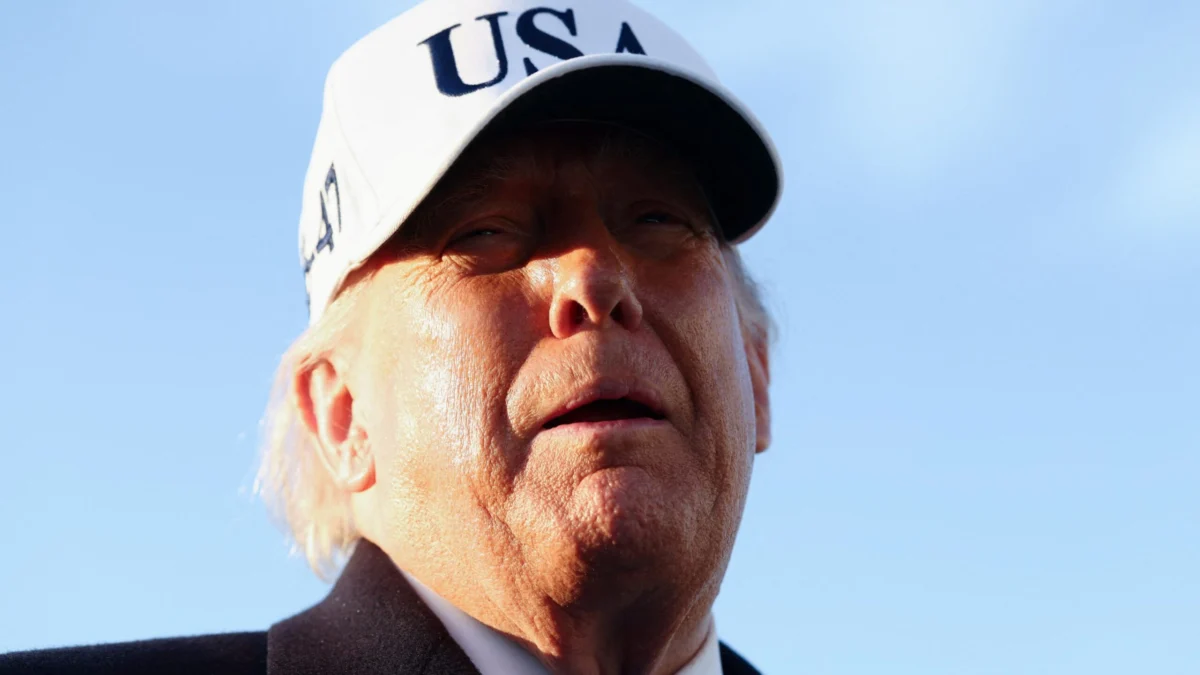
The escalating tensions in the Middle East, fueled by the ongoing conflict with Iran, have drawn sharp warnings from U.S. President Donald Trump, who has stated that NATO faces a "very bad future" if its allies do not stand with the United States. His remarks come amidst a series of escalating incidents and diplomatic maneuvers involving Iran, the Strait of Hormuz, and regional security.
Background Context: A Volatile Region
The current geopolitical climate is marked by a long-standing rivalry between Iran and several Western-backed nations, particularly the United States and its allies in the Gulf region. The Strait of Hormuz, a vital chokepoint for global oil transit, has become a focal point of this confrontation. Iran’s threats to disrupt shipping in the strait, coupled with alleged attacks on oil tankers and infrastructure, have heightened international concern. The conflict has also drawn in regional powers like Saudi Arabia and the United Arab Emirates, who have voiced their own concerns about Iran’s aggressive posture and its destabilizing influence.
Key Developments and Incidents
- Dubai Airport Incident: A fire broke out near Dubai’s international airport following a drone attack, prompting an immediate response from authorities. This incident highlights the potential for the conflict to spill over into civilian areas and impact critical infrastructure.
- U.S. Coalition for Strait of Hormuz: Reports indicate that the United States is planning to announce the formation of a coalition aimed at protecting shipping through the Strait of Hormuz. This initiative suggests a concerted effort to ensure the unimpeded flow of maritime traffic in the strategically vital waterway.
- Trump’s NATO Warning: President Trump’s stark warning to NATO underscores his administration’s stance on burden-sharing and collective security. His assertion implies that the alliance’s future relevance and strength are contingent upon its members’ willingness to support U.S. security objectives, particularly in critical global hotspots.
- Saudi Arabia and UAE Concerns: Saudi Arabia and the UAE have characterized Iran’s actions as a dangerous escalation, underscoring the regional implications of the ongoing conflict. Their joint assessment highlights the shared vulnerability of Gulf nations to Iranian aggression.
- EU’s "Aspides" Mission: The European Union’s naval mission, "Aspides," aimed at protecting shipping in the Red Sea, is being considered for expansion. However, insiders suggest that extending the mission to the Strait of Hormuz is unlikely, indicating the complex diplomatic and operational challenges involved.
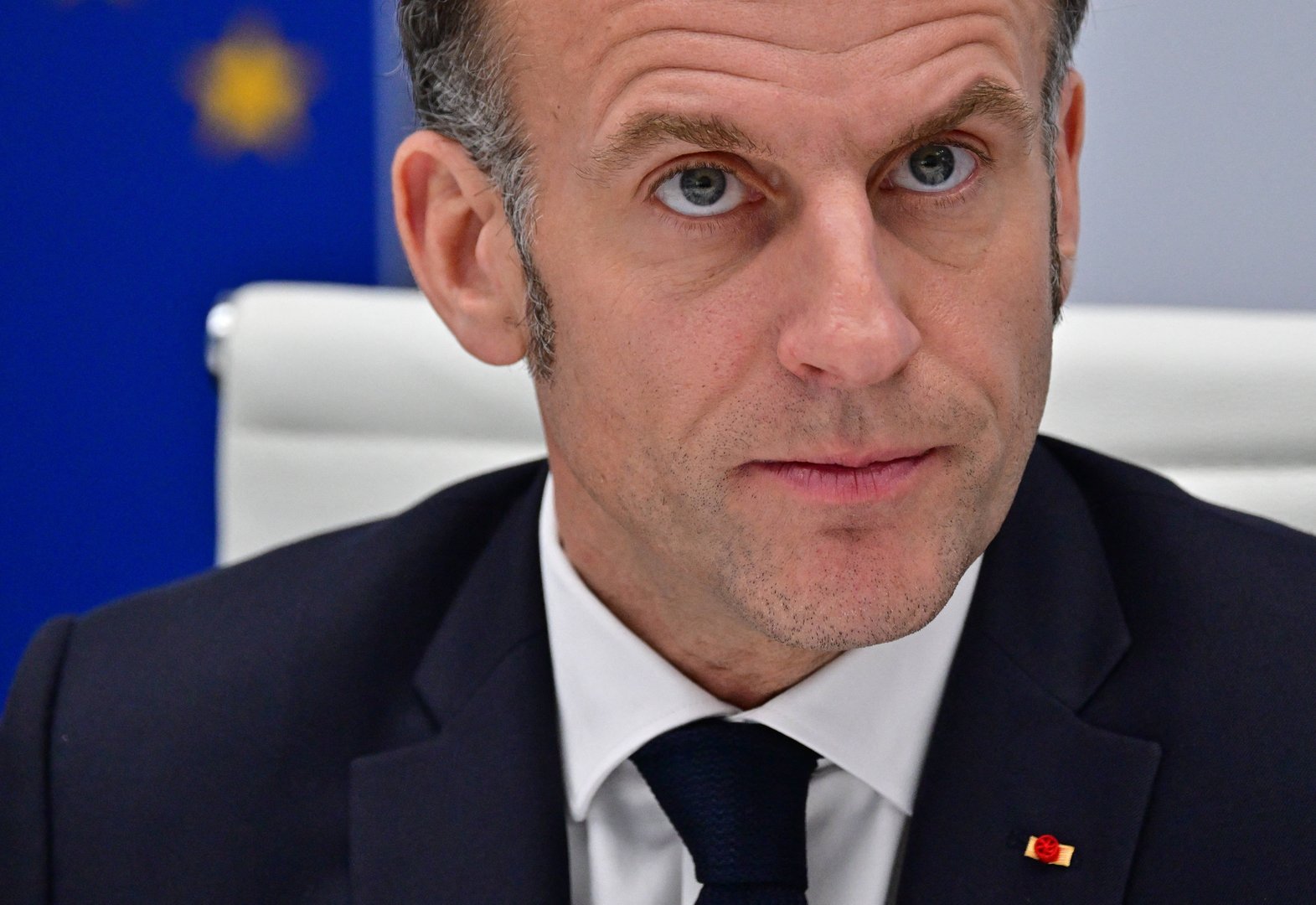
- Macron’s Diplomatic Push: French President Emmanuel Macron has engaged in direct communication with Iran’s President, urging an immediate cessation of attacks on neighboring countries and the restoration of freedom of navigation in the Strait of Hormuz. This diplomatic effort signifies a broader international attempt to de-escalate the situation.
- US Oil Companies’ Warnings: Leading U.S. oil executives have reportedly warned the Trump administration about the potential for an exacerbated energy crisis due to disruptions in the Strait of Hormuz, underscoring the economic ramifications of the conflict.
- Iran’s Military Posture: Iran’s military claims to have fired a significant number of ballistic missiles and drones since the conflict began, indicating a substantial escalation in its offensive capabilities and willingness to engage in direct confrontation.
- Spanish Troop Relocation: Spain has temporarily relocated its special forces from Iraq due to the deteriorating security situation in the Middle East, highlighting the regional instability caused by the Iran conflict.
- Iran’s Spy Arrests: Reports from Iran indicate a significant number of arrests on espionage charges, suggesting a crackdown on perceived internal threats and a heightened state of alert within the country.
- Israel-Lebanon Ceasefire Talks: There are indications that Israel and Lebanon may be heading towards ceasefire negotiations, with the potential for Hezbollah’s disarmament as a key objective.
- Iran’s Regional Diplomacy: Iran has suggested a need to reassess its relationships with Gulf states, indicating a recognition of the diplomatic challenges it faces in the region.
- Rafah Crossing Reopening: The Rafah border crossing between the Gaza Strip and Egypt is slated to reopen for limited passage, a development that could have implications for humanitarian aid and civilian movement.
- Cost of U.S. Military Operations: U.S. military actions related to the conflict are estimated to have cost billions of dollars, underscoring the significant financial burden of the ongoing engagement.
- Netanyahu Denies Death Rumors: Israeli Prime Minister Benjamin Netanyahu has publicly refuted rumors of his death, which were reportedly spread by Iranian state media.
- Wadephul’s Skepticism: German Foreign Minister Johann Wadephul has expressed skepticism about the effectiveness of expanding the EU’s naval mission to the Strait of Hormuz, emphasizing Germany’s policy of non-involvement in direct military conflict.
- Iran Rejects US Talks: Iran has indicated no immediate interest in engaging in talks with the United States regarding the cessation of hostilities, citing past negative experiences.
- Israel’s Extended Military Campaign: The Israeli military is reportedly preparing for an extended conflict with Iran, with plans to continue operations for at least three more weeks.
- Gaza Casualties: Reports from the Gaza Strip indicate a significant number of casualties resulting from Israeli attacks, highlighting the ongoing humanitarian crisis in the region.
- IEA Oil Reserve Release: The International Energy Agency (IEA) plans to release substantial quantities of oil from strategic reserves to stabilize global markets.
Analysis of Implications
President Trump’s "very bad future" warning to NATO carries significant weight, suggesting that the alliance’s credibility and effectiveness are under scrutiny. His emphasis on allies standing with the U.S. implies a desire for greater burden-sharing and a more unified front against perceived threats. The formation of a U.S.-led coalition to secure the Strait of Hormuz signals a proactive approach to safeguarding vital shipping lanes, potentially leading to increased naval presence and heightened risks of confrontation.
The reports of Iran’s extensive missile and drone launches indicate a deliberate strategy to project power and deter further aggression. However, such actions also increase the risk of miscalculation and escalation, potentially drawing the region into a wider conflict. The involvement of regional players like Saudi Arabia and the UAE underscores the interconnectedness of the Middle East and the potential for localized conflicts to have broader geopolitical repercussions.
The economic implications of the conflict are also substantial. Disruptions to oil supplies from the Strait of Hormuz could lead to price volatility and energy crises, impacting global economies. The high cost of military operations further adds to the financial burden, potentially diverting resources from other critical areas.
The diplomatic efforts by countries like France, alongside the EU’s naval mission, represent a multi-pronged approach to de-escalation and conflict resolution. However, Iran’s apparent reluctance to engage in direct talks with the U.S. presents a significant hurdle to diplomatic breakthroughs.
Chronology of Key Events (Illustrative based on provided data):
- Early March 2026: Escalating tensions in the Strait of Hormuz, with reports of alleged Iranian actions against shipping.
- March 15, 2026: U.S. oil executives warn the Trump administration about potential energy crisis. Reports emerge of the U.S. planning to announce a coalition for the Strait of Hormuz. Iran claims to have fired hundreds of missiles and drones.
- March 16, 2026 (Early Hours): Fire breaks out near Dubai airport after a drone attack. President Trump issues his warning to NATO.
- March 16, 2026 (Throughout the Day): Saudi Arabia and UAE express concerns about Iranian aggression. France’s Macron speaks with Iran’s President. Spain begins relocating troops from Iraq. Reports of extensive Israeli military operations in Iran. Iran reports significant arrests for espionage. Israel denies rumors of Prime Minister Netanyahu’s death. German Foreign Minister Wadephul expresses skepticism about EU mission expansion. Iran rejects talks with the U.S. on ending the war. Reports of casualties in Gaza. IEA announces oil reserve release. U.S. expects support for Hormuz security. Israel plans for extended conflict.
Supporting Data and Figures:
- Strait of Hormuz Significance: Approximately 30% of the world’s seaborne oil trade passes through the Strait of Hormuz daily. Disruptions here can significantly impact global oil prices and supply chains.
- Iran’s Military Claims: Iran’s reported firing of "700 ballistic missiles and around 3,600 combat drones" indicates a substantial scale of military engagement, though independent verification of these figures is often difficult.
- U.S. Military Expenditure: The estimated $12 billion cost of U.S. military actions related to the conflict highlights the significant financial resources being committed.
- IEA Oil Release: The planned release of over 400 million barrels of oil from strategic reserves is a substantial intervention aimed at market stabilization.
Official Responses and Stances:
- United States (President Trump): Emphasizes the need for NATO allies to support U.S. objectives and warns of a dire future for the alliance if they do not. The U.S. is actively seeking to form a coalition to ensure freedom of navigation in the Strait of Hormuz.
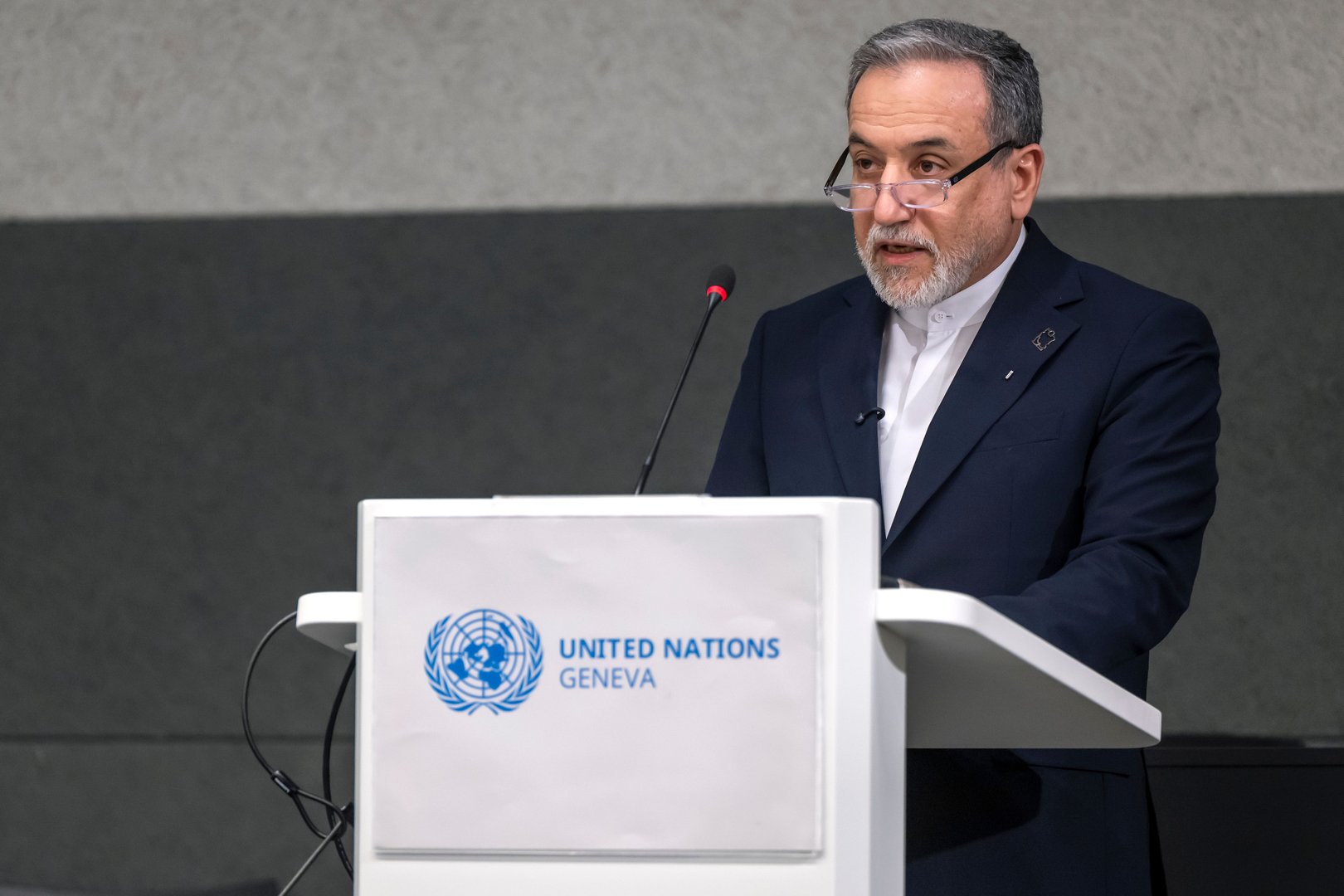
- Iran: Denies direct talks with the U.S. on ending the war but expresses openness to discussing safe passage for ships. Claims significant military actions against adversaries.
- NATO Allies (e.g., Germany): Express caution and skepticism regarding military interventions, emphasizing a preference for diplomatic solutions and adherence to non-involvement policies in direct conflicts, as stated by German Foreign Minister Wadephul.
- Regional Powers (Saudi Arabia, UAE): View Iran’s actions as a threat to regional security and stability.
- European Union: Continuing its "Aspides" mission and considering its expansion, though significant challenges remain for extending it to the Strait of Hormuz.
Broader Impact and Future Outlook:

The current situation presents a complex web of geopolitical, economic, and security challenges. President Trump’s strong stance on NATO’s future could lead to significant shifts in alliance dynamics if not addressed through concerted diplomatic and strategic alignment. The potential for miscalculation and escalation in the Strait of Hormuz remains a primary concern, with far-reaching consequences for global energy markets and international trade.
The ongoing military engagements, coupled with diplomatic maneuvers, suggest a period of heightened tension and uncertainty. The effectiveness of international coalitions, the resolve of regional powers, and the willingness of all parties to de-escalate will be critical in shaping the future trajectory of this volatile conflict. The economic repercussions, particularly concerning oil prices and supply, will likely continue to be a significant factor influencing global stability. The world watches closely as diplomatic efforts continue alongside military posturing, with the hope of averting a wider regional conflagration.
