

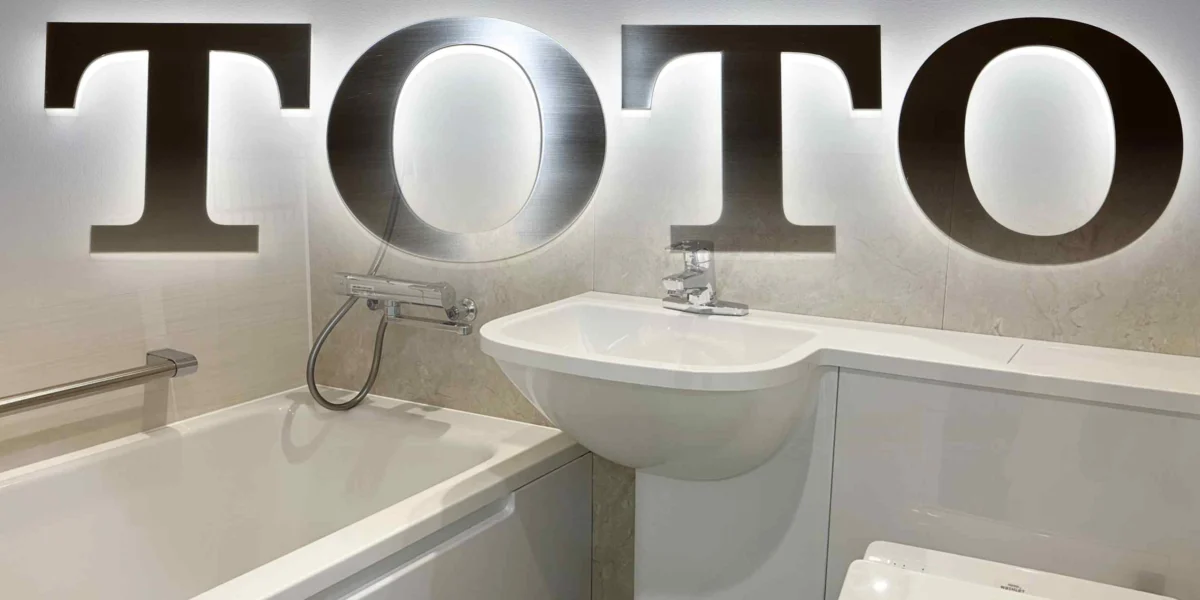
Japan’s leading bathroom fixture manufacturer, Toto Ltd., has been compelled to suspend accepting new orders for its prefabricated bath units, a move that could significantly impact the pace of new home construction across the nation. The company cited an acute shortage of essential organic solvents as the primary reason for this drastic measure. This disruption stems from broader global supply chain vulnerabilities, particularly those exacerbated by the ongoing closure of the Strait of Hormuz, a critical chokepoint for global oil and chemical transport. The announcement, first reported by Nikkei on Monday, April 13, 2026, has sent ripples through the Japanese construction sector, raising concerns about project delays and potential cost escalations.
The Strait of Hormuz, a narrow waterway between Iran and Oman, is responsible for transporting approximately 30% of the world’s seaborne crude oil and a significant portion of its petrochemicals, including the organic solvents vital for Toto’s manufacturing processes. Recent geopolitical tensions and subsequent disruptions in maritime traffic through this crucial artery have created a cascading effect on the availability and pricing of various industrial chemicals. Organic solvents, which are indispensable in the production of coatings, adhesives, and specialized resins used in the assembly of prefabricated bath units, have become particularly scarce. These solvents are crucial for ensuring the durability, water resistance, and aesthetic finish of Toto’s high-quality bathroom components.
The Immediate Impact on Toto and the Construction Sector
Toto’s decision to halt orders for prefabricated bath units, a popular choice for developers seeking efficiency and standardized quality in new housing projects, is expected to have immediate and far-reaching consequences. Prefabricated units allow for rapid installation, significantly shortening construction timelines. The unavailability of these units will necessitate a shift back to more traditional, on-site construction methods for bathrooms, which are inherently more time-consuming and labor-intensive.
Industry analysts anticipate a slowdown in the completion of new residential buildings, particularly those that rely heavily on prefabricated components for cost and time savings. This could affect developers who have already secured pre-orders for housing units, potentially leading to renegotiations with buyers or the imposition of penalties for delayed delivery. The ripple effect may extend to the broader economy, impacting related industries such as plumbing, electrical, and interior finishing services, which are often integrated with the installation of prefabricated bathrooms.
Data from the Japan Ministry of Land, Infrastructure, Transport and Tourism (MLIT) indicates that prefabricated construction methods have been gaining traction in recent years, driven by the need to address labor shortages and improve construction efficiency in the face of an aging population. In 2025, for instance, MLIT reported that approximately 15% of newly constructed residential units utilized some form of prefabrication, a figure that has steadily increased over the past decade. A significant disruption to this segment could therefore represent a substantial setback to the government’s housing development strategies.
A Chronology of Supply Chain Strain
The current crisis for Toto is not an isolated incident but rather the culmination of a series of escalating global supply chain challenges.
- Late 2025: Initial signs of strain in the global chemical market began to emerge as geopolitical tensions in the Middle East intensified. Reports of increased shipping insurance premiums and minor diversions of chemical tankers started to surface.
- Early 2026: The Strait of Hormuz experienced intermittent disruptions due to heightened military activities and naval standoffs. Several major shipping lines began rerouting vessels, adding significant transit time and cost to the transportation of goods, including petrochemicals.
- March 2026: The situation escalated dramatically as a more prolonged closure of the Strait of Hormuz was implemented following a significant diplomatic breakdown. This led to a severe reduction in the flow of organic solvents and other crucial chemical feedstocks to East Asian markets, including Japan.
- April 1, 2026: Toto, like many other manufacturers, began to experience critical shortages of key organic solvents required for its production lines. Internal assessments revealed that existing inventory levels were insufficient to meet projected demand for prefabricated bath units.
- April 7, 2026: After exhausting all available procurement channels and exploring alternative sourcing options, Toto initiated internal discussions regarding the potential suspension of orders for its prefabricated bath units.
- April 13, 2026: Toto officially announced the cessation of new order acceptance for prefabricated bath units, citing the critical shortage of organic solvents. The company indicated that it would continue to monitor the supply chain situation closely and provide updates as they become available.
Supporting Data and Industry Dependence
Toto’s prefabricated bath units are a cornerstone of its business, known for their quality, innovation, and efficiency in installation. These units typically comprise a pre-assembled module that includes the bathtub, walls, flooring, and sometimes even plumbing fixtures, all manufactured off-site in a controlled environment. This process allows for rigorous quality control and significantly reduces the time and labor required for on-site assembly, which can take days or even weeks for traditional construction.
The organic solvents used in their production serve several critical functions. They act as carriers for resins and coatings, ensuring even application and proper adhesion. They are also essential for the curing process of specialized sealants and adhesives that guarantee the watertight integrity and long-term durability of the units. Without a stable supply of these solvents, Toto cannot guarantee the structural integrity, performance, and aesthetic appeal that its customers have come to expect.
The reliance on these solvents is not unique to Toto; many manufacturers in the construction and automotive industries depend on similar chemical compounds. The current shortage is therefore not just a problem for Toto but a symptom of a broader industrial challenge. For instance, data from the Japan Chemical Industry Association (JCIA) shows that Japan imports a substantial portion of its organic solvent requirements, with a significant percentage originating from regions affected by the Strait of Hormuz disruptions. In 2025, Japan imported over 2 million tons of various organic solvents, with approximately 40% of this volume being directly or indirectly linked to shipments that traverse the Persian Gulf.
Official Responses and Industry Reactions
While Toto has issued a direct statement regarding its operational challenges, other stakeholders in the construction and chemical industries are beginning to react.
Toto Ltd.: A spokesperson for Toto stated, "We deeply regret any inconvenience this situation may cause to our valued customers and partners in the construction industry. We are actively engaged in seeking alternative sourcing solutions and working with our suppliers to mitigate the impact of this unforeseen disruption. Our priority remains to deliver the high-quality products our customers expect, and we are committed to resuming full order acceptance as soon as the supply chain stabilizes." The company has not yet provided a specific timeline for when it anticipates lifting the order suspension.
Japan Federation of Construction Contractors (JFCC): Representatives from the JFCC have expressed concern about the potential for widespread project delays. "This situation highlights the fragility of global supply chains and the need for greater resilience within our domestic industry," said a JFCC official. "We are urging the government to explore all possible avenues to alleviate the shortage of essential materials and to support companies like Toto that are facing unprecedented challenges." The JFCC is reportedly organizing emergency meetings with its member companies to assess the full scope of the impact and to develop mitigation strategies.
Ministry of Economy, Trade and Industry (METI): While no official statement has been released by METI specifically addressing Toto’s situation, a senior official from the ministry, speaking on condition of anonymity, acknowledged the growing concerns regarding chemical supply chain vulnerabilities. "We are closely monitoring the global supply of critical industrial materials, including organic solvents," the official stated. "METI is in continuous dialogue with industry associations and companies to understand the extent of the impact and to explore potential government interventions, such as facilitating alternative import routes or supporting domestic production where feasible."
Broader Implications and Future Outlook
The disruption to Toto’s prefabricated bath unit production serves as a stark reminder of the interconnectedness of the global economy and the vulnerability of just-in-time manufacturing systems to geopolitical events and supply chain bottlenecks.
Economic Impact: Beyond the immediate impact on the construction sector, a prolonged shortage of prefabricated units could lead to a slowdown in housing starts, affecting employment in related trades and potentially contributing to inflationary pressures on construction costs. The increased reliance on on-site construction could also exacerbate existing labor shortages in the Japanese construction industry.
Technological Adaptation: This crisis might accelerate the search for alternative manufacturing processes or materials that are less reliant on the currently scarce organic solvents. Companies may invest more heavily in research and development to find bio-based solvents or explore innovative coating technologies that require fewer chemical inputs.
Geopolitical Risk Mitigation: The event underscores the strategic importance of securing diversified supply chains and reducing dependence on single geographic chokepoints. Governments and industries worldwide are likely to reassess their supply chain resilience strategies, potentially leading to increased localization of manufacturing for critical components and a greater emphasis on robust inventory management.
Environmental Considerations: While the immediate concern is supply, the crisis could also spur innovation in developing more environmentally friendly alternatives to traditional organic solvents, aligning with broader sustainability goals.
The coming weeks and months will be critical in determining the full extent of Toto’s supply chain challenges and their impact on the Japanese construction industry. The company’s ability to navigate this crisis, coupled with potential government and industry support, will be key to mitigating long-term consequences and ensuring the continued progress of new housing development in Japan. The ongoing situation in the Strait of Hormuz remains a pivotal factor, and its resolution will undoubtedly influence the trajectory of this unfolding industrial challenge.
