

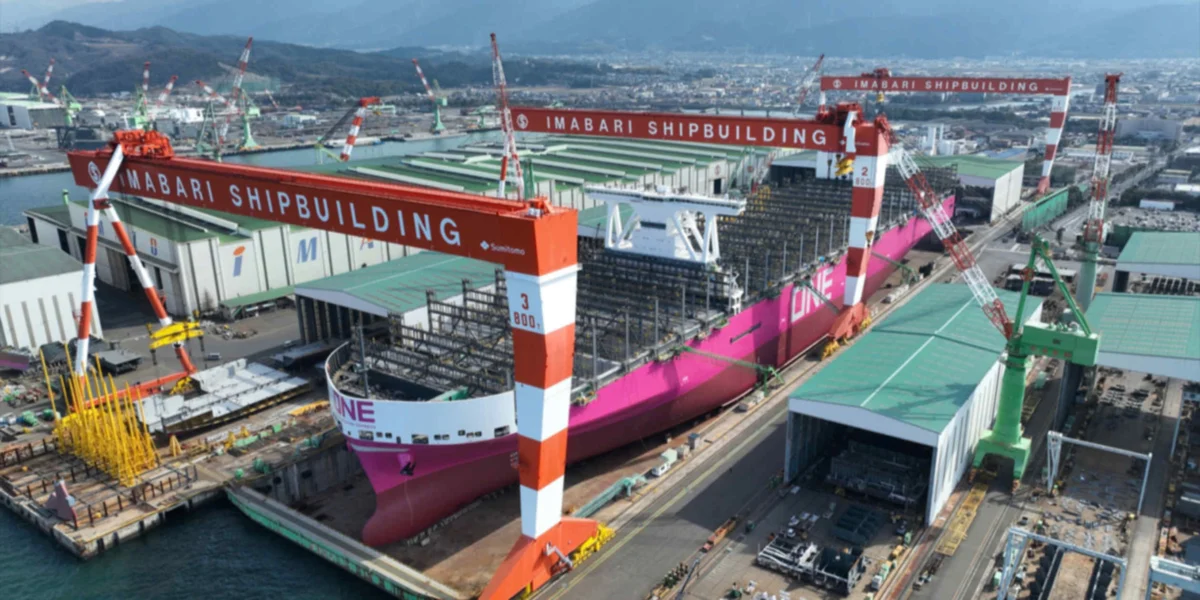
New contracts for Japanese shipbuilders of vessels for export have declined for a fourth consecutive year in fiscal year 2025, a trend directly attributable to a severe and pervasive labor shortage. This ongoing crisis is significantly impeding the Japanese government’s ambitious plan to double the nation’s shipbuilding capacity by 2035, a strategic objective aimed at bolstering its position in the global maritime industry and supporting its economic security. The inability of Japanese shipyards to fully capitalize on robust global demand for new vessels, particularly in the crucial shipping and offshore sectors, highlights a critical bottleneck that could have far-reaching economic and geopolitical implications.
The situation is particularly acute as leading shipbuilders, such as Imabari Shipbuilding, are reportedly struggling to meet even domestic replacement demand, let alone secure new overseas orders. This internal capacity constraint, coupled with the persistent difficulty in attracting and retaining skilled labor, paints a challenging picture for an industry that is vital to Japan’s industrial base and its role in international trade.
The Deepening Labor Deficit
The core of the problem lies in a multifaceted labor shortage that has plagued the Japanese shipbuilding sector for years. This deficit is not merely a matter of insufficient numbers but also encompasses a critical aging of the existing workforce and a significant decline in the appeal of shipbuilding as a career path for younger generations. The demanding nature of shipyard work, often involving physically strenuous tasks in challenging environments, combined with the perceived lack of long-term career progression and competitive wages compared to other burgeoning sectors, has led to a dwindling pool of qualified engineers, welders, electricians, and other essential tradespeople.
Official statistics underscore the severity of the issue. While precise figures for fiscal year 2025’s new export contracts are still being compiled and analyzed, trends from previous years indicate a concerning downward trajectory. In fiscal year 2024, for instance, new orders for Japanese shipyards, while experiencing some fluctuations, have generally been constrained by capacity limitations. The inability to scale up production to meet surging global demand, particularly for eco-friendly and advanced vessels, means that lucrative contracts are increasingly being awarded to competitors in South Korea and China, which have invested heavily in automation and a more dynamic labor force.
A Government’s Ambitious Vision Undermined
The Japanese government’s strategic foresight in aiming to double shipbuilding capacity by 2035 was a response to the growing global demand for maritime transport and the increasing complexity of shipbuilding, driven by a push for decarbonization and technological advancement. The plan envisioned a revitalized shipbuilding sector that could not only meet domestic needs but also serve as a global leader in producing cutting-edge vessels, from LNG carriers and container ships to offshore wind farm installation vessels and cruise liners.
However, the persistent labor shortage presents a formidable obstacle to this vision. Without a sufficient and skilled workforce, even substantial investments in new technologies and facilities would yield limited returns. The government’s strategy relies on a symbiotic relationship between technological innovation and human capital development, a balance that is currently precarious. The current fiscal year’s contract performance is a stark indicator that without a significant intervention to address the labor deficit, the 2035 targets will remain aspirational rather than achievable.
Global Demand and Shifting Market Dynamics
The international maritime industry is currently experiencing a period of robust demand, fueled by global economic recovery, the need for fleet renewal, and the imperative to transition to more sustainable shipping solutions. The International Maritime Organization’s (IMO) stringent environmental regulations, particularly those concerning emissions reduction, have spurred a significant demand for new, more fuel-efficient vessels, including those powered by alternative fuels like LNG, methanol, and ammonia.
Japanese shipbuilders have historically been at the forefront of technological innovation in the sector, known for their high-quality construction and advanced engineering. This expertise positions them ideally to capture a significant share of this burgeoning market. However, the labor constraints mean they are effectively unable to fully participate. Companies that would otherwise be bidding competitively for these high-value contracts are finding themselves unable to commit to delivery timelines or production volumes, forcing them to cede opportunities to their international rivals.
Voices from the Industry
The gravity of the situation is echoed by industry leaders. The president of Imabari Shipbuilding, one of Japan’s largest shipbuilders, has publicly acknowledged the difficulties in meeting even domestic requirements, let alone expanding their international footprint. This candid admission from a key player underscores the systemic nature of the labor shortage and its direct impact on the company’s operational capacity and future growth prospects.
While specific statements from other major Japanese shipbuilders regarding fiscal year 2025 contract performance are yet to be widely publicized, the underlying sentiment within the industry is one of concern. Many companies are understood to be actively exploring various strategies to mitigate the labor shortage, including increased automation, partnerships with vocational schools, and efforts to attract foreign workers, though the latter often faces cultural and regulatory hurdles.
Chronology of a Growing Challenge
The labor shortage in Japanese shipbuilding is not a recent phenomenon. Its roots can be traced back to the late 20th century, with a significant exacerbation in the early 21st century.
- 1990s-Early 2000s: A period of shipbuilding boom in Japan led to a high demand for skilled labor. However, as the global economic landscape shifted and shipbuilding capacity expanded rapidly in South Korea and China, Japanese shipyards faced increasing competition. Simultaneously, younger generations began to gravitate towards other, perceived more modern and less physically demanding industries. The aging workforce became a growing concern.
- Mid-2000s-2010s: The global financial crisis of 2008 significantly impacted the shipping industry, leading to a slowdown in new orders. This period saw some workforce reductions and a further decline in new entrants to the sector. The inherent challenges of shipbuilding – long working hours, hazardous conditions, and often remote work locations – continued to deter young people.
- Late 2010s-Present: The global push for decarbonization and technological advancements in shipping created a renewed wave of demand for advanced vessels. Japanese shipbuilders, with their strong R&D capabilities, were well-positioned to capitalize on this. However, the long-standing labor shortage had by this point become critical. Government initiatives, including the 2035 capacity doubling plan, were announced with the aim of revitalizing the sector, but addressing the fundamental labor deficit proved to be a far more complex undertaking than anticipated.
- Fiscal Year 2025: The reported continued decline in export contracts for Japanese shipbuilders highlights the ongoing struggle to overcome the labor crisis, directly threatening the realization of the government’s strategic goals and Japan’s competitiveness in the global shipbuilding arena.
Supporting Data and Industry Analysis
While specific data for FY2025 export contracts is emerging, broader industry analyses consistently point to the labor shortage as the primary constraint. For instance, reports from industry associations like the Japan Ship Exporters’ Association (JSEA) have, in previous years, indicated that while order books may have shown resilience due to high-value contracts, the sheer volume of work undertaken has been limited by workforce capacity.
- Workforce Demographics: Data from the Ministry of Health, Labour and Welfare has shown a consistent increase in the average age of workers in the manufacturing sector, with shipbuilding being a significant contributor. The proportion of workers aged 55 and over in shipbuilding has been steadily rising, while the number of younger workers (under 30) has stagnated or declined.
- Skills Gap: Beyond raw numbers, there is a critical skills gap. Specialized skills in areas like advanced welding, complex pipe fitting, and the integration of cutting-edge digital technologies are in high demand but short supply. The training and apprenticeship programs, while existing, are struggling to keep pace with the demand and the rapid evolution of shipbuilding technologies.
- Competitive Landscape: South Korea and China have made significant strides in automation and robotics in their shipyards, reducing their reliance on manual labor for certain tasks. They have also been more aggressive in recruiting and retaining skilled workers through competitive compensation and career development programs. This has allowed them to ramp up production more effectively to meet global demand.
Broader Implications and Future Outlook
The inability of Japanese shipbuilders to capitalize on the current robust global demand has several significant implications:
- Economic Impact: A weakened shipbuilding sector can have ripple effects on related industries, including steel manufacturing, equipment suppliers, and maritime services. The government’s goal of doubling capacity was also tied to job creation and economic growth, which will be hampered if the labor shortage persists.
- National Security and Supply Chains: A strong domestic shipbuilding industry is crucial for national security, enabling the construction and maintenance of naval vessels and supporting critical maritime infrastructure. Furthermore, reliance on foreign shipyards for essential commercial vessels can create vulnerabilities in national supply chains, particularly in times of geopolitical instability.
- Technological Leadership: Japan’s ambition to lead in the development and production of next-generation, eco-friendly vessels is at risk. If Japanese shipyards cannot secure sufficient orders and production capacity, their ability to drive innovation and set global standards in sustainable shipping will be diminished.
The path forward for Japanese shipbuilding will require a concerted and multi-pronged approach. This must include substantial government investment in training and upskilling programs, incentives to attract young talent, potentially more streamlined immigration policies for skilled foreign workers, and continued investment in automation and advanced manufacturing techniques to enhance productivity and reduce the physical demands of the job. Without these critical interventions, the ambition to double shipbuilding capacity by 2035 may remain an elusive dream, and Japan risks losing its competitive edge in a vital global industry. The current fiscal year’s performance serves as a stark warning that the time for decisive action is now.
