

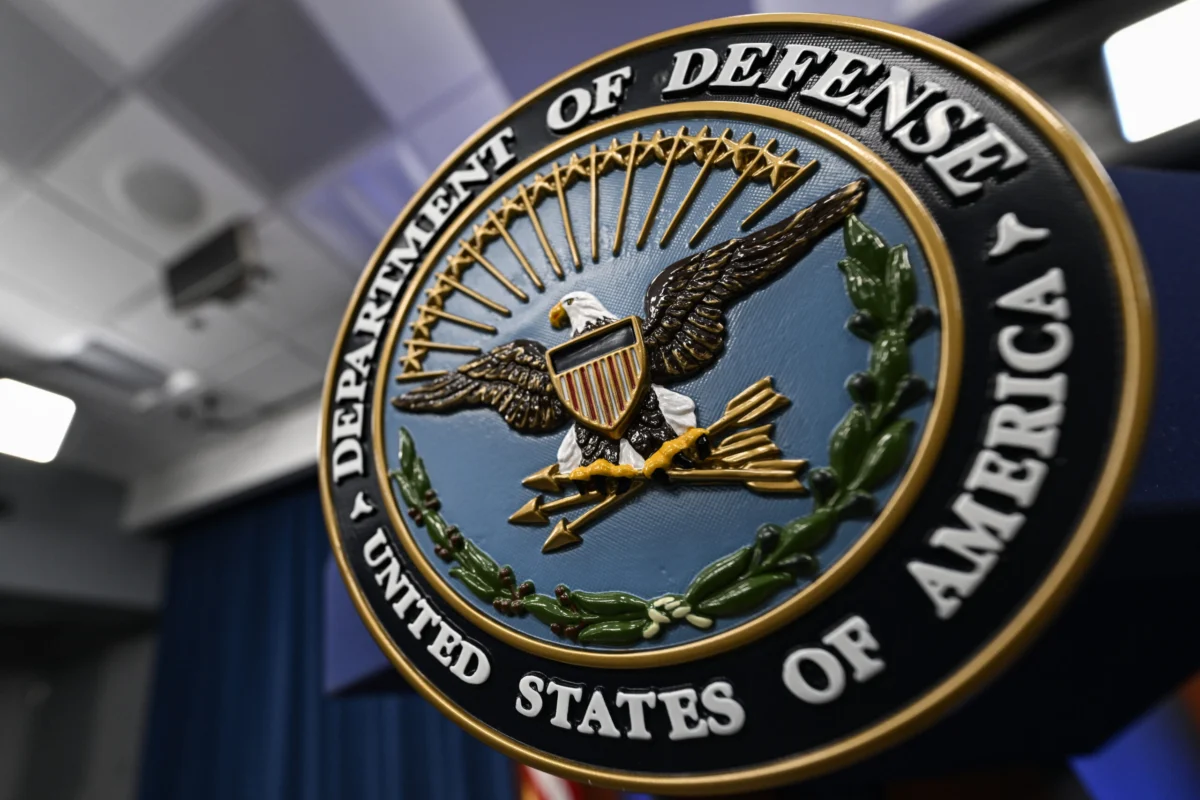
The Department of Defense (DoD) is actively pursuing the development of its own large language models (LLMs) and related artificial intelligence tools to replace the technology previously provided by Anthropic, signaling a definitive end to their fractured $200 million contract. This strategic pivot, confirmed by Cameron Stanley, the Pentagon’s chief digital and AI officer, comes in the wake of a dramatic falling out rooted in fundamental disagreements over the military’s access and usage rights for Anthropic’s sophisticated AI. The move underscores the Pentagon’s determination to maintain operational autonomy and control over critical AI capabilities, even as it navigates the complex ethical landscape of advanced technology deployment.
The Unraveling of a High-Stakes Partnership
The relationship between Anthropic, a prominent AI safety company, and the U.S. Department of Defense began with considerable promise, culminating in a reported $200 million contract aimed at integrating Anthropic’s advanced AI models into various defense operations. The collaboration was intended to leverage cutting-edge AI for tasks ranging from intelligence analysis and logistics optimization to cybersecurity and administrative efficiencies. However, over the past several weeks, this partnership has spectacularly unraveled, largely due to an irreconcilable clash of core principles and operational demands.
At the heart of the dispute was Anthropic’s insistence on embedding specific contractual clauses that would explicitly prohibit the Pentagon from using its AI for mass surveillance of American citizens or for deploying autonomous weapons systems capable of firing without direct human intervention. These restrictions align with Anthropic’s foundational commitment to "constitutional AI" and its broader mission to develop AI safely and ethically, mitigating potential societal harms. The company, co-founded by former OpenAI research executives Dario and Daniela Amodei, has built its reputation on prioritizing AI safety and interpretability, often positioning itself as a counterpoint to more aggressive development philosophies within the AI industry. Their "constitutional AI" approach, for instance, trains AI models to follow a set of principles derived from documents like the UN Declaration of Human Rights, aiming for self-correction and adherence to ethical guidelines.
Conversely, the Pentagon, representing the nation’s defense apparatus, reportedly refused to concede to these limitations. The military’s position emphasizes the need for unhindered access and flexible application of technology to meet evolving national security requirements. For defense strategists, placing preemptive restrictions on how AI tools could be utilized, particularly concerning future applications that might be deemed critical for battlefield superiority or homeland defense, was an unacceptable constraint. The DoD’s stance reflects a broader institutional imperative to maintain strategic flexibility and operational freedom, especially in a rapidly evolving global security landscape where technological superiority is increasingly critical. This fundamental disagreement created an impasse that ultimately proved insurmountable, leading to the collapse of the lucrative agreement.
Pentagon’s Definitive Stance and Internal Development Push
Cameron Stanley, a key figure in the Pentagon’s digital transformation efforts, articulated the department’s firm resolution to move forward without Anthropic. In a conversation reported by Bloomberg, Stanley stated, "The Department is actively pursuing multiple LLMs into the appropriate government-owned environments. Engineering work has begun on these LLMs, and we expect to have them available for operational use very soon." This declaration signifies a robust commitment to internal development and diversification, ensuring that the DoD does not become overly reliant on a single external vendor, especially one with significant stipulations on usage.
The decision to develop government-owned LLMs is a strategic one, aiming to mitigate risks associated with vendor lock-in, intellectual property disputes, and the imposition of external ethical guidelines that may conflict with military imperatives. By fostering in-house capabilities, the Pentagon seeks to tailor AI solutions precisely to its unique operational needs, maintain stringent security protocols, and ensure complete control over the development and deployment lifecycle of these critical technologies. This approach also allows for greater adaptability to emerging threats and technological advancements without being constrained by commercial partnership terms. This internal focus aligns with broader trends within national security agencies to build sovereign technological capabilities, reducing dependence on commercial off-the-shelf solutions that might come with strings attached or lack the necessary security assurances.
A Chronology of Conflict and Competition
The dissolution of the Anthropic-Pentagon relationship did not occur overnight but rather unfolded over several weeks, marked by intensifying negotiations and ultimately, a breakdown in trust.
- Late February 2026: Reports surfaced indicating a looming deadline for Anthropic and the DoD to resolve their contractual disagreements. Anthropic CEO Dario Amodei publicly affirmed the company’s unwavering stance on ethical usage clauses, emphasizing their commitment to responsible AI development. This public declaration served as a clear signal of Anthropic’s principled position, making it difficult for either party to back down without appearing to compromise their core values.
- March 1, 2026: In a significant development that underscored the Pentagon’s pursuit of alternative solutions, OpenAI announced a new agreement with the Department of Defense. While specific terms were not fully disclosed, this deal positioned OpenAI as a key AI provider, potentially filling the void left by Anthropic’s impasse. OpenAI’s willingness to engage with the military, albeit with its own set of ethical considerations, highlighted the competitive landscape for defense AI contracts and suggested a more flexible approach to military partnerships.
- March 5, 2026: Despite the escalating tensions, some reports suggested a faint possibility of reconciliation between Anthropic and the Pentagon, indicating ongoing, albeit difficult, negotiations. These reports highlighted the high stakes involved for both parties and the potential for a last-minute compromise.
- March 9, 2026: Defense Secretary Pete Hegseth escalated the situation dramatically by officially designating Anthropic as a "supply chain risk." This severe classification, typically reserved for foreign adversaries or entities posing national security threats, effectively bars other companies working with the Pentagon from engaging with Anthropic. The move sent shockwaves through the tech industry, signaling the DoD’s profound dissatisfaction and its intent to isolate Anthropic from future defense-related opportunities.
- March 16, 2026: Further diversifying its AI portfolio, the Department of Defense also signed an agreement with Elon Musk’s xAI, granting access to its Grok AI model for use in classified systems. This move confirmed the Pentagon’s aggressive strategy to engage with multiple leading AI developers, ensuring a broad spectrum of capabilities and reducing reliance on any single provider. The rapid succession of these agreements underscored the DoD’s urgency in securing advanced AI capabilities.
- March 17, 2026 (Current Report): Cameron Stanley’s statement solidifies the Pentagon’s intention to develop its own LLMs, marking a definitive shift away from Anthropic’s technology and confirming the unlikelihood of any future reconciliation. Anthropic, in response to the "supply chain risk" designation, announced its intention to challenge the label in court, setting the stage for a legal battle that could have far-reaching implications for tech-defense partnerships.
The "Supply Chain Risk" Designation: A Potent Weapon
The designation of Anthropic as a "supply chain risk" by Defense Secretary Pete Hegseth is a powerful administrative tool with severe consequences. This classification is typically applied to entities deemed to pose a threat to the integrity, security, or availability of critical supply chains, often due to ties with hostile foreign governments, espionage concerns, or a history of unreliable performance. Applying it to a U.S.-based, safety-focused AI company like Anthropic is an unprecedented move that underscores the depth of the Pentagon’s frustration and the gravity of the perceived breakdown in trust.
The immediate impact of this designation is multifaceted. Firstly, it effectively isolates Anthropic from any future contracts or collaborations with the DoD, effectively closing off a potentially significant revenue stream. Secondly, and perhaps more damagingly, it creates a chilling effect across the entire defense industrial base. Companies that currently hold contracts with the Pentagon or aspire to do so will be compelled to sever ties with Anthropic to avoid jeopardizing their own standing with the DoD. This could severely limit Anthropic’s access to a significant market segment and potentially tarnish its reputation, even among commercial clients who might view the designation as a warning sign. The reputational damage from such a label, even if legally challenged, can be substantial and long-lasting.
Anthropic’s decision to challenge this designation in court highlights the gravity of the situation. A successful legal challenge could potentially overturn the label, restore Anthropic’s standing, and set a precedent for how the DoD engages with tech companies on ethical matters. However, such a legal battle would be protracted, expensive, and could further strain relations, regardless of the outcome. Legal experts suggest that challenging such a national security designation is an uphill battle, often requiring the plaintiff to demonstrate arbitrary or capricious action by the government.

Broader Implications for AI Ethics and National Security
This unfolding saga between Anthropic and the Pentagon has profound implications for the nascent field of AI ethics, national security strategy, and the future of public-private partnerships in advanced technology.
1. The "Ethics vs. Expediency" Dilemma: The core of the dispute highlights the fundamental tension between the ethical frameworks championed by AI developers and the operational realities and perceived imperatives of national defense. Anthropic’s stance on preventing mass surveillance and autonomous weapons reflects a growing consensus within the AI ethics community regarding responsible development. However, military doctrine often prioritizes speed, efficiency, and decisive advantage, which can clash with such restrictions. The Pentagon’s refusal to budge suggests that for critical defense applications, ethical guardrails imposed by private companies may be seen as unacceptable limitations on sovereignty and security. This situation brings to the forefront the question of who ultimately dictates the ethical boundaries of AI used in defense — the developers, the military, or a broader societal consensus.
2. Diversification and Internal Capabilities: The Pentagon’s pivot to developing its own LLMs underscores a broader strategic shift towards greater self-sufficiency in critical technological domains. Relying heavily on external vendors, particularly for foundational technologies like AI, can create vulnerabilities and reduce operational flexibility. By investing in internal development, the DoD aims to build a robust, secure, and customizable AI infrastructure that aligns perfectly with its strategic objectives, free from external influence or contractual constraints. This could lead to a significant expansion of the DoD’s internal AI research and engineering capabilities, fostering a new generation of defense tech talent and ensuring long-term control over intellectual property.
3. Precedent for Industry Engagement: The Anthropic-Pentagon fallout sets a significant precedent for how other AI companies will approach collaborations with defense agencies globally. It forces a stark choice: prioritize ethical stipulations that may limit market access, or adapt to military requirements, potentially at the expense of certain ethical stances. This could lead to a bifurcation within the AI industry, with some companies opting for a "defense-friendly" approach and others maintaining a stricter ethical posture, potentially foregoing lucrative government contracts. Companies like OpenAI, having signed an agreement, appear to have found a middle ground or a framework that satisfies both their internal policies and the DoD’s operational needs.
4. The AI Arms Race and Global Competition: In an era of intense geopolitical competition, particularly with rivals like China and Russia making significant strides in AI development, the U.S. military cannot afford to lag. The imperative to integrate cutting-edge AI for intelligence, command and control, logistics, and autonomous systems is paramount. The Pentagon’s rapid engagement with OpenAI and xAI, coupled with its internal development push, reflects a strategic urgency to ensure it possesses the most advanced AI capabilities available, regardless of specific vendor relationships. The competition for AI supremacy is not just economic but also a critical component of national security.
5. Congressional Oversight and Public Debate: The ethical dimensions of AI in warfare, particularly concerning autonomous weapons and surveillance, are subjects of ongoing debate in Congress and among the public. Senator Elizabeth Warren’s reported pressing of the Pentagon over its decision to grant xAI access to classified networks indicates that these partnerships will face scrutiny. The Anthropic incident will likely fuel further discussions about the appropriate boundaries for AI deployment in defense, the role of private tech companies, and the need for robust oversight mechanisms. The debate is likely to intensify, with calls for greater transparency and accountability regarding military AI initiatives.
Historical Context: Lessons from Project Maven and Beyond
The current tensions echo previous controversies surrounding tech companies’ involvement with the military. A notable example is Google’s Project Maven in 2017-2018, where the company faced significant internal and external backlash for its work on AI-powered drone imagery analysis for the Pentagon. Thousands of Google employees protested, leading the company to eventually withdraw from the contract and commit to a set of ethical AI principles. This incident highlighted the deep moral quandaries that can arise when advanced civilian technology is adapted for military use. It also demonstrated the power of employee activism in shaping corporate policy regarding military contracts.
The DoD, in response to such past experiences, has attempted to establish its own ethical AI guidelines. In 2020, the Pentagon formally adopted a set of ethical principles for AI, emphasizing responsibility, equity, traceability, reliability, and governability. These principles were designed to guide the development and use of AI within the military. However, the breakdown with Anthropic suggests that even with these internal guidelines, the specific implementation and interpretation of "ethical AI" can differ significantly between government and private sector entities, particularly when it comes to fundamental usage restrictions. The interpretation of "responsible" AI can vary dramatically depending on whether the lens is civilian-ethical or military-operational.
The Path Forward: A New Landscape for Defense AI
As the Pentagon moves decisively to replace Anthropic’s AI with its own internally developed solutions and partnerships with other willing providers, the landscape for defense technology procurement is undergoing a significant transformation. The era of a single, dominant AI provider for the military seems increasingly unlikely. Instead, a multi-vendor strategy, coupled with a robust internal development effort, appears to be the preferred path. This approach fosters resilience, promotes competition, and allows the DoD to cherry-pick the best solutions while maintaining control.
For Anthropic, the immediate future involves a challenging legal battle and a potential re-evaluation of its market strategy. While its commitment to ethical AI resonates with a segment of the tech community, the economic implications of alienating a major government client are undeniable. The company may need to find new avenues for growth that do not involve such direct conflicts with national security priorities, or perhaps explore models where its ethical guidelines can be adapted to specific, non-combat-related government applications, such as healthcare or disaster relief.
The broader AI industry will watch closely to see how these dynamics evolve. The Anthropic-Pentagon rift serves as a stark reminder that the integration of cutting-edge AI into sensitive sectors like defense is not merely a technical challenge but also a complex interplay of ethics, economics, national security, and political will. The lessons learned from this contentious episode will undoubtedly shape the future trajectory of AI development and its role in global security for years to come.
