

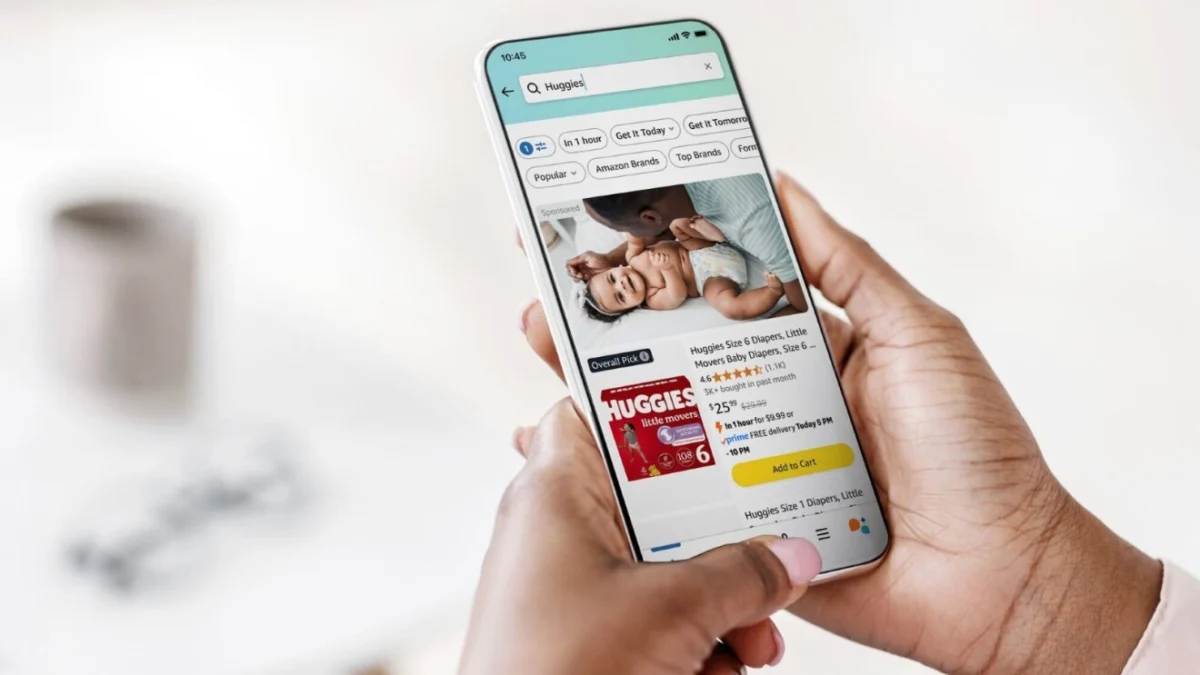
Amazon, the global e-commerce behemoth, has significantly intensified its footprint in the burgeoning quick commerce sector, announcing the launch of widespread one-hour and three-hour delivery services across numerous cities and towns in the United States. This strategic move directly positions the Seattle-based giant against established instant delivery platforms such as Instacart, DoorDash, and Uber Eats, signaling a renewed and aggressive push to dominate the "last-mile" delivery landscape and cater to an increasingly demanding consumer base that prioritizes speed and convenience. The initiative is designed to leverage Amazon’s unparalleled logistical network and extensive inventory, making over 90,000 diverse items available for these expedited shipping tiers.
The New Frontier of Instant Gratification: Service Details and Accessibility
Under this ambitious expansion, Amazon is offering two distinct expedited delivery windows: a one-hour service and a three-hour service. For eligible items, users navigating the Amazon app or website will encounter a clear label indicating availability for these rapid delivery options. Furthermore, dedicated filters have been integrated into the platform, allowing customers to easily narrow their search to products that can reach their doorstep within these compressed timeframes. A specialized storefront at amazon.com/getitfast has also been established, serving as a central hub for all items qualifying for the new delivery program, streamlining the user experience and promoting the new offering. This digital infrastructure ensures that the vast selection of over 90,000 items, ranging from everyday essentials to last-minute gifts, is readily identifiable and accessible to consumers seeking immediate fulfillment.
The pricing structure for these premium services is tiered, offering a significant advantage to Amazon Prime subscribers. Prime members will be charged $9.99 for one-hour deliveries, a competitive rate given the speed and convenience. The three-hour delivery option is even more accessible for Prime members at $4.99. Non-Prime members, however, will face substantially higher costs, with one-hour deliveries priced at $19.99 and three-hour deliveries at $14.99. This differentiated pricing strategy underscores Amazon’s continuous effort to enhance the value proposition of its Prime membership, encouraging subscription and retention by making expedited shipping an integral part of the Prime ecosystem alongside other benefits like streaming, music, and exclusive deals. The substantial price gap between Prime and non-Prime rates for these services is a clear incentive for customers to join or remain subscribed to the Prime program, reinforcing its status as a cornerstone of Amazon’s customer loyalty strategy.
Geographic Reach and Operational Synergy
The rollout strategy for these new delivery options demonstrates Amazon’s methodical approach to market penetration. The one-hour delivery service is being introduced in hundreds of cities across the U.S., focusing initially on major metropolitan areas where consumer density and demand for immediacy are highest. Key markets include parts of Los Angeles, Chicago, and Washington, D.C., alongside other strategically selected cities such as Des Moines, Boise, and American Fork. This targeted launch allows Amazon to fine-tune its operations in high-demand zones before a broader expansion.
The three-hour delivery option boasts an even wider geographical footprint, making it available in over 2,000 U.S. cities and towns. This extensive coverage signifies Amazon’s capability to extend rapid delivery beyond the largest urban centers, bringing enhanced convenience to a broader demographic, including suburban and some rural communities. The company has explicitly stated that these new delivery options will leverage its existing network of same-day fulfillment sites. This approach is critical for operational efficiency and cost control, as it avoids the need to build entirely new infrastructure, instead optimizing the utilization of established logistics hubs and delivery routes. By integrating these ultra-fast services into its current operational framework, Amazon aims to minimize additional capital expenditure while maximizing the speed and reliability of its expanded offerings. This strategic integration is a testament to Amazon’s sophisticated supply chain management and its ability to adapt existing assets to new market demands.
Executive Vision and Strategic Imperatives
Udit Madan, Senior Vice President of Worldwide Operations at Amazon, articulated the company’s rationale behind this significant initiative in a recent statement. "Our customers are busier than ever and are looking for new ways to save time while keeping their households running," Madan explained. He emphasized that Amazon identified a clear opportunity to deploy its "unique operational expertise and delivery network" to simplify customers’ lives, simultaneously "unlocking even more value for Prime members." This statement encapsulates several core tenets of Amazon’s overarching business strategy.
Firstly, it acknowledges the evolving consumer lifestyle, where time is a premium commodity and convenience is paramount. Modern consumers, particularly those in bustling urban environments, are increasingly seeking solutions that integrate seamlessly into their busy schedules, reducing friction and saving valuable minutes. Secondly, Madan’s reference to Amazon’s "unique operational expertise and delivery network" highlights the company’s confidence in its vast, interconnected logistics infrastructure. Decades of investment in warehousing, sorting centers, and last-mile delivery capabilities provide Amazon with a distinct competitive advantage that few other companies can match. This includes advanced algorithms for route optimization, sophisticated inventory management systems, and a vast fleet of delivery vehicles and personnel. Lastly, the emphasis on "unlocking even more value for Prime members" reinforces the strategic importance of the Prime subscription. By offering such compelling benefits, Amazon aims to solidify customer loyalty, increase engagement across its various services, and create a powerful ecosystem that encourages recurring purchases and reinforces its market dominance.
A Chronology of Amazon’s Expedited Delivery Endeavors
Amazon’s venture into ultra-fast delivery is not a novel concept but rather a continuous evolution and refinement of previous initiatives. The company has a history of experimenting with rapid shipping, learning from successes and setbacks, and adapting its strategy to market conditions and technological advancements.
Prime Now (2014-2021): A Precedent for Speed
The genesis of Amazon’s immediate delivery ambition can be traced back to December 2014, with the launch of "Prime Now." This service initially brought one-hour deliveries to New York City, promising groceries, household items, and select electronics within an hour or two. Prime Now expanded to numerous cities, operating out of dedicated micro-fulfillment centers or leveraging existing Whole Foods Market stores (after Amazon’s acquisition). While innovative for its time, Prime Now faced significant operational challenges, including the high cost of last-mile delivery, inventory management complexities for a diverse range of products, and intense competition. Ultimately, Amazon decided to discontinue the standalone Prime Now app and website in 2021, integrating its features and inventory into the main Amazon app. This consolidation was seen as an effort to streamline the customer experience and leverage the primary platform’s massive user base, suggesting that the underlying concept of ultra-fast delivery remained strategically important, even if the execution needed recalibration.
The 30-Minute Pilot (December 2025): Pushing the Limits
In December 2025, Amazon demonstrated its continued commitment to pushing the boundaries of delivery speed by piloting an ultra-fast 30-minute delivery option. This experimental service was launched in select areas of Seattle and Philadelphia, two cities often used by Amazon as testing grounds for new technologies and services. The 30-minute window represents the extreme end of quick commerce, typically associated with very localized fulfillment centers and a highly optimized delivery chain. While details of the pilot’s outcomes were not extensively publicized, it indicated Amazon’s ongoing research and development into even faster delivery methods, likely informing the current wider rollout of the 1-hour and 3-hour options.
International Quick Commerce Ventures:
Amazon’s pursuit of quick commerce extends beyond the U.S. borders, with significant investments in key international markets:

- Amazon Now India (2024): In 2024, Amazon launched "Amazon Now" in India, a 10-minute delivery service specifically tailored for groceries and other essential items. India’s burgeoning e-commerce market and competitive landscape, featuring local quick commerce players like Zepto and Blinkit, necessitated such an aggressive offering. The service proved promising, leading to its expansion into several more cities in 2025, signaling Amazon’s intent to become a dominant force in India’s rapid grocery delivery segment.
- United Arab Emirates (Last October): Expanding its global quick commerce footprint, Amazon launched a similar service in the United Arab Emirates last October, promising deliveries within an impressive 15 minutes. This initiative targeted the affluent and digitally-savvy consumer base in the UAE, where demand for premium, ultra-fast services is particularly high. These international ventures provide Amazon with valuable insights into diverse market dynamics, logistical challenges, and consumer preferences for quick commerce, informing its global strategy.
The Competitive Arena: Implications for the Quick Commerce Market
Amazon’s re-entry and aggressive expansion into the ultra-fast delivery space carry profound implications for the highly competitive quick commerce market. This sector, projected to reach hundreds of billions of dollars globally in the coming years, has seen an explosion of activity, particularly driven by shifts in consumer behavior during and after the pandemic.
Direct Competitors: Instacart, DoorDash, Uber Eats
Companies like Instacart, DoorDash, and Uber Eats have carved out significant market shares by specializing in on-demand delivery, primarily of groceries, restaurant meals, and convenience items. Their business models rely heavily on a network of independent contractors for last-mile delivery and partnerships with local retailers. Amazon’s move directly threatens these players by offering a similar, if not broader, selection of items with comparable or even faster delivery speeds, backed by its immense financial resources and logistics infrastructure. The immediate impact could be increased price competition, pressure on delivery times, and a fight for driver availability. Amazon’s ability to bundle delivery services with its Prime membership offers a distinct advantage that pure-play delivery companies struggle to replicate.
Traditional Retailers and Market Consolidation
Beyond direct delivery platforms, traditional retailers such as Walmart and Target have also invested heavily in same-day and expedited delivery options, often through their own fleets, curbside pickup, or partnerships with third-party logistics providers. Amazon’s expanded service will intensify pressure on these retailers to further enhance their own fulfillment capabilities to remain competitive. The long-term implications could include market consolidation, as smaller, less capitalized quick commerce players find it difficult to compete with Amazon’s scale and efficiency.
Economic and Logistical Ramifications
The operational complexities and economic viability of ultra-fast delivery remain a critical area of scrutiny. While consumer demand for speed is undeniable, the costs associated with "last-mile" delivery — the final leg of a product’s journey to the customer’s doorstep — are notoriously high. Factors such as fuel, vehicle maintenance, driver wages, and the infrastructure for localized inventory management contribute significantly to these expenses.
Amazon’s strategy of leveraging "existing, same-day fulfillment sites" is crucial in mitigating these costs. By optimizing current assets rather than building entirely new micro-warehouses for every urban cluster, Amazon aims to achieve greater economies of scale. However, maintaining a vast inventory of 90,000+ items across hundreds or thousands of localized hubs for instant dispatch presents significant inventory management challenges. Advanced predictive analytics and sophisticated warehouse robotics will be essential to ensure items are stocked in the right quantities at the right locations to meet demand without incurring excessive holding costs.
The expansion also has implications for labor. Ultra-fast delivery requires a dedicated and flexible workforce capable of rapid picking, packing, and transportation. This could lead to increased demand for delivery personnel, potentially impacting wages and working conditions in the gig economy. Environmental considerations also come into play, with increased vehicle traffic potentially leading to higher emissions and congestion in urban areas, prompting calls for more sustainable delivery methods such as electric vehicles or drone delivery in the future.
The Enduring Power of Prime Membership
At its core, this aggressive expansion of rapid delivery services is a strategic reinforcement of the Amazon Prime ecosystem. Prime membership, which offers a bundle of services including free shipping, video streaming, music, and exclusive deals, is a powerful tool for customer retention and acquisition. By making one-hour and three-hour deliveries significantly cheaper for Prime members, Amazon is making the subscription even more indispensable. This creates a "sticky" customer base that is less likely to churn and more likely to make Amazon their primary shopping destination.
The higher pricing for non-Prime members serves as a clear incentive to subscribe, potentially boosting Prime membership numbers. For Amazon, Prime members are typically more engaged, spend more money annually, and are more likely to utilize other Amazon services. Therefore, any initiative that enhances the value of Prime directly contributes to Amazon’s long-term revenue growth and market leadership. The company’s ability to cross-sell and upsell within its ecosystem is unparalleled, and expedited delivery adds another compelling layer to this strategy.
Future Outlook and Challenges Ahead
Amazon’s bold move into nationwide ultra-fast delivery underscores its relentless pursuit of market dominance and its commitment to meeting evolving consumer expectations. While the company’s logistical prowess and financial muscle provide a formidable advantage, several challenges lie ahead.
The profitability of ultra-fast delivery at scale remains a key question. Balancing speed with cost-efficiency, particularly in diverse geographic areas, will require continuous innovation and optimization. Labor management, especially in an increasingly scrutinized gig economy, will also be critical. Furthermore, as quick commerce proliferates, regulatory bodies may begin to examine its environmental impact, traffic congestion, and labor practices more closely.
However, the benefits for consumers are clear: unprecedented convenience and choice. Amazon’s aggressive push is likely to further accelerate the "delivery wars," pushing competitors to innovate and invest more heavily in their own rapid fulfillment capabilities. This intense competition will ultimately reshape consumer expectations, making instant gratification a standard rather than a luxury in the world of e-commerce. As Amazon continues to experiment with even faster options and refine its global quick commerce strategy, its latest rollout marks a pivotal moment in the ongoing evolution of online retail, promising a future where goods are not just a click away, but merely minutes from one’s doorstep.
