

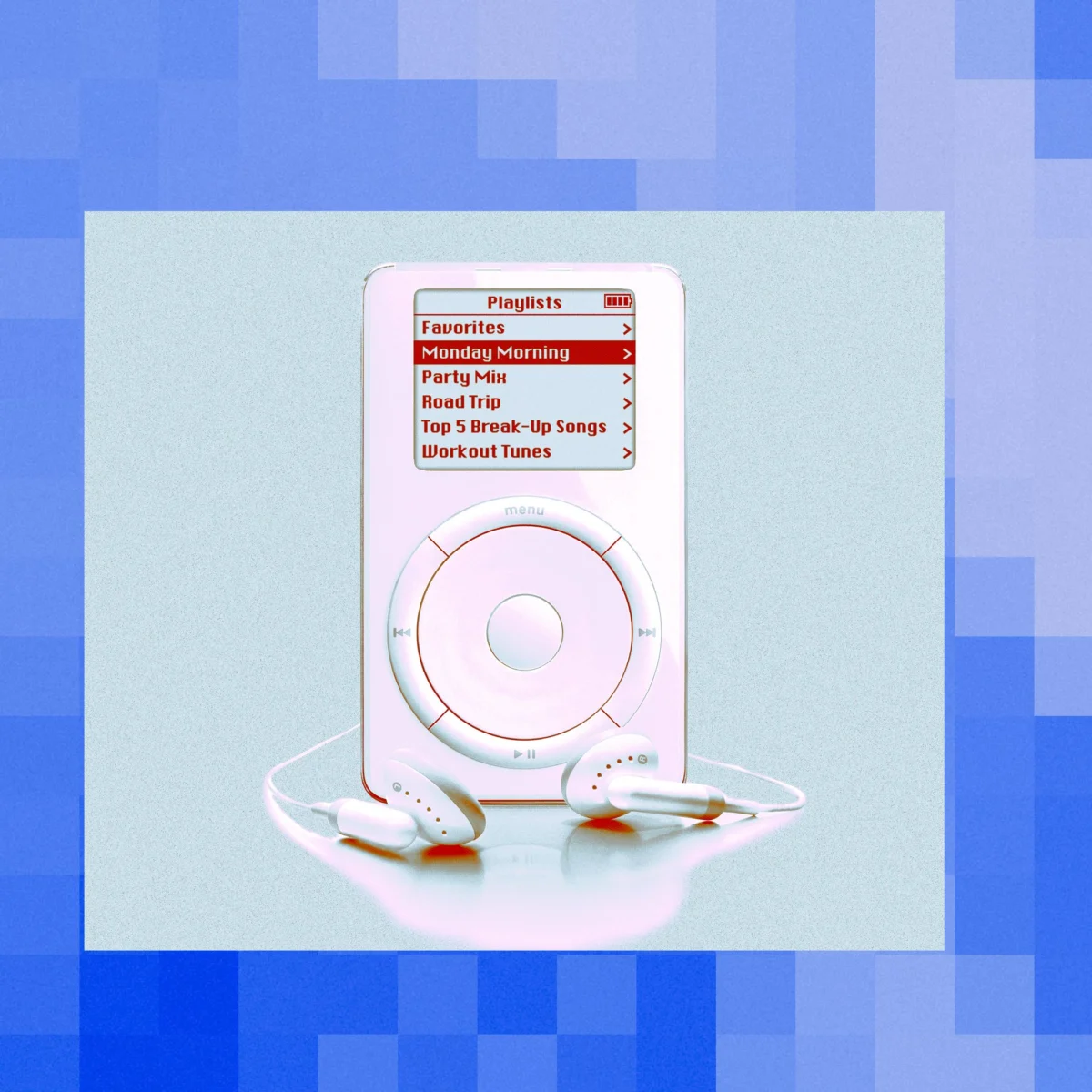
Twenty-five years ago this month, on October 23rd, a device was born that would fundamentally alter the landscape of personal technology and music consumption. The introduction of the iPod, unveiled by Apple just over a month after the profound global impact of the September 11th attacks, marked a pivotal moment. While the world was grappling with the aftermath of tragedy, a technological revolution was quietly brewing in Cupertino. Steve Jobs, the visionary co-founder of Apple, famously pulled the first iPod from his jeans pocket, proclaiming its ability to hold "a thousand songs in your pocket" – a revolutionary concept at a time when portable music players were limited by bulky CD cases or meager digital storage.
The significance of this launch was not lost on observers. Delivered personally by Apple couriers to journalists in New York, the iPod was presented as a game-changer. Jobs himself underscored its importance in a direct conversation, stating, "iPod will be a landmark product." This prescient declaration proved to be an understatement. By 2004, the cultural phenomenon had become so pervasive that it warranted a cover story in Newsweek, aptly titled "iPod Nation." The device’s impact was so profound that it later inspired a book, "The Perfect Thing," exploring its unique place in consumer culture.
The Gradual Fade: Defining the iPod’s Demise
Unlike its explosive arrival, the end of the iPod’s era was a more drawn-out and less clearly defined affair. While official pronouncements offer specific dates, the true "death" of the iPod is a matter of interpretation, reflecting its gradual integration and eventual obsolescence within Apple’s own evolving ecosystem.
The most recent official marker of the iPod’s departure is May 10, 2022, when Apple announced the discontinuation of the iPod Touch. This final iteration, often viewed by purists as more of an iPhone without cellular service, represented the last device bearing the iconic name. However, for many long-time users and observers, this was merely the final chapter in a longer narrative.
A more poignant endpoint for many traditionalists might be July 27, 2017. On this date, Apple ceased production of two beloved models: the iPod Nano, the last traditional iPod to feature a screen and a more compact form factor, and the iPod Shuffle, a minuscule, clip-on device that epitomized minimalist music playback. These models represented the quintessential iPod experience for a generation. Prior to this, in 2014, Apple had quietly discontinued the iPod Classic, the original iteration with its iconic click wheel and substantial hard drive, signaling an early shift away from the foundational iPod design.
The iPhone’s Shadow: A Product of Its Own Success
The gradual phasing out of the iPod line was an inevitable consequence of a strategic decision made by Steve Jobs on January 11, 2007. On that day, Jobs unveiled not one, but three groundbreaking products: a revolutionary mobile phone, an internet-connected device, and, crucially, "the best iPod ever" – all seamlessly integrated into a single, transformative device: the iPhone. From that moment forward, the iPod, as a standalone product, was destined to live on borrowed time.
The iPhone’s introduction marked a paradigm shift, offering a Swiss Army knife of functionalities that far surpassed the dedicated purpose of the iPod. While Apple continued to sell millions of iPods in the years that followed, catering to a dedicated user base, the allure of a single device that could handle communication, internet access, and entertainment began to eclipse the appeal of a dedicated music player. The iPhone’s success was staggering, becoming the engine of a multi-trillion-dollar company and solidifying its place as arguably the most impactful product of the 21st century.
The "Perfect Thing": Uncomplicated Joy in a Complex World
Despite the iPhone’s undeniable technological and financial supremacy, the iPod’s legacy is rooted in a different kind of value: its singular focus and the uncomplicated joy it provided. "The Perfect Thing," as it was dubbed, was a device that excelled at one task: playing music. Its single-function design meant an absence of the distractions that now plague our omnipresent smartphones. The iPod offered an escape, a pure portal to auditory pleasure without the incessant demands of notifications, social media feeds, or the pervasive urge to "doomscroll."
In contrast, the relationship with modern smartphones is far more complex. While they are indispensable tools, they also contribute to information overload, digital addiction, and can even pose safety risks, as evidenced by the numerous accidents attributed to distracted driving. The iPod, however, represented an era of focused enjoyment, a device that consistently delivered happiness.
A Symphony of Innovation: The iPod’s Iterative Evolution
Part of the iPod’s enduring appeal stemmed from Apple’s relentless commitment to innovation and annual redesigns. Unlike many products that maintain a consistent form for years, the iPod underwent a series of significant reinventions, each iteration pushing the boundaries of size, shape, and aesthetic. This iterative process transformed the iPod from its initial utilitarian design into increasingly sleeker and more desirable gadgets.
The introduction of the iPod Mini, followed by multiple variations of the Nano and Shuffle in vibrant colors and diverse configurations, kept the product line fresh and exciting. While iPhone updates have certainly driven consumer demand, they have often lacked the sheer delight of a complete product reinvention that the iPod line consistently delivered. This constant evolution fostered a sense of anticipation and desirability, a key factor in its widespread adoption.
Echoes of the Past: The Father of the iPod Reflects
To understand the strategic decisions behind the iPod’s eventual sunset, it is illuminating to consult with those who were instrumental in its creation. Tony Fadell, often hailed as the "father of the iPod" for his leadership of its hardware development team, played a pivotal role in bringing the product to market in a remarkably short timeframe of less than a year. Fadell later contributed significantly to the development of the iPhone and has since enjoyed a successful career as a tech investor and author.
Fadell, who departed Apple in 2008, recalls that even during the iPod’s continued support in the years following his departure, there was a consensus among Apple executives that the device’s future as a standalone product was limited. Despite its immense popularity and dedicated user base, the overwhelming success of the iPhone, which also bolstered sales of the Macintosh line, and the company’s pursuit of other mass-market innovations like the iPad, meant that iPod sales were becoming less critical to Apple’s overall financial performance. For Steve Jobs and his successor, Tim Cook, relentless prioritization was paramount.
Fadell notes that the discussions surrounding the iPod’s fate were not characterized by deep regret, but rather by a strategic assessment of Apple’s focus. "The discussion was about Apple [not] doing lower-value things," he explains. Yet, he echoes the sentiment that the iPod’s disappearance has indeed left a void in the consumer electronics market.
The Unconnected Advantage: A Purity Lost
Fadell attributes a significant part of the iPod’s unique value to its lack of internet connectivity. "Because the iPod wasn’t connected, you didn’t have all these other things going on to distract you," he states. This absence of constant digital noise allowed for an unadulterated listening experience, a sanctuary for music lovers. Today, he observes, users often contend with the annoyances of being connected without being able to fully immerse themselves in their music, as notifications and other digital demands constantly pull their attention away. "This thing should still exist," he asserts, highlighting a widespread sentiment.
A Resilient Community: The Enduring Appeal of the Classic iPod
The enduring affection for the iPod is evident in the vibrant online communities that have sprung up around the device. Dedicated Facebook groups and Reddit forums are populated by enthusiasts who go to extraordinary lengths to modify and preserve their old iPods. These modifications often involve upgrading storage capacities with large flash drives and retrofitting Bluetooth connectivity. The desire for the classic iPod experience is so strong that an app even exists to make iPhones mimic the look and functionality of the iPod Classic. While these solutions offer a nostalgic taste, they are ultimately tethered to the multifarious nature of the smartphone, a single swipe away from the very distractions the iPod was designed to escape.
When asked about the iPod’s legacy, Fadell’s response transcends personal nostalgia, speaking instead to its profound impact on Apple’s trajectory. "The iPhone never would have existed without it," he states unequivocally. "That means that the Apple we know of would never have existed without the iPod." He posits that the iPod was the crucial catalyst that transformed Apple from a niche computer company into the global consumer electronics powerhouse it is today. He further contextualizes this by noting that the iPod’s 25-year history represents half of Apple’s entire existence, a testament to its transformative power following earlier innovations like the Apple II and the Macintosh.
A Nostalgic Return and a Generational Gap
While the technological implications of the iPod are undeniable, many, including the author, prefer to remember it for its intrinsic qualities rather than its evolutionary role. A recent rediscovery of an old iPod Classic, paired with a boombox featuring the original 30-pin connector, offered a moment of pure, unadulterated musical bliss in shuffle mode.
It is a sentiment shared by many who yearn for a return to "iPod Nation." While there is no commercial incentive for Apple’s current leadership to revive the dedicated music player, there is a palpable sense of loss. A generation is growing up without experiencing the unique pleasure of a device solely dedicated to music, a device that would never interrupt a cherished melody with the jarring intrusion of calls, texts, or notifications. They are, in a sense, missing out on a distinct form of digital joy. The iPod, though gone, leaves behind a legacy not just of technological advancement, but of a simpler, more focused form of personal entertainment.
