

London, Berlin, Rome. While Markus Frohnmaier’s Alternative for Germany (AfD) party secured only third place in the state election in Baden-Württemberg, the 35-year-old German right-wing populist is held in high esteem by young supporters of the "New York Young Republican Club." The MAGA youth organization posted a message of solidarity to their ideological comrades in Germany, declaring "AfD über alles" (AfD above all).
This affinity highlights a growing international network of right-wing populists and their ideological proponents. The AfD’s foreign policy spokesperson, Markus Frohnmaier, previously engaged in discussions with Sarah Rogers, Undersecretary of State in the U.S. Department of State, regarding the new National Security Strategy. This strategy, outlined by the administration of U.S. President Donald Trump, articulates a foreign policy objective to "cultivate resistance against the current course of Europe" in conjunction with "patriotic European parties." This indicates a deliberate effort by the Trump administration to foster alliances with like-minded political movements across the continent.
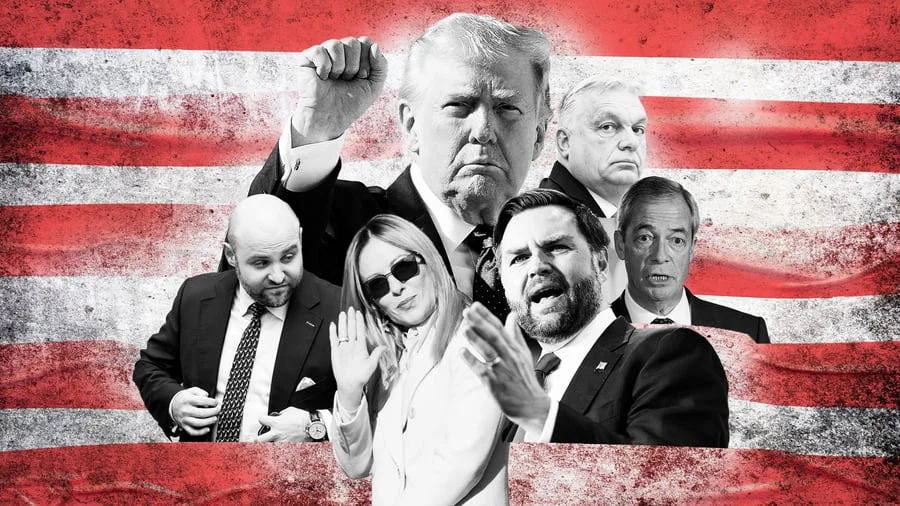
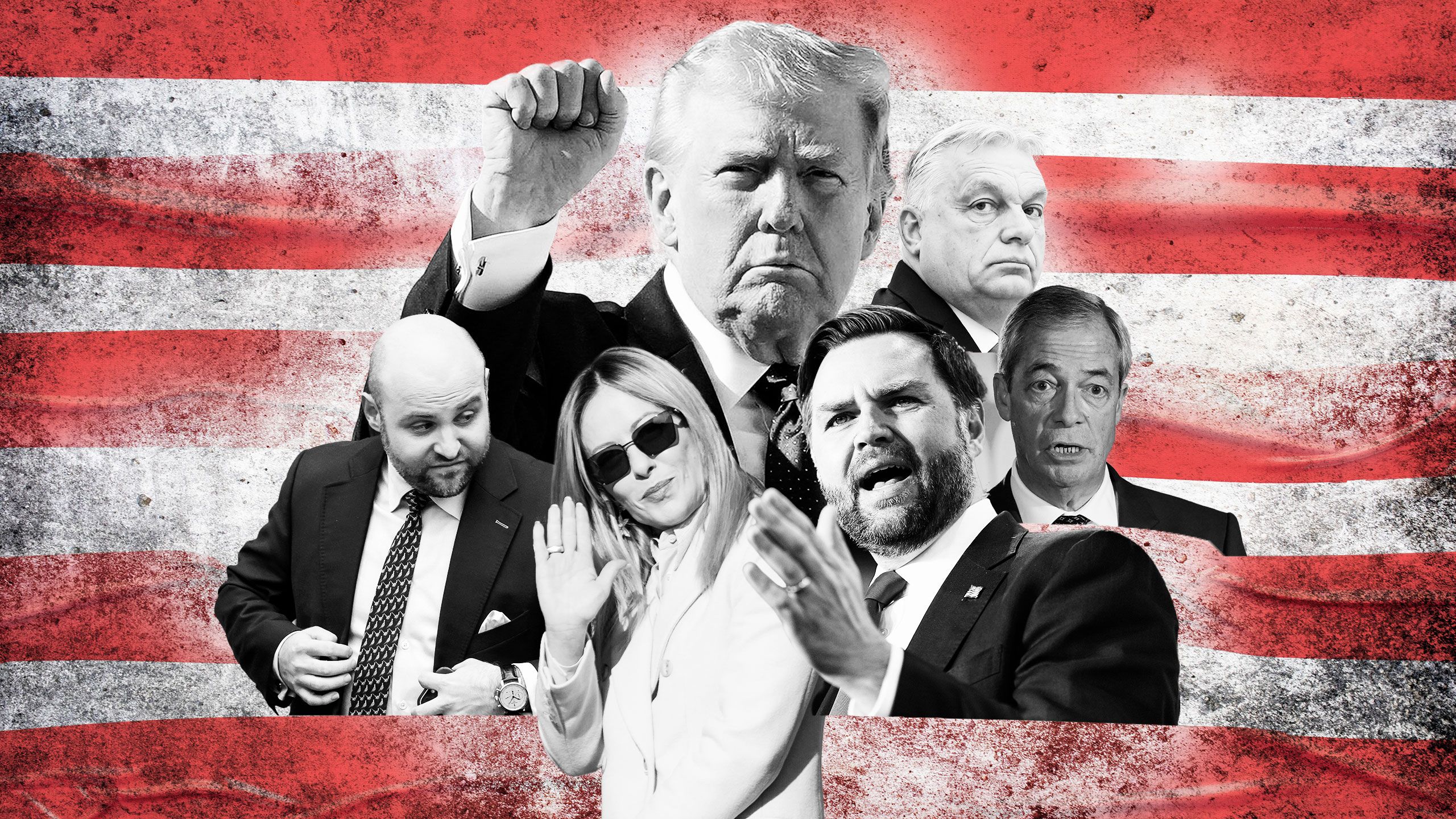
The interconnectedness of these populist movements is not a new phenomenon, but it has gained significant momentum in recent years. Fueled by shared grievances, a critical stance towards mainstream media, and a focus on national sovereignty, these groups have found common ground and strategies for mutual support. The image accompanying this article depicts several prominent figures associated with this global right-wing populist wave: U.S. President Donald Trump, Hungarian Prime Minister Viktor Orbán, AfD politician Markus Frohnmaier, Italian Prime Minister Giorgia Meloni, U.S. Vice President Vance, and Reform UK leader Nigel Farage. These individuals, representing diverse national contexts, underscore the transnational nature of this political ideology.
The Ideological Underpinnings of the Global Populist Movement
The rise of these populist movements is often attributed to a confluence of factors, including economic anxieties, concerns over immigration, and a perceived disconnect between political elites and ordinary citizens. These movements typically advocate for policies that prioritize national interests, often characterized by protectionist trade stances, stricter border controls, and a skeptical view of international cooperation and multilateral institutions.
Donald Trump’s "Make America Great Again" (MAGA) movement has served as a particularly potent catalyst and ideological touchstone for many of these groups. The MAGA slogan itself encapsulates a desire to return to a perceived idealized past, a common theme in populist rhetoric. The New York Young Republican Club, by expressing solidarity with the AfD, signals a direct link between the American populist base and European right-wing parties, suggesting a shared vision and a willingness to collaborate.
Viktor Orbán, the long-serving Prime Minister of Hungary, has positioned himself as a bulwark against what he describes as liberal overreach and mass immigration. His government’s policies on border security and national identity have resonated with many across Europe and beyond. Giorgia Meloni, leading the Brothers of Italy party, has also capitalized on concerns about national identity and immigration, achieving significant electoral success. Nigel Farage, a key figure in the Brexit campaign, has consistently championed a vision of national sovereignty and a rejection of what he views as excessive influence from Brussels.
Germany’s Role and the AfD’s International Connections
While the AfD’s electoral performance in Germany has varied, its growing influence, particularly among younger demographics, is undeniable. The party’s engagement with international populist networks, as evidenced by Frohnmaier’s interactions, suggests a strategic effort to broaden its appeal and legitimacy on the global stage. The mention of a meeting with a U.S. State Department official further indicates that these connections are not merely symbolic but involve engagement with established political structures.

The U.S. National Security Strategy, as referenced, provides a framework for understanding the Trump administration’s approach to foreign policy. Its emphasis on working with "patriotic European parties" suggests a deliberate strategy to support and amplify these movements, viewing them as potential allies in challenging the existing European political order. This approach could be interpreted as an attempt to weaken the European Union from within by bolstering parties that are often critical of its policies and institutions.
Data and Trends Supporting the Populist Surge
The rise of right-wing populism is not confined to a few prominent figures or parties. Data from various research institutions and electoral analyses indicate a broader trend. For instance, across many Western democracies, parties advocating for more restrictive immigration policies and a more nationalist outlook have seen significant gains in recent elections. Polls consistently show that concerns about national identity, economic security, and cultural change are key drivers of voter sentiment.

A report by the Pew Research Center in 2023 highlighted the increasing support for right-wing populist parties in several European countries, including Germany, France, and Italy. The report noted that these parties often tap into public dissatisfaction with established political parties and a desire for more decisive leadership. The demographic breakdown of support for these movements also reveals a significant appeal among certain age groups and socio-economic strata, with younger voters in some instances showing a greater receptiveness to populist narratives than in previous generations.
Implications and Future Trajectories
The interconnectedness of these global populist networks has several potential implications. Firstly, it can lead to a coordinated effort to influence international discourse and policy. By sharing strategies, messaging, and even financial resources, these groups can amplify their impact beyond their national borders. Secondly, it can embolden nationalist and protectionist sentiments, potentially leading to increased trade disputes, challenges to international agreements, and a general erosion of multilateral cooperation.

The strategic alignment between the Trump administration’s foreign policy objectives and the agenda of European populist parties suggests a potential shift in the global geopolitical landscape. The emphasis on national sovereignty and a skepticism towards established international alliances could lead to a reordering of global power dynamics.
The "cultivation of resistance against the current course of Europe" as stated in the U.S. National Security Strategy, implies a deliberate attempt to destabilize existing political structures and foster alternative alliances. This could manifest in increased support for parties that advocate for exiting international organizations or challenging existing trade agreements.

The involvement of figures like Giorgia Meloni and Viktor Orbán, who are already in positions of national leadership, further amplifies the potential impact of this ideological convergence. Their policies and rhetoric can have tangible effects on their respective countries and on the broader European Union.
The engagement of organizations like the New York Young Republican Club with European counterparts like the AfD demonstrates the grassroots enthusiasm and ideological cross-pollination that sustains these movements. This youth engagement is crucial for the long-term viability and evolution of populist politics.

The future trajectory of this global populist network remains a subject of ongoing analysis. However, the increasing sophistication of their communication strategies, their ability to leverage social media, and their consistent focus on core grievances suggest that these movements are likely to remain significant forces in national and international politics for the foreseeable future. Their ability to forge transnational alliances, as exemplified by the AfD’s connections, will be a key factor in shaping the global political discourse and the future of international relations. The narrative of a "global network of populists" is not merely an observation but a description of an evolving political reality that warrants close attention from policymakers, academics, and the public alike.
