

Five years removed from the unprecedented initial public offering (IPO) boom of 2021, the landscape of public markets has undergone a profound transformation, characterized by a significant decline in new listings and a growing preference among companies to remain private for extended periods. This shift reflects a complex interplay of macroeconomic forces, evolving investor preferences, and a reevaluation of the benefits and burdens associated with public ownership.
The stark contrast between the frenetic activity of 2021 and the subdued environment of 2026 is undeniable. The year 2021 witnessed a veritable cascade of companies making their public debuts, fueled by ample liquidity, historically low interest rates, and a surge in demand for high-growth tech and consumer-facing businesses accelerated by the pandemic. Data from leading exchanges paints a vivid picture of this exuberance: Nasdaq proudly announced it welcomed 743 IPOs that year, marking a record for the exchange, while the New York Stock Exchange (NYSE) reported adding over $1 trillion in new market capitalization, achieving its second consecutive year of record new listings.
Among the marquee names that graced the public stage in 2021 were industry titans and disruptors alike. Cryptocurrency exchange Coinbase opted for a direct listing, signaling a new era for digital assets. Gaming platform Roblox captivated investors with its metaverse ambitions, while electric vehicle innovator Rivian commanded a staggering valuation, becoming one of the largest IPOs of the year. Lifestyle brand Warby Parker also joined the ranks, reflecting the diverse appeal of the public markets at the time. Research from Morningstar indicated that companies going public in 2021 collectively raised an astounding nearly $500 billion, roughly doubling both the number of deals and the capital raised in 2020, a year itself marked by intense uncertainty and fluctuating consumer and investor confidence amidst the nascent stages of the global pandemic. This period was characterized by a bullish sentiment, where investors were eager to back innovative companies, often valuing growth potential over immediate profitability. Special Purpose Acquisition Companies (SPACs) also played a significant role, offering an alternative, often faster, route to public markets, further amplifying the listing spree.
The Cooling Climate of 2026: A Stark Contrast
Fast forward to 2026, and the IPO market presents a dramatically different picture. The fervor has subsided, replaced by caution and a more discerning approach from both companies and investors. While the year did see a blockbuster IPO from Elon Musk’s aerospace giant SpaceX in June, raising tens of billions and momentarily reigniting hopes, it proved to be an outlier rather than a trendsetter. Far fewer companies are now choosing to go public, and those that do often find themselves navigating a challenging environment, struggling to gain momentum in prevailing market conditions.
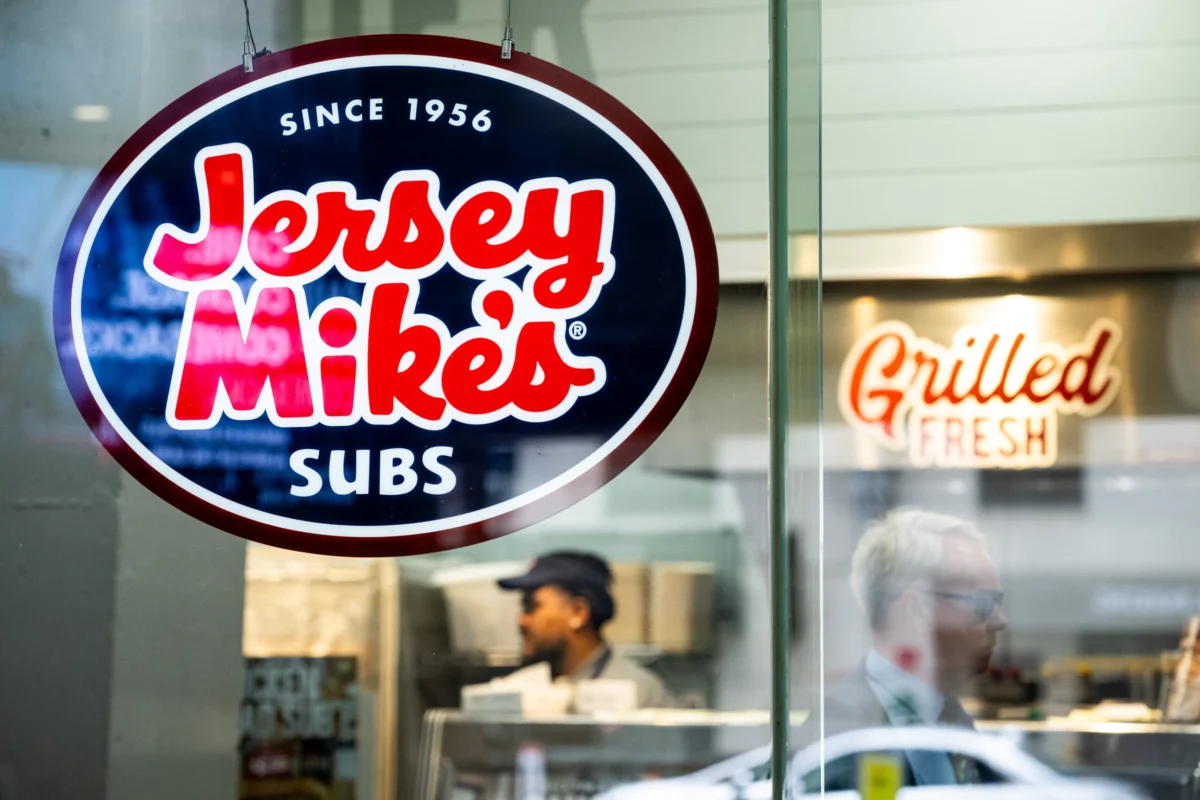
The recent public debuts of two consumer companies serve as a telling illustration of this prevailing sentiment. Sandwich chain Jersey Mike’s (JMKE) and clothing retailer Reformation (REF) both went public on Thursday, July 30, 2026. Their market introductions were largely uneventful, underscoring the shift in investor appetite. Reformation remained essentially flat for its debut day, indicating a lack of significant immediate investor enthusiasm. Jersey Mike’s faced a tougher reception, opening $2 below its initial IPO pricing and closing the day down nearly 6%. These tepid performances are a far cry from the first-day pops commonly seen during the 2021 boom. According to data compiled by Renaissance Capital, these companies join just a handful of other consumer-focused businesses that have ventured into the public sphere in 2026, collectively representing a minuscule fraction of the overall IPO activity compared to prior years. The subdued reception for established brands like Jersey Mike’s, known for its consistent growth and strong customer base, highlights the heightened scrutiny and conservative valuations now applied by public market investors.
Why Companies Are Opting for Privacy: A Multifaceted Analysis
Experts point to a confluence of factors contributing to this pronounced pivot towards extended private ownership, fundamentally altering the traditional trajectory of corporate growth and liquidity. The decision to forgo or significantly delay an IPO is no longer merely a strategic choice but often a reflection of market realities and evolving capital access.
One of the primary drivers is the profound change in the availability and nature of private capital. "There’s under 4,000 public companies today, whereas 30 years ago, there was just under 8,000," observed Mike Dinsdale, CEO of Powerlaw, a publicly listed fund that strategically invests in private companies. "The reason for that, I think, is access to capital, and then the idea that staying private and not having any transparency into what’s happening, and then higher valuations on the public side." Dinsdale, who previously held executive positions at DoorDash and DocuSign, elaborates that the burgeoning depth of capital and liquidity in nonpublic markets, coupled with the emergence of colossal megafunds, has effectively eliminated "the need out to rush to go public." These megafunds, often backed by institutional investors, sovereign wealth funds, and pension funds, can deploy billions into private companies, providing them with substantial runways for growth without the immediate pressure of public market scrutiny.
This trend, Dinsdale notes, has been developing over the past three decades but has seen a significant acceleration in the last five years, largely fueled by a surging interest from family offices. The private investment vehicles of the ultra-wealthy are increasingly seeking new avenues for capital deployment, finding attractive opportunities and potentially higher returns in the less volatile and often less correlated private markets. This influx of diverse private capital sources has created a robust ecosystem where companies can raise successive rounds of funding, sometimes reaching valuations comparable to mid-cap public companies, all while retaining greater control and operational flexibility.
The rise of secondary markets has further fortified the private ecosystem. Sunaina Sinha Haldea, Global Head of Private Capital Advisory at Raymond James, likens the secondary market to a "pressure release valve" that defuses the "artificial clock of having to go public." She asserts, "Nobody has to go public now because of the depth of this private secondaries market." These markets allow early investors, employees, and even founders to sell their stakes in private companies to other private investors, providing much-needed liquidity without necessitating a full public offering. This mechanism extends the period companies can remain private, allowing them to mature, refine their business models, and achieve greater scale before considering an IPO.
Venture capital, too, has experienced a booming period, further contributing to the trend. Jason Yeh, co-founder of Patron, a venture capital firm specializing in consumer companies, highlighted that the inherent volatility in public markets, coupled with the often-stagnant performance of public consumer and retail companies in recent years, has likely amplified the hesitation to transition from the private sphere. "There are very large asset managers, hedge funds and other types of investors that want to buy these later-stage stakes in these large companies, and they’re able to push out having to go public longer, and you can get liquidity for earlier stage investors through that," Yeh explained. This dynamic means that companies can continue to access significant capital at late stages of their private growth, effectively deferring the complexities and risks of an IPO. His firm, Patron, has partnered with a number of consumer companies such as Sweatpals, Board, and System Labs, underscoring the continued vigor of private investment in the consumer sector.
The Burden of Public Scrutiny and Regulation
Beyond capital access, the operational and regulatory burdens of being a public company represent a significant deterrent. The demands of quarterly earnings reports, in particular, are frequently cited as a major disincentive. "In general, founders don’t want to go public, the majority don’t, because all of a sudden they have more visibility into what they’re doing," Powerlaw’s Dinsdale told CNBC. "The public now has access to numbers and it has opinions on what they’re doing versus being more in control." This loss of control and increased public scrutiny can divert management attention from long-term strategic initiatives to short-term performance metrics designed to appease Wall Street.
Sinha Haldea echoes this sentiment, characterizing the extensive regulation that accompanies public listing as a significant "headwind." "If you are a CEO of a fast-growing company and there’s plenty of capital available, and you don’t have to deal with the governance and the reporting structures and the quarterly clock of being a public company, why would you put yourself through that?" she questioned. The process of going public involves substantial financial costs, including underwriting fees, legal expenses, and ongoing compliance expenditures. Furthermore, it demands significant resource allocation, with management teams dedicating considerable time and effort to investor relations, regulatory filings, and corporate governance. This "operational burden of being public," as Sinha Haldea terms it, represents both a financial and an opportunity cost that many private companies, with readily available private capital, are increasingly unwilling to bear.
A Timeline of Shifting Tides
- 2020: Despite initial pandemic-induced market shock, government stimulus and digital acceleration lay groundwork for a subsequent boom.
- 2021: Record-breaking IPO year driven by low interest rates, abundant liquidity, tech frenzy, and SPACs. Companies like Coinbase, Roblox, Rivian, and Warby Parker make high-profile debuts.
- 2022-2023: Global economic headwinds intensify. Rising inflation prompts central banks to hike interest rates, leading to a broad market correction. The IPO window largely shuts as investor sentiment turns cautious.
- 2024-2025: Continued market volatility and geopolitical uncertainty keep IPO activity subdued. Private markets remain robust, with mega-rounds of funding for established private companies becoming more common. Discussions about regulatory reforms to encourage public listings begin to emerge.
- September 2025: Former President Donald Trump publicly advocates for an end to mandatory quarterly earnings reports, suggesting companies should only report twice a year to reduce short-term pressure.
- May 2026: The Securities and Exchange Commission (SEC) signals its openness to ending mandatory quarterly earnings reports, aligning with Trump’s earlier suggestion. SEC Chairman Paul Atkins states that current rules impose too much "rigidity" on companies and investors.
- June 2026: SpaceX (SPCX), led by Elon Musk, executes a highly anticipated and successful IPO, providing a rare highlight in an otherwise quiet year for public listings. The offering raises tens of billions, demonstrating that exceptional companies can still command significant public market interest.
- July 30, 2026: Consumer companies Jersey Mike’s (JMKE) and Reformation (REF) go public with largely uneventful debuts, underscoring the prevailing cautious investor sentiment and the challenges faced by many companies entering the public market.
The Allure of the Public Arena (Despite Challenges)
Despite the compelling reasons to remain private, the public markets still hold undeniable attractions for certain companies and under specific conditions. An IPO can be a transformative moneymaking move, as evidenced by SpaceX’s ability to raise tens of billions of dollars, providing significant capital for ambitious expansion plans and offering liquidity to long-term investors.
"I do think for companies with a really strong business model of generating a lot of cash flow, eventually they will go public," Jason Yeh commented, emphasizing that timing is crucial. "Hopefully, the overall macroeconomic conditions are better when that happens, versus doing it into a weaker market." Beyond capital infusion, going public can enhance a company’s brand visibility, provide a publicly traded currency for future mergers and acquisitions, and offer attractive stock-based compensation packages to recruit and retain top talent. For companies that have reached a mature stage, with predictable revenues and clear growth trajectories, the public market can still offer a logical next step for expansion and value creation. The transparency and regulatory oversight associated with public status can also build greater trust with customers and partners, although this comes at a cost.
Regulatory Landscape and Future Outlook
The current environment has spurred discussions about potential regulatory reforms aimed at revitalizing the IPO market. Powerlaw’s Dinsdale believes that making the IPO market attractive again requires both "the carrot and the stick." This would entail instituting regulatory legislative changes to incentivize going public, while perhaps also making it harder to remain private indefinitely.
A significant "carrot" could be the proposed shift from mandatory quarterly earnings reports to semi-annual reporting. This idea, floated by former President Donald Trump in September 2025, gained traction when the Securities and Exchange Commission (SEC) signaled its support in May 2026. SEC Chairman Paul Atkins highlighted that the existing rules imposed too much "rigidity" on companies and investors. This change could significantly alleviate the pressure on public company management teams, allowing them to focus on long-term strategy rather than short-term financial performance. However, such a move could also be met with concerns from retail investors and analysts who rely on frequent disclosures for informed decision-making.
Sinha Haldea firmly believes that the "operational burden of being public" must change for the private-public decision to become more neutral. She elaborated, "There is a lot of reporting compliance, litigation, dilution of management time that goes into being a public company. That equation needs to change through regulation for the decision between private and public to become more neutral." Reducing these administrative and compliance hurdles could level the playing field, making public listing a more palatable option for growing companies.
Looking ahead, while Yeh expressed cautious optimism that a "handful of companies that, theoretically, on paper, should have been able to go public over the last couple of years" might do so in the next 12 to 18 months, the broader sentiment suggests that the era of easy IPOs is unlikely to return soon. The milestones for companies are being redefined, and IPOs no longer hold the singular weight they once did as the ultimate validation of success. For a significant resurgence in public listings, a combination of improved macroeconomic conditions, sustained market stability, and meaningful regulatory reforms will likely be necessary.
Broader Economic and Investment Implications
The prolonged trend of companies staying private has far-reaching implications for the broader economy and investment landscape. For retail investors, it means fewer opportunities to invest in high-growth companies at their earlier, more dynamic stages. Wealth creation, particularly from fast-growing, innovative businesses, is increasingly concentrated in private markets, primarily accessible to institutional investors, venture capitalists, and the ultra-wealthy. This contributes to a growing divide, where the public market offers a diminishing pool of high-growth potential, leaving retail investors with a more mature, and potentially slower-growing, set of public companies.
The dominance of private equity and venture capital firms in funding late-stage companies is likely to continue, reshaping the traditional capital markets. While these private markets offer flexibility, they inherently lack the transparency and robust regulatory oversight of public exchanges. This could lead to concerns about market efficiency and price discovery, as a significant portion of economic innovation and growth occurs behind closed doors. The shift also highlights a potential "two-tiered" market system, where private valuations may diverge significantly from what public markets are willing to bear, creating a complex exit environment for private investors. Ultimately, the question of "why" a company should go public is no longer a simple one, demanding a comprehensive evaluation of costs, benefits, and market conditions that differs significantly from the bullish outlook of just five years ago.
