

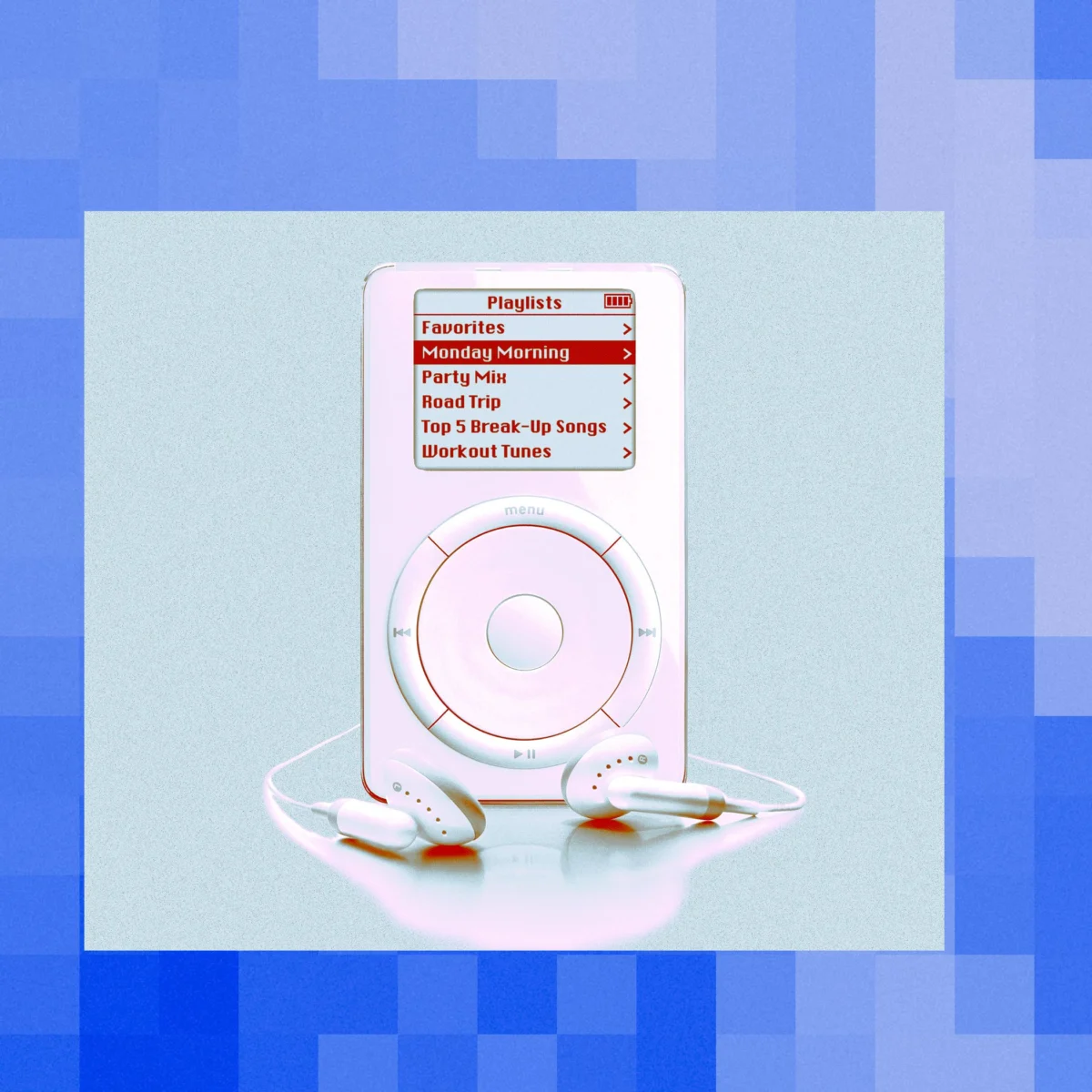
Twenty-five years ago this October, amidst a nation grappling with the profound aftermath of the September 11th attacks, a seismic shift in personal technology was quietly initiated. On October 23rd, 2001, a device was unveiled that would not only redefine how millions experienced music but would also lay the critical groundwork for the ubiquitous smartphones that dominate our lives today. The birth of the iPod, as recalled by Steven Levy, then a journalist at Newsweek, was a moment of stark contrast to the prevailing national mood, yet its impact would prove indelible. Delivered personally to journalists in New York and heralded by Apple co-founder Steve Jobs as a "landmark product," the iPod’s journey from a revolutionary gadget to a nostalgic icon is a testament to innovation, evolving consumer habits, and the relentless march of technological progress.
The initial unveiling of the iPod was a bold declaration of intent from a company that, while respected for its personal computers, was yet to achieve the global consumer electronics dominance it enjoys today. Jobs, in his characteristic flair, famously pulled the first iPod from his jeans pocket, boasting its capacity to hold "1,000 songs in your pocket." This was a staggering proposition in an era where portable music players typically held only a handful of CDs or a limited selection of MP3s. The device’s sleek design, intuitive click wheel interface, and seamless integration with iTunes – Apple’s burgeoning digital music store – quickly set it apart.
The Rise of "iPod Nation": A Cultural Phenomenon
By 2004, the iPod’s influence had transcended mere technological novelty, evolving into a cultural phenomenon that Levy himself chronicled in a Newsweek cover story titled "iPod Nation." This era marked the iPod’s ascent to an aspirational status symbol, a device that not only facilitated personal entertainment but also signaled a certain demographic and technological savviness. The accompanying book, The Perfect Thing, further cemented the iPod’s place in the popular imagination as a paragon of single-purpose device perfection.
The iPod’s success was not a static event; it was a narrative of continuous innovation and adaptation. Apple, under Jobs’s visionary leadership, understood the importance of iteration. The iPod underwent a series of significant redesigns and expansions of its product line, each aimed at capturing a broader market and reinforcing its desirability.
A Timeline of iPod Evolution:
- October 23, 2001: The original iPod is launched, featuring a 1.8-inch hard drive with a 5GB capacity and a 10-hour battery life. It was priced at $399.
- January 2004: The iPod Mini is introduced, offering a more compact design and 4GB of storage, priced at $249. This marked Apple’s first foray into smaller, more portable form factors for the iPod.
- January 2005: The iPod Shuffle is released, a screenless, ultra-portable device designed to be clipped onto clothing, focusing on random playback. It was a radical departure, emphasizing pure music playback without visual cues.
- January 2007: The iPod Touch is unveiled, essentially an iPhone without cellular capabilities, featuring a touchscreen interface and Wi-Fi connectivity. This device began to blur the lines between a dedicated music player and a more versatile portable device.
- September 2007: The iPod Nano, which had debuted in 2005 as a smaller replacement for the iPod Mini, receives a significant redesign with a larger screen and a video playback capability, further expanding its functionality.
- 2014: Apple quietly discontinues the iPod Classic, the last model to feature the iconic click wheel and a large hard drive, signaling a shift away from the original iPod paradigm.
- July 27, 2017: The iPod Nano and iPod Shuffle are discontinued, leaving the iPod Touch as the sole remaining model in the iPod lineup.
- May 10, 2022: Apple officially discontinues the iPod Touch, marking the end of an era for the dedicated portable music player.
This relentless cycle of redesign and reinvention, characterized by different sizes, shapes, and functionalities – from the colorful iPod Nanos to the postage-stamp-sized iPod Shuffles – kept the iPod fresh and desirable for years. While smartphones have also seen regular updates, the fun and surprise of a complete product reshaping, as experienced with the iPod, has been less pronounced.
The Seeds of Obsolescence: The iPhone’s Shadow
The eventual demise of the iPod was, in hindsight, a predictable consequence of a pivotal announcement made by Steve Jobs on January 11, 2007. On that day, Jobs unveiled not one, but three groundbreaking products: a widescreen iPod with touch controls, a revolutionary mobile phone, and a breakthrough internet communications device. He then revealed that these three devices were one: the iPhone.
The iPhone, with its integrated functionality, effectively subsumed the iPod’s primary role. While Apple continued to sell millions of iPods in the years following the iPhone’s launch, the dedicated music player was undeniably living on borrowed time. The iPhone represented a paradigm shift, a convergence of technologies that offered a far more expansive user experience. It was a device that could play music, browse the internet, make calls, send messages, and run applications, all within a single, elegant package.
The "Perfect Thing" vs. The "Galactic Impact"
The author’s assertion that the iPod was "The Perfect Thing" hinges on its singular focus and flawless execution of that purpose. It was a device that, for many, brought unadulterated joy. In contrast, our relationships with modern smartphones, while undeniably more impactful and financially significant, are often more complex and fraught. The same device that provides access to endless entertainment and information can also be a source of distraction, anxiety, and even addiction.
The iPhone, the successor that rendered the iPod obsolete, is the engine of a multi-trillion dollar company and arguably the most influential product of the 21st century. Its impact on global commerce, communication, and culture is immeasurable. However, its multifaceted nature also brings challenges. The constant barrage of notifications, the addictive nature of social media, and the potential for distraction have led to documented negative consequences, including decreased attention spans and increased rates of mental health issues. The iPod, in its blissful simplicity, offered an escape from this interconnected complexity, providing a dedicated space for music without the demands of the digital world.
An Echo in the Digital Void: The iPod’s Enduring Legacy
The discontinuation of the iPod Touch in May 2022 marked the official end of the line for Apple’s iconic music player. However, the sentiment surrounding its passing suggests that its legacy extends far beyond its sales figures. In a conversation with Tony Fadell, often referred to as the "father of the iPod," it becomes clear that the device’s impact is viewed with a deep sense of appreciation for what it represented and what it enabled.
Fadell, who led the iPod’s hardware team and was instrumental in its development, acknowledges that even during the iPod’s heyday, Apple executives recognized its eventual obsolescence in the face of the iPhone. "The discussion was about Apple [not] doing lower-value things," Fadell recalled, referencing the strategic prioritization that guided Apple’s product development. Yet, he also agrees that the iPod’s disappearance has left a void.
The key to the iPod’s unique appeal, Fadell suggests, lies in what it didn’t do: connect to the internet. This lack of connectivity meant that the iPod was a sanctuary for music, free from the incessant demands of online life. "Because the iPod wasn’t connected, you didn’t have all these other things going on to distract you," he explained. "Today, you get all the annoyance of being connected without being able to get the same listening experience. You can always be distracted and go somewhere else." This sentiment resonates deeply with many who miss the pure, uninterrupted immersion in music that the iPod provided.
The enduring affection for the iPod is evident in the vibrant online communities dedicated to its preservation and enhancement. Enthusiasts on platforms like Facebook and Reddit actively modify old iPods, upgrading flash drives and adding Bluetooth capabilities. Furthermore, applications exist that allow iPhone users to replicate the iPod Classic’s interface, offering a nostalgic glimpse into a bygone era of music consumption. However, even with these digital echoes, the fundamental difference remains: the iPhone, with its constant connectivity, is always just a swipe away from the distractions that the original iPod so effectively shielded users from.
Fadell’s perspective on the iPod’s legacy is profound. He doesn’t just see it as a successful music player; he views it as the pivotal product that enabled the Apple of today. "The iPhone never would have existed without it," he stated. "That means that the Apple we know of would never have existed without the iPod." The iPod transformed Apple from a computer company with a niche following into a global consumer electronics powerhouse, laying the financial and innovative foundation for subsequent ventures like the iPad and, of course, the iPhone.
For many, the iPod represents more than just a stepping stone in Apple’s history. It evokes a sense of simpler times, a period when technology served a distinct purpose without overwhelming our lives. The author’s personal rediscovery of his iPod Classic, connecting it to an old boombox, highlights this enduring appeal – the desire to recapture a moment of pure musical bliss, unburdened by the complexities of the modern digital landscape.
While current Apple leadership has no immediate incentive to revive the dedicated music player, the lingering sentiment suggests a missed opportunity to cater to a generation that may not fully grasp the unique joy of a device solely dedicated to music. As Fadell poignantly observes, a generation is growing up without experiencing the distinct pleasure of a dedicated music device that never interrupts a melody with calls, texts, or notifications. They are, perhaps, missing out on a uniquely fulfilling aspect of digital engagement. The iPod’s story is not just about a product; it’s about a cultural shift, a testament to the power of focused innovation, and a poignant reminder of the trade-offs we’ve made in our pursuit of hyper-connectivity.
