

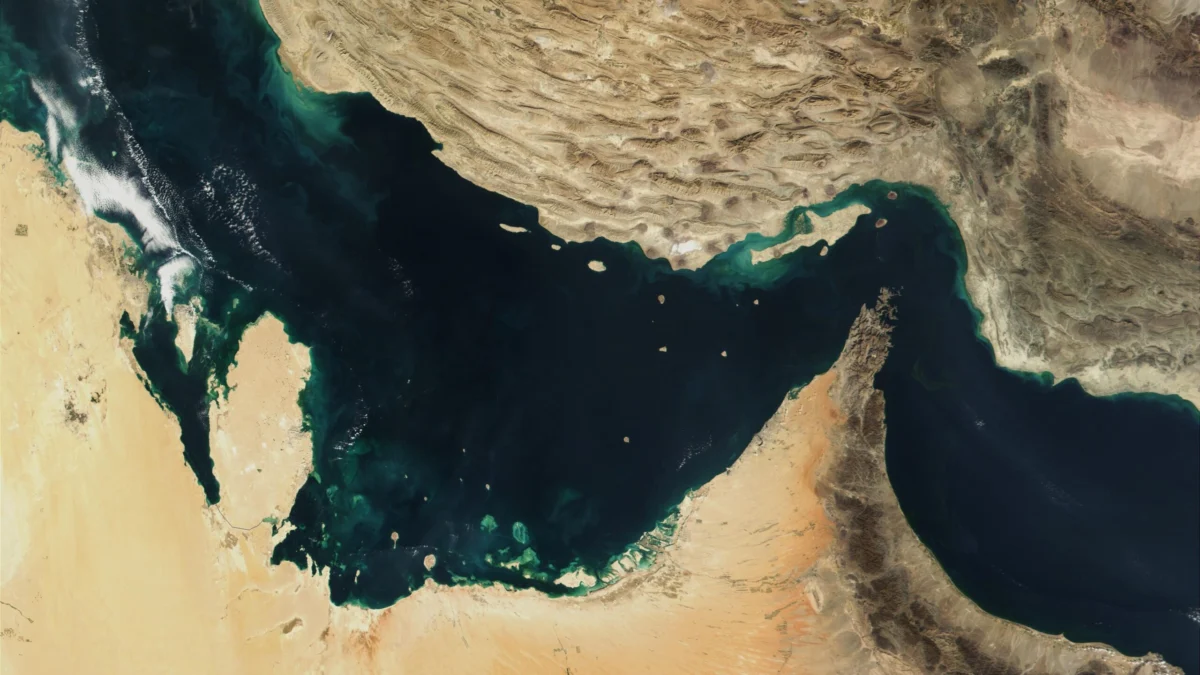
A merchant vessel traversing the strategically vital Strait of Hormuz has reportedly been struck by an unidentified projectile, igniting a fire and raising fresh concerns about maritime security in the already volatile region. The incident, which occurred on Thursday, was reported by the UK Maritime Trade Operations (UKMTO), an agency affiliated with the British Navy. While the UKMTO confirmed the strike and the subsequent fire, which has since been extinguished, details regarding the specific vessel, its cargo, and the origin of the projectile remain scarce. The crew is reported to be safe, and the vessel is continuing its journey.
This latest attack underscores the persistent dangers faced by shipping in the Strait of Hormuz, a narrow waterway that serves as a crucial chokepoint for global oil supplies. The region has been a focal point of geopolitical tensions, with various actors involved in a complex web of regional rivalries and international disputes.

Background and Context
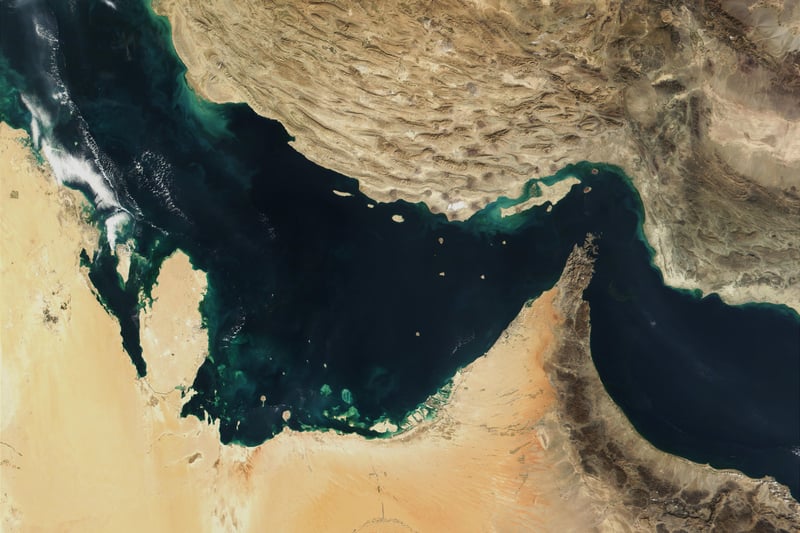
The Strait of Hormuz, a 21-mile-wide waterway separating Iran from Oman, is one of the world’s most critical maritime passages. An estimated 30% of the world’s seaborne crude oil passes through this narrow channel, making any disruption to shipping traffic a matter of significant global economic concern. Tensions in the Persian Gulf have been escalating for years, fueled by a variety of factors including Iran’s nuclear program, sanctions imposed by the United States and its allies, and regional proxy conflicts.
In recent years, the Strait of Hormuz has been the scene of several incidents involving oil tankers and commercial vessels. These have included alleged mine attacks, seizures of ships, and naval confrontations. Iran has often been accused of being behind such incidents, which it typically denies, while the United States and its allies have frequently condemned Iran’s actions, citing them as attempts to disrupt global trade and exert regional influence.
The current geopolitical climate, marked by ongoing diplomatic efforts and military posturing, creates a volatile environment where even isolated incidents can have far-reaching implications. The specific targeting of a tanker in this sensitive strait is therefore a significant development that warrants close attention.
Chronology of Recent Maritime Incidents in the Region
The incident involving the tanker in the Strait of Hormuz is not an isolated event. It follows a pattern of maritime disruptions in the Persian Gulf and the surrounding waters:
- May 2019: Several commercial vessels, including oil tankers, were damaged by alleged limpet mines off the coast of the United Arab Emirates near Fujairah. The U.S. blamed Iran for the attacks, a charge Tehran denied.
- June 2019: Two oil tankers, one Norwegian and one Liberian, were attacked in the Gulf of Oman, a waterway adjacent to the Strait of Hormuz. The U.S. again pointed to Iran, releasing imagery it claimed showed Iranian forces removing an unexploded mine from one of the vessels. Iran denied involvement.
- July 2019: Iran’s Islamic Revolutionary Guard Corps (IRGC) seized a British-flagged oil tanker, the Stena Impero, in the Strait of Hormuz. This seizure came just weeks after British forces intercepted an Iranian supertanker off Gibraltar, suspected of violating EU sanctions by attempting to deliver oil to Syria.
- August 2019: A Panamanian-flagged oil tanker was reportedly attacked in the Red Sea, though details were initially unclear.
- January 2020: A tanker managed by a South Korean company was seized by Iran in the Persian Gulf. The vessel was later released.
- July 2021: The oil tanker Mercer Street, managed by an Israeli-owned company, was attacked by a drone off the coast of Oman, killing two crew members. The U.S., UK, and Israel blamed Iran for the attack.
- August 2021: A drone attack on the oil tanker Asphalt Princess in the Gulf of Oman led to an explosion and reports of crew injuries.
These incidents highlight a recurring pattern of maritime insecurity in a vital global trade route, with Iran frequently implicated in or accused of involvement.
Official Responses and Statements
As of the latest reports, official statements regarding the specific tanker incident are limited, primarily coming from the UKMTO. The lack of immediate claims of responsibility from any group or nation is notable. However, the geopolitical context suggests that several parties will be closely monitoring the situation and likely to issue statements or take action depending on further developments.

- Iran: Iran has consistently denied involvement in many of the previous attacks on shipping in the Strait of Hormuz and the Persian Gulf. However, it has also warned that it could disrupt oil shipments through the strait if its own oil exports are further restricted. The country has a vested interest in maintaining freedom of navigation for its own trade while also wielding the threat of disruption as a strategic tool.
- United States: The U.S. has a significant military presence in the region and has repeatedly stated its commitment to ensuring freedom of navigation in the Strait of Hormuz. Washington has often attributed such attacks to Iran and has used them as justification for increased sanctions and military readiness. A statement from U.S. Central Command (CENTCOM) would be expected if the situation escalates or if evidence points towards Iranian involvement.
- Regional Powers: Saudi Arabia, the UAE, and other Gulf nations are highly dependent on the secure passage of oil through the Strait of Hormuz. They are likely to express concern and may engage in diplomatic efforts to de-escalate tensions.
- International Shipping Organizations: Bodies such as the International Maritime Organization (IMO) and industry groups will be monitoring the situation closely, assessing the risk to commercial shipping and potentially issuing advisories to mariners.
Broader Impact and Implications
The repeated targeting of vessels in the Strait of Hormuz has several significant implications:
- Economic Impact: Any sustained disruption or threat to shipping in the Strait of Hormuz can lead to significant increases in global oil prices. This, in turn, can fuel inflation, impact economic growth, and destabilize financial markets worldwide. The cost of insurance for vessels transiting the region may also rise, further increasing the operational expenses for shipping companies.
- Geopolitical Tensions: These incidents serve to heighten already strained geopolitical tensions between Iran and the U.S., as well as Iran and its regional adversaries. They can lead to increased military deployments, more stringent sanctions, and a greater risk of miscalculation or escalation into direct conflict.
- Maritime Security: The continued attacks raise serious questions about the effectiveness of existing maritime security measures in the region. It puts pressure on international navies and security forces to provide greater protection for commercial shipping.
- Freedom of Navigation: The fundamental principle of freedom of navigation is at stake. If commercial vessels cannot safely traverse one of the world’s most critical waterways, it has profound implications for global trade and the interconnectedness of the world economy.
The fact that the UKMTO received the report from "another source" rather than directly from the vessel could indicate a reluctance or inability of the ship’s operators to immediately report the incident, potentially due to concerns for their safety or operational protocols. This ambiguity adds another layer of complexity to the situation.

Analysis of Potential Motives
While no group has claimed responsibility, the recurring nature of these attacks and the strategic importance of the Strait of Hormuz suggest several potential motives:
- Deterrence and Coercion: Iran may be using these attacks to signal its ability to disrupt global oil supplies, thereby attempting to deter further international pressure, sanctions, or military action against it. It could be a tactic to coerce adversaries into modifying their policies.
- Retaliation: Such incidents could be retaliatory measures in response to specific actions taken against Iran, such as the seizure of its oil tankers or alleged sabotage of its nuclear facilities.
- Regional Power Play: The attacks could be part of a broader strategy by Iran to assert its regional dominance and challenge the influence of the United States and its allies in the Persian Gulf.
- Internal Politics: In some instances, such actions could be aimed at bolstering domestic support for the government or distracting from internal economic or political challenges.
The timing of the incident, occurring amidst ongoing diplomatic efforts and heightened global awareness of the region’s instability, suggests a deliberate attempt to influence broader geopolitical dynamics. The ongoing conflict in the region, including reports of explosions in Yemen’s capital Sanaa and the ongoing situation in the Gaza Strip, are part of a larger complex of regional instability that often spills over into maritime incidents.

Looking Ahead
The immediate focus will be on gathering more concrete information about the attack, including the identity of the vessel, its flag state, its cargo, and any evidence that could point to the perpetrator. International maritime authorities and naval forces in the region will likely increase surveillance and patrols. Diplomatic channels will be crucial in managing the fallout from this incident and preventing further escalation. The global economy remains particularly vulnerable to any disruption in the Strait of Hormuz, making a swift and clear resolution of this incident a priority for international stability. The incident serves as a stark reminder of the fragile security of global energy supply chains and the persistent geopolitical fault lines in the Middle East.
