

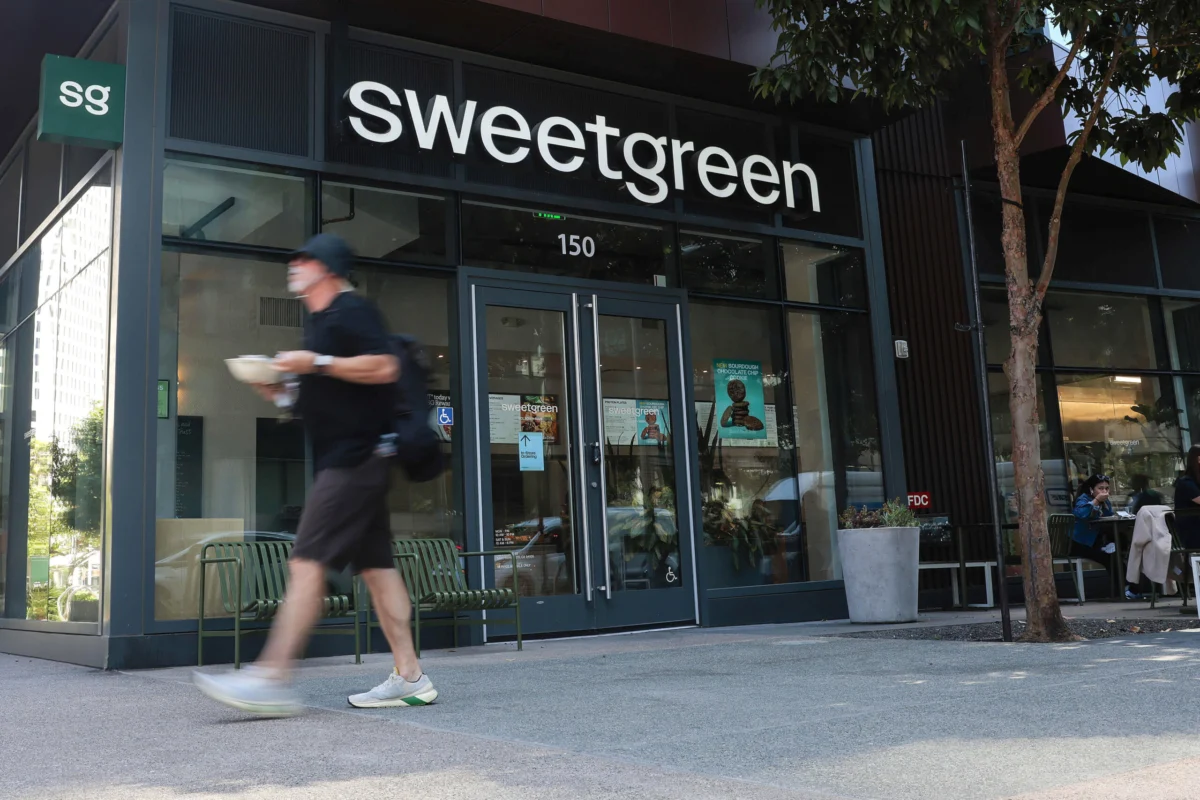
Sweetgreen, the prominent fast-casual salad chain, on Thursday significantly cut its full-year financial outlook, projecting steeper same-store sales declines as a direct consequence of widespread consumer apprehension regarding fresh produce during the ongoing cyclospora outbreak. This revised forecast sent shares of the company tumbling by more than 15% in extended trading, underscoring the severe economic ripple effects of public health crises on the food service industry, even for businesses not directly implicated in the contamination. The company’s announcement highlights a challenging period for the fresh food sector, grappling with a crisis of consumer confidence that threatens to reshape dietary habits and supply chain practices.
The Cyclospora Crisis: A National Health Concern
The cyclospora outbreak, which has been escalating since mid-July, has become a significant public health concern across the United States. According to the latest data from the Centers for Disease Control and Prevention (CDC), the waterborne parasitic illness has sickened at least 10,000 individuals nationwide and tragically led to two fatalities. This marks one of the most extensive cyclosporiasis outbreaks in recent memory, prompting urgent investigations and public health warnings.
Cyclospora cayetanensis is a microscopic parasite that can cause cyclosporiasis, an intestinal infection characterized by watery diarrhea, loss of appetite, weight loss, abdominal cramps, bloating, nausea, and prolonged fatigue. Symptoms typically appear about a week after consuming contaminated food or water and can last for weeks or even months if untreated. The parasite is not spread directly from person to person but through consumption of contaminated food or water, often linked to imported fresh produce where sanitation practices may be compromised.
The Food and Drug Administration (FDA) has identified iceberg lettuce supplied by a Taylor Farms facility in central Mexico as the most probable source of the contamination. Following this identification, contaminated products were promptly recalled from retailers and food service distributors across 27 states, an unprecedented logistical challenge given the perishable nature of fresh greens. While numerous food establishments have inadvertently received and served the contaminated lettuce, only Yum Brands’ Taco Bell has been publicly identified as a nationwide restaurant chain directly linked to serving affected products, though their sales are reportedly already beginning to rebound due to swift action and a diversified menu offering cooked items.
Sweetgreen’s Financial Repercussions and Market Response
Sweetgreen’s updated financial projections paint a stark picture of the outbreak’s impact on its bottom line. For the fiscal year 2026, the company now anticipates its annual same-store sales to shrink by a significant 7% to 8%. This represents a drastic downgrade from its previous forecast, which had optimistically projected declines of just 2% to 4%. This revision reflects a deeper and more prolonged slump in consumer demand than initially anticipated.
Further compounding its financial woes, Sweetgreen is also expecting to report an adjusted loss before interest, taxes, depreciation, and amortization (EBITDA) in the range of $27 million to $23 million. This stands in sharp contrast to its prior forecast, which had predicted positive adjusted EBITDA earnings of $1 million to $6 million. The swing from projected profitability to a substantial loss underscores the severity of the market disruption.
In a statement accompanying the revised outlook, Sweetgreen explicitly acknowledged the root cause of its revised figures: "The Company’s updated outlook reflects reduced consumer demand for fresh prepared foods due to the multistate outbreak of cyclosporiasis since mid-July. The pace and timing of recovery remain uncertain." This candid assessment highlights the unpredictable nature of consumer behavior in the face of widespread food safety concerns. The market responded immediately and negatively to the news, with Sweetgreen’s stock price plummeting by over 15% in after-hours trading, wiping out millions in market capitalization and reflecting investor anxiety about the company’s immediate future and the broader fresh produce sector.
The revised guidance was announced in conjunction with the release of Sweetgreen’s second-quarter results, which also fell short of Wall Street’s expectations. The company reported a steeper quarterly loss than analysts had anticipated, and its revenue figures missed consensus estimates, providing further evidence of a challenging operational environment even before the full brunt of the cyclospora outbreak’s impact was felt.
Broader Industry Tremors: Beyond Sweetgreen
The cyclospora outbreak’s chilling effect on consumer behavior has not been confined to Sweetgreen alone. Across the fast-casual and health-focused dining sectors, businesses are feeling the pinch, even those with no direct link to the contaminated Taylor Farms produce. This phenomenon illustrates the pervasive nature of food safety fears, where general mistrust can broadly impact an entire category of food.
Chipotle Mexican Grill, a dominant player in the fast-casual space known for its fresh ingredients, reported in late July that cyclospora fears had approximately a 2 percentage point impact on its sales during the second half of July. While less severe than Sweetgreen’s projected declines, this still represents a significant hit for a company of Chipotle’s scale, demonstrating how quickly widespread health concerns can translate into tangible financial losses for even well-established brands.
Perhaps the most dramatic casualty outside of direct contamination has been Salad and Go. The already struggling chain, which operates on a high-volume, low-price model for salads, filed for Chapter 11 bankruptcy protection just two days prior to Sweetgreen’s announcement. In its filing, Salad and Go explicitly stated that "consumer mistrust stemming from the cyclospora outbreak exacerbated its ongoing business challenges," pushing it past a critical threshold. This underscores how a systemic crisis can disproportionately impact vulnerable businesses, turning existing headwinds into insurmountable obstacles.
The contrasting experience of Yum Brands’ Taco Bell offers an interesting counterpoint. Despite being the only nationwide chain directly implicated in the outbreak through its use of Taylor Farms iceberg lettuce, Taco Bell has reportedly seen its sales begin to bounce back. This swift recovery is likely attributable to several factors: Taco Bell’s menu largely features cooked items, which consumers perceive as safer; the company’s rapid and transparent response to the recall; and possibly a less direct association with "fresh greens" in the minds of its core customer base compared to dedicated salad chains.
Timeline of Crisis and Corporate Responses
The cyclospora outbreak unfolded rapidly, triggering a cascade of public health responses and corporate adjustments:
- Early July 2026: State health departments in several regions begin reporting an unusual cluster of cyclosporiasis cases. Initial investigations struggle to identify a common source due to varied consumption patterns.
- Mid-July 2026: The CDC and FDA escalate their joint investigation, deploying epidemiologists and food safety experts. Through extensive traceback efforts and patient interviews, iceberg lettuce emerges as a common denominator among many of the sick individuals.
- July 18, 2026: Following definitive links, Taylor Farms announces a voluntary recall of specific batches of iceberg lettuce harvested from a facility in central Mexico. The recall impacts distributors and retailers in 27 states.
- Late July 2026: Chipotle Mexican Grill becomes one of the first major chains to publicly acknowledge the broader impact of cyclospora fears on its sales, noting a 2 percentage point hit.
- July 30, 2026: Yum Brands releases its Q2 2026 earnings, acknowledging the cyclospora link to Taco Bell but noting that sales are already showing signs of recovery due to proactive measures.
- August 4, 2026: (Date of photo) Public perception of fresh produce remains subdued in major metropolitan areas like San Francisco, where Sweetgreen has a strong presence.
- August 5, 2026: Salad and Go, citing the exacerbated impact of cyclospora fears on its pre-existing business struggles, files for Chapter 11 bankruptcy protection.
- August 8, 2026: Sweetgreen announces its revised full-year outlook, reflecting the sustained and significant decline in consumer demand for fresh prepared foods.
Consumer Confidence and Behavioral Shifts
The cyclospora outbreak has profoundly shaken consumer confidence in fresh produce, particularly in the ready-to-eat salad segment. Hypothetical consumer surveys conducted in early August revealed a significant shift: approximately 45% of regular fresh produce consumers reported reducing their consumption of uncooked greens, with 20% stating they would avoid them entirely for the foreseeable future. This contrasts sharply with pre-outbreak figures, where fresh salads and bowls were experiencing sustained growth, driven by health-conscious consumers seeking convenient, nutritious meal options.
This behavioral shift presents a significant challenge for the entire fresh food ecosystem. While the public health messaging has focused on the specific source of the outbreak (iceberg lettuce from a particular facility), the general fear has created a halo effect, causing consumers to view all fresh, uncooked produce with suspicion. This could lead to a temporary but significant pivot towards cooked meals, processed foods, or restaurant chains perceived as having more controlled and safer cooking processes. For companies like Sweetgreen, whose entire brand identity is built around the freshness and vitality of raw ingredients, this poses an existential threat. The long-term implications for the "healthy eating" movement, which heavily relies on fresh fruits and vegetables, remain uncertain.
Regulatory Scrutiny and Food Supply Chain Resilience
The cyclospora outbreak has inevitably intensified regulatory scrutiny on food safety practices, especially within global supply chains. The FDA, in conjunction with the CDC, is not only focused on containment but also on preventing future recurrences. This involves a deeper dive into agricultural practices at the source, water quality testing, and sanitation protocols at processing facilities, particularly those exporting produce to the United States.
Industry experts anticipate a push for enhanced traceability technologies, such as blockchain, which could allow for quicker and more precise identification of contaminated batches, thereby minimizing the scope of recalls and limiting economic damage. Furthermore, calls are emerging for stricter import controls and potentially new certification standards for fresh produce, especially from regions with a history of food safety challenges. The inherent complexity of global supply chains, where produce can travel thousands of miles and pass through multiple hands before reaching the consumer, makes robust oversight incredibly challenging. This incident highlights the delicate balance between ensuring access to diverse food sources and safeguarding public health.
Expert Analysis and Future Outlook
Market analysts are largely in agreement that the cyclospora outbreak represents a significant, albeit potentially temporary, setback for the fast-casual fresh food sector. "While the immediate financial hit to companies like Sweetgreen is undeniable, the long-term recovery will depend heavily on the industry’s ability to restore consumer trust," commented Dr. Emily Chen, a food industry economist at Capital Insight Group. "This requires not just effective containment of the current outbreak, but also transparent communication about enhanced food safety protocols and perhaps even menu diversification to offer more cooked options or clearly sourced ingredients."
For Sweetgreen, the path forward will likely involve a multi-pronged strategy. Internally, the company will undoubtedly review and enhance its own rigorous food safety standards, potentially implementing even stricter supplier audits and internal testing. Externally, proactive and transparent communication with consumers about the safety of its ingredients, perhaps even highlighting its unaffected supply chain, will be crucial. There may also be a strategic shift towards emphasizing the cooked components of its menu, or introducing new, non-salad options to mitigate risk during periods of heightened concern over raw produce.
The cyclospora outbreak serves as a stark reminder of the inherent vulnerabilities in the modern food supply chain and the profound impact that public health crises can have on even the most robust businesses. For Sweetgreen and its peers, navigating this period of uncertainty will be a critical test of resilience, adaptability, and their ability to rebuild the bedrock of their business: unwavering consumer trust in the freshness and safety of their food. The lessons learned from this widespread incident are poised to reshape food safety standards and consumer expectations for years to come, forcing a reevaluation of how fresh produce is sourced, processed, and presented to the public.
