

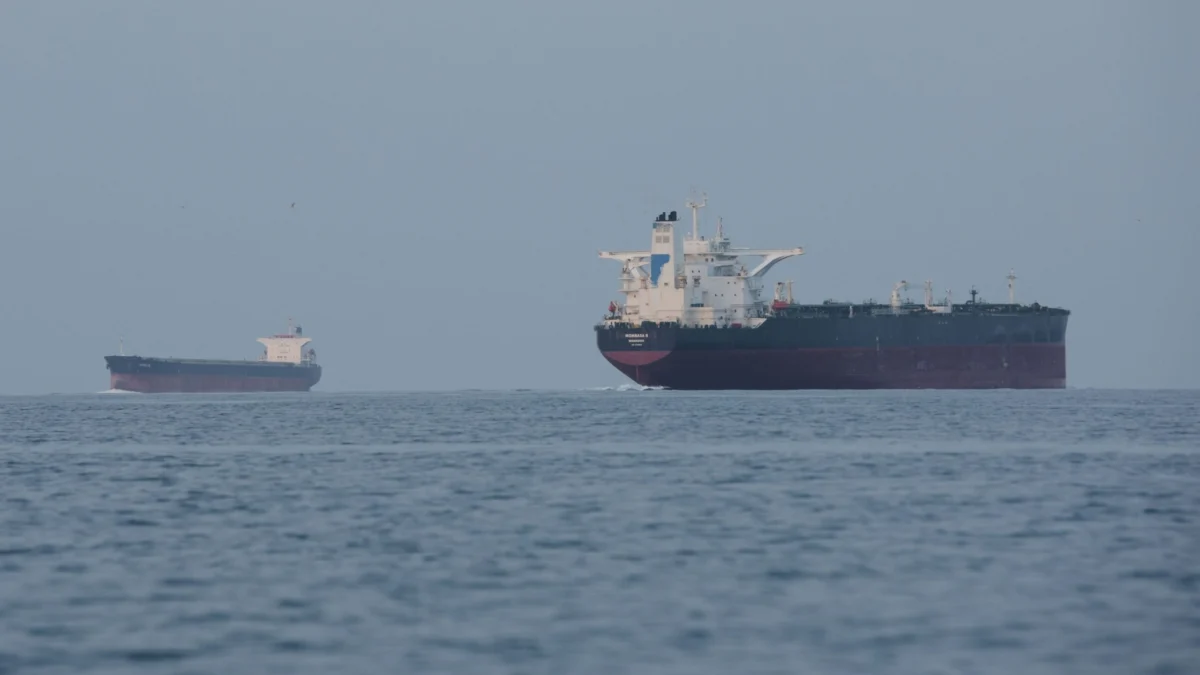
The brief reopening of the vital Strait of Hormuz, a critical artery for global oil trade, lasted less than 24 hours before being reimposed, highlighting the volatile and precarious nature of the ongoing diplomatic standoff between Iran and the United States. The swift reversal has prompted a strong reaction from Iran’s Parliament President, who has offered insights into the nation’s stance, while U.S. President Donald Trump has announced new negotiation efforts to be held in Islamabad, Pakistan. This development underscores the persistent complexities and significant hurdles remaining in reaching a resolution between the two nations.
A Short-Lived Respite in the Strait of Hormuz
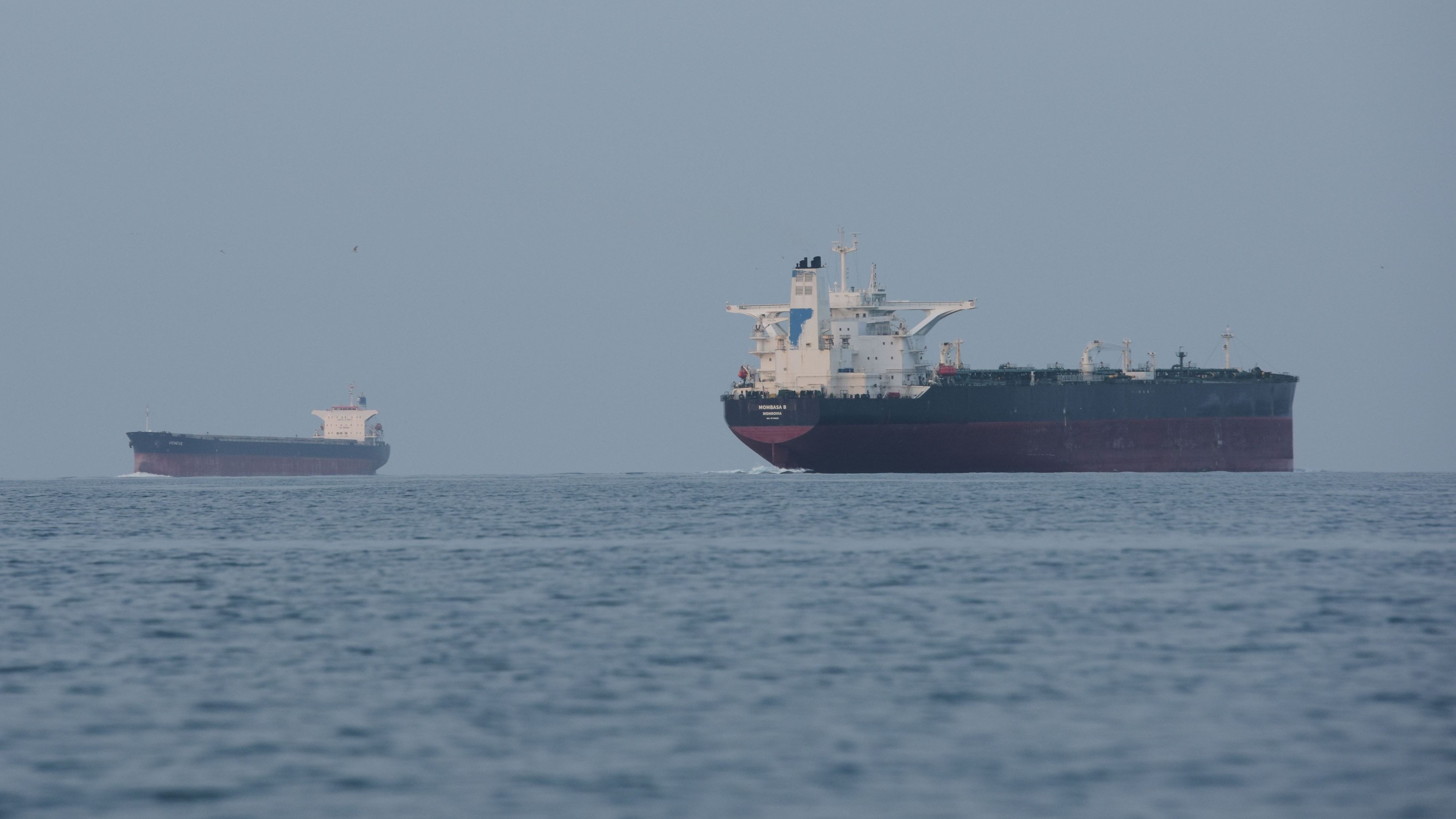
On Saturday, April 18, 2026, a glimmer of hope emerged as Iran announced the reopening of the Strait of Hormuz, a waterway that had been effectively closed due to escalating tensions. This decision, initially perceived as a positive signal for regional stability and global energy markets, was met with cautious optimism. However, this respite proved to be ephemeral. By Sunday, April 19, 2026, Iran had reversed its decision, once again blocking the crucial maritime route.
The Iranian military headquarters, as reported by the Fars news agency, cited the continued blockade of Iranian ports by the United States as the primary reason for reinstating the closure. Officials emphasized that the Strait of Hormuz falls under the direct administration and control of Iran’s armed forces, signaling a firm assertion of sovereignty and a willingness to use its strategic position as leverage. Since this latest reversal, Iran has been actively engaging in military operations against vessels transiting the strait, intensifying concerns about the potential for wider conflict.
Iran’s Parliamentary President on Stalled Negotiations
Mohammad Bagher Ghalibaf, the President of Iran’s Parliament, provided a stark assessment of the ongoing peace negotiations between Iran and the United States in an interview with the state-run news agency Tasnim. He acknowledged that while progress has been made, significant disparities persist, describing the gap between the two nations as "considerable."
"Some points of contention have been resolved, but other issues remain unclear," Ghalibaf stated, emphasizing that the two countries are "still far from a final agreement." He reiterated Iran’s control over all shipping traffic through the Strait of Hormuz, a claim that underscores the strategic importance of the waterway and Iran’s assertion of its dominance within it. The interview, broadcast on Iranian state television on Sunday morning, offered a candid, albeit grim, perspective from a high-ranking Iranian official on the state of diplomatic efforts.
President Trump Announces New Diplomatic Push
In response to the escalating situation, U.S. President Donald Trump announced on Sunday afternoon that a delegation from Washington would travel to the Pakistani capital, Islamabad, for new negotiations with Iran. Trump stated on the platform Truth Social that his representatives would arrive on Monday evening, though he did not specify a time zone, leaving room for ambiguity regarding the precise start of these crucial talks. This move signals a renewed commitment from the U.S. to de-escalate the conflict through diplomatic channels, despite the recent setbacks.
The choice of Islamabad as the venue for these talks is significant. Pakistan, a strategically located neighbor to both Iran and Afghanistan, has historically played a mediating role in regional disputes. Its neutrality and established diplomatic ties with both nations make it a plausible choice for facilitating dialogue in a tense geopolitical environment.

Background: The Strategic Importance of the Strait of Hormuz
The Strait of Hormuz, a narrow waterway connecting the Persian Gulf and the Gulf of Oman, is one of the world’s most strategically vital chokepoints. Approximately 20-30% of the world’s oil shipments, and a significant portion of liquefied natural gas (LNG) exports, pass through this narrow passage daily. Its control is therefore of immense geopolitical and economic importance.
The recent history of the Strait has been marked by intermittent tensions and threats of closure by Iran, particularly during periods of heightened friction with the United States and its allies. These threats are often a response to international sanctions, military posturing, or perceived provocions. The U.S. Navy, along with its allies, maintains a significant presence in the region to ensure freedom of navigation and to counter any attempts to disrupt maritime traffic.

Chronology of Recent Events:
- Friday, April 17, 2026: Iran initially announced the reopening of the Strait of Hormuz, a move that suggested a potential de-escalation of tensions. This decision was seen as a positive development for global energy markets, which had been anticipating a resumption of normal shipping activity.
- Saturday, April 18, 2026: The brief period of openness concluded as Iran reversed its decision and effectively closed the Strait of Hormuz once again. The military headquarters cited ongoing U.S. blockades of Iranian ports as the justification for this action.
- Sunday, April 19, 2026: Iran’s Parliament President, Mohammad Bagher Ghalibaf, provided an assessment of the stalled negotiations with the U.S., indicating significant remaining differences. Concurrently, U.S. President Donald Trump announced that a delegation would travel to Islamabad for renewed talks with Iran.
- Monday, April 20, 2026: The announced negotiations between U.S. representatives and Iran are scheduled to commence in Islamabad.
Supporting Data and Implications:
The economic implications of a prolonged closure of the Strait of Hormuz are profound. Global oil prices would likely surge, impacting inflation rates worldwide and potentially triggering an economic downturn. Major oil-producing nations in the Middle East would face significant logistical challenges in exporting their crude. The International Energy Agency (IEA) has previously warned that a sustained disruption could have "catastrophic" consequences for the global economy.
For instance, during previous periods of heightened tension, oil prices have reacted sharply. In 2012, when Iran threatened to close the Strait, Brent crude oil futures saw significant upward movement. While the current global energy landscape is different, with a greater emphasis on alternative energy sources and diversified supply chains, the Strait of Hormuz remains a critical linchpin.

The repeated oscillations between opening and closing the Strait highlight a pattern of brinkmanship employed by Iran. This strategy appears designed to exert maximum diplomatic pressure and to extract concessions from the international community, particularly the United States. However, such tactics also risk miscalculation and unintended escalation, drawing the region closer to a potentially devastating conflict.
Broader Impact and Geopolitical Ramifications
The current situation has far-reaching geopolitical implications beyond the immediate economic concerns. It impacts the broader security architecture of the Middle East, influencing relationships between regional powers such as Saudi Arabia, the UAE, and Israel, all of whom have expressed concerns about Iran’s assertive posture. The involvement of Pakistan as a mediator also underscores the regional nature of this crisis and the need for broader diplomatic engagement.

Furthermore, the ongoing dialogue, or lack thereof, between Iran and the U.S. has implications for global non-proliferation efforts and regional security initiatives. The ability of these two major powers to find common ground, or at least manage their disagreements, is crucial for maintaining a semblance of stability in a complex and volatile region. The repeated cycle of escalation and negotiation suggests a persistent lack of trust and a deep divergence in strategic interests, making any lasting resolution a formidable challenge. The upcoming talks in Islamabad represent a critical juncture, with the potential to either de-escalate the current crisis or to further entrench the impasse, with significant consequences for global peace and prosperity.
