

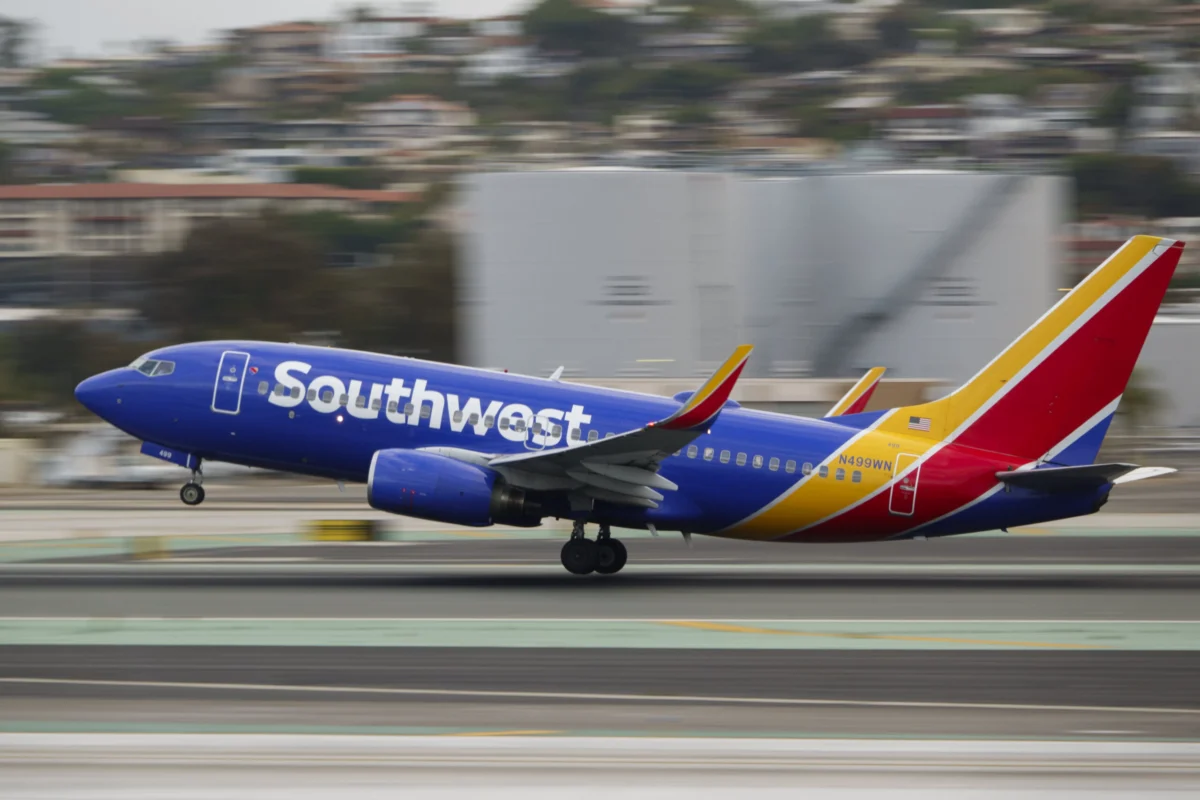
In a move that underscores a dramatic modernization effort, Southwest Airlines announced a comprehensive overhaul of its Rapid Rewards loyalty program, replacing its familiar A-List and A-List Preferred tiers with a more conventional three-tiered structure: Silver, Gold, and Platinum. This transformation, set to take effect next year, is a cornerstone of the airline’s broader strategy to enhance revenue streams, better reward its most frequent and highest-spending customers, and align its offerings more closely with major legacy carriers. The announcement marks another significant step in Southwest’s departure from the "quirky" and consumer-friendly image it cultivated for decades, following previous shifts like the elimination of its iconic open seating policy and the introduction of charges for previously free perks.
The Strategic Pivot: Modernizing Southwest’s Business Model
For decades, Southwest Airlines carved out a unique niche in the highly competitive U.S. airline market, distinguishing itself with policies like two free checked bags for all passengers, open seating, and no change fees. These customer-centric approaches fostered a fiercely loyal customer base and contributed to its reputation as a "different" kind of airline. However, in recent years, particularly under the leadership of CEO Bob Jordan, the airline has embarked on a strategic pivot, driven by a need to boost profitability, optimize its revenue streams, and cater more effectively to the evolving demands of both leisure and business travelers.
The decision to revamp the loyalty program is not an isolated event but rather the latest in a series of initiatives aimed at repositioning Southwest. Earlier changes included the phasing out of its long-standing open seating policy, which was a hallmark of its operational simplicity but often a point of contention for many travelers. This was followed by the introduction of assigned seating, often with a premium charged for "preferred" seats closer to the front of the cabin or those offering more desirable aisle or window access – a practice long employed by its rivals. Furthermore, while the article implies the elimination of two free checked bags as a past change, Southwest has historically maintained this perk. The context suggests a broader reevaluation of all "free" services in favor of unbundling, similar to what rivals have been doing for years, where passengers pay for various amenities à la carte. These changes reflect a growing industry trend towards maximizing ancillary revenue, which includes fees for bags, seat selection, and priority boarding.
Tony Roach, Southwest’s chief customer and brand officer, articulated the necessity for the refresh, stating, "If you think about A-List and A-List Preferred, we don’t even have [boarding] groups A, B and C anymore. So it was time to do a refresh to somewhat incorporate all the changes to seating and all these new experiences that we’ve been adding." This candid admission highlights the internal recognition that the airline’s foundational customer experience elements have changed so profoundly that its loyalty program needed to catch up, both in name and structure. The shift is designed to create a more intuitive and recognizable framework for customers accustomed to loyalty programs across various industries.
A New Hierarchy: Introducing Silver, Gold, and Platinum Tiers
The new loyalty program will introduce three distinct tiers: Silver, Gold, and Platinum. This structure moves away from the previous A-List and A-List Preferred designations, which, while unique to Southwest, often lacked the immediate recognition associated with precious metal tiers in the broader travel industry. The move to Silver, Gold, and Platinum levels is a direct alignment with the industry standard set by carriers like American, Delta, and United, aiming to simplify understanding and appeal to a wider segment of travelers, including those who frequently fly other airlines.
New Status Requirements and Benefits (Illustrative):
While Southwest has indicated that customers can earn 1 Tier Qualifying Point (TQP) per $1 spent on Southwest co-branded credit cards with Chase, specific TQP thresholds for each new tier were not fully detailed in the initial announcement. However, based on industry averages and the typical progression of such programs, the requirements could plausibly be structured as follows (these are illustrative examples to demonstrate the new framework and are not official figures):
- Silver Status:
- Requirements (Illustrative): 30,000 Tier Qualifying Points (TQPs) or 25 qualifying one-way flights.
- Benefits: Silver members will typically receive priority boarding in Group 1, ensuring an earlier selection of seats. Other benefits might include priority check-in lanes, dedicated customer service phone lines, and a bonus on Rapid Rewards points earned from flights, perhaps 25% extra. This tier aims to provide a tangible reward for consistent, but not necessarily heavy, Southwest flyers.
- Gold Status:
- Requirements (Illustrative): 60,000 Tier Qualifying Points (TQPs) or 50 qualifying one-way flights.
- Benefits: Gold members will enjoy boarding before Group 1, granting them a significant advantage in seat selection. Enhanced benefits could include increased Rapid Rewards point bonuses (e.g., 50%), complimentary same-day flight changes (subject to availability), priority baggage handling, and potentially a waiver of certain fees, such as for preferred seat selection on occasion.
- Platinum Status:
- Requirements (Illustrative): 100,000 Tier Qualifying Points (TQPs) or 80 qualifying one-way flights.
- Benefits: Platinum members represent the highest tier and will receive the most exclusive perks, including boarding before both Gold members and Group 1. A standout feature for Platinum is unlimited Companion Pass trips, a highly coveted benefit allowing a designated individual to fly for free (excluding taxes and fees) with the Platinum member. Additional benefits could encompass the highest Rapid Rewards point bonuses (e.g., 100%), complimentary upgrades to preferred seats when available, a dedicated concierge service, and enhanced flexibility for flight changes and cancellations. This tier is clearly designed to attract and retain the airline’s most valuable, high-spending customers.
The shift to TQPs as a primary metric, particularly those earned from co-branded credit cards, underscores Southwest’s strategy to incentivize spending both on flights and through its financial partners. This model effectively ties loyalty directly to revenue generation, a common practice among legacy carriers.
Evolving the Coveted Companion Pass
Southwest’s Companion Pass has long been considered one of the most generous and valuable perks in the airline industry. It allows a designated companion to fly for free (minus taxes and fees) with the pass holder on any flight, offering immense value to frequent travelers, particularly families or couples. The new program introduces significant changes to how this perk is earned and utilized, starting with the 2027 earning year.
Under the current system, a Rapid Rewards member must earn either 135,000 qualifying points or complete 100 one-way qualifying flights within a calendar year to earn the Companion Pass. This threshold has made it a challenging but highly rewarding goal for dedicated Southwest flyers.
The updated structure will integrate Companion Pass benefits more closely with the new tiered system. Platinum status members will automatically receive unlimited Companion Pass trips, making it a cornerstone benefit of the top tier. For other members, the Companion Pass will be earned through a combination of TQPs, qualifying flights, or by hitting specific "milestone rewards" – an innovative approach designed to provide more frequent gratification points for members. Existing Companion Pass holders will retain their benefits for the duration of their current term, ensuring a smooth transition.
This change signals a more structured approach to distributing the Companion Pass, moving away from a purely points or segments-based accumulation to one that is either tied to elite status or specific spending milestones. The goal is likely to encourage deeper engagement with Southwest’s ecosystem, including its credit card products, and to ensure that this high-value perk is primarily directed towards its most profitable customers.
Beyond the Cabin: The "Icon" Lounge Experience and International Expansion
In a further testament to its modernization drive, Southwest Airlines is also venturing into new territory with the development of its first-ever airport lounges, aptly named "Icon" lounges. This move is particularly significant for an airline that historically eschewed such amenities, prioritizing a no-frills, low-cost operational model. The initial rollout will see Icon lounges established in four U.S. cities, with Nashville, Tennessee, explicitly mentioned as one location. These lounges are being developed in partnership with its credit card provider, Chase, indicating a symbiotic relationship designed to enhance the value proposition for co-branded cardholders and top-tier loyalty members.
The introduction of airport lounges is a direct appeal to business travelers and high-spending customers who typically expect such amenities from full-service airlines. Lounges offer a quieter, more comfortable environment away from the bustling terminal, often providing complimentary food, beverages, Wi-Fi, and dedicated workspaces. This investment signals Southwest’s intent to compete more directly for the lucrative business travel market, which often prioritizes comfort and convenience over rock-bottom fares.

Concurrently, Southwest is expanding its partnerships with international airlines. While Southwest has traditionally been a domestic carrier with limited international routes (primarily to Mexico, Central America, and the Caribbean), forging alliances with other global carriers will allow its customers to earn and redeem Rapid Rewards points on a much wider network. This strategic expansion broadens Southwest’s reach, making its loyalty program more attractive to travelers with international itineraries and further solidifying its competitive standing against larger, globally connected airlines.
Bridging the Gaps: Mid-Tier Recognition and Milestone Rewards
One of the more innovative aspects of Southwest’s revamped loyalty program is the introduction of benefits for customers who fall between the defined status tiers. This "in-between" status recognition is designed to keep customers engaged and reward them incrementally on their journey towards higher status, a strategy successfully employed by airlines like American Airlines.
For example, after earning 20,000 points or completing 15 qualifying flights, customers will have a choice: either receive an additional 2,000 Rapid Rewards points or two coupons to select a "preferred" seat. Preferred seats are typically standard legroom seats located closer to the front of the plane or in more popular aisle or window positions, offering a tangible benefit for early engagement.
Further up the earning ladder, after accumulating 95,000 points or taking 75 qualifying flights (a threshold below the Platinum level), customers will be rewarded with three Companion Pass trips. This offers a taste of the highly valued Companion Pass benefit to a broader segment of flyers, encouraging them to strive for full Platinum status.
Nandika Suri, who leads Southwest’s Rapid Rewards loyalty program, emphasized the significance of these mid-tier rewards: "That is definitely different from what we’ve done before. It’s a way for us to actually recognize and reward customers… faster and more frequently in their journey to continue to engage with us." This approach aims to reduce the "all-or-nothing" feeling of traditional loyalty programs, fostering continuous engagement and rewarding loyalty at multiple touchpoints.
Industry-Wide Trend: The Premiumization of Loyalty Programs
Southwest’s loyalty program overhaul is not occurring in a vacuum; it is part of a broader, industry-wide trend toward the premiumization of airline loyalty programs. Major carriers have consistently raised the requirements to earn elite status, increasingly tying it to spending rather than just flight segments, and have also made significant changes to access their coveted airport lounges.
United Airlines, for instance, recently announced that starting next year, customers will no longer be able to earn status in its MileagePlus program based on flight segments. Instead, status will exclusively be earned through Premier Qualifying Points (PQPs), which are accumulated from flight spending and expenditures on co-branded credit cards. United also increased the requirements to reach Premier 1K, its highest frequent flyer tier (excluding the invite-only Global Services), from 28,000 PQPs to 32,000 PQPs this year, demonstrating a clear focus on high-spending customers.
Similarly, Delta Air Lines has made well-publicized changes to its Sky Club lounge access policies, tightening restrictions after complaints of overcrowding and long lines. These changes, often met with mixed reactions from customers, reflect airlines’ efforts to manage demand for premium amenities and ensure that the most valuable benefits are reserved for their most profitable customers.
The underlying economic rationale for these industry shifts is clear: airlines are seeking to maximize revenue, improve yield management, and cultivate a highly engaged, high-spending customer base. Loyalty programs have evolved from simple mileage accrual systems to sophisticated revenue-generating engines that drive credit card partnerships, direct bookings, and premium service upsells.
Customer and Analyst Reactions: Navigating the Shift
The transformation of Southwest’s loyalty program is likely to elicit varied reactions from its diverse customer base and financial analysts.
Customer Perspective:
- High-spending business travelers and top-tier frequent flyers: These customers are likely to view the changes positively. The introduction of familiar Silver, Gold, and Platinum tiers, coupled with new perks like airport lounge access and potentially more structured elite benefits, will make Southwest a more attractive option compared to legacy carriers. Platinum members, in particular, will appreciate the unlimited Companion Pass and enhanced priority.
- Leisure travelers and budget-conscious flyers: This segment, which historically gravitated towards Southwest for its simplicity and generous free perks, might feel a sense of loss. The erosion of the "Southwest difference" – such as open seating and the perceived ease of the original loyalty program – could alienate some long-time customers who feel the airline is increasingly "nickel-and-diming" them. The shift towards spending-based loyalty might also make it harder for less frequent flyers to achieve status.
Analyst Perspective:
Financial analysts are generally expected to view these changes favorably. The strategic pivot aligns Southwest with industry best practices for revenue diversification and customer segmentation. By focusing on high-value customers and monetizing previously free perks, Southwest is positioning itself for improved financial performance and resilience. The expansion into lounges and international partnerships indicates a mature airline seeking new avenues for growth and a more competitive stance in the premium travel market. While there’s always a risk of alienating a core customer base, analysts typically weigh this against the potential for increased ancillary revenue and improved profitability. The move signifies a rationalization of Southwest’s business model, adapting to the realities of a highly competitive and capital-intensive industry.
The Road Ahead: Southwest’s Future Trajectory
Southwest Airlines’ comprehensive overhaul of its Rapid Rewards program, alongside other recent changes, marks a definitive shift in its corporate strategy. The airline is consciously moving away from its "maverick" image, built on unique customer-friendly policies, towards a more conventional, revenue-optimized model that prioritizes high-spending customers and aligns with broader industry trends.
This transformation is crucial for Southwest’s long-term sustainability and competitiveness. By adopting a tiered loyalty program, investing in premium amenities like lounges, and expanding international partnerships, Southwest aims to capture a larger share of the lucrative business travel market while continuing to serve its leisure base. The emphasis on Tier Qualifying Points and spending through co-branded credit cards underscores a sophisticated approach to loyalty that directly contributes to the airline’s bottom line.
While some long-time customers may lament the loss of the "old Southwest," the airline’s leadership is making a calculated bet that the benefits of modernization – increased revenue, enhanced competitiveness, and a more structured reward system for its most valuable customers – will ultimately pave the way for a stronger, more profitable future. The success of this ambitious transformation will hinge on Southwest’s ability to execute these changes seamlessly while retaining its core brand appeal and operational efficiency.
