

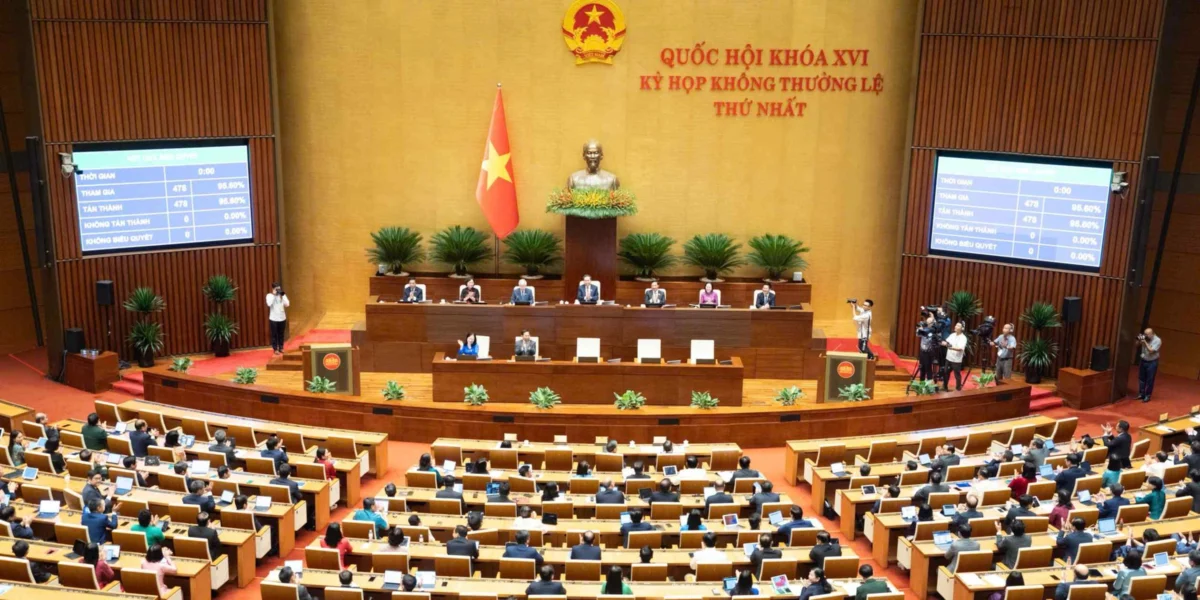
HANOI — Vietnam’s parliament on Monday approved an agreement related to its first nuclear power project, marking a major step toward realizing Hanoi’s revived nuclear ambitions as electricity demand surges in one of Asia’s fastest-growing economies. The landmark decision greenlights the construction of the 2.4-gigawatt Ninh Thuan 1 nuclear power plant, a project to be undertaken by Russia’s state-owned atomic energy corporation, Rosatom. This development signals a significant shift in Vietnam’s energy strategy, aiming to diversify its power sources and ensure a stable supply to fuel its rapidly industrializing economy.
The approval, secured on August 24, 2026, follows years of deliberation and planning, underscoring the strategic importance Vietnam places on nuclear energy. The Ninh Thuan 1 project, initially conceived over a decade ago, has experienced numerous delays, reflecting the complex technical, economic, and political considerations inherent in establishing a nuclear power program. The renewed commitment signifies Hanoi’s determination to overcome these hurdles and harness the potential of nuclear energy for long-term, low-carbon electricity generation.

A Revived Nuclear Ambition
Vietnam’s journey towards nuclear power is a testament to its evolving energy landscape and its commitment to sustainable development. The nation has consistently ranked among the fastest-growing economies in Asia, with electricity demand projected to continue its upward trajectory. According to the International Energy Agency (IEA), Vietnam’s electricity consumption has grown at an average annual rate of approximately 10% over the past decade, driven by industrial expansion, urbanization, and rising household incomes. This rapid growth has placed considerable strain on existing power infrastructure, much of which relies on fossil fuels, particularly coal.
The Ninh Thuan 1 project, with its planned capacity of 2.4 GW, is expected to significantly contribute to Vietnam’s baseload power supply. Baseload power refers to the minimum level of demand on an electrical grid over a span of time. Nuclear power plants are ideal for providing this stable, continuous power output, complementing intermittent renewable sources like solar and wind. The strategic location of the proposed plant in Ninh Thuan province, a coastal area with ample water resources for cooling, has been a key consideration in its selection.

The agreement approved by the Vietnamese National Assembly formalizes the terms of cooperation with Rosatom, paving the way for the detailed design, construction, and operation phases. This move aligns with Vietnam’s long-term energy development strategy, which aims to ensure energy security while reducing reliance on imported fossil fuels and meeting its climate commitments.
The Rosatom Partnership: A Strategic Alliance
Rosatom, a global leader in nuclear technology, has been a key partner in Vietnam’s nuclear aspirations for many years. The company’s expertise in constructing and operating nuclear power plants, coupled with its competitive financing packages, made it the preferred choice for the Ninh Thuan 1 project. The agreement encompasses not only the construction of the reactors but also provisions for fuel supply, waste management, and the training of Vietnamese personnel.

The Ninh Thuan 1 plant is slated to feature two VVER-1200 reactors, a state-of-the-art pressurized water reactor design that boasts enhanced safety features and improved efficiency. These reactors are among the most advanced in the world and are currently being deployed in several countries. The selection of this technology reflects Vietnam’s commitment to adhering to the highest international safety standards, as mandated by the International Atomic Energy Agency (IAEA).
The partnership with Rosatom also extends beyond the immediate construction phase. It includes a comprehensive program for knowledge transfer and capacity building, aiming to equip Vietnam with the necessary expertise to manage and maintain its nuclear facilities independently in the long term. This collaborative approach is crucial for the sustainable development of Vietnam’s nuclear sector.

A History of Deliberation and Shifting Priorities
The decision to move forward with the Ninh Thuan 1 project is the culmination of a long and complex process. Vietnam’s initial foray into nuclear power planning began in the early 2000s, with the country setting ambitious targets for nuclear energy capacity. In 2010, the National Assembly approved a master plan for nuclear power development, envisioning the construction of eight reactors by 2030.
However, the Fukushima Daiichi nuclear disaster in Japan in 2011 cast a shadow over nuclear power projects worldwide, prompting a re-evaluation of safety protocols and public perception. Vietnam, like many other nations, paused its nuclear ambitions to conduct thorough safety reviews and reassess the economic viability and environmental impact of nuclear energy.

In 2016, Vietnam officially announced a halt to its immediate nuclear power plans, citing economic considerations and the need for further study. This decision led to the shelving of the Ninh Thuan 1 project, which had been slated for construction to begin around that time. The primary reasons cited for the postponement included high construction costs, the availability of cheaper alternatives such as coal and hydropower, and concerns about public safety and waste disposal.
However, as global energy markets have evolved and the imperative to decarbonize has intensified, Vietnam’s stance on nuclear energy has shifted once again. The country’s commitment to reducing greenhouse gas emissions and its growing energy deficit have brought nuclear power back into the spotlight as a viable and necessary component of its future energy mix. The resurgence of interest in nuclear energy reflects a global trend, with many countries reconsidering or expanding their nuclear portfolios to meet clean energy targets.
%20DJI_0754.JPG?fit=cover&gravity=faces&dpr=2&quality=medium&source=nar-cms&format=auto&width=178&height=100)
Supporting Data and Economic Imperatives
The rationale behind Vietnam’s renewed push for nuclear power is supported by several key economic and environmental factors:
- Surging Electricity Demand: Vietnam’s economic growth has been a primary driver of its energy needs. Projections indicate that electricity demand will continue to grow robustly, potentially doubling by 2030. Relying solely on fossil fuels presents significant environmental challenges and exposes the nation to volatile global energy prices.
- Diversification of Energy Sources: Currently, Vietnam’s power generation mix is heavily dominated by coal, followed by hydropower and increasingly, natural gas and renewables. Nuclear power offers a crucial opportunity to diversify this mix, enhancing energy security and reducing dependence on any single fuel source.
- Low-Carbon Energy Solution: As Vietnam strives to meet its climate change commitments, including those made under the Paris Agreement, nuclear energy presents a compelling low-carbon alternative to fossil fuels. Nuclear power plants produce virtually no greenhouse gas emissions during operation, contributing significantly to a cleaner energy landscape.
- Energy Security: A stable and predictable domestic energy supply is paramount for sustained economic development. Nuclear power plants have long operational lifespans and are not subject to the same geopolitical volatilities as imported fossil fuels, thereby bolstering national energy security.
- Technological Advancement and International Standards: The VVER-1200 reactors chosen for Ninh Thuan 1 represent a significant advancement in nuclear technology, incorporating lessons learned from past incidents and adhering to stringent international safety and security standards. This ensures that Vietnam is adopting the latest and safest nuclear technologies available.
Potential Implications and Future Outlook
The approval of the Ninh Thuan 1 project has several significant implications for Vietnam and the broader region:

- Economic Development: A reliable and abundant supply of electricity is fundamental for attracting foreign investment and supporting industrial growth. The Ninh Thuan 1 plant is expected to provide a stable power source that will underpin Vietnam’s continued economic expansion.
- Environmental Goals: The addition of nuclear power to Vietnam’s energy mix will play a crucial role in its efforts to decarbonize its economy and meet its climate targets. It complements the growth of renewable energy sources, creating a more balanced and sustainable energy portfolio.
- Regional Energy Dynamics: Vietnam’s move into nuclear power could influence regional energy strategies and foster greater cooperation in nuclear safety and regulation. It also positions Vietnam as a more self-sufficient energy producer in Southeast Asia.
- Public Perception and Safety: While the government has emphasized safety protocols and international standards, public acceptance and ongoing vigilance regarding nuclear safety will remain critical. Continuous engagement with communities and transparent communication will be essential for the long-term success and social license of the project.
- Financing and Investment: The construction of a nuclear power plant represents a substantial financial undertaking. The terms of the agreement with Rosatom, including financing mechanisms and repayment structures, will be crucial for the project’s economic viability.
Looking Ahead: The Road to Operation
The approval of the agreement is a significant milestone, but it is only the beginning of a long and intricate process. The next phases will involve detailed engineering design, site preparation, procurement of materials and equipment, and the rigorous construction and commissioning of the two reactors. Each of these stages will be subject to stringent regulatory oversight from both Vietnamese authorities and international bodies like the IAEA.
The timeline for the Ninh Thuan 1 project, as projected by Rosatom and Vietnamese officials, anticipates commercial operation to commence in the mid-2030s. This phased approach allows for thorough planning, execution, and testing, ensuring the highest standards of safety and reliability.

The success of the Ninh Thuan 1 project will not only hinge on technical and financial aspects but also on maintaining strong international partnerships, fostering domestic expertise, and ensuring robust public trust. As Vietnam embarks on this new chapter in its energy journey, the Ninh Thuan 1 nuclear power plant stands as a symbol of its commitment to a secure, sustainable, and prosperous future. The eyes of both the nation and the international community will be on this ambitious undertaking, watching as Vietnam takes a decisive step towards harnessing the power of the atom.
