

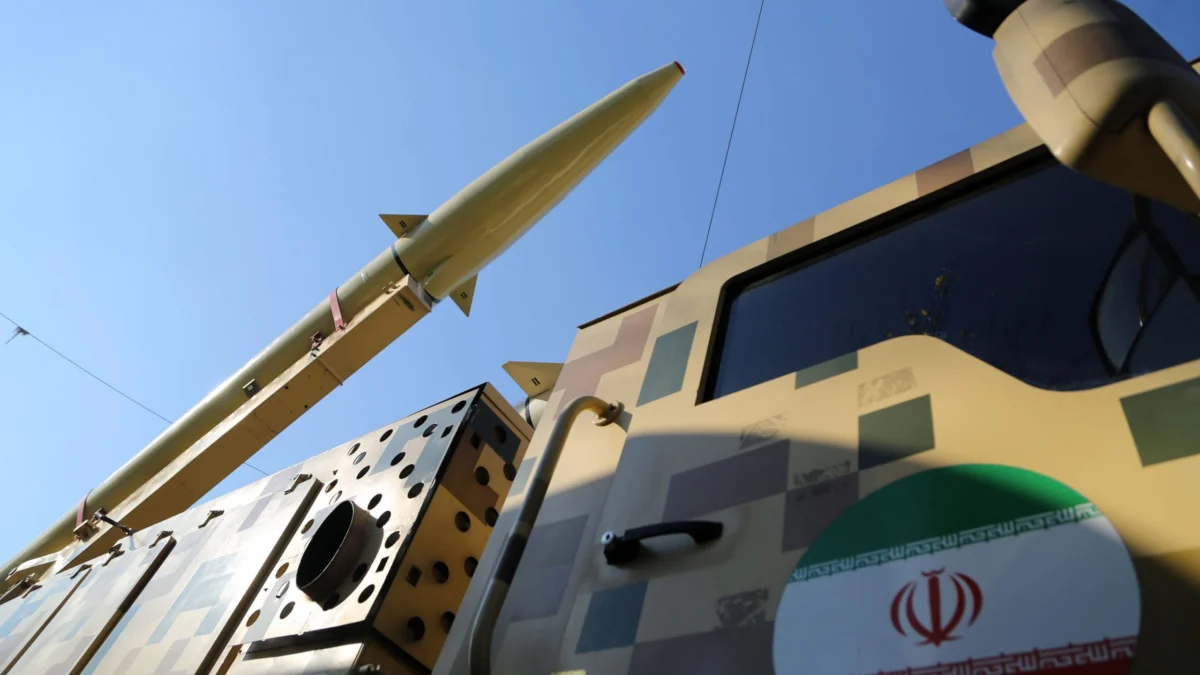
Tehran, Iran – March 31, 2026 – In a significant escalation of regional tensions, Iran’s Islamic Revolutionary Guard Corps (IRGC) has issued a stark warning, threatening attacks against the regional branches of 18 prominent U.S. corporations. This declaration comes amidst a backdrop of heightened military activity and diplomatic maneuvering in the Middle East, stemming from an ongoing conflict involving Iran, the United States, and Israel, which began on February 28th. The IRGC’s statement, disseminated through state media, specifies that these retaliatory actions would commence on April 1st at 8:00 PM Tehran time, serving as a direct response to any perceived "terrorist acts" within Iran.
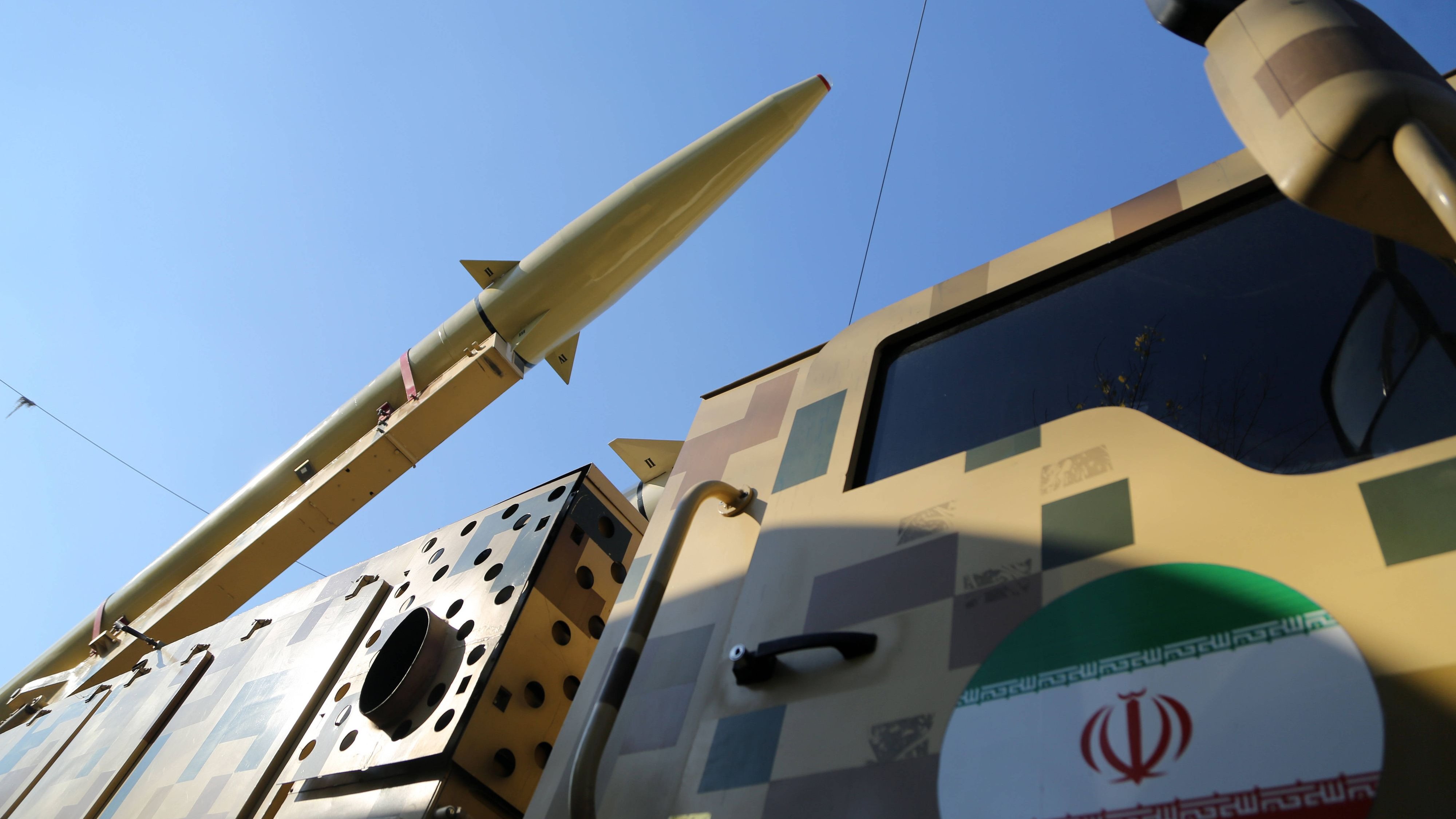
The list of targeted U.S. companies includes major players across the technology and aerospace sectors, such as Microsoft, Google, Apple, Intel, IBM, Tesla, and Boeing. This broad range of potential targets suggests a strategy aimed at inflicting economic and reputational damage on the United States, leveraging the global interconnectedness of these corporations. The implied threat extends to the physical destruction of their respective branch offices in the region, indicating a willingness to engage in actions that could have significant international ramifications.
The timing of this threat is critical, occurring at a moment of intense strategic focus on key chokepoints like the Strait of Hormuz and amid ongoing diplomatic efforts to de-escalate the conflict. The IRGC’s pronouncements are often viewed as a significant indicator of the regime’s strategic calculus and its willingness to project power beyond its borders.
Escalating Tensions and Shifting Dynamics
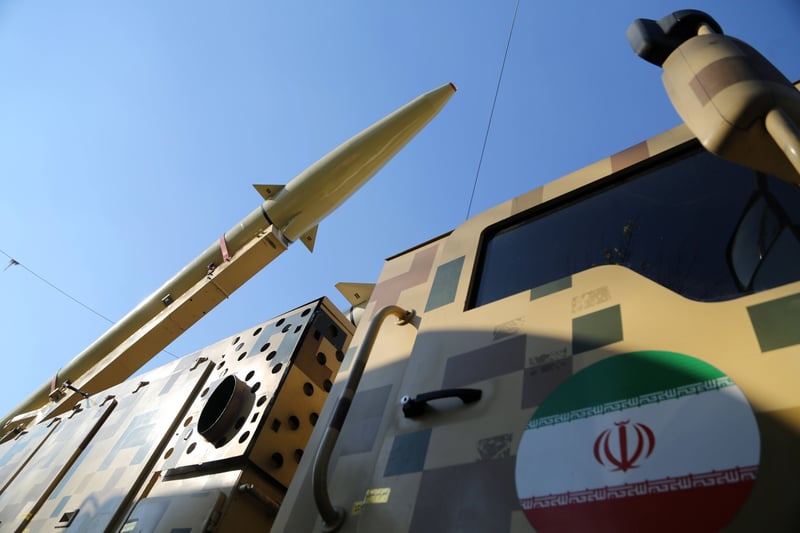
The current conflict, which began on February 28th, has already seen considerable military engagement. The United States and its allies have conducted extensive operations against Iranian military installations, with reports of significant strikes on munitions depots in Isfahan, utilizing heavy bunker-buster bombs. The IRGC’s retaliatory actions have included missile and drone attacks on Gulf states, though their effectiveness and impact are subject to ongoing assessment.
The economic dimensions of this conflict are becoming increasingly apparent. The threat against U.S. corporations is a strategic move to leverage economic pressure, a tactic that has been employed by various state actors in geopolitical disputes. The global supply chains and financial networks of these companies mean that any disruption could have ripple effects far beyond the immediate region.
Background Context: A Long Road to Conflict
The current crisis is not an isolated event but rather the culmination of years of escalating tensions between Iran, the United States, and Israel. Key flashpoints have included Iran’s nuclear program, its ballistic missile development, and its support for regional proxy groups. The assassination of Iran’s Supreme Leader, Ayatollah Ali Khamenei, on February 28th, marked a critical turning point, triggering a series of retaliatory actions and counter-actions that have rapidly spiraled into the current state of open conflict. The subsequent ascension of Mojtaba Khamenei as the new spiritual and political leader of Iran, though currently operating out of the public eye, adds another layer of complexity to the internal dynamics within Iran.
The conflict has also highlighted existing fault lines in international alliances. U.S. President Donald Trump has been vocal in his criticism of allied nations, urging them to take on greater responsibility for their own security and to contribute more substantively to collective defense efforts. His remarks about partners needing to "learn to fight for themselves" and his direct challenge to nations to secure the Strait of Hormuz underscore a broader shift in U.S. foreign policy towards a more transactional and demanding approach to alliances.
Chronology of Recent Events and Statements:
- February 28, 2026: The conflict escalates with the reported assassination of Iran’s Supreme Leader, Ayatollah Ali Khamenei, followed by U.S. and Israeli strikes.
- March 2026: Reports emerge of significant damage to a U.S. military base in Qatar, identified through satellite imagery from Planet Labs PBC.
- March 31, 2026: The IRGC issues its threat against U.S. corporations.
- March 31, 2026: U.S. President Donald Trump criticizes France for perceived uncooperative behavior regarding overflight rights for military aircraft.
- March 31, 2026: The United Kingdom announces the deployment of additional air defense systems and troops to the Middle East, including the Sky Sabre system in Saudi Arabia.
- March 31, 2026: China and Pakistan call for an immediate ceasefire and urge for peace talks to end the conflict.
- March 31, 2026: Reports surface of damage at the Al-Udeid U.S. military base in Qatar, visible in satellite imagery.
- March 31, 2026: U.S. Defense Secretary Pete Hegseth states that the U.S. is aware of Russian and Chinese support for Iran.
- March 31, 2026: EU Council President António Costa calls on Iran to cease attacks and pursue diplomatic solutions.
- March 31, 2026: Egyptian President Abdel Fattah al-Sisi discusses the conflict with Russian President Vladimir Putin.
- March 31, 2026: A major petrochemical plant in Saudi Arabia, Sadara Chemical, halts operations due to the conflict.
- March 31, 2026: U.S. President Donald Trump, via Truth Social, urges allied nations to secure the Strait of Hormuz themselves and criticizes their lack of contribution to the fight against Iran.
- March 31, 2026: U.S. Defense Secretary Pete Hegseth discusses the U.S. strategy, emphasizing control over the conflict’s terms and the potential for ground troop deployment.
- March 31, 2026: Iran confirms nighttime bombings on military facilities in Isfahan province.
- March 31, 2026: Insider reports suggest Italy denied landing rights to U.S. military jets on Sicily.
- April 1, 2026 (expected): The IRGC’s deadline for potential attacks on U.S. corporate assets.
Official Responses and International Reactions
The international community is closely monitoring the escalating situation. China and Pakistan have jointly called for an immediate ceasefire and the resumption of peace talks, emphasizing the need for diplomatic solutions and the restoration of normal shipping in the Strait of Hormuz. Pakistan has positioned itself as a potential mediator, offering to facilitate dialogue between the U.S. and Iran.
The European Union, through its Council President António Costa, has urged Iran to halt its "unacceptable attacks" and to engage in diplomatic efforts, particularly with the United Nations, to ensure freedom of navigation. The EU has expressed readiness to support diplomatic initiatives while addressing broader security concerns related to Iran.

U.S. Defense Secretary Pete Hegseth has articulated a firm stance, stating that the U.S. is aware of and actively countering any support provided to Iran by Russia and China. He emphasized the U.S.’s determination to control the terms of the conflict and highlighted the potential for ground troop deployment if necessary. Hegseth also indicated that the Strait of Hormuz would be reopened, with increased naval activity planned.
Economic and Strategic Implications
The threat against U.S. corporations carries significant economic implications. The targeted companies, with their vast global reach, could face substantial disruptions, impacting not only their regional operations but also their worldwide supply chains and financial markets. The potential for damage to critical infrastructure, such as the Sadara Chemical plant in Saudi Arabia, further underscores the economic vulnerability in the region.

The strategic implications are equally profound. The IRGC’s threat could be interpreted as an attempt to broaden the conflict’s scope, moving beyond purely military targets to encompass economic and corporate entities. This would represent a new phase of asymmetric warfare, aimed at maximizing pressure on the United States and its allies.
The situation also highlights the complex geopolitical landscape, with countries like Russia and China playing a significant role through their alleged support for Iran. The U.S. acknowledgment of this support, as stated by Secretary Hegseth, suggests a multi-faceted approach to managing the conflict, involving diplomatic, economic, and military strategies.

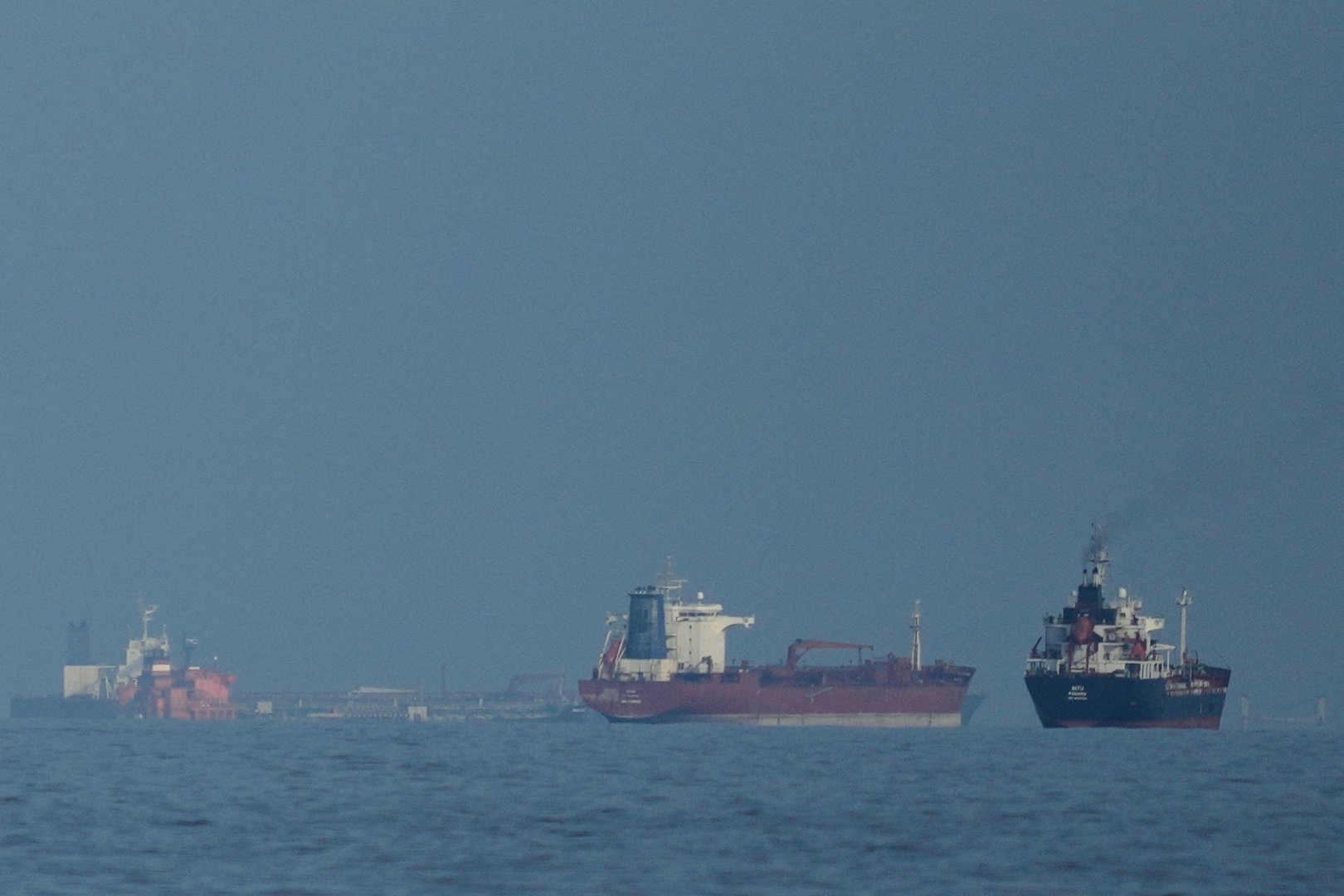
The ongoing developments in the Strait of Hormuz remain a critical focal point. The blockage or disruption of this vital waterway has far-reaching consequences for global energy markets and international trade. The U.S. commitment to ensuring its passage, coupled with Iran’s demonstrated capability to disrupt it, creates a volatile dynamic with the potential for further escalation.
As the April 1st deadline approaches, the world watches with bated breath, anticipating whether the IRGC’s threats will materialize and what further repercussions this would have on an already unstable region. The intricate web of military actions, diplomatic pronouncements, and economic pressures continues to define this critical geopolitical moment.
