

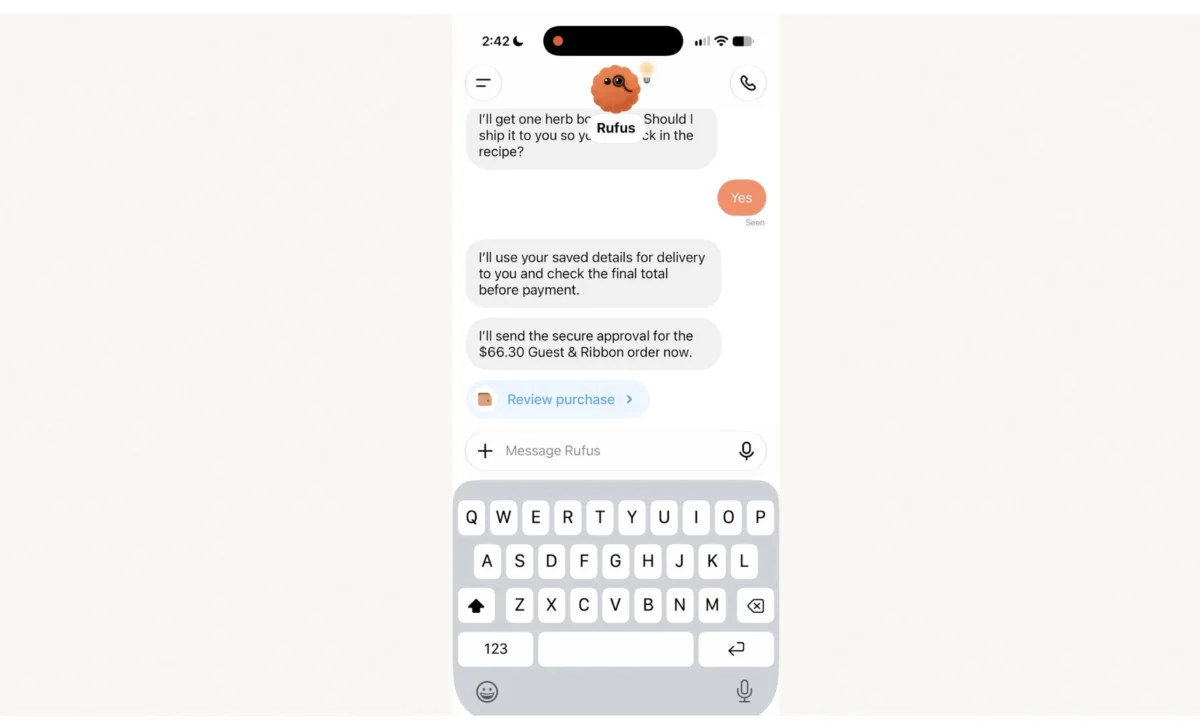
On Friday, OpenAI announced a significant expansion of its artificial intelligence capabilities with the launch of the ChatGPT Wallet, a new feature designed to empower its AI agents, known as "dots," to assist users in making purchasing decisions and autonomously complete transactions. This development marks a pivotal step in the evolution of consumer-facing AI, moving beyond mere information retrieval and conversational interaction towards active, transactional engagement in the digital economy.
Initially, the ChatGPT Wallet feature will be rolled out to a select group of U.S. ChatGPT Pro subscribers who are at least 18 years of age and possess a U.S.-issued Visa, Mastercard, or American Express credit card. This controlled launch phase is typical for new, potentially disruptive technologies, allowing OpenAI to rigorously test the system, gather user feedback, and refine its functionality before a broader public release. The limited availability underscores the company’s commitment to ensuring robustness and security in a feature that directly handles sensitive financial transactions.
The Mechanics of Agentic Commerce
The operational framework of the ChatGPT Wallet prioritizes user control and security. OpenAI states that users retain full oversight of their purchases. Before any transaction is finalized, users are presented with a detailed summary of the items, the total cost, and the specific payment card designated for the purchase. A crucial layer of security is then implemented: users must approve the purchase directly through a security verification method such as Face ID or fingerprint authentication. This not only confirms the user’s intent but also creates an immutable record of the transaction, providing an audit trail for accountability and dispute resolution.
To initiate the process, ChatGPT Pro subscribers are required to add their eligible payment cards to the new ChatGPT Wallet, a one-time setup that streamlines future transactions. Once configured, users can simply instruct their dot to assist with a purchase. A key security measure involves the use of payment tokens. When a transaction is processed, the ChatGPT Wallet charges the selected card using a unique payment token, a substitute for the user’s actual card details. This tokenization ensures that sensitive financial information, such as the full card number, is never directly shared with the dot (the AI agent) or the merchant. This practice aligns with industry best standards for payment security, significantly reducing the risk of data breaches.
Merchants, in turn, automatically receive the necessary information from the dot to fulfill the order, including the shipping address and contact details, as confirmed by OpenAI. Importantly, the company assures users that shopping via their dots will not negate the benefits typically associated with traditional credit card usage. Customers will still be eligible to earn their credit card rewards and can leverage the standard protections offered by their card issuers, such as the ability to dispute transactions. This commitment to maintaining existing consumer benefits is crucial for fostering user trust and encouraging adoption of the new feature.
The Broader Landscape of AI Agents and E-commerce
The introduction of ChatGPT Wallet arrives at a juncture where consumer-facing AI tools are actively seeking optimal product-market fit, particularly in how they can enhance efficiency across various tasks. While the concept of AI agents completing tasks on behalf of users is gaining traction, its practical application in commerce has seen mixed results. Companies like DoorDash and Uber have, in previous reports, indicated relatively low numbers of orders placed by AI agents, suggesting that some transactional activities might still require a human touch or are not yet seamlessly integrated with AI capabilities.
However, the landscape is not uniformly challenging. Meta’s Muse, for example, which boasts over 10 million users, has identified AI-assisted shopping as a top activity on its platform. This divergence suggests that the success of agentic commerce may depend heavily on the specific context, user interface, and the perceived value proposition. Other personal AI agents, such as Instinct, have also demonstrated support for making purchases on users’ behalf, signaling a growing industry trend towards delegating transactional duties to intelligent assistants. Given this evolving market, OpenAI’s strategic move to enter the agentic shopping space with its own dedicated feature is a logical progression, leveraging its dominant position in generative AI.
The global e-commerce market continues its robust expansion, projected to reach over $7 trillion by 2027, according to various market analyses. This massive and growing digital marketplace presents an undeniable opportunity for AI solutions that can streamline the shopping experience. Consumer spending habits are increasingly shifting online, driven by convenience and access to a wider array of products. The integration of AI agents into this ecosystem could further accelerate this trend by making the online purchasing process even more effortless and personalized.
A Brief Chronology of OpenAI’s Journey and Agentic AI
OpenAI, founded in 2015 with a mission to ensure artificial general intelligence benefits all of humanity, has been a pivotal force in the recent AI revolution. Its journey has been marked by several landmark achievements:
- 2018: Introduction of GPT-1, laying the groundwork for large language models.
- 2020: Release of GPT-3, showcasing unprecedented language generation capabilities and paving the way for more sophisticated applications.
- 2021: Launch of DALL-E, demonstrating AI’s ability to generate novel images from text descriptions, expanding the scope of generative AI beyond text.
- 2022: Public release of ChatGPT, which rapidly became a global phenomenon, bringing advanced conversational AI to the masses and highlighting the potential for widespread AI adoption.
- 2023-2024: Continued development of more advanced GPT models (GPT-4 and beyond) and the conceptualization of "dots" – personalized, adaptable AI agents designed to interact with users and the digital world more dynamically.
The concept of "agentic AI," where AI systems are not just tools but proactive entities capable of planning, executing, and adapting to achieve goals, represents the next frontier. ChatGPT Wallet is a tangible manifestation of this vision, demonstrating OpenAI’s commitment to pushing AI towards greater autonomy and utility in everyday life.
Future Enhancements and Retailer Engagement
OpenAI has outlined ambitious plans for the future of its agentic shopping feature. Beyond the initial limited rollout, the company intends to provide users with more granular control over their AI agents’ purchasing activities. Future functionalities will include the ability to set spending limits, configure parameters around specific purchase categories, or define time periods for autonomous buying. This level of customization will allow users to pre-approve certain types of purchases, empowering their agents to handle these transactions with greater autonomy while still adhering to user-defined boundaries.
A significant challenge and opportunity lies in expanding the feature’s compatibility across a broader network of retailers. While the potential for seamless, AI-driven shopping is immense, not all merchants are currently open to integrating AI agents. Some major retailers, including Amazon, Target, and certain travel providers like United Airlines, have reportedly taken steps to block AI agents from using their websites. This resistance often stems from a desire to direct users to their proprietary AI solutions (e.g., Amazon’s Alexa) or concerns about data privacy, security, and maintaining direct customer relationships.
To address this friction and foster broader adoption, OpenAI has proactively published a "Commerce Partner Playbook." This resource is designed to offer tools, guidelines, and best practices to retailers and e-commerce platforms that wish to support customers using AI agents. The playbook likely covers technical integration, security protocols, and strategies for optimizing the agentic commerce experience, aiming to create a more welcoming environment for AI-driven transactions across the retail sector. This initiative highlights OpenAI’s understanding that the success of agentic commerce relies not just on technological innovation but also on strategic partnerships and ecosystem development.
Implications: Security, Privacy, and Economic Impact
The introduction of ChatGPT Wallet carries profound implications across multiple domains:
Security and Trust: While OpenAI has implemented robust security measures like tokenization and mandatory user authentication, the inherent nature of AI-driven transactions raises new questions. Consumers will need to trust that the AI agent will make purchases precisely as instructed, without "hallucinations" or errors that could lead to incorrect orders. Credit card companies, such as Visa, Mastercard, and American Express, are continuously investing in fraud detection and prevention technologies. Their collaboration with OpenAI and adherence to industry standards like PCI DSS (Payment Card Industry Data Security Standard) will be crucial in maintaining the integrity of these new payment flows. The ability for users to dispute transactions, as confirmed by OpenAI, provides a critical safety net.
Privacy Concerns: The integration of AI into purchasing decisions means that AI agents will gain access to highly personalized shopping preferences, financial habits, and potentially sensitive purchase histories. While OpenAI emphasizes that actual card details are not shared with the dot or merchant, the aggregation and analysis of purchasing data by the AI platform itself remain a point of interest for privacy advocates. Transparent data governance policies and clear user controls over data sharing will be paramount to address these concerns. Consumer advocacy groups will likely scrutinize how this data is collected, stored, and utilized, especially concerning targeted advertising and personalized recommendations.
Economic and Retail Impact:
- Efficiency and Convenience: For consumers, agentic shopping promises unprecedented convenience, potentially saving significant time on routine purchases or complex comparisons. This could drive increased e-commerce activity.
- Disruption for Retailers: Retailers who embrace AI agents could see increased sales velocity and improved customer loyalty through highly personalized experiences. However, those who resist might find themselves at a disadvantage. The Commerce Partner Playbook is a crucial step for OpenAI to bridge this gap.
- Shift in Consumer Behavior: The role of browsing and impulse buying might change. If AI agents are optimized for efficiency, consumers might spend less time exploring and more time delegating. This could impact discovery mechanisms and marketing strategies.
- Job Market: The rise of AI agents capable of shopping could have implications for roles traditionally involved in personal shopping, customer service, and sales, potentially leading to shifts in the job market.
Competitive Landscape: This move intensifies the competition among tech giants in the AI assistant space. Amazon’s Alexa, Google Assistant, Apple’s Siri, and Meta’s AI offerings are all vying for dominance in integrating AI into daily life. OpenAI’s direct entry into transactional AI positions ChatGPT as a more comprehensive utility, potentially challenging established players and further accelerating the race towards more capable and autonomous AI assistants.
In conclusion, the launch of ChatGPT Wallet by OpenAI represents a significant milestone in the journey towards ubiquitous, autonomous AI. By empowering AI agents to handle financial transactions, OpenAI is not only enhancing the utility of its platform but also charting a new course for consumer interaction with the digital economy. While promising unparalleled convenience and efficiency, this evolution necessitates careful consideration of security, privacy, and its broader impact on consumer behavior and the retail landscape. The success of this initiative will ultimately depend on OpenAI’s ability to balance innovation with robust safeguards and effective collaboration across the financial and retail sectors.
