

Nuclear Renaissance Gains Momentum Amidst Energy and AI Boom
The global landscape of nuclear power construction is experiencing an unprecedented surge, with 79 reactors currently under development worldwide. This marks the highest number of new builds in four decades, a significant uptick driven by a confluence of factors including the volatile and escalating costs of fossil fuels, and the insatiable energy demands posed by the rapidly expanding artificial intelligence (AI) sector. This renewed interest in nuclear energy signals a potential paradigm shift in global energy strategies, as nations grapple with the dual challenges of energy security and decarbonization.
A Historic Resurgence: The Numbers Behind the Boom
The figure of 79 reactors under construction is not merely a statistical anomaly; it represents a profound resurgence for an industry that has faced considerable headwinds and public scrutiny for decades. To put this into perspective, the current pipeline eclipses figures seen since the early 1980s, a period marked by aggressive expansion of nuclear power capacity across many developed nations. This comeback is particularly noteworthy given the shadow cast by the Chernobyl and Fukushima disasters, which led to a significant slowdown, and in some cases, outright cancellations of nuclear projects in many parts of the world.

According to data from the World Nuclear Association (WNA), the global operational nuclear capacity currently stands at approximately 412 GW, with an additional 79 GW under construction and a further 107 GW planned. The current construction phase represents a substantial increase from the early 2010s, when the number of reactors under construction hovered around 50-60. This sustained growth trajectory underscores a renewed commitment to nuclear energy as a viable, low-carbon baseload power source.
Drivers of the Nuclear Revival
Several key drivers are propelling this nuclear renaissance:
1. Soaring Fossil Fuel Costs and Energy Security: The recent years have been characterized by extreme volatility in global energy markets. Geopolitical tensions, supply chain disruptions, and increasing demand have sent the prices of oil, natural gas, and coal to record highs. This has underscored the vulnerability of economies heavily reliant on imported fossil fuels and has reignited a desire for energy independence and security. Nuclear power, with its long operational life and relatively stable fuel costs once plants are built, offers a compelling solution for countries seeking to insulate themselves from such price shocks. For instance, nations that have historically depended on Russian gas, such as many in Europe, are now actively re-evaluating their energy portfolios, with nuclear power emerging as a prominent option.

2. The Unprecedented Appetite of Artificial Intelligence: The rapid advancement and widespread adoption of artificial intelligence are creating an unforeseen surge in electricity demand. AI, particularly large language models and advanced data processing, requires significant computational power, which in turn consumes vast amounts of energy. Data centers, the physical infrastructure underpinning AI, are becoming increasingly energy-intensive. Traditional renewable sources like solar and wind, while crucial for decarbonization, can be intermittent. Nuclear power, with its capacity for reliable, 24/7 baseload electricity generation, is seen as an ideal complement to renewables, providing the stable power grid necessary to support the continuous operations of AI infrastructure. Industry analysts predict that AI could account for as much as 10-15% of global electricity demand by 2030, a figure that necessitates significant new power generation capacity.
3. Climate Change Imperatives and Decarbonization Goals: The global commitment to combating climate change and achieving net-zero emissions targets remains a powerful catalyst for the adoption of low-carbon energy sources. Nuclear power generates electricity without emitting greenhouse gases, making it a critical tool in the decarbonization arsenal. While renewable energy sources are vital, their intermittency means that a dispatchable, low-carbon source is needed to ensure grid stability. Nuclear power fills this role effectively, providing a consistent power supply that can be ramped up or down as needed, complementing the variable output of solar and wind farms. Many countries are setting ambitious renewable energy targets, but they are increasingly recognizing that achieving these goals without nuclear power is a far more challenging, and potentially more expensive, endeavor.
4. Technological Advancements and Enhanced Safety: The nuclear industry has not stood still. Decades of research and development have led to significant advancements in reactor design, safety protocols, and waste management technologies. Modern reactors incorporate passive safety features that rely on natural forces like gravity and convection to shut down the reactor in emergencies, reducing the reliance on active systems. Furthermore, regulatory bodies worldwide have strengthened oversight and safety standards, aiming to prevent the types of accidents that have historically plagued the industry. The development of Small Modular Reactors (SMRs) also holds promise for more flexible, cost-effective, and quicker deployment of nuclear power.

Global Hotspots of Nuclear Construction
The current construction boom is not evenly distributed. Several regions and countries are leading the charge:
- Asia: China continues to be a dominant force in nuclear construction, with a robust pipeline of new reactors aimed at meeting its rapidly growing energy needs and decarbonization targets. India is also expanding its nuclear capacity, driven by energy security and climate goals. Other Asian nations like South Korea and Vietnam are also investing in nuclear power.
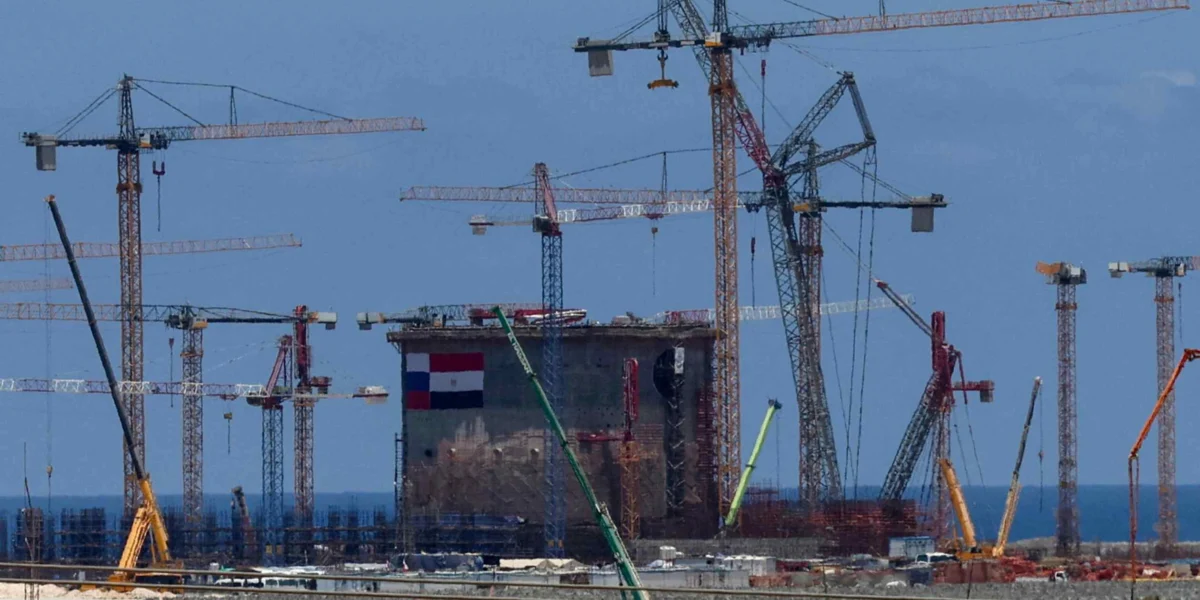
- Russia: Russia remains a significant player, not only in its domestic construction program but also as a major exporter of nuclear technology and expertise. The image accompanying this report, depicting Egypt’s first nuclear power plant under construction with Russian assistance, exemplifies this global reach. These projects often involve comprehensive packages, including financing, construction, fuel supply, and waste management.
- Middle East: Emerging economies in the Middle East, particularly the UAE and Saudi Arabia, are investing heavily in nuclear power to diversify their energy sources away from oil and gas and to meet their growing electricity demands.
- Europe: While some European nations have phased out nuclear power, others are either maintaining existing fleets or even considering new builds or extensions. France, a long-standing proponent of nuclear energy, continues to operate a large fleet and is investing in new reactor designs. Poland is also embarking on a significant new nuclear program.
- North America: The United States, despite a slowdown in new construction in recent decades, is seeing renewed interest, particularly in SMR development and potential extensions of existing plant life.
A Look at the Timeline and Key Milestones
The current surge in nuclear construction has been building for some time. While the seeds of this resurgence were sown in the early 2000s with renewed interest in low-carbon energy, the pace has accelerated significantly in the past decade.
- Early 2000s: Following the energy crises of the 1970s and the subsequent stagnation, a renewed focus on energy security and climate change began to emerge. Early discussions about new nuclear builds began in several countries.
- Mid-2000s: China announced ambitious plans for nuclear expansion, signaling a significant shift in global nuclear construction trends. Other nations, including India and South Korea, also ramped up their nuclear development programs.
- Late 2000s – Early 2010s: The global financial crisis and the Fukushima Daiichi nuclear disaster in 2011 led to a temporary slowdown in new projects and a re-evaluation of safety protocols worldwide.
- Mid-2010s onwards: As climate change concerns intensified and fossil fuel prices began to rise more consistently, coupled with the emergence of the AI revolution, the case for nuclear power strengthened. Countries began to revisit or accelerate their nuclear construction plans.
- Early 2020s: The ongoing energy price crisis and the accelerating adoption of AI have solidified the current boom, with a substantial number of reactors now actively under construction.
Implications and Future Outlook
The significant increase in nuclear reactor construction carries profound implications for the global energy landscape, the fight against climate change, and geopolitical dynamics.

Energy Security and Diversification: For nations reliant on volatile fossil fuel markets, expanding nuclear capacity offers a pathway to greater energy independence and price stability. This can reduce vulnerability to supply disruptions and price shocks, enhancing national security.
Climate Change Mitigation: The continued expansion of nuclear power is crucial for achieving ambitious decarbonization goals. As a low-carbon, baseload power source, it can effectively displace fossil fuel generation and complement intermittent renewable sources, ensuring a reliable and clean energy supply.
Economic Impact: The construction of new nuclear plants represents a significant economic undertaking, creating numerous jobs in engineering, construction, manufacturing, and operation. It can also stimulate innovation in related technological fields.

Geopolitical Dynamics: The global nuclear market is increasingly competitive. Nations with advanced nuclear technology and expertise, such as Russia, France, and China, are playing a significant role in supporting the development of new nuclear programs in other countries. This can lead to new strategic partnerships and influence geopolitical relationships.
Challenges Remain: Despite the positive momentum, challenges persist. The high upfront capital costs of nuclear power plants, long construction times, and the ongoing debate surrounding nuclear waste disposal remain significant hurdles. Public perception and acceptance also continue to be critical factors influencing the deployment of nuclear energy. Furthermore, the sourcing of uranium, the proliferation risks associated with nuclear technology, and the need for robust international safeguards require constant attention.
Official Reactions and Industry Perspectives
Governments and international organizations are largely embracing the renewed focus on nuclear power. The International Atomic Energy Agency (IAEA) has consistently highlighted the vital role of nuclear energy in achieving global climate and energy goals. In official statements, various energy ministries have emphasized the need for a diverse energy mix that includes nuclear to ensure grid stability and meet rising demand.

Industry leaders are optimistic. Representatives from nuclear energy associations and companies are actively promoting the benefits of modern nuclear technology, emphasizing its safety, reliability, and environmental credentials. They are also advocating for streamlined regulatory processes and supportive government policies to facilitate the timely construction of new plants. The focus on SMRs is particularly strong, with proponents arguing they can address some of the cost and deployment challenges associated with traditional large-scale reactors.
The current surge in nuclear construction is a testament to the evolving global energy paradigm. As the world grapples with the twin challenges of energy security and climate change, amplified by the burgeoning demands of the AI revolution, nuclear power is once again taking center stage as a critical component of a sustainable and reliable energy future. The coming years will be pivotal in determining whether this resurgence translates into a sustained, long-term shift towards a greater reliance on nuclear energy.
