

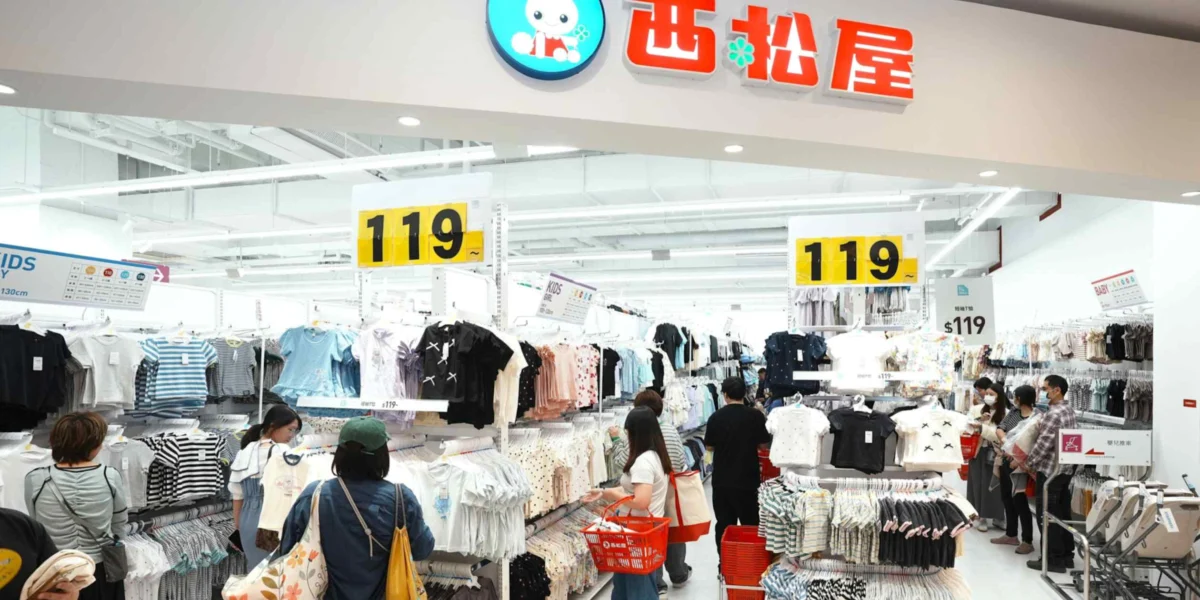
Kobe, Japan — Nishimatsuya Chain, a prominent Japanese retailer specializing in infant and children’s apparel and goods, has officially commenced its international expansion efforts with the grand opening of its inaugural store in Tainan, Taiwan, on Friday, March 20, 2026. This strategic move signifies the company’s second significant foray into overseas markets, following a previous, ultimately unsuccessful, attempt to establish a presence in South Korea over a decade ago. The soft opening of the Tainan store took place on March 17, providing a crucial pre-launch period for operational refinement and initial market feedback.
A New Chapter for Nishimatsuya: Lessons from the Past
The launch in Taiwan represents a carefully considered and, it is hoped, more robust approach to internationalization for Nishimatsuya. The company’s previous venture into South Korea, which began in the early 2010s, faced considerable headwinds. Factors contributing to its eventual withdrawal are widely believed to have included intense local competition from established players, difficulties in adapting product assortments and marketing strategies to Korean consumer preferences, and potentially insufficient market research. Nishimatsuya, known for its affordable yet quality offerings in Japan, found replicating its domestic success challenging in the South Korean retail landscape.
This history undoubtedly informs Nishimatsuya’s current strategy. The decision to target Taiwan, a market with cultural and economic similarities to Japan, suggests a more calculated risk assessment. Taiwan’s robust economy, high birth rates relative to other developed East Asian nations, and a strong consumer appreciation for Japanese retail brands offer a potentially fertile ground for Nishimatsuya’s distinctive value proposition. The company’s extensive experience in catering to the needs of young families in Japan, characterized by a focus on practical, comfortable, and budget-friendly clothing and essential baby products, is expected to resonate with Taiwanese parents.
Strategic Positioning and Market Entry
The Tainan store, situated in a key commercial area, is designed to capture the attention of families in one of Taiwan’s major southern cities. The initial merchandise selection likely mirrors Nishimatsuya’s core offerings, emphasizing everyday wear for infants and children, alongside essential baby care items, toys, and accessories. The company’s established supply chain and operational efficiencies, honed over decades of domestic retail experience, are crucial assets in this new market.
Nishimatsuya’s competitive edge in Japan stems from its ability to offer a wide range of products at accessible price points, catering to a broad demographic of parents. This strategy, often referred to as "everyday value," has cemented its position as a go-to destination for families seeking practical and affordable solutions for their children’s needs. The company operates a vast network of over 1,000 stores across Japan, demonstrating a proven model for efficient retail management and customer reach.
Supporting Data: The Taiwanese Baby and Children’s Market
The Taiwanese market for baby and children’s products is substantial and continues to show resilience. While birth rates in Taiwan have been declining, similar to many developed economies, the spending per child remains significant. In 2025, the total market value for baby and children’s apparel and accessories in Taiwan was estimated to be in the range of TWD 30-40 billion (approximately USD 1-1.3 billion), with a projected steady growth rate of 2-3% annually. Key drivers include a growing emphasis on child well-being, an increasing demand for high-quality and safe products, and the persistent influence of popular culture and trends.
Key segments within this market include:
- Apparel: Ranging from everyday wear to special occasion outfits.
- Diapering and Feeding: Essential items like diapers, wipes, bottles, and sterilizers.
- Toys and Educational Products: Catering to developmental needs and entertainment.
- Nursery Furniture and Gear: Strollers, cribs, car seats, and other safety equipment.
Nishimatsuya’s focus on apparel and essential baby goods places it directly within two of the largest and most consistently demanded segments. The company’s reputation for value is particularly relevant in a market where parents are increasingly discerning about price without compromising on quality and safety.
Chronology of Expansion
The journey to Taiwan has been a long-term strategic consideration for Nishimatsuya.
- Early 2010s: Nishimatsuya undertakes its first international expansion into South Korea. Initial optimism is met with significant market challenges.
- Mid-2010s: Following a period of evaluation, Nishimatsuya withdraws from the South Korean market, consolidating its focus on its highly successful domestic operations.
- Late 2010s – Early 2020s: The company begins to explore potential new international markets, conducting extensive market research and feasibility studies. Taiwan emerges as a primary candidate due to its economic stability, cultural proximity, and consumer demographics.
- 2023-2024: Nishimatsuya finalizes its market entry strategy for Taiwan, including securing retail space, establishing a local operational framework, and adapting its product assortment. Negotiations with potential local partners or distributors may have also taken place during this period, although specific details remain private.
- March 17, 2026: The Tainan store undergoes a soft opening, allowing for final operational adjustments and initial customer interaction.
- March 20, 2026: Nishimatsuya Chain officially opens its first store in Taiwan, marking a significant milestone in its international growth ambitions.
Potential Challenges and Opportunities
While the outlook for Nishimatsuya in Taiwan appears promising, the company must navigate a competitive landscape. Established local retailers, as well as international brands, already hold significant market share. Key competitors in Taiwan include local chains like PChome, Momox, and international brands such as Mothercare and various European and American children’s wear labels. Nishimatsuya will need to differentiate itself not only through price but also through product quality, store experience, and effective marketing.
The opportunity lies in Nishimatsuya’s ability to leverage its core strengths. Its deep understanding of the needs of young families, cultivated over decades of operation in Japan, provides a unique perspective. The brand recognition of Japanese products in Taiwan, particularly in consumer goods, can also serve as an advantage. Furthermore, the company’s commitment to a wide product range, from clothing to essential baby items, positions it as a one-stop shop for many parents, a convenience factor that is highly valued.
Official Statements and Inferred Reactions
While no direct quotes from Nishimatsuya executives regarding the Taiwan launch have been publicly released, the company’s decision to invest in this expansion strongly suggests a renewed confidence in its international strategy. The extended period of market research and planning prior to this launch indicates a deliberate and cautious approach, likely informed by the lessons learned from its South Korean venture.
One can infer that the company’s leadership views Taiwan as a strategic stepping stone for future international growth. Success in this market would validate their revised approach to overseas expansion and potentially pave the way for further entries into other promising Asian markets. The company’s consistent performance in Japan, where it has maintained a strong market position and consistent profitability, provides a solid foundation for undertaking such ambitious international endeavors.
Broader Implications for the Retail Sector
Nishimatsuya’s return to the international stage, with a focus on Taiwan, highlights several key trends in the global retail landscape:
- The enduring appeal of Japanese retail brands: Japanese retailers, known for their quality, customer service, and often unique product offerings, continue to attract international interest.
- Strategic market selection: Companies are increasingly focusing on markets with cultural affinities and strong consumer demand for their specific product categories.
- The importance of adaptability: Success in international markets requires a willingness to adapt product assortments, marketing strategies, and operational models to local conditions.
- The growing significance of the East Asian consumer market: As economies in East Asia continue to develop, the demand for high-quality consumer goods, particularly for children, remains robust.
The success of Nishimatsuya’s Taiwan venture will be closely watched by other Japanese retailers considering international expansion. It could signal a new wave of outbound investment from Japan, driven by a more mature and data-driven approach to global market penetration. The company’s ability to capture the attention and loyalty of Taiwanese consumers will be a critical determinant of its long-term success and its ability to establish a lasting international footprint beyond its home market.
