

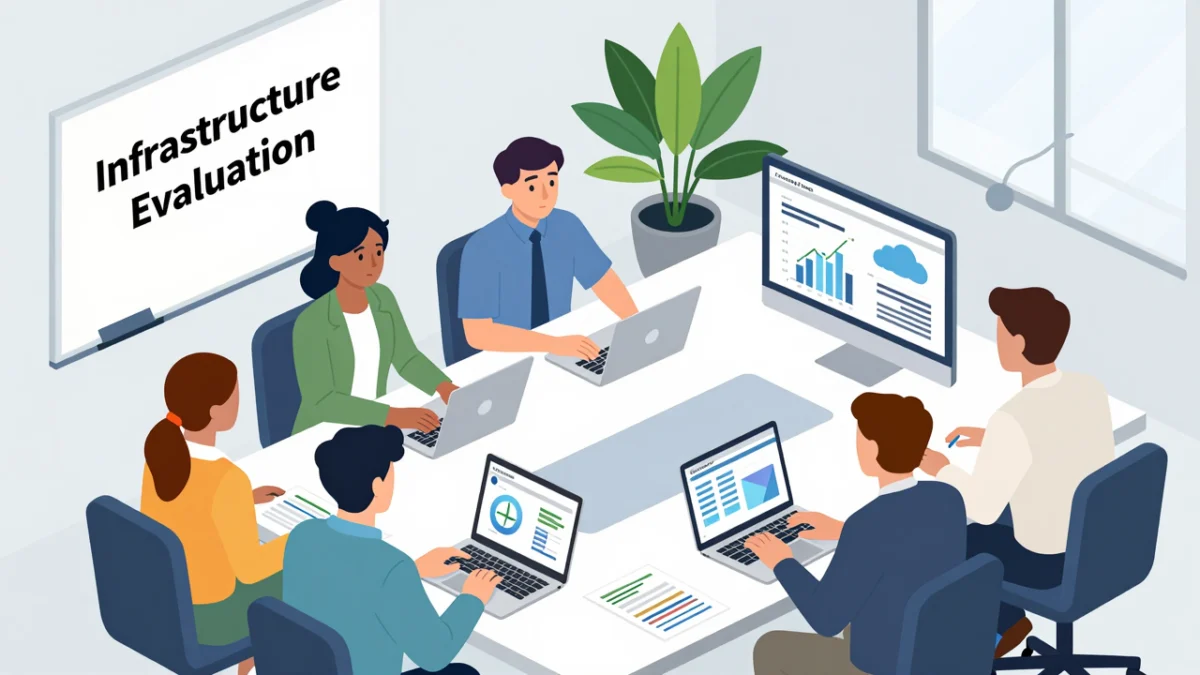
The rapid acceleration of digital transformation has rendered the technology migration strategy a critical cornerstone for organizational resilience, serving as the essential roadmap for transitioning digital assets, applications, and core services from legacy environments to modern cloud platforms. As global enterprises grapple with the limitations of aging on-premises hardware, the shift toward cloud-native architectures is no longer a luxury but a strategic imperative. A successful migration requires a meticulous evaluation of existing IT resources, the establishment of granular objectives, and a proactive approach to risk management to ensure that business continuity remains uncompromised during the transition.

The Strategic Framework of Technology Migration
A technology migration strategy is defined as a structured plan for moving data, software, and IT operations from one environment to another. In the current economic climate, this typically involves moving from local data centers to public, private, or hybrid cloud environments. The process begins with a comprehensive audit of the existing IT estate. Organizations must inventory every application, database, and network configuration to understand the interdependencies that exist within their current infrastructure.

Industry analysts suggest that the primary drivers for these migrations are scalability, cost optimization, and enhanced security. By transitioning to the cloud, companies can shift from a Capital Expenditure (CapEx) model, which requires significant upfront investment in hardware, to an Operational Expenditure (OpEx) model, where they pay only for the resources they consume. However, without a clear strategy, these benefits can be offset by unforeseen complexities and "cloud sprawl," where unmanaged resources lead to spiraling costs.

Chronology of a Successful Migration Process
The lifecycle of a technology migration is rarely linear, but it generally follows a phased approach designed to minimize disruption.

- Assessment and Discovery Phase: During this initial stage, IT leaders identify which workloads are suitable for migration. This involves a "gap analysis" to compare current capabilities with desired future outcomes.
- Strategic Selection (The 7 Rs): Organizations must decide on the technical approach for each asset. These approaches range from "Retiring" unused applications to "Refactoring" core software to take full advantage of cloud-native features.
- Planning and Pilot Testing: Before a full-scale move, a "pilot migration" of non-critical workloads is often conducted. This allows the team to test the migration tools and identify potential bottlenecks in a controlled environment.
- Execution and Migration: This is the phase where data and applications are actually moved. Depending on the strategy, this may happen in "waves" to ensure that the IT team can manage the support requirements of each newly migrated system.
- Validation and Optimization: Post-migration, the focus shifts to ensuring data integrity and system performance. Continuous monitoring tools are deployed to track latency, throughput, and user experience.
Categorizing Migration Methodologies: The 7 Rs
Understanding the different technical paths available is crucial for aligning the migration with business goals. The industry standard "7 Rs" framework provides a menu of options:

- Rehosting (Lift and Shift): Moving applications to the cloud without making any changes to the code. This is the fastest method but may not yield the full cost-benefits of the cloud.
- Replatforming (Lift and Reshape): Making minor adjustments to the application to better suit the cloud environment, such as moving a database to a managed service.
- Refactoring (Re-architecting): Completely rewriting parts of the application to use cloud-native features like microservices or serverless computing. This offers the highest performance but requires the most time and investment.
- Repurchasing (Drop and Shop): Moving from a perpetual license to a Software-as-a-Service (SaaS) model, such as moving from on-premises email to Microsoft 365.
- Relocating (Hypervisor-level Migration): Moving infrastructure to a cloud provider without changing the underlying architecture, often used in VMware-based environments.
- Retaining: Keeping certain applications on-premises due to compliance, latency requirements, or because they are not yet ready for the cloud.
- Retiring: Decommissioning applications that are no longer useful to the business.
Risk Mitigation and Operational Continuity
Every technology migration carries inherent risks, including data loss, extended downtime, and security vulnerabilities. To mitigate these threats, organizations must implement a robust risk management framework. One of the most significant concerns is the "dependency chain"—the hidden connections between applications that can cause a system-wide failure if one component is moved without its counterparts.

To combat this, experts recommend a phased migration approach. By shifting individual components incrementally, IT teams can isolate issues and resolve them without impacting the entire organization. Furthermore, the use of automated migration tools can significantly reduce the potential for human error, which is cited as a leading cause of migration-related outages.

Data integrity is another critical pillar. During the transfer of massive datasets, "bit rot" or packet loss can corrupt files. Implementing checksums and hash functions ensures that the data residing in the new environment is an exact replica of the original. Additionally, a comprehensive rollback plan must be in place. If a migration wave fails, the organization must be able to revert to the legacy system immediately to prevent operational paralysis.

Supporting Data and Market Implications
The scale of global technology migration is reflected in recent market data. According to industry reports, nearly 90% of large enterprises have now adopted a multi-cloud strategy, utilizing services from multiple providers like Amazon Web Services (AWS), Microsoft Azure, and Google Cloud Platform (GCP). This shift is driven by a desire to avoid "vendor lock-in" and to leverage the specific strengths of different platforms.

Furthermore, statistics indicate that organizations that follow a structured migration strategy experience up to 40% lower operational costs over a three-year period compared to those that approach migration in an ad-hoc manner. However, the "skills gap" remains a significant hurdle. A 2023 survey of IT decision-makers revealed that 65% of organizations feel they lack the internal expertise to manage complex cloud migrations, leading to an increased reliance on third-party consultants and managed service providers.

Regulatory Compliance and Data Governance
In an era of stringent data privacy laws, compliance is a non-negotiable aspect of technology migration. Organizations operating in the European Union must adhere to the General Data Protection Regulation (GDPR), which dictates how personal data must be handled and stored. Similarly, healthcare providers in the United States must ensure that any migration of patient data complies with the Health Insurance Portability and Accountability Act (HIPAA).

During the migration process, data is often at its most vulnerable. Encryption must be applied both "in transit" (as it moves across networks) and "at rest" (once it reaches the new destination). Establishing role-based access controls (RBAC) is also essential to ensure that only authorized personnel can interact with sensitive data during the transition. Detailed audit trails must be maintained throughout the process to provide proof of compliance to regulatory bodies.

The Human Element: Training and Change Management
While the technical aspects of migration often take center stage, the human element is equally vital. A new technology environment often requires a completely different skillset from the IT staff and a new way of working for end-users. Without proper training, the "user adoption rate" can plummet, undermining the ROI of the entire migration project.

Organizations should invest in skill development workshops and provide access to comprehensive documentation. Establishing a dedicated help desk during the transition period can help alleviate user anxiety and resolve minor issues before they escalate. By fostering a culture of continuous learning, companies can ensure that their workforce is equipped to leverage the new tools effectively.

Post-Migration Optimization and Future Trends
The conclusion of the migration phase is not the end of the journey; rather, it is the beginning of a new phase of optimization. Once the systems are live in the new environment, IT teams must continuously monitor performance and costs. Cloud environments are dynamic, and resources that were necessary during the migration may become redundant later.

Looking ahead, several emerging trends are set to redefine the migration landscape:

- AI-Driven Migration: Artificial Intelligence and Machine Learning are being used to automate the discovery and mapping of IT infrastructures, making the assessment phase faster and more accurate.
- Serverless and Event-Driven Architectures: More companies are bypassing traditional virtual machines in favor of serverless computing, which scales automatically and further reduces management overhead.
- Edge Computing Integration: As IoT devices proliferate, migration strategies are increasingly accounting for "edge" locations, moving processing power closer to the source of data generation to reduce latency.
In summary, a well-executed technology migration strategy is a multifaceted endeavor that balances technical precision with strategic business goals. By prioritizing assessment, choosing the correct migration path, and maintaining a relentless focus on security and compliance, organizations can navigate the complexities of the digital shift and emerge with a more agile, scalable, and cost-effective IT infrastructure. Success in the modern marketplace depends on the ability to adapt to new technologies, and a robust migration roadmap is the vehicle that makes that adaptation possible.
