


The international diplomatic landscape surrounding the Iran-conflict remains a complex and rapidly evolving chessboard, with recent developments indicating a significant delay in the planned departure of U.S. Vice President JD Vance to Pakistan. This postponement, reported by multiple media outlets, signals a potential recalibration of U.S. diplomatic strategy and highlights the delicate nature of ongoing negotiations aimed at de-escalating tensions. The situation is further complicated by Iran’s continued indecision regarding participation in talks and the persistent impact of an extended ceasefire on global oil markets.
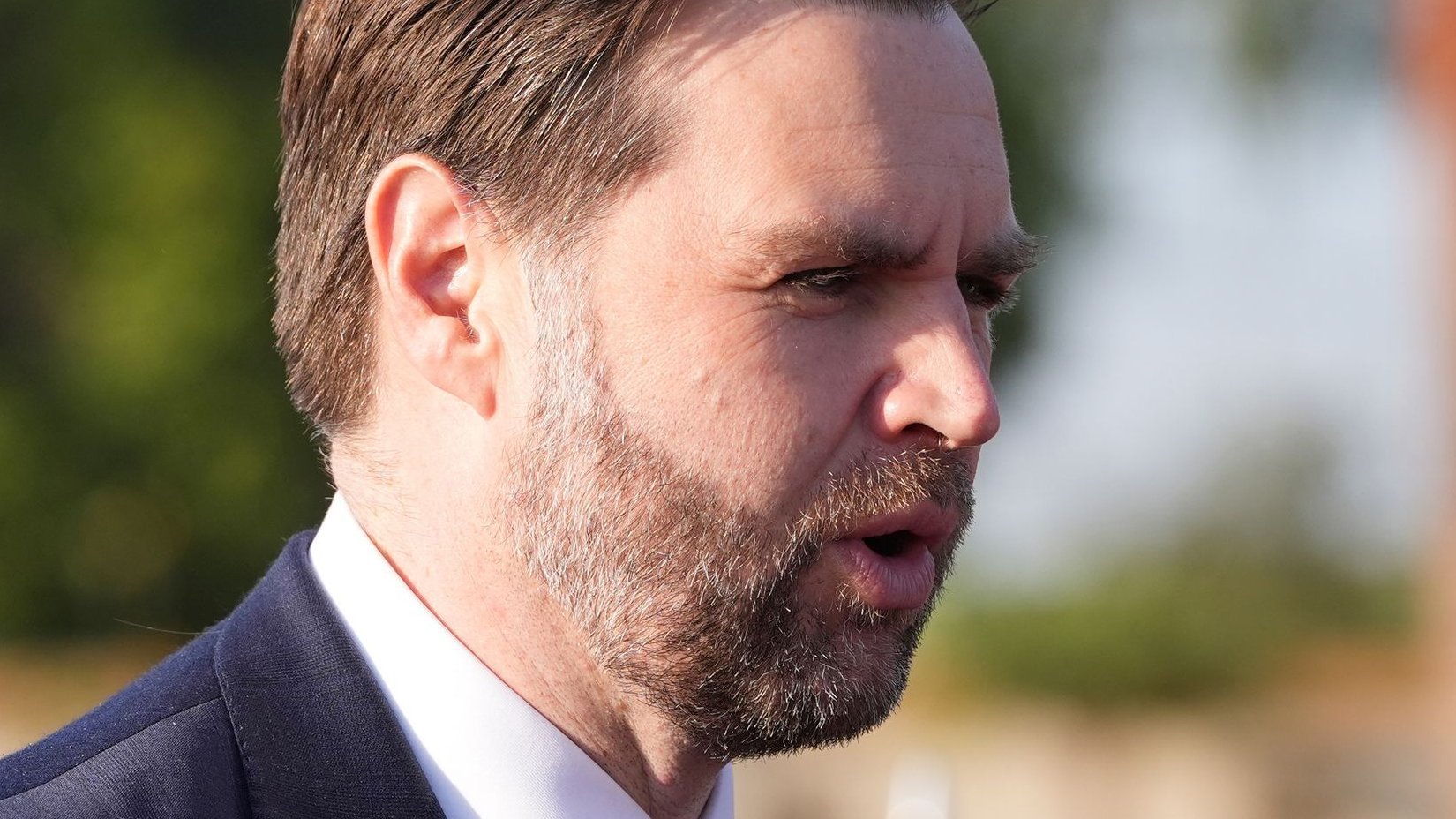
The reported delay in Vice President Vance’s trip to Pakistan, a crucial hub for potential U.S.-Iran dialogue, suggests a pause or reassessment within the White House’s diplomatic efforts. While the exact reasons for the postponement are not fully detailed, sources close to the administration suggest that Iran’s lack of a definitive response to U.S. proposals for negotiation has contributed to this strategic pause. This indicates that the U.S. may be awaiting a clearer signal from Tehran before proceeding with high-level engagement. The "New York Times" and CNN reported that Vance, who was expected to depart Washington for Pakistan earlier in the day, remained in the U.S. capital to participate in further discussions at the White House. This suggests that the decision to delay was not taken lightly and involved high-level deliberation.
Iran’s stance on participating in negotiations has been characterized by ambiguity. Iranian officials have cited "contradictory messages, unclear patterns of behavior, and unacceptable actions by the United States" as reasons for their hesitation. This sentiment was echoed by Foreign Ministry spokesman Ismail Baghai, who stated that the current situation was not due to Iranian indecision but rather the U.S. approach. This diplomatic stalemate underscores the deep-seated mistrust and the intricate demands that each side places on the other for any meaningful engagement. The Iranian Foreign Ministry also condemned the U.S. naval blockade of Iranian ports as a "warlike act and a violation of the ceasefire," further complicating any potential path to de-escalation.

The broader context of the Iran-conflict involves a protracted period of heightened geopolitical tension, marked by various incidents and a complex web of international sanctions and diplomatic maneuvers. The conflict has its roots in a confluence of factors, including regional power dynamics, Iran’s nuclear program, and the U.S. administration’s policy of maximum pressure. The current phase of diplomacy appears to be an attempt to break this deadlock, with Pakistan emerging as a potential mediator due to its historical ties and regional influence.
Extended Ceasefire and Oil Market Impact
Despite President Donald Trump’s announcement of an extended ceasefire with Iran, the global oil markets have shown little sign of genuine relief. The price of Brent crude for June delivery briefly surpassed $100 per barrel for the first time in over a week before experiencing a slight pullback to $99. This represents a nearly 4% increase compared to the previous day’s trading. While the increase in U.S. WTI crude was less pronounced, the overall trend indicates that the extended ceasefire has not significantly curbed the upward pressure on oil prices.
The resilience of oil prices in the face of a de-escalation signal can be attributed to several underlying factors. The market remains sensitive to potential supply disruptions in the Strait of Hormuz, a critical chokepoint for global oil shipments. Furthermore, ongoing geopolitical uncertainties and the potential for renewed conflict continue to influence market sentiment, leading traders to factor in a risk premium. The U.S. Treasury Secretary Scott Bessent has highlighted the effectiveness of the ongoing blockade of Iranian sea trade, stating that it is severely impacting Tehran’s economic capacity. Bessent noted that storage facilities on the crucial oil-export island of Charg were nearing capacity, potentially forcing the shutdown of oil fields. This indicates that while diplomatic channels are being explored, economic pressure remains a significant tool in the U.S. strategy.
International Reactions and Diplomatic Efforts
The extended ceasefire has garnered reactions from various international bodies and nations. The International Atomic Energy Agency (IAEA) has welcomed the move, with IAEA Director General Rafael Grossi stating that efforts to end the conflict are a "complex process" and that continuity is crucial for peace. Grossi emphasized the importance of providing "a chance for peace." He also stressed that any potential peace agreement must involve the IAEA from the outset to ensure oversight of Iran’s nuclear program, warning against an "illusion of an agreement."

United Nations Secretary-General António Guterres described the ceasefire extension as an "important step towards de-escalation," creating "critical space for diplomacy and confidence-building between Iran and the United States." His spokesperson, Stéphane Dujarric, urged all parties to leverage this momentum, refrain from actions that could undermine the ceasefire, and engage constructively in negotiations for a sustainable solution. The UN also expressed its full support for Pakistan’s efforts to facilitate talks between the U.S. and Iran, hoping for the creation of conditions conducive to a comprehensive and lasting resolution.
Meanwhile, plans are underway for a potential multinational military deployment to secure the Strait of Hormuz in the event of a cessation of hostilities. Military representatives from 30 countries are scheduled to convene at the British military headquarters in Northwood, London, for a two-day planning meeting. This initiative, spearheaded by the United Kingdom and France, follows an international conference in Paris. The proposed neutral naval operation aims to escort and secure merchant vessels, distinct from the belligerent parties, with Germany also considering contributions to mine clearance and aerial reconnaissance.

Iran’s Accusations and U.S. Actions
The ongoing diplomatic tension is exacerbated by Iran’s accusations of U.S. violations of the ceasefire. The Iranian mission to the UN has formally requested a "decisive and unequivocal" condemnation from the Security Council regarding the U.S. seizure of an Iranian-flagged freighter. The mission characterized the action as a "grave violation of international law, a clear breach of the ceasefire, and an act of aggression with characteristics of piracy." They warned that such actions jeopardize international shipping and undermine maritime security.
This accusation follows a U.S. military operation where an oil tanker, previously sanctioned by the U.S. for its ties to Iran, was boarded and seized. U.S. forces conducted a maritime intervention in international waters, boarding the "M/T Tifani" without incident. The Pentagon reiterated that "international waters are not a sanctuary for sanctioned vessels," underscoring their commitment to enforcing sanctions. The ship’s tracking data placed it in the Indian Ocean, between Sri Lanka and Indonesia.

Broader Implications and Regional Dynamics
The prolonged conflict and its associated diplomatic intricacies have significant implications for regional stability and global economic security. The Strait of Hormuz remains a critical concern, with any disruption to shipping potentially leading to severe economic consequences. The planned multinational naval operation highlights the international community’s recognition of this vulnerability.
Furthermore, the conflict has drawn in various regional players, each with their own interests and concerns. The opening of the Rabia/Al-Jarubija border crossing between Iraq and Syria after more than a decade signifies a potential shift in regional trade dynamics. Syria has lauded the crossing as a secure land route for oil exports and an alternative to the Strait of Hormuz, which is currently under significant pressure due to the Iran-conflict. This development could reshape regional logistics and economic interdependence.

The U.S. administration’s strategy appears to be a dual approach of diplomatic engagement coupled with continued economic pressure. The sanctions targeting Iran’s arms procurement network, which include individuals and entities in Iran, Turkey, and the UAE, are designed to cripple Tehran’s ability to finance its military programs. These sanctions focus on components for drone and rocket fuel, indicating a targeted effort to impede Iran’s advanced weapons development.
The delayed departure of Vice President Vance underscores the contingent nature of diplomatic progress. The U.S. appears to be waiting for a more concrete commitment from Iran before advancing high-level negotiations. The coming days and weeks will be critical in determining whether this period of diplomatic uncertainty gives way to substantive talks or further escalates tensions. The global community remains watchful, hoping for a peaceful resolution that safeguards regional stability and global economic interests. The intricate dance of diplomacy, economic pressure, and military posturing continues to define the complex landscape of the Iran-conflict.
