

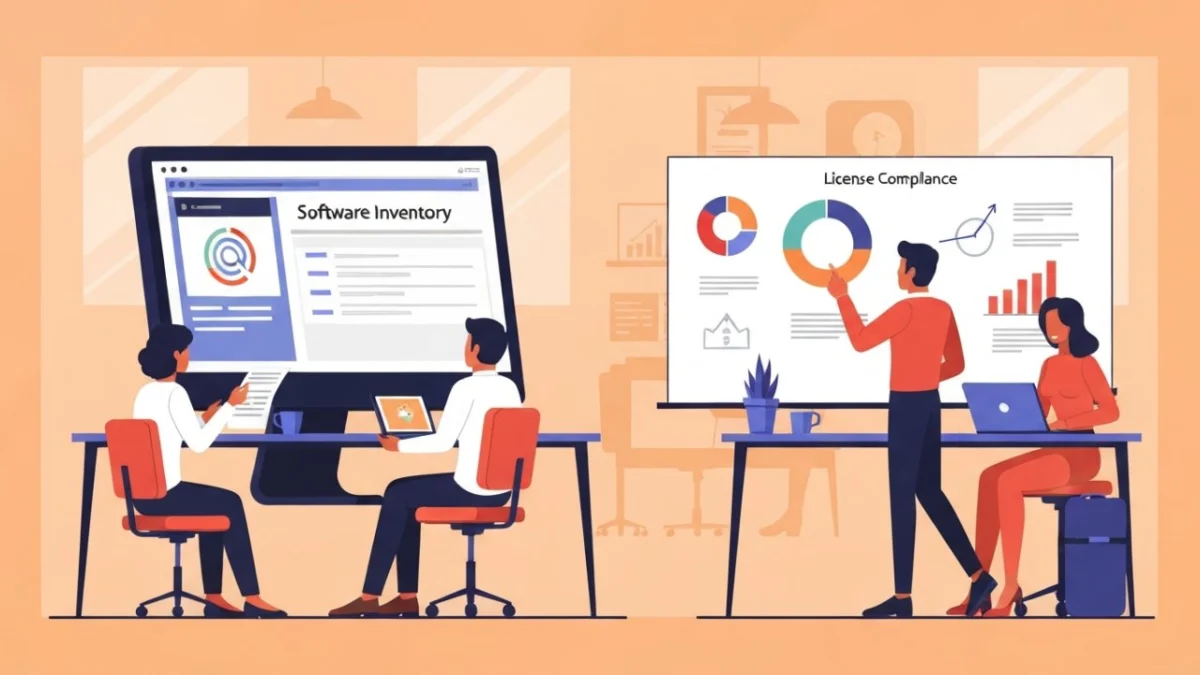
Software Asset Management (SAM) has emerged as a cornerstone of modern corporate governance, providing the framework necessary for organizations to maintain technological agility while ensuring fiscal responsibility and legal compliance. As enterprises navigate an increasingly complex digital landscape characterized by the proliferation of Software-as-a-Service (SaaS), hybrid cloud environments, and decentralized procurement, the systematic management of software assets is no longer an optional IT function but a strategic business imperative. By implementing a robust SAM program, organizations can achieve a 30% reduction in software expenditures within the first year, while simultaneously mitigating the significant financial and reputational risks associated with vendor audits and licensing non-compliance.
The Evolution of Software Asset Management: A Strategic Chronology
The discipline of Software Asset Management has undergone a profound transformation over the last three decades, evolving in tandem with the shifts in how software is developed, delivered, and consumed. In the early 2000s, SAM was primarily a reactive function, focused on manual inventories and the physical counting of licenses and installation media. The primary goal was to ensure that the number of installations did not exceed the number of purchased "perpetual" licenses.

By the mid-2010s, the rise of virtualization and the initial wave of cloud migration introduced new layers of complexity. The "per-device" licensing model began to give way to "per-user" and "per-core" models, necessitating more sophisticated tracking mechanisms. During this period, SAM tools began to incorporate basic discovery features to automate the identification of software across networked environments.
In the current era, spanning 2020 to 2024, the focus has shifted toward "SaaS Management" and "Cloud FinOps." The decentralized nature of modern software procurement—where individual departments can subscribe to tools without IT oversight—has led to the phenomenon of "Shadow IT." Industry analysts project that by 2026, organizations that fail to centralize their SAM processes will see their software waste increase by up to 60%. Consequently, modern SAM strategies now emphasize real-time visibility, automated lifecycle management, and deep integration with financial operations to reclaim control over sprawling digital estates.
The Financial Imperative: Data-Driven Cost Optimization
The financial impact of inefficient software management is substantial. Market research indicates that the average enterprise wastes approximately 30% to 35% of its total software budget on unused or underutilized licenses. This waste typically stems from three sources: "shelfware" (licenses purchased but never deployed), "zombie accounts" (subscriptions for former employees that remain active), and "feature-tier mismatch" (paying for premium enterprise features when basic functionality would suffice).

By establishing a centralized SAM repository, organizations can leverage data analytics to identify these inefficiencies. For instance, an audit of a major multinational corporation recently revealed that 40% of its specialized engineering software licenses had not been accessed in over 90 days. By reallocating these licenses to new hires instead of purchasing new ones, the firm avoided $2.4 million in unnecessary capital expenditure.
Furthermore, SAM provides the data-driven leverage necessary for vendor negotiations. When an organization possesses 100% visibility into its actual usage patterns, it can enter contract renewals with a clear understanding of its requirements, often negotiating more favorable terms or consolidated "all-you-can-eat" agreements that align with actual business needs rather than vendor-pushed estimates.
Compliance and Risk Management: Navigating the Audit Landscape
Beyond cost savings, SAM is the primary defense against the legal and financial risks of software audits. Major vendors such as IBM, Oracle, and Microsoft frequently exercise their contractual right to audit customers to ensure compliance with End User License Agreements (EULAs). Non-compliance can result in "true-up" costs that run into millions of dollars, alongside significant legal penalties and interest.

Effective SAM reduces audit response times by 50% by providing a "Single Source of Truth" for all licensing entitlements and deployments. Instead of a frantic, multi-month scramble to collect data across disparate departments, a SAM-mature organization can generate a compliance report in a matter of days. This proactive stance not only avoids fines but also fosters a more transparent and collaborative relationship with software vendors.
Moreover, SAM plays a critical role in cybersecurity. Unmanaged software is often unpatched software. By maintaining a comprehensive inventory, IT security teams can quickly identify which devices are running vulnerable versions of applications, ensuring that security updates are applied uniformly across the enterprise. This integration of SAM and IT Security (ITAM and ITSM) is increasingly recognized as a vital component of a comprehensive risk management strategy.
The Five Pillars of an Effective SAM Framework
To achieve long-term success, industry experts recommend a framework built upon five core pillars, often referred to as the "5 Ps of Asset Management."

-
Purpose: The organization must define clear objectives for its SAM program. Is the primary goal cost reduction, audit readiness, or supporting a cloud migration? Aligning SAM goals with broader business objectives ensures executive buy-in and resource allocation.
-
Process: SAM is not a one-time project but a continuous lifecycle. This includes standardized processes for request, procurement, deployment, monitoring, and eventual retirement of software assets.
-
People: Success requires a cross-functional team. While IT often leads the effort, involvement from Finance (for budgeting), Legal (for contract review), and Procurement (for vendor relations) is essential. Training personnel on SAM tools and policies is equally critical to prevent the re-emergence of Shadow IT.
-
Performance: Organizations must establish Key Performance Indicators (KPIs) to measure the effectiveness of the SAM program. Common metrics include the license utilization rate, the percentage of software spend under management, and the total cost savings achieved through re-harvesting.

-
Policy: Clear, enforceable policies must govern how software is acquired and used. This includes a "Preferred Vendor List" and a formal approval process for new software requests, ensuring that every tool added to the environment is necessary and compliant.
Implementation Best Practices and Technological Integration
Implementing a SAM strategy requires a blend of technological solutions and cultural shifts. The first step is the deployment of automated discovery tools. These tools scan the corporate network, identifying all installed applications, cloud instances, and SaaS subscriptions. Modern tools use "agentless" discovery to minimize the impact on system performance while ensuring no corner of the network remains unmonitored.
Once the inventory is established, it must be reconciled against "entitlements"—the actual contracts and licenses the company owns. This reconciliation process reveals the "Effective License Position" (ELP), highlighting where the company is over-licensed (wasting money) or under-licensed (at risk).

Continuous monitoring is the final technological piece of the puzzle. By tracking usage patterns over time, SAM managers can identify "low-usage" users and offer them alternative, lower-cost tools or harvest their licenses for others. This "re-harvesting" cycle is the engine that drives the 30% cost reduction mentioned by industry analysts.
The Broader Impact: Sustainability and Digital Sovereignty
The implications of Software Asset Management extend beyond the balance sheet. In an era where Environmental, Social, and Governance (ESG) criteria are increasingly important, SAM contributes to corporate sustainability. By optimizing software usage, organizations can reduce the computational load on servers and data centers, leading to lower energy consumption and a smaller carbon footprint.
Furthermore, as geopolitical tensions influence the global technology market, SAM is becoming a tool for "Digital Sovereignty." Organizations must understand where their software originates and where their data is stored. A comprehensive SAM inventory allows a firm to quickly assess its exposure to specific geographic regions or vendors, enabling more resilient disaster recovery and business continuity planning.

Conclusion and Future Outlook
As we move toward 2026, the integration of Artificial Intelligence (AI) and Machine Learning (ML) into SAM platforms is expected to further revolutionize the field. Predictive analytics will allow organizations to forecast future software needs based on hiring trends and project roadmaps, enabling "just-in-time" license procurement.
In conclusion, Software Asset Management has matured into a sophisticated discipline that sits at the intersection of technology, finance, and law. For the modern enterprise, the path to operational excellence requires a commitment to the principles of SAM. By transforming software from a hidden expense into a managed strategic asset, organizations can unlock significant capital, reduce their risk profile, and ensure they are equipped to meet the challenges of the digital future. The initial investment in SAM tools and personnel is invariably dwarfed by the long-term savings and security it provides, making it one of the highest-ROI initiatives available to contemporary IT leadership.
