

In the corridors of the German Federal Ministry for Economic Affairs and Climate Action, a flicker of innovation was once observed. Weeks ago, as fuel prices continued their relentless ascent, igniting widespread public frustration, a potential solution to the complex question of targeted citizen relief began to crystallize within the ministry’s strategic discussions. The idea, dubbed "Pendlergeld" (commuter money) by its proponents, aimed to provide swift and precise assistance to drivers grappling with the escalating costs of transportation. The proposed mechanism for achieving this was the "Direktauszahlungsmechanismus" (direct payment mechanism), a system originally conceived by the "traffic light" coalition for a planned, though never realized, climate allowance. This mechanism promised to create a direct link between the state treasury and citizens’ bank accounts, enabling direct transfers for the first time.
This initiative, spearheaded by Minister Katherina Reiche (CDU) and her team, sought to circumvent the bureaucratic complexities that have historically hampered direct government payouts. The underlying principle was to move beyond indirect subsidies and instead empower citizens with immediate financial support, thereby addressing the immediate impact of rising energy costs. The concept was born out of a perceived need for a more agile and effective response to economic pressures, particularly those felt acutely by individuals reliant on private transportation for their daily commutes.
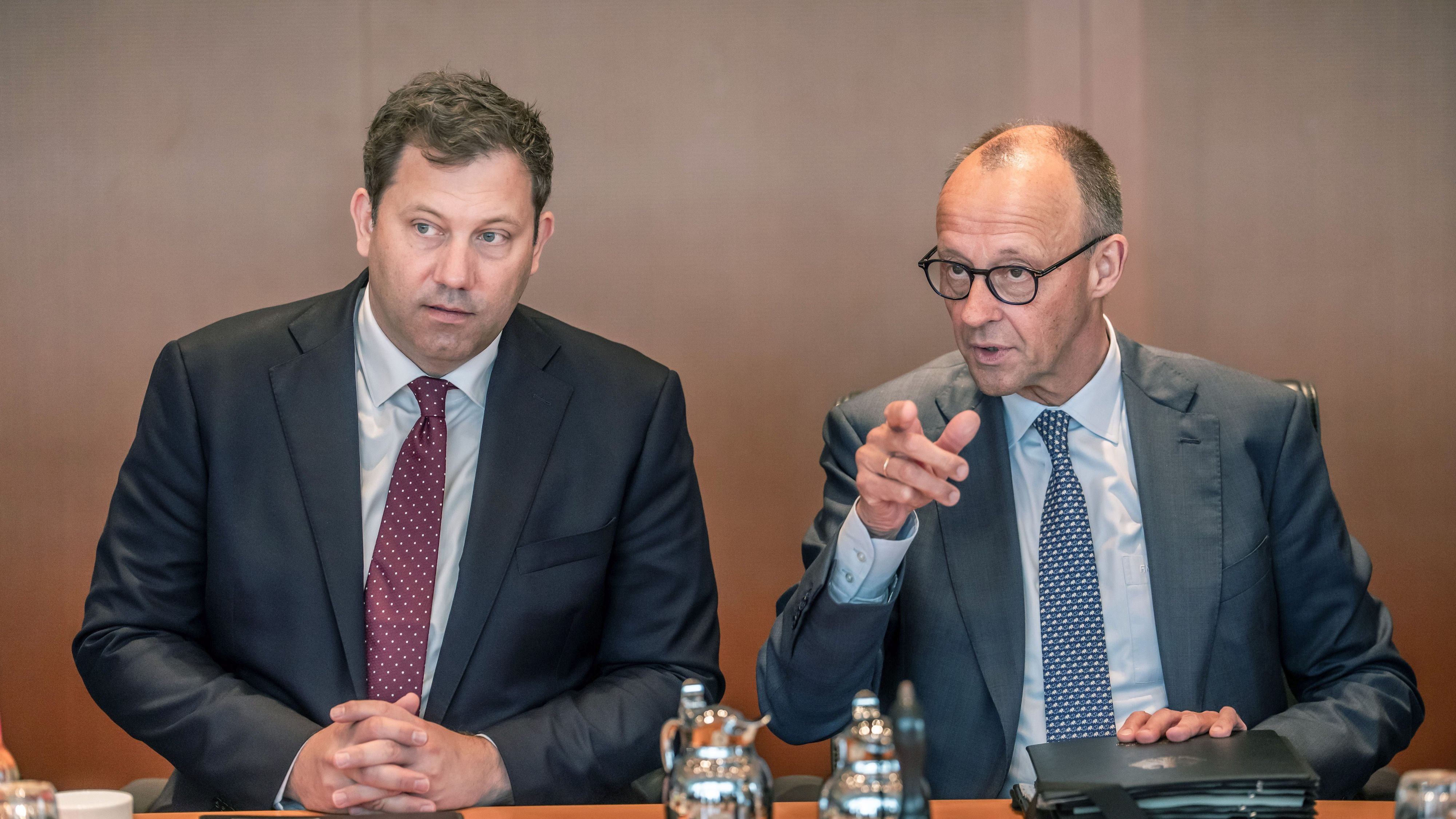
Adding a distinct layer to these efforts, Federal Finance Minister Lars Klingbeil (SPD) was also reportedly working on a parallel plan for direct transfers. However, Klingbeil’s approach aimed for a more socially calibrated distribution. His objective was to link payouts to income levels, ensuring that financial assistance would primarily benefit low and middle-income earners. From the SPD’s perspective, a blanket payment to all citizens was deemed not only socially inequitable but also fiscally imprudent. This divergence in approach highlighted a broader debate within the coalition regarding the principles of social welfare and economic stimulus.
The Genesis of "Pendlergeld" and the Direct Payment Mechanism
The "Pendlergeld" concept emerged as a direct response to the palpable economic strain experienced by German citizens due to soaring energy prices. The relentless climb in fuel costs, coupled with the broader impact of inflation on household budgets, created a sense of urgency for effective government intervention. The Federal Ministry for Economic Affairs and Climate Action, under the leadership of Minister Reiche, recognized the need for a more direct and efficient method of providing relief. Traditional approaches, often involving tax adjustments or complex subsidy programs, were perceived as too slow and indirect to adequately address the immediate challenges faced by commuters.
The "Direktauszahlungsmechanismus" was seen as the linchpin of this new strategy. This digital infrastructure, envisioned to connect the state’s financial systems directly to individual bank accounts, represented a significant departure from previous administrative models. Its origins lay in the groundwork laid by the previous coalition government for a proposed climate allowance, a concept that aimed to redistribute the financial burden and benefits of climate policies more equitably. While the climate allowance itself never materialized, the underlying technological and administrative framework for direct payments remained a potential tool in the government’s arsenal.
The allure of the direct payment mechanism was its potential for speed and precision. Unlike gradual tax reductions or complex rebate systems, direct transfers could, in theory, be implemented rapidly, injecting much-needed liquidity directly into the hands of those most affected. This was particularly appealing in the context of volatile energy markets, where the impact of price fluctuations could be felt immediately by households. The ministry’s proposal therefore centered on leveraging this existing, albeit dormant, infrastructure to create a rapid response mechanism for economic hardship.
Divergent Philosophies: Targeted Relief vs. Broad-Based Support
While the Ministry for Economic Affairs was focusing on direct relief for commuters, the Ministry of Finance, under Lars Klingbeil, was simultaneously exploring its own avenues for direct financial support. Klingbeil’s approach, however, was rooted in a different set of priorities, emphasizing social equity and fiscal responsibility. The SPD’s stance was that any broad-based direct payment would disproportionately benefit those who were already financially secure, while failing to adequately support those most in need.
Klingbeil’s vision for direct transfers was explicitly tied to income levels. The proposal aimed to implement a progressive distribution model, where the bulk of the financial assistance would flow to low and middle-income households. This would ensure that the funds provided a meaningful boost to those struggling to cope with rising living costs, rather than simply adding to the disposable income of the already affluent. This approach reflected a core tenet of social democratic policy: ensuring that economic measures serve to reduce inequality and promote social cohesion.
The perceived "socially unausgewogen" (socially unbalanced) nature of a universal payment was a significant point of contention. The SPD argued that such a measure would be fiscally inefficient, with a substantial portion of the funds being distributed to individuals who did not require additional financial support. Furthermore, the sheer scale of a universal payout could place an unsustainable burden on the national budget, potentially necessitating future austerity measures or tax increases that would ultimately fall on the same segments of the population the policy aimed to help.
The Bureaucratic Hurdle: A Persistent Challenge
Despite the innovative proposals and the clear need for citizen relief, the implementation of direct payments has historically been plagued by bureaucratic inertia and administrative challenges. The very "Direktauszahlungsmechanismus" that offered such promise had, for years, remained largely dormant, a testament to the complexities of integrating government systems and ensuring accurate data management.
The administrative burden of processing direct payments to millions of citizens is substantial. It requires robust databases, secure data transfer protocols, and efficient verification processes to ensure that payments reach the correct individuals and are not subject to fraud or error. The German federal system, with its division of responsibilities between federal and state authorities, can further complicate such endeavors, requiring extensive coordination and agreement across different administrative levels.

The experience with the initial plans for a climate allowance had already highlighted these difficulties. Despite the conceptual clarity of direct transfers, the practicalities of implementation proved to be a significant hurdle. This history cast a shadow over the new proposals, raising questions about whether the administrative capacity existed to execute such a plan effectively and efficiently, especially under the pressure of rising energy prices and public demand for immediate action.
Political Dynamics and Potential Outcomes
The differing approaches of the Economic Affairs and Finance Ministries signaled a potential political negotiation within the governing coalition. The CDU, under Minister Reiche, appeared to favor a more immediate and broadly accessible form of relief, potentially appealing to a wider segment of the electorate concerned about fuel costs. The SPD, conversely, championed a more targeted and socially conscious distribution, aligning with their core principles of social justice.
The resolution of this internal debate would have significant implications. A compromise could emerge, perhaps involving a tiered system that offers a base payment to all, with additional support for lower-income households. Alternatively, one ministry’s vision might ultimately prevail, leading to a policy that more closely reflects its priorities.

The successful implementation of any direct payment scheme hinges on overcoming the existing bureaucratic obstacles. If the "Direktauszahlungsmechanismus" can be effectively modernized and deployed, it could indeed offer a powerful tool for future crisis management. However, if administrative hurdles remain insurmountable, the government might be forced to revert to more traditional, albeit less efficient, methods of relief, such as temporary tax reductions or energy price caps.
Broader Economic Context and Implications
The discussions surrounding "Pendlergeld" and direct payments occur against a backdrop of significant economic uncertainty. Global energy markets remain volatile, influenced by geopolitical events and the ongoing transition to renewable energy sources. Inflationary pressures continue to impact household purchasing power, and concerns about a potential economic slowdown persist.
In this environment, effective fiscal policy is paramount. Direct payments, if implemented successfully, could provide a much-needed economic stimulus, boosting consumer spending and supporting businesses. However, poorly designed or inefficiently administered programs could lead to wasted resources and unintended consequences.

The debate also reflects a broader societal discussion about the role of the state in addressing economic inequality and providing social safety nets. As energy prices remain a critical concern for many citizens, the government’s ability to deliver tangible relief will be a key determinant of public trust and political stability. The ultimate success of these initiatives will be measured not only by their financial impact but also by their ability to restore confidence and alleviate the burden on ordinary Germans facing unprecedented economic challenges. The journey from conceptualization to tangible relief for citizens remains a complex and often arduous one, marked by policy debates, administrative challenges, and the ever-present need for effective governance.
