

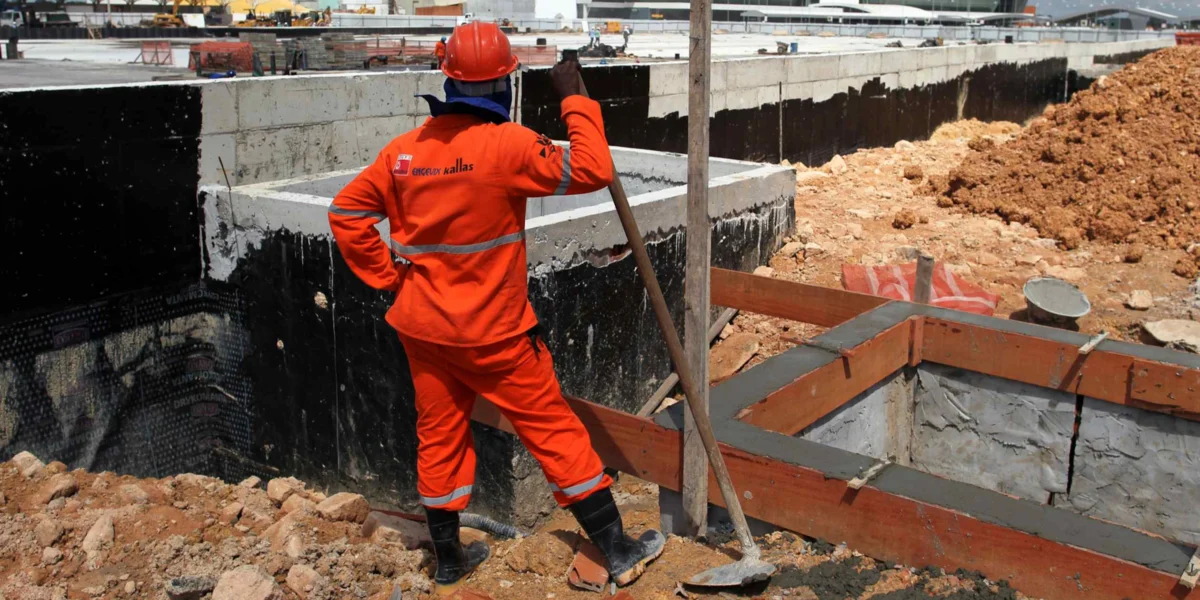
Japan’s state-backed Nippon Export and Investment Insurance (NEXI) has initiated a significant shift in its operational strategy, providing its first-ever insurance coverage to a non-Japanese multinational organization. This landmark deal involves backing infrastructure loans extended by the Inter-American Development Bank (IDB) for a crucial development project in a southeastern state of Brazil. This move signifies a strategic pivot by Japan, aiming to leverage its financial instruments to foster international partnerships and enhance its influence in emerging markets, particularly within Latin America. The initiative underscores Japan’s commitment to supporting sustainable development and facilitating the expansion of domestic companies into regions where they may face significant political and economic risks.

Strategic Pivot in NEXI’s Global Engagement
The decision by NEXI to extend its insurance coverage to an entity like the IDB, a multilateral development bank with extensive regional expertise, marks a departure from its traditional focus on insuring Japanese companies directly. This new approach allows NEXI to indirectly support Japanese interests by de-risking projects that are vital for regional economic growth and where Japanese firms may seek to participate as contractors or suppliers. By partnering with established institutions like the IDB, NEXI can tap into their deep understanding of local markets, regulatory landscapes, and potential challenges, thereby mitigating risks more effectively for all stakeholders involved.
The specific project in Brazil, though not detailed in the initial announcement, is understood to be within the infrastructure sector, a critical area for economic development and a domain where Japanese companies possess considerable technological and engineering prowess. Historically, Japanese companies have been hesitant to invest heavily in emerging markets due to perceived risks, including currency fluctuations, political instability, and contractual uncertainties. NEXI’s involvement aims to bridge this gap by providing a layer of financial security that can embolden Japanese firms to participate in larger, more complex projects.

Background Context: Japan’s Growing Interest in Latin America
Japan’s engagement with Latin America has been steadily increasing over the past decade, driven by a desire to diversify its economic partnerships beyond traditional markets and to secure access to raw materials and new consumer bases. The region, rich in natural resources and with a growing middle class, presents significant opportunities for Japanese investment and trade. However, the inherent volatility and underdeveloped financial infrastructure in many Latin American nations pose substantial challenges.
The Japanese government, through agencies like NEXI and the Japan International Cooperation Agency (JICA), has been actively seeking ways to promote Japanese economic diplomacy and secure its global economic interests. NEXI, as Japan’s export credit agency and investment insurer, plays a pivotal role in this strategy by absorbing political and economic risks associated with overseas investments and trade. Its mandate is to support the international expansion of Japanese businesses and to contribute to the stability of international trade and investment.

This new partnership with the IDB is a logical extension of Japan’s broader strategy to strengthen its ties with Latin America. The IDB, established in 1959, is a primary source of long-term financing for economic, social, and institutional development projects in Latin America and the Caribbean. Its extensive network and deep understanding of the region make it an ideal partner for NEXI in de-risking and facilitating investments.
Chronology of Evolving Partnerships
While this is the first instance of NEXI insuring a non-Japanese organization directly, the seeds for such a collaboration were likely sown through years of increasing dialogue and cooperation between Japan and multilateral development banks.

- Pre-2010s: NEXI primarily focused on insuring Japanese companies involved in overseas trade and investment, with a strong emphasis on exports and direct foreign investment by Japanese firms. Multilateral development banks were often viewed as separate entities, though collaboration in project financing was not uncommon.
- Early 2010s: Japan began to articulate a more proactive foreign policy and economic diplomacy agenda, emphasizing its role in global development and infrastructure. This period saw increased Japanese participation in international forums and a growing recognition of the need to collaborate with existing development institutions to achieve shared goals.
- Mid-2010s: Discussions likely intensified between Japanese financial institutions, including NEXI, and multilateral development banks regarding potential areas of cooperation. The challenges of financing large-scale infrastructure projects in emerging markets, particularly those with higher risk profiles, became a focal point.
- Late 2010s – Early 2020s: The concept of NEXI providing insurance for non-Japanese entities, particularly for projects that would ultimately benefit Japanese businesses or align with Japan’s development objectives, began to gain traction. This involved exploring new legal and financial frameworks to accommodate such arrangements.
- 2026 (Present): The agreement with the IDB for the Brazilian infrastructure project marks the culmination of these strategic discussions and represents a tangible shift in NEXI’s operational paradigm. The specific timeline leading to this agreement would have involved extensive due diligence, risk assessment, and negotiations between NEXI, the IDB, and potentially the Brazilian government.
Supporting Data and Economic Rationale
The decision to insure infrastructure loans in Brazil is particularly significant. Brazil, as the largest economy in Latin America, is a critical market for investment and trade. However, it has also faced periods of economic and political instability, which can deter foreign investment.
- Infrastructure Gap: Latin America, including Brazil, faces a substantial infrastructure deficit. Estimates suggest that the region requires trillions of dollars in infrastructure investment over the next two decades to meet its development needs and enhance competitiveness. This presents both a challenge and an opportunity for international financiers and construction firms.
- Foreign Direct Investment (FDI) Trends: While FDI into Latin America has fluctuated, infrastructure remains a key sector attracting international capital. However, the perceived risks often lead to a premium on financing or a reluctance to invest in certain sub-sectors or regions.
- NEXI’s Role in Risk Mitigation: NEXI’s core function is to mitigate risks such as political violence, expropriation, currency inconvertibility, and sovereign default. By insuring the IDB’s loans, NEXI is effectively reducing the risk for the IDB, thereby making the project more viable and potentially attracting other investors or lenders who might be hesitant otherwise.
- Economic Impact of Infrastructure: Investments in infrastructure projects, such as transportation networks, energy facilities, and telecommunications, have a multiplier effect on economies. They create jobs, facilitate trade, reduce logistical costs, and attract further private sector investment, contributing to sustainable economic growth.
Official Responses and Statements (Inferred)
While direct quotes from specific officials are not available in the provided text, logical inferences can be drawn about the expected sentiments from key parties:

Nippon Export and Investment Insurance (NEXI):
A NEXI spokesperson might articulate the rationale behind this new strategy, emphasizing its commitment to supporting global economic stability and development. They would likely highlight the strategic importance of Latin America and the benefits of partnering with experienced multilateral institutions like the IDB. A statement could read: "This initiative represents a significant step in NEXI’s evolution, allowing us to extend our risk mitigation capabilities to support crucial development projects in key emerging markets. By collaborating with the Inter-American Development Bank, we can effectively leverage their regional expertise to de-risk investments and foster sustainable growth in Latin America, ultimately benefiting both the region and Japanese economic interests."
Inter-American Development Bank (IDB):
The IDB would likely welcome this partnership, viewing it as an opportunity to mobilize additional capital for vital infrastructure projects and to diversify its funding sources. An IDB representative might express enthusiasm for the collaboration: "We are delighted to partner with NEXI on this important infrastructure initiative in Brazil. This collaboration underscores the shared commitment of Japan and the IDB to fostering economic development in Latin America. NEXI’s insurance coverage will enhance the project’s financial viability, enabling us to mobilize resources that will bring tangible benefits to the region, such as job creation and improved connectivity."

Japanese Government Officials:
Officials from the Japanese Ministry of Foreign Affairs or the Ministry of Economy, Trade and Industry (METI) would likely view this development as a success for Japan’s economic diplomacy. They might frame it as a testament to Japan’s commitment to multilateralism and its proactive approach to supporting global economic development. A senior government official could comment: "This landmark agreement demonstrates Japan’s dedication to contributing to global prosperity and stability. By empowering institutions like NEXI to engage in innovative partnerships, we are not only facilitating the expansion of Japanese businesses but also actively supporting the sustainable development of emerging economies, thereby strengthening international ties."
Brazilian Authorities:
The Brazilian government, particularly the relevant state and federal ministries overseeing infrastructure and finance, would likely view this as a positive development, signaling increased confidence in the country’s investment climate and its commitment to development projects. A statement from a Brazilian official might express: "We are encouraged by the commitment shown by NEXI and the IDB to supporting infrastructure development in Brazil. This partnership will be instrumental in advancing critical projects that will enhance our nation’s economic competitiveness and improve the quality of life for our citizens. We look forward to continued collaboration to foster mutually beneficial growth."

Broader Impact and Implications
The implications of NEXI’s new approach are multifaceted and extend beyond the immediate transaction:
- Enhanced Japanese Influence: By de-risking projects that align with its interests, Japan can indirectly increase its influence in Latin America without necessarily undertaking direct, high-risk investments. This could translate into increased opportunities for Japanese contractors, technology providers, and suppliers.
- Catalyst for Further Investment: The success of this initial venture could pave the way for NEXI to extend similar coverage to other non-Japanese organizations for projects in various sectors across Latin America and potentially other emerging markets. This could act as a catalyst, attracting other international investors who are reassured by the presence of Japanese risk mitigation.
- Strengthening Multilateralism: This collaboration exemplifies a model of how national export credit agencies can work effectively with multilateral development banks to achieve shared development goals. It reinforces the importance of international cooperation in addressing global challenges such as infrastructure deficits and sustainable development.
- Diversification of NEXI’s Portfolio: By engaging with a broader range of partners and projects, NEXI can diversify its portfolio and gain valuable experience in different markets and risk profiles, further strengthening its capabilities as a global insurer.
- Potential for Reciprocity: This move might also encourage other countries to explore similar partnerships, fostering a more interconnected and resilient global financial system.
In conclusion, NEXI’s decision to provide insurance coverage to the Inter-American Development Bank for a project in Brazil represents a strategic evolution for the Japanese state-backed insurer. It signifies a proactive approach to global economic engagement, leveraging partnerships to mitigate risks and foster development in key emerging markets. This initiative not only aims to support Japanese economic interests but also underscores Japan’s commitment to multilateralism and its growing role in shaping the global infrastructure landscape. The success of this venture could set a precedent for future collaborations, expanding NEXI’s reach and influence in the international arena.
