

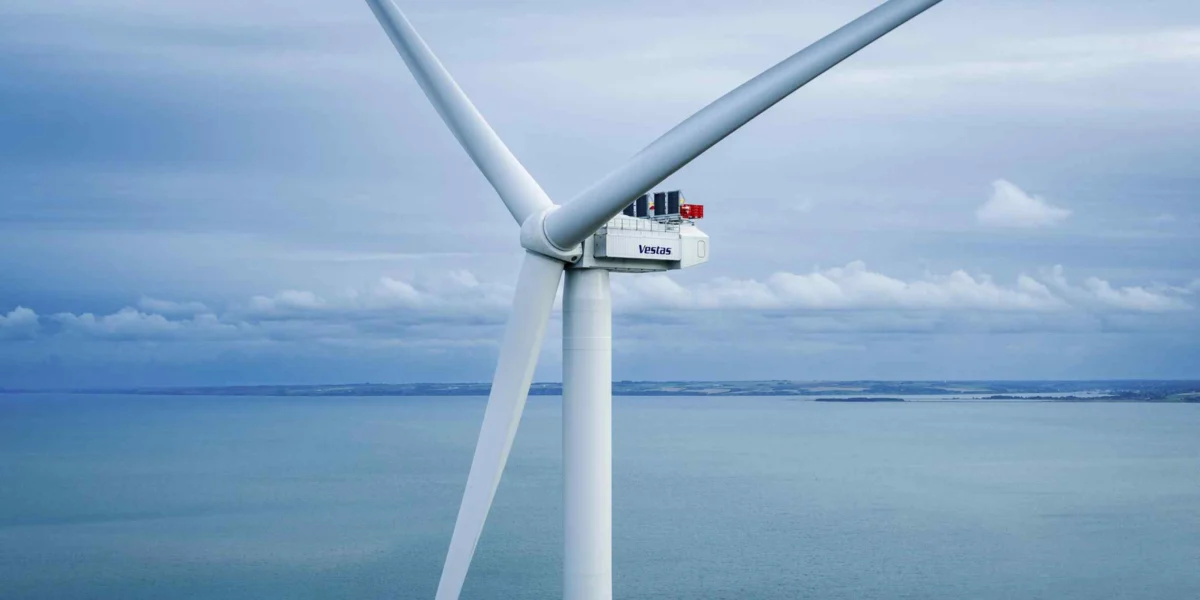
TOKYO – In a significant stride towards bolstering its domestic renewable energy infrastructure, Japan’s JFE Engineering has announced it will commence the production of monopiles, the crucial steel tubes that anchor offshore wind turbines to the seabed. This marks a pivotal moment for the Japanese industrial sector, as it signifies the nation’s capability to manufacture these large-scale components locally, reducing reliance on European and Chinese suppliers and paving the way for a more robust and self-sufficient wind power ecosystem.

Historically, Japan, like many nations with burgeoning offshore wind ambitions, has imported the majority of its offshore wind farm components, including the massive monopiles. These are not merely pipes; they are colossal engineering feats, often measuring over 10 meters in diameter and weighing thousands of tons, requiring specialized manufacturing facilities and logistical expertise for their transportation and installation. The decision by JFE Engineering to enter this market directly addresses a key bottleneck in the development of Japan’s offshore wind capacity, aligning with the government’s ambitious targets for renewable energy deployment.
The Strategic Imperative: A Homegrown Supply Chain
The development of a domestic supply chain for offshore wind components is not merely an economic aspiration for Japan; it is a strategic imperative. The Japanese government has set a target of increasing the domestic content of wind farms to 65% by 2040. This ambitious goal aims to not only accelerate the deployment of renewable energy but also to foster technological innovation, create high-skilled jobs, and enhance national energy security. The reliance on foreign manufacturers for critical infrastructure can expose projects to supply chain disruptions, price volatility, and geopolitical risks, as has been witnessed in various global industries in recent years.

The establishment of domestic manufacturing capabilities for monopiles is a cornerstone of this strategy. JFE Engineering’s move is expected to catalyze further investment in related industries, from steel production to fabrication and specialized logistics. The company’s expertise in large-scale steel structures, honed through decades of experience in shipbuilding, bridge construction, and industrial plant engineering, positions it well to tackle the complex demands of offshore wind foundation manufacturing.
Timeline of a Transition: From Import Dependence to Domestic Production
The journey towards domestic monopile production has been a gradual but deliberate one for Japan. Several years ago, the country began actively promoting offshore wind development, identifying it as a key pillar in its decarbonization strategy and a means to leverage its extensive coastline. Early projects, while crucial for gaining experience and understanding the local marine environment, heavily relied on imported components.

As the offshore wind market matured globally, so did Japan’s understanding of its own industrial potential. Discussions and feasibility studies around localizing the manufacturing of key components, including monopiles, turbines, and subsea cables, gained momentum. Government incentives, such as tax breaks and subsidies for domestic manufacturing, have played a crucial role in encouraging companies like JFE Engineering to invest in the necessary infrastructure and technology.
The announcement by JFE Engineering signifies a concrete realization of these long-term plans. While specific details regarding the scale of investment and production capacity are still emerging, the commitment itself is a strong signal to the market and other potential domestic players. This development is likely to accelerate the timelines for future offshore wind projects in Japan, as it mitigates a significant procurement risk.

Supporting Data: The Scale of the Challenge and Opportunity
The sheer scale of monopiles underscores the engineering and manufacturing prowess required. For fixed-bottom offshore wind turbines, which are typically deployed in shallower waters, monopiles are the most common foundation type. These are driven deep into the seabed to provide a stable platform for the towering wind turbines.
- Dimensions: Monopiles can range from 6 to 10 meters in diameter, and some are even larger, with lengths extending up to 80 meters or more, depending on water depth and seabed conditions.
- Weight: A single monopile can weigh anywhere from 300 to over 1,500 metric tons.
- Material: High-strength steel is the primary material, requiring advanced welding techniques and stringent quality control to withstand the harsh marine environment, including constant wave action, currents, and saltwater corrosion.
The demand for these components is projected to grow substantially in Japan. The government aims to deploy up to 10 gigawatts (GW) of offshore wind capacity by 2030 and a further 37-45 GW by 2040. This translates into a significant number of monopiles required, creating a substantial market opportunity for domestic manufacturers. If the average offshore wind turbine requires one monopile, then 10 GW could necessitate hundreds, if not thousands, of these structures.

Official Responses and Industry Reactions
The Japanese government has consistently emphasized the importance of local content in its renewable energy policies. The Ministry of Economy, Trade and Industry (METI) has been instrumental in facilitating dialogue between industry players and in designing incentive programs. While a specific official statement from METI regarding JFE Engineering’s announcement is anticipated, their past pronouncements highlight strong support for such domestic manufacturing initiatives.
Industry stakeholders have generally welcomed the news. Companies involved in offshore wind project development, such as utility giants and renewable energy developers, are likely to view this as a positive development that can de-risk future projects. It offers greater certainty in procurement timelines and potentially more competitive pricing as domestic production scales up and competition emerges.

"This is a very positive development for the Japanese offshore wind industry," commented an analyst specializing in renewable energy markets, who preferred to remain anonymous due to client relationships. "The ability to source critical components like monopiles domestically is a game-changer. It not only strengthens the national economy but also builds resilience into the supply chain, which is crucial for achieving ambitious deployment targets."
However, the transition will not be without its challenges. Existing European and Chinese manufacturers have decades of experience and established economies of scale. Japanese companies will need to rapidly build expertise, invest in cutting-edge technology, and ensure competitive pricing and quality to compete effectively on the global stage. Furthermore, the development of a comprehensive domestic supply chain extends beyond monopiles to include other essential components like turbine towers, nacelles, blades, and substations. JFE Engineering’s move is a crucial first step, but it is part of a larger ecosystem that needs to mature.

Broader Impact and Implications: A Catalyst for Green Growth
The implications of JFE Engineering’s commitment to domestic monopile production are far-reaching.
Economic Growth and Job Creation:
The establishment of new manufacturing facilities will create jobs across various skill levels, from engineers and welders to logistics and administrative staff. This will stimulate economic activity in regions where these facilities are located and contribute to the overall industrial revitalization of Japan.

Technological Advancement:
Manufacturing large, complex structures for the demanding offshore environment requires advanced welding, material science, and precision engineering. This will drive innovation within JFE Engineering and potentially spill over into other related industries, enhancing Japan’s technological competitiveness.
Energy Security and Independence:
Reducing reliance on foreign suppliers for critical energy infrastructure enhances Japan’s energy security. It makes the country less vulnerable to international trade disputes, shipping disruptions, or geopolitical instability that could affect the availability and cost of imported components.

Environmental Goals:
By facilitating the faster and more reliable deployment of offshore wind farms, this development directly contributes to Japan’s carbon neutrality goals. Offshore wind is a clean, abundant energy source with the potential to significantly displace fossil fuels in the national energy mix.
Global Competitiveness:
While initially focused on the domestic market, a successful domestic monopile manufacturing capability could eventually position Japanese companies to export these components to other growing offshore wind markets. This would further solidify Japan’s role as a key player in the global renewable energy sector.

The announcement by JFE Engineering is more than just a business decision; it is a strategic move that signals Japan’s unwavering commitment to a sustainable energy future. By investing in its own industrial capabilities, the nation is laying the groundwork for a robust and self-sufficient offshore wind sector, a critical component of its long-term economic prosperity and environmental stewardship. The coming years will be crucial in observing how this initiative unfolds and its impact on the broader landscape of renewable energy development in Japan and beyond.
