

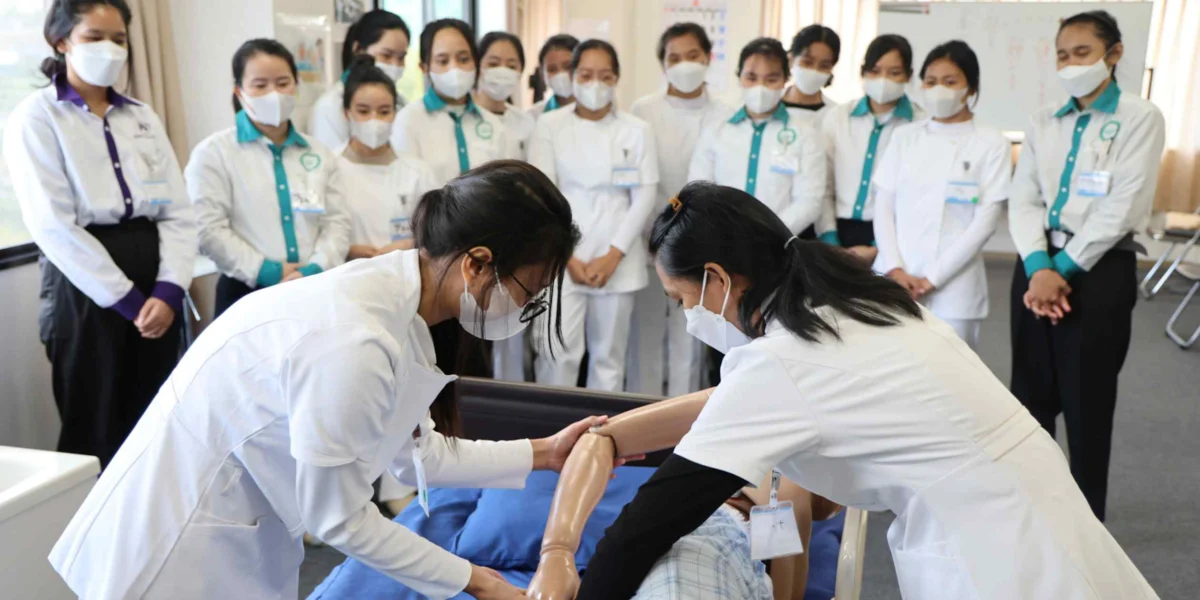
Japan is set to introduce a dedicated learning application to assist foreign nationals in obtaining certification as care workers, a strategic move aimed at alleviating the country’s escalating labor crunch in the elder care sector. The initiative comes at a critical juncture, as the national certification exam for care workers has seen a persistent low pass rate hovering in the low 30% range, while a grace period for foreign workers is nearing its conclusion, casting a shadow over an industry already grappling with a severe deficit of qualified personnel. This government-backed endeavor signals a proactive approach to address demographic challenges and bolster the workforce in a sector vital to Japan’s aging society.
Deepening Crisis in Japan’s Care Sector
The demographic landscape of Japan is characterized by a rapidly aging population, a phenomenon that has placed immense pressure on its healthcare and elder care systems. The demand for skilled care workers has surged dramatically, outpacing the supply of domestic professionals. In response to this growing need, Japan has, in recent years, opened its doors to foreign workers, particularly in sectors facing acute labor shortages, including caregiving. However, the pathway to becoming a certified care worker for these foreign nationals has proven to be a significant hurdle.
The national certification exam, a prerequisite for practicing as a care worker in Japan, has historically presented challenges. For fiscal year 2025, approximately 60% of the roughly 8,000 students who entered Japan’s caregiver training schools were foreign nationals. This high proportion underscores the reliance on international talent to fill the ranks. Yet, the success rate of these aspiring caregivers in the national exam has been a persistent concern, with figures consistently remaining in the low 30% bracket. This low pass rate translates into a substantial number of foreign trainees who, despite completing their training, are unable to secure the necessary certification to practice, thereby exacerbating the very labor shortage the government sought to address.
Adding to the urgency, a grace period that allowed certain foreign nationals to work as care workers under less stringent conditions is approaching its end. This means that a significant portion of the existing foreign workforce, who may not have yet obtained full certification, could face limitations or be required to leave their positions, further intensifying the staffing crisis. The upcoming app is thus envisioned as a crucial tool to empower these individuals and improve their chances of passing the rigorous national examination.
Government’s Strategic Intervention: The Learning App
The development of a dedicated learning app is a direct response from the Japanese government to bridge the gap between training and certification for foreign nationals in the caregiving sector. The app aims to provide accessible, targeted, and effective preparation for the national care worker certification exam. While specific details regarding the app’s content and features are still emerging, it is understood to be designed with the unique challenges faced by non-native Japanese speakers in mind.
The app is expected to incorporate features such as:
- Bilingual Support: Content and explanations are likely to be available in multiple languages, catering to the diverse linguistic backgrounds of foreign trainees. This would include Japanese language support tailored for technical caregiving terminology.
- Interactive Learning Modules: Engaging modules that break down complex caregiving concepts, ethical considerations, and practical procedures into manageable and understandable units.
- Practice Examinations: Simulated exam environments that mirror the actual test format, allowing trainees to gauge their readiness and identify areas for improvement.
- Personalized Learning Paths: Algorithms that adapt to individual learning styles and progress, providing customized feedback and recommendations.
- Cultural Nuances in Care: Content that addresses the specific cultural expectations and social norms relevant to elder care in Japan, ensuring that foreign workers are not only technically proficient but also culturally sensitive.
The initiative reflects a broader strategy by the Japanese government to integrate foreign talent more effectively into its workforce. By investing in resources that facilitate professional qualification, the government hopes to not only address immediate labor needs but also foster a more inclusive and skilled workforce for the future.
Background and Chronology of the Challenge
The reliance on foreign labor in Japan’s care sector is not a new phenomenon, but it has become increasingly pronounced over the past decade. As the aging population accelerated, so did the demand for care services.
- Early 2000s: Initial discussions and pilot programs begin to explore the possibility of accepting foreign workers into the caregiving sector, driven by growing demographic concerns.
- 2008: The Japan-Philippines Economic Partnership Agreement (JPEPA) and similar agreements with other countries began to facilitate the entry of Filipino caregivers, marking a significant step in bringing foreign nationals into the sector.
- 2015: Japan introduces the "Specified Skills" visa program, which aims to attract foreign workers to sectors facing labor shortages, including nursing care. This program offered a more structured pathway for foreign workers to enter and work in Japan.
- Late 2010s: The pass rates for the national care worker exam for foreign nationals remain a consistent challenge, prompting calls for improved support systems and training methodologies. The number of foreign students in caregiver training schools begins to rise significantly.
- Early 2020s: The COVID-19 pandemic further exacerbates labor shortages across various sectors, including caregiving, highlighting the vulnerability of industries heavily reliant on human capital. Concerns mount about the approaching end of grace periods for some foreign workers.
- 2024-2025: The government intensifies efforts to address the care worker shortage, leading to the announcement and development of the care worker learning app. Discussions around potential extensions or modifications to grace periods for foreign workers in the care sector also gain traction.
This timeline illustrates a gradual but persistent recognition of the challenge, coupled with evolving policy responses. The learning app represents a more technologically driven and targeted intervention, reflecting the lessons learned from past experiences.
Supporting Data and Analysis
The implications of the low pass rates and the approaching end of grace periods are far-reaching.
- Wasted Training Investment: A significant portion of the resources invested by training schools and the trainees themselves is rendered ineffective when individuals cannot pass the certification exam. This represents a financial and human capital loss.
- Increased Burden on Existing Staff: With fewer qualified caregivers entering the workforce, the remaining staff face increased workloads, longer hours, and higher stress levels. This can lead to burnout and further departures from the profession, creating a vicious cycle.
- Impact on Service Quality: A shortage of qualified personnel can compromise the quality of care provided to the elderly, potentially leading to adverse health outcomes and reduced satisfaction among care recipients and their families.
- Economic Strain: The aging population requires more care services, which are costly. An inability to adequately staff these services can lead to increased public expenditure on emergency care and long-term institutionalization, as well as a loss of productivity due to family members having to provide unpaid care.
The foreign nationals who do successfully pass the exam play a crucial role in Japan’s care sector. For fiscal year 2025, the proportion of foreign students in caregiver training schools was nearly 60%. This data point is critical, highlighting the indispensable role of international talent in meeting the escalating demand. Without a steady influx of qualified foreign caregivers, the system would likely collapse under its own demographic weight.
Reactions and Expectations
While official statements from the Ministry of Health, Labour and Welfare are expected to detail the app’s rollout, the sentiment among training institutions and care facility operators is one of cautious optimism.
One might infer that representatives from caregiver training schools would express hope that the app will "significantly improve our students’ success rates and reduce the number of individuals who complete training but cannot secure certification. This is vital for their future and for our sector."
Similarly, administrators of elder care facilities, facing constant staffing pressures, might anticipate that "any tool that helps more foreign nationals become certified caregivers is a welcome development. We are desperate for qualified staff, and this app could be a game-changer if it proves effective."
However, there are also underlying concerns that the app alone may not be a panacea. The complexity of the Japanese language, the demanding nature of the exam, and the cultural adaptation process are multifaceted challenges. The effectiveness of the app will depend on its comprehensive design, accessibility, and how well it integrates with existing support structures.
Broader Implications and Future Outlook
The Japanese government’s move to develop this learning app is indicative of a broader trend towards more proactive and technologically driven solutions for demographic challenges. It signifies a recognition that traditional approaches may not be sufficient in addressing the scale and complexity of the labor shortages in critical sectors.
The success of this initiative could set a precedent for other industries facing similar issues. If the app proves effective in improving the pass rates for foreign nationals, it could lead to the development of similar digital learning tools for other professions where foreign talent is crucial. This could foster a more welcoming and supportive environment for skilled immigrants in Japan, contributing to a more diverse and robust workforce.
Looking ahead, the focus will be on the app’s implementation, its reach, and its measurable impact on certification rates. Continued investment in language education, cultural integration programs, and support systems for foreign workers will also be essential to ensure their long-term success and contribution to Japan’s society and economy. The care worker learning app is a significant step, but it is part of a larger, ongoing effort to navigate the profound demographic shifts that Japan is experiencing.
