

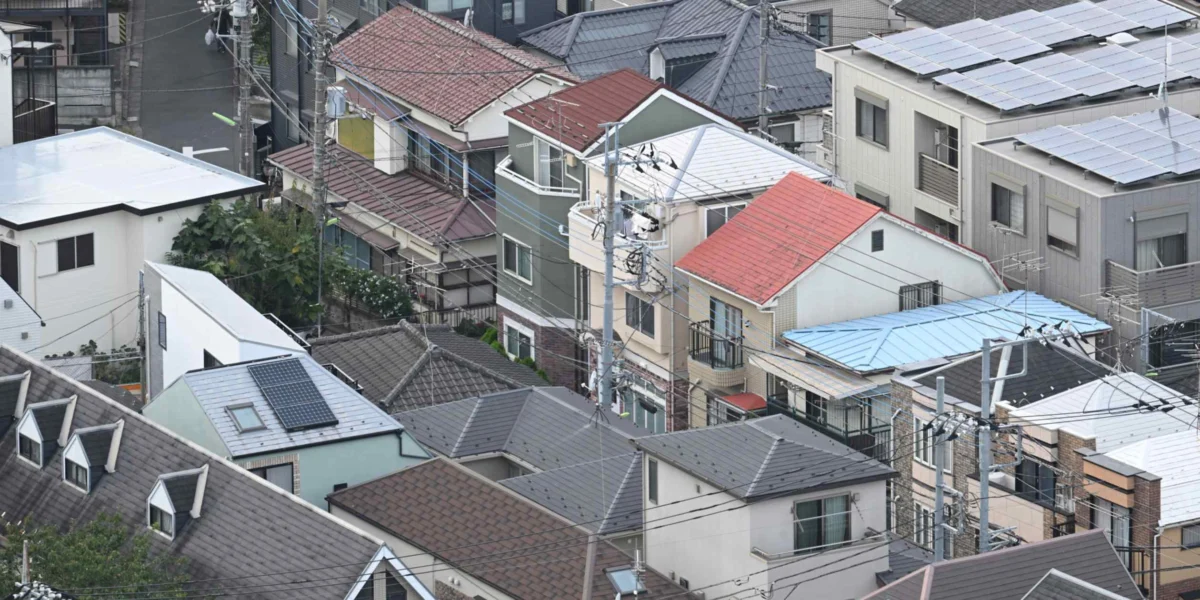
The Japanese government is actively exploring the implementation of a new tax policy targeting income generated from real estate rental and parking lot businesses operated within Japan by overseas residents. This strategic move is a direct response to the growing number of foreign individuals who acquire property in Japan with the primary intention of renting it out, thereby generating passive income. The proposed taxation aims to address a perceived inequity in the current tax system, where such income has, until now, largely escaped domestic taxation. This initiative reflects a broader trend of governments worldwide reassessing their tax frameworks to encompass the increasingly globalized nature of investment and income generation.

Background: A Shifting Landscape of Foreign Property Ownership
Japan’s property market has historically attracted international interest, but recent years have witnessed a discernible shift in the profile of foreign investors. Beyond traditional capital investment in commercial properties or vacation homes, there has been a notable rise in individuals purchasing residential properties or parking spaces specifically to derive rental income. This trend is fueled by several factors, including the relative affordability of certain Japanese real estate segments compared to other major global cities, a stable and predictable rental market, and the allure of Japan as a desirable destination for tourism and, increasingly, for those seeking secondary residences or investment portfolios.
The existing Japanese tax laws, while comprehensive, have not always kept pace with this evolving investment pattern. Income earned by non-residents from sources within Japan is generally taxable. However, the practicalities of identifying and taxing income from dispersed rental properties or parking spaces managed by individuals residing abroad have presented significant challenges for tax authorities. This has led to a situation where some foreign property owners are able to generate substantial rental income from Japanese assets without contributing to the Japanese tax base in proportion to their earnings. This disparity is a key driver behind the government’s current consideration of new taxation measures.

The Rationale: Addressing Tax Inequities and Revenue Generation
The core principle behind the proposed tax is fairness and the maximization of domestic tax revenue. By taxing the rental income of overseas residents, Japan seeks to level the playing field between domestic property owners, who are subject to income tax on their rental earnings, and foreign investors who, in some cases, have been able to avoid similar obligations. This not only promotes a more equitable tax system but also represents a potential new stream of revenue for the Japanese government, which could be allocated towards public services, infrastructure development, or deficit reduction.
Official statements, though not yet fully detailed in public, have emphasized the need to ensure that all economic activities within Japan that generate income are appropriately taxed, regardless of the residency of the income earner. This principle aligns with international tax norms and the ongoing global efforts to combat tax avoidance and evasion. The government’s contemplation of this measure suggests a thorough review of existing bilateral tax treaties and domestic legislation to identify the most effective and legally sound approach to implementation.

Potential Scope and Mechanism of the Proposed Tax
While specific details of the proposed tax regime are still under deliberation, it is anticipated that the focus will be on income derived from the leasing of residential properties, commercial spaces, and parking facilities. The tax would likely be applied to the net rental income, meaning that deductible expenses such as property management fees, maintenance costs, and property taxes would be considered.
One of the key challenges in implementing such a tax will be the mechanism for collection and enforcement. Several approaches could be considered:

- Withholding Tax at Source: This could involve requiring the tenants or property management companies to withhold a portion of the rental payments and remit it directly to the Japanese tax authorities. This method is common for certain types of payments to non-residents and can be relatively effective in ensuring collection.
- Filing Requirements for Non-Residents: Alternatively, overseas residents could be required to file tax returns in Japan to declare their rental income and pay the applicable taxes. This would necessitate a robust system for informing non-residents of their obligations and providing accessible filing procedures.
- Designated Tax Representatives: For non-residents who do not have a physical presence or established business in Japan, the appointment of a designated tax representative or agent within Japan could be mandated to handle tax filings and payments.
The precise tax rate and the threshold for applicability are also likely to be subject to extensive discussion and analysis. It is plausible that the government will aim for a rate that is competitive with international norms for taxing rental income by non-residents, while also ensuring it contributes meaningfully to government revenue.
Supporting Data and Trends
While precise, up-to-the-minute data on the exact number of overseas residents deriving rental income from Japanese properties is not readily available in the public domain, several indicators point to a growing trend:

- Increased Foreign Investment in Japanese Real Estate: Reports from real estate consultancies and industry bodies consistently show an upward trend in foreign direct investment in Japanese property. While not all of this is for rental income, a significant portion is understood to be for investment purposes, which often includes rental yield.
- Growth in Short-Term Rentals and Vacation Homes: The burgeoning popularity of platforms like Airbnb in Japan has created new avenues for property owners, including foreigners, to generate income from their real estate holdings. This segment, in particular, has seen a surge in activity.
- Demographic Shifts and Urbanization: Japan’s major urban centers, such as Tokyo, Osaka, and Fukuoka, continue to attract both domestic and international populations, maintaining strong rental demand and making them attractive for investment.
- Exchange Rate Fluctuations: Favorable exchange rates can also incentivize foreign investment, making Japanese property more accessible and potentially more profitable for overseas buyers.
These trends collectively suggest that the number of foreign individuals benefiting from rental income generated within Japan is substantial and likely to continue growing. This underpins the government’s urgency in addressing the tax implications.
Reactions from Stakeholders (Inferred)
While official statements from affected parties are pending, it is reasonable to infer a range of potential reactions:

- Domestic Property Owners: Many Japanese individuals who already pay income tax on their rental properties may welcome this move, viewing it as a step towards greater tax fairness and a more level playing field.
- Foreign Property Investors: Those currently benefiting from rental income without paying Japanese taxes may express concerns about increased costs and administrative burdens. Some might re-evaluate their investment strategies in Japan.
- Real Estate Industry: Developers, real estate agencies, and property management firms might anticipate a potential slowdown in foreign investment if the tax is perceived as overly burdensome. However, they may also adapt by offering services to help foreign investors navigate the new tax regulations.
- Tax Professionals and Legal Experts: These groups will likely be involved in advising clients and interpreting the new legislation, potentially leading to increased demand for their services.
The government will likely engage in consultations with industry groups and stakeholders to refine the proposed legislation and mitigate any unintended negative consequences.
Broader Implications and Future Outlook
The Japanese government’s consideration of this new tax policy has several broader implications:

- International Tax Harmonization: This move aligns Japan with a global trend of increasing scrutiny on cross-border income and efforts to ensure that multinational corporations and individuals pay their fair share of taxes in the jurisdictions where economic activity occurs.
- Economic Policy Adjustment: It signifies a potential adjustment in Japan’s approach to foreign investment, moving towards a framework that emphasizes equitable contribution to the national economy.
- Potential Impact on Real Estate Market Dynamics: The introduction of this tax could influence future foreign investment patterns, potentially shifting focus towards properties with higher yields or leading to a more cautious approach from some investors. It might also encourage more transparent reporting of rental income.
- Administrative Challenges: Implementing and enforcing such a tax effectively will require significant administrative capacity from the Japanese tax authorities, including robust data collection and international cooperation mechanisms.
The timeline for the introduction of this tax is not yet clear, but the fact that it is under active consideration suggests that the government is prioritizing it. Further legislative proposals and public consultations are expected in the coming months and years. This development underscores Japan’s commitment to modernizing its tax system in response to the evolving global economic landscape and ensuring that all economic actors contribute to the nation’s prosperity. The success of this initiative will hinge on its careful design, effective implementation, and clear communication to all relevant parties, both domestically and internationally.
