

KUALA LUMPUR — Japan-linked startups are aggressively expanding their cold distribution networks for fresh foods across Southeast Asia, aiming to establish direct supply chains from producers to consumers. This strategic push, driven by the pursuit of higher profit margins and bolstered by increasing demand forecasts, is attracting significant partnership interest from major logistics and trading companies eager to capitalize on the burgeoning market for high-quality, traceable produce.

The core of this burgeoning trend lies in the development of sophisticated "farm-to-table" models. These initiatives bypass traditional, often fragmented, distribution channels that can lead to product spoilage, quality degradation, and reduced profitability for both producers and distributors. By controlling more of the supply chain, from initial sourcing and temperature-controlled storage to final delivery, these startups are able to ensure product freshness, enhance traceability, and ultimately command higher margins.
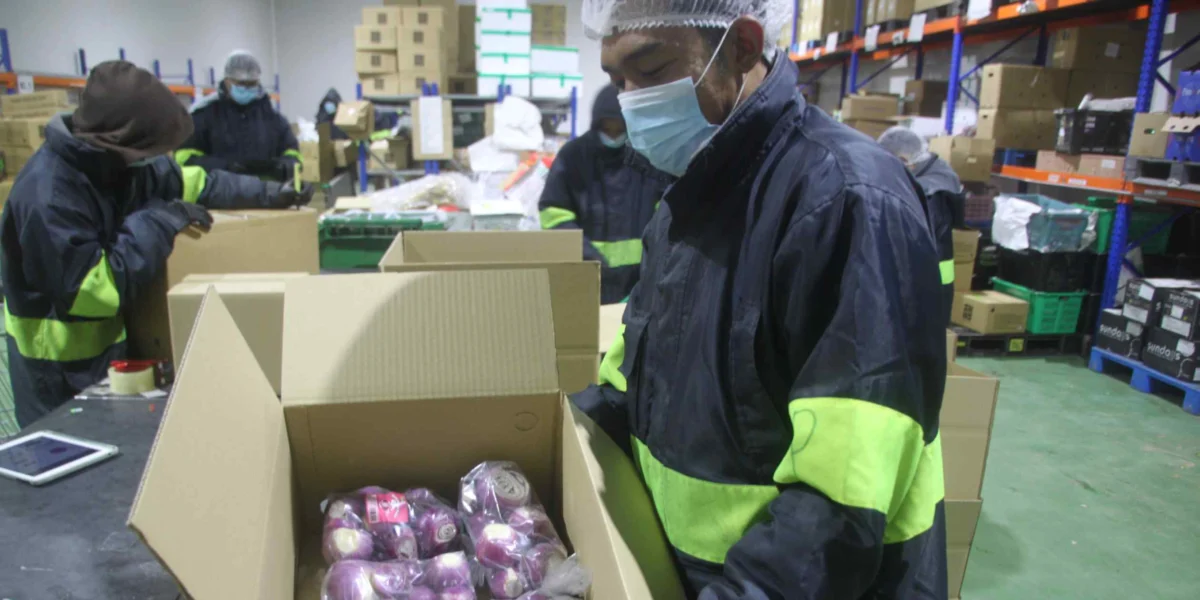
Secai Marche, a prominent player in this space, exemplifies this strategy. The company operates a network of warehouses equipped with specialized temperature zones, meticulously designed to preserve the optimal conditions for a diverse range of perishable goods. Their operations extend from the farms, where they work closely with local producers to ensure quality standards are met, through to a sophisticated logistics infrastructure that guarantees rapid and safe delivery. This direct engagement with producers is crucial, enabling Secai Marche to build strong relationships, secure consistent supply, and implement stringent quality control measures from the very outset of the supply chain.

The appeal of this model is not lost on larger industry players. Major logistics firms and established trading houses are increasingly viewing these nimble startups as key partners, or even acquisition targets, in their efforts to penetrate the rapidly growing Southeast Asian food market. The region’s expanding middle class, coupled with a growing awareness of healthy eating and food safety, is fueling demand for premium, fresh produce. Startups that have already built robust cold chain infrastructure and proven farm-to-table models offer a ready-made solution for these larger entities seeking to diversify their portfolios and tap into this lucrative segment.
The Cold Chain Challenge and Opportunity in Southeast Asia
Southeast Asia presents a unique set of challenges and opportunities for cold chain logistics. The tropical climate necessitates constant temperature control to prevent rapid spoilage of fresh produce. Furthermore, the region’s diverse geography, characterized by archipelagos and varied terrain, complicates transportation and requires robust, resilient supply chains. Historically, the food distribution landscape has been fragmented, with numerous intermediaries, leading to inefficiencies and significant post-harvest losses.

However, these very challenges are creating fertile ground for innovation. The increasing adoption of e-commerce and the rising consumer expectation for convenience and quality are driving demand for more efficient and reliable delivery of fresh food. Japan’s expertise in logistics, quality control, and its established network of agricultural producers provide a strong foundation for companies looking to export these best practices to Southeast Asia.
The investment in cold chain infrastructure by companies like Secai Marche is a critical step in addressing these issues. By building and managing specialized warehousing and transportation solutions, they are not only safeguarding the quality of the food but also contributing to a reduction in food waste, a significant global concern. The ability to maintain specific temperature ranges – from chilled to frozen – throughout the entire journey from farm to fork is paramount.

Strategic Expansion and Partnership Dynamics
The expansion strategy of these Japan-linked startups is multifaceted. It involves not only building physical infrastructure but also forging strategic alliances with local stakeholders. This includes partnerships with:
- Local Farmers and Producers: Ensuring a steady supply of high-quality produce and building trust with agricultural communities. This often involves providing technical support and training to improve farming practices and meet export-quality standards.
- Technology Providers: Leveraging advanced tracking and monitoring systems to provide real-time data on temperature, humidity, and location throughout the supply chain. This enhances transparency and accountability.
- E-commerce Platforms and Retailers: Integrating their distribution networks with online grocery platforms and brick-and-mortar retailers to reach a wider consumer base.
- Logistics and Trading Giants: Collaborating with established players for last-mile delivery, warehousing solutions, and market access, thereby leveraging their existing infrastructure and expertise.
The interest from major companies like Mitsubishi Corporation, Mitsui & Co., and Marubeni Corporation, which have historically played significant roles in global food trading and logistics, underscores the strategic importance of this sector. These trading houses possess extensive networks and capital, enabling them to accelerate the growth of these startups and scale their operations across the region. Their involvement signals a long-term commitment to transforming Southeast Asia’s food distribution landscape.

Demand Forecasts and Market Growth
The projected growth in Southeast Asia’s food market is a significant driver behind this expansion. Factors contributing to this growth include:
- Population Growth: The region is home to a large and growing population, with a substantial portion residing in urban centers.
- Rising Disposable Incomes: An expanding middle class with greater purchasing power is increasingly willing to spend on higher-quality, healthier food options.
- Urbanization: As more people move to cities, the demand for convenient and accessible food supply chains intensifies.
- Health and Wellness Trends: Growing consumer awareness regarding nutrition, food safety, and the benefits of fresh, unprocessed foods is a key catalyst.
According to various market research reports, the Southeast Asian food and beverage market is expected to witness a compound annual growth rate (CAGR) of over 6% in the coming years, with the fresh produce segment showing particularly strong potential. This robust growth trajectory provides a compelling business case for investing in advanced cold chain logistics and direct sourcing models.

Implications for Producers and Consumers
The ramifications of this shift extend to both food producers and consumers.
For Producers:

- Increased Income and Stability: Direct engagement with distributors can lead to more stable prices and reduced reliance on volatile market fluctuations.
- Improved Quality Standards: Collaboration with sophisticated distributors often involves support in adopting better farming practices, leading to higher-quality yields.
- Market Access: Startups provide a gateway to wider markets, including urban centers and potentially export markets, that might otherwise be inaccessible.
For Consumers:
- Enhanced Food Quality and Safety: Shorter supply chains and controlled environments mean fresher, safer produce with a longer shelf life.
- Greater Transparency and Traceability: Consumers can increasingly know the origin of their food, fostering trust and confidence.
- Wider Variety of Produce: Direct sourcing can enable a broader selection of seasonal and specialty items to become readily available.
- Potential for Competitive Pricing: While premium products may command higher prices, increased efficiency in the supply chain can, in the long run, lead to more competitive pricing for high-quality goods.
Future Outlook and Potential Challenges
The success of these farm-to-table cold chain initiatives hinges on several factors. Continued investment in infrastructure, technological innovation, and the ability to navigate complex regulatory landscapes across different Southeast Asian nations will be crucial. Building and maintaining strong relationships with local communities and ensuring fair trade practices will also be vital for long-term sustainability.

Potential challenges include:
- Infrastructure Gaps: While progress is being made, significant infrastructure development is still required in many rural areas to support farm-level logistics.
- Regulatory Hurdles: Navigating the diverse food safety regulations and import/export laws in each country can be complex and time-consuming.
- Competition: As the market matures, competition from both local and international players is expected to intensify.
- Climate Change Impacts: Extreme weather events can disrupt agricultural production and challenge the resilience of supply chains.
Despite these challenges, the trend towards direct sourcing and sophisticated cold chain management in Southeast Asia is poised for significant growth. Japan-linked startups, with their focus on efficiency, quality, and technological integration, are at the forefront of this transformation, reshaping how fresh food is produced, distributed, and consumed across the region. The strategic partnerships being forged are likely to accelerate this evolution, promising a future where consumers have greater access to fresh, high-quality produce, and producers benefit from more stable and lucrative market opportunities.
