

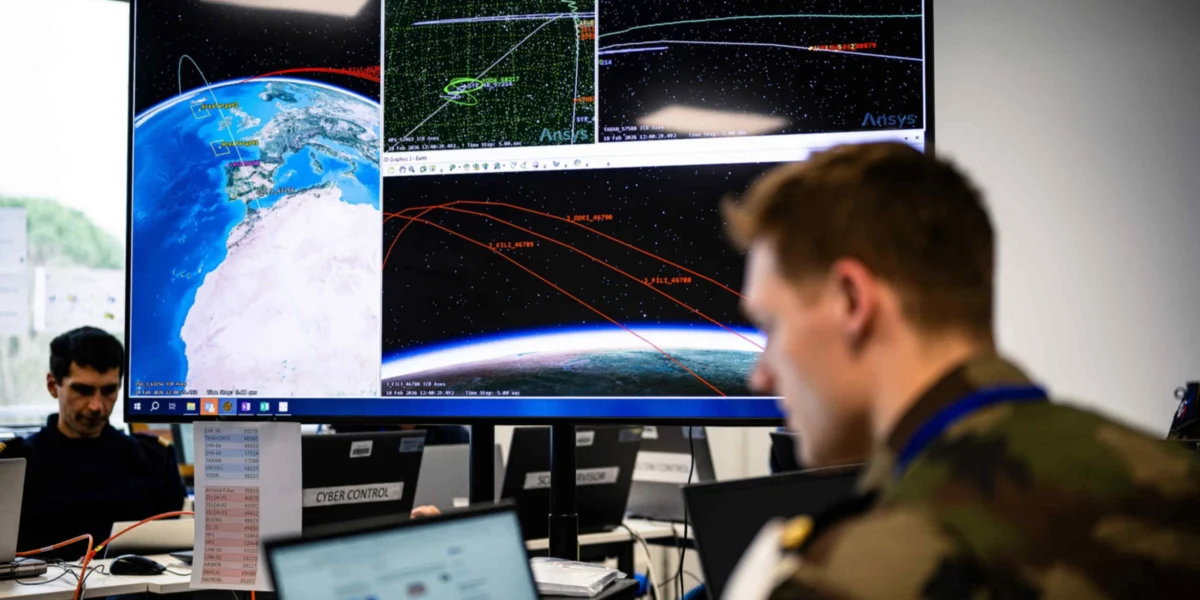
PARIS/TOKYO – Japan and France are set to significantly enhance their collaboration in the domain of space defense, a move that promises to open new avenues for sharing crucial satellite data and bolstering their respective national security capabilities. This burgeoning partnership is a direct response to the escalating threats posed by China and Russia to global communications and space-based assets, reflecting a growing strategic alignment between the two Indo-Pacific and European powers. The initiative follows Japan’s participation in the French-led space military exercise SparteX, held earlier this year, which served as a critical testing ground for joint operational concepts and interoperability.

The agreement, details of which are still being finalized, signals a proactive approach by Tokyo and Paris to safeguard their interests in an increasingly contested space environment. Both nations have recognized the strategic importance of space for intelligence gathering, navigation, communication, and early warning systems. The growing assertiveness of state and non-state actors in disrupting or denying access to these vital services has prompted a concerted effort to build more resilient and cooperative defense architectures.
A Growing Threat Landscape in Orbit
The rationale behind this intensified cooperation is rooted in the evolving geopolitical landscape. Over the past decade, both China and Russia have made substantial investments in anti-satellite (ASAT) capabilities, including kinetic kill vehicles, co-orbital weapons, and electronic warfare systems. These developments have raised serious concerns among space-faring nations about the potential for conflict to extend into orbit, jeopardizing the civilian and military infrastructure that underpins modern society.

In 2007, China demonstrated its ASAT prowess by destroying one of its own defunct weather satellites, creating thousands of pieces of space debris that continue to pose a long-term hazard to all spacecraft. More recently, Russia has been implicated in testing missile systems designed to target satellites in low Earth orbit. These actions, coupled with aggressive cyber operations and disinformation campaigns aimed at undermining satellite communications, have created a persistent and complex threat environment.
For Japan, a nation heavily reliant on space-based assets for its economic prosperity and security, particularly given its proximity to North Korea and its maritime disputes with China, the implications are profound. Similarly, France, as a key player in European security and a permanent member of the UN Security Council, views the militarization of space as a significant challenge to international stability and its own defense posture.

SparteX: A Catalyst for Collaboration
The recent participation of Japan in the French-led space military exercise SparteX marked a significant milestone in their bilateral defense relationship. Held earlier this year, SparteX brought together various French military branches and international partners to simulate responses to threats in the space domain. While specific details of the exercise remain classified, its stated objectives typically include testing command and control procedures, enhancing situational awareness in space, and practicing joint operations for satellite protection and resilience.
Japan’s involvement in SparteX provided a tangible opportunity for its Self-Defense Forces to engage with French counterparts, understand their operational concepts, and identify areas for mutual learning. This hands-on experience likely underscored the benefits of closer data sharing and coordinated action. The exercise served as a proof of concept, demonstrating that interoperability between the two nations’ space defense capabilities is not only feasible but also strategically advantageous.

Historical Context and Strategic Alignment
The deepening of Japan-France space defense ties is not an isolated event but rather a natural progression of a broader strategic alignment that has been developing over the past decade. Both nations have increasingly recognized shared values and common interests, particularly in upholding a free and open Indo-Pacific and ensuring the security of global commons, including space and the maritime domain.
Since 2013, Japan and France have engaged in regular bilateral consultations at the highest levels, including summits and defense ministerial meetings. This has led to enhanced cooperation in various defense areas, such as joint military exercises, technology transfer, and maritime security patrols. The establishment of a "2+2" dialogue mechanism (foreign and defense ministers) between the two countries in 2018 further solidified this commitment.

In terms of space, France has been a pioneer in developing its own space command, established in 2019, and has been vocal about the need for international norms and regulations to govern space activities. Japan, meanwhile, has been steadily expanding its space capabilities, with its Ministry of Defense establishing the Space Operations Squadron in 2020 and elevating it to the Space Operations Group in 2022, signaling a growing emphasis on space as a critical operational domain. The establishment of the Space Domain Awareness Unit within the Japan Air Self-Defense Force further highlights this commitment.
Implications of Enhanced Data Sharing
The prospect of sharing satellite data between Japan and France carries significant implications for their respective defense capabilities. This could encompass a range of information, including:

- Intelligence, Surveillance, and Reconnaissance (ISR) Data: Sharing processed satellite imagery and signals intelligence could provide enhanced situational awareness for both nations, particularly in monitoring the activities of potential adversaries in key regions. This could include tracking naval movements, missile launches, or other strategic deployments.
- Orbital Debris Tracking and Warning: Collaborative efforts to monitor space debris could improve the safety of space operations for both countries, allowing for more timely avoidance maneuvers and reducing the risk of collisions.
- Early Warning and Threat Assessment: By pooling data from their respective satellite constellations, Japan and France could develop more robust early warning systems for ballistic missile launches or other space-based threats, thereby enhancing their strategic deterrence.
- Resilience and Redundancy: In the event of an attack on one nation’s space assets, the ability to access data from the other’s satellites could provide crucial redundancy and maintain operational continuity.
The technical and legal frameworks for such data sharing will require careful negotiation. Issues such as data classification, encryption, access protocols, and liability will need to be addressed to ensure secure and effective cooperation. However, the willingness of both nations to explore these avenues suggests a strong political will to overcome such challenges.
Broader Impact on Global Space Security
The deepening of Japan-France space defense cooperation is likely to have a ripple effect on the broader international security landscape. It signals a growing trend of like-minded democracies forming strategic partnerships to counter emerging threats in space. This could encourage other nations with similar concerns, such as Australia, Canada, and various European countries, to explore similar collaborative initiatives.

Such alliances can serve as a deterrent to potential aggressors by demonstrating a united front and a shared commitment to protecting space assets. Furthermore, by pooling resources and expertise, these nations can accelerate the development of advanced space defense technologies and capabilities, potentially leveling the playing field against adversaries with significant state-backed space programs.
However, this trend also carries the risk of further fragmenting the international community and potentially exacerbating tensions in space. It underscores the urgent need for comprehensive international dialogue and the development of robust legal and normative frameworks to govern responsible behavior in orbit. Without such frameworks, the increasing militarization of space could lead to an arms race and a greater risk of conflict.

Future Outlook and Challenges
The path forward for Japan-France space defense cooperation will involve navigating complex technical, legal, and political considerations. Key areas of focus will likely include:
- Interoperability Standards: Developing common technical standards for data exchange and communication protocols to ensure seamless integration of capabilities.
- Joint Training and Exercises: Expanding the scope and frequency of joint exercises like SparteX to foster greater understanding and trust between military personnel.
- Technology Development and Sharing: Identifying opportunities for joint research and development of advanced space defense technologies, while respecting intellectual property rights and national security concerns.
- Policy and Legal Frameworks: Establishing clear agreements on data sharing, command and control, and the legal implications of operating in a cooperative space defense environment.
The commitment by Japan and France to enhance their space defense partnership represents a significant step in addressing the evolving challenges of the 21st-century security environment. As the strategic importance of space continues to grow, such collaborations will be crucial in safeguarding national interests and promoting global stability in orbit. The success of this endeavor will not only depend on the technical capabilities but also on the sustained political will and diplomatic engagement of both nations and their allies.
