

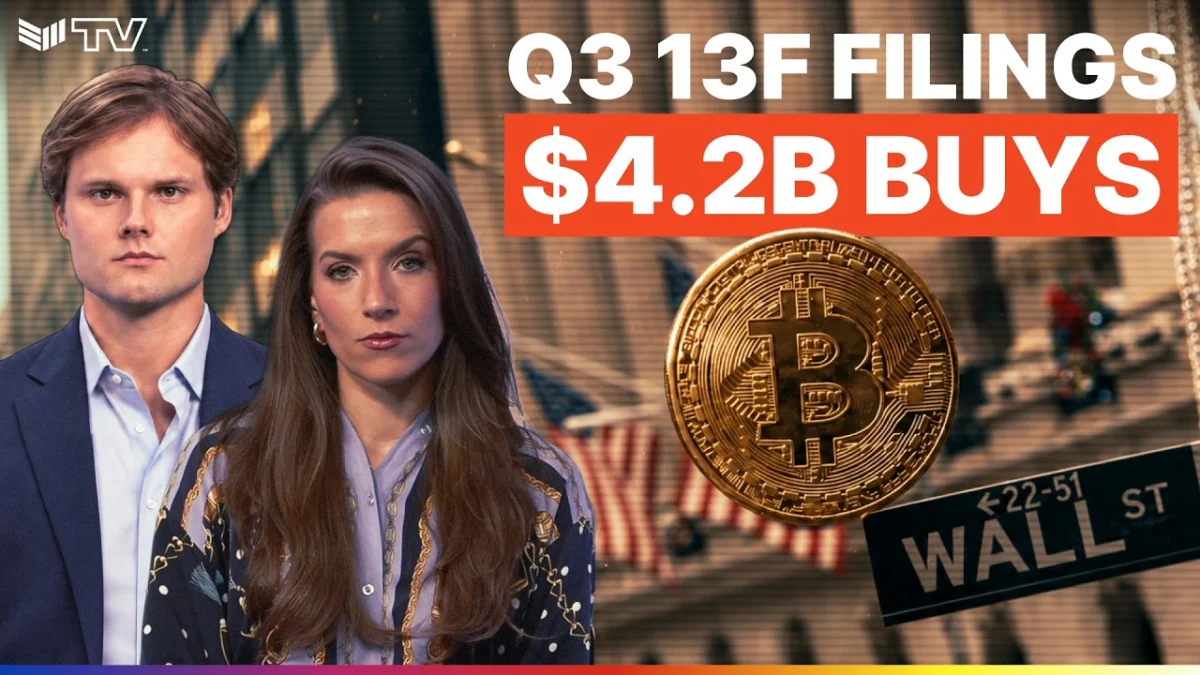
The latest regulatory filings reveal a significant uptick in the acquisition of Bitcoin Exchange Traded Funds (ETFs) by prominent institutional players, signaling a growing conviction in the digital asset’s long-term viability. Grace Remington and Sean Hagan, in their analysis of recent deadline-day filings, have shed light on the intricate ownership landscape of these increasingly popular investment vehicles, detailing not only who is buying but also the scale and strategy behind their investments.
Among the most noteworthy movements is the substantial expansion of Paul Tudor Jones’s firm’s stake in BlackRock’s spot Bitcoin ETF. The firm has reportedly nearly doubled its shares, a move that underscores a bullish sentiment from a seasoned investor who has previously expressed enthusiasm for Bitcoin as a hedge against inflation and currency devaluation. This strategic increase in exposure suggests a reinforced belief in Bitcoin’s potential to outperform traditional assets in certain economic environments.
Brevan Howard, another major player in the financial markets, has also demonstrated a pronounced commitment to the burgeoning Bitcoin ETF sector. Their filings indicate a more than tripling of their position in iShares Bitcoin Trust (IBIT), BlackRock’s flagship ETF. This aggressive scaling up of their investment suggests a strategic rebalancing of their portfolio to capitalize on what they perceive as a compelling opportunity in the digital asset space. The magnitude of this increase, tripling their existing position, is a strong indicator of their confidence in the sustained growth and adoption of Bitcoin.
Further solidifying the institutional embrace of Bitcoin ETFs, Abu Dhabi’s sovereign wealth fund, Mubadala, has maintained its entire shareholding from the end of the second quarter. While not an increase, the decision to hold its existing position throughout the latest reporting period is significant. It reflects a steady conviction and a strategic long-term outlook, rather than a short-term speculative play. Sovereign wealth funds, known for their long investment horizons and conservative approach, holding their positions signals a foundational belief in Bitcoin’s enduring value proposition.
The Evolving Landscape of Bitcoin ETF Ownership
The data emerging from these filings provides a granular view of how sophisticated financial actors are integrating Bitcoin into their investment strategies. The increasing participation of such entities is not merely a matter of individual investment decisions; it represents a broader institutional validation of Bitcoin as a legitimate asset class.
Paul Tudor Jones’s Strategic Allocation:
Paul Tudor Jones, a hedge fund titan with a history of astute market calls, has consistently shown a keen interest in Bitcoin. His firm’s decision to nearly double its holdings in BlackRock’s spot Bitcoin ETF is a testament to his ongoing belief in the cryptocurrency’s potential. This move is particularly significant given Jones’s previous pronouncements about Bitcoin acting as a digital gold and a hedge against macroeconomic uncertainties. His firm’s actions provide a strong signal to the market, potentially influencing other investors to re-evaluate their own allocations. The precise number of shares added is not disclosed in the provided text, but the act of "nearly doubling" indicates a significant capital deployment.
Brevan Howard’s Aggressive Expansion:
Brevan Howard’s more than tripling of its iShares Bitcoin Trust (IBIT) position is a bold statement. This aggressive scaling suggests that the firm views the current market conditions as highly favorable for increasing its Bitcoin exposure. Their strategy likely involves a belief that the current price levels offer an attractive entry point for significant long-term gains. The substantial increase indicates a strategic shift within their portfolio, allocating a larger portion of their assets towards digital assets via regulated investment products.
Mubadala’s Steadfast Commitment:
The decision by Mubadala, an Abu Dhabi-based sovereign wealth fund, to hold every share it possessed at the end of June is a demonstration of unwavering confidence. Sovereign wealth funds operate with very long investment horizons, and their decisions are typically based on deep due diligence and a commitment to long-term value creation. Mubadala’s sustained investment in Bitcoin ETFs suggests they view it as a strategic allocation that complements their broader portfolio objectives, likely related to diversification and potential for uncorrelated returns.
Broader Institutional Participation and Shifting Convictions
Beyond these headline-grabbing moves, the filings paint a picture of widespread institutional interest across various segments of the financial world.
University Endowments’ Prudent Approach:
University endowments, traditionally conservative investors focused on long-term growth to fund educational institutions, are also making their presence felt. Reports indicate that these endowments are largely holding their positions, suggesting a measured and strategic approach to digital asset investment. This stability from endowments implies a belief that Bitcoin, within the context of a diversified portfolio, can contribute to their long-term financial sustainability. Their involvement adds a layer of legitimacy to the asset class, as endowments are known for their rigorous due diligence processes.
Major Banks Increasing Exposure:
The participation of big banks in piling into Bitcoin ETFs is a particularly significant development. Historically, traditional financial institutions have been cautious about direct involvement in cryptocurrencies. However, their increased allocations signal a growing acceptance and integration of digital assets into mainstream finance. This trend suggests that banks are not only recognizing the demand from their clients but also identifying the potential for Bitcoin as an asset class that can offer diversification and potentially attractive returns within their own investment portfolios. The specific banks and the exact scale of their investments are crucial data points that would further illuminate the depth of this institutional shift.
State Pensions’ Strategic Stance:
State pension funds, tasked with ensuring the financial security of retirees, are also exhibiting a strategic approach to Bitcoin ETFs. Their commitment to their "strategy stock" indicates a long-term investment horizon and a focus on sustainable growth. The fact that these funds are maintaining or even increasing their allocations suggests a fundamental belief in Bitcoin’s potential as a future store of value and a growth asset that can help meet their long-term liabilities. Their involvement is a powerful endorsement, given the fiduciary responsibilities these funds carry.
The 13F Scoreboard: A Snapshot of Institutional Commitment
The quarterly 13F filings, which disclose holdings of U.S. securities by institutional investment managers, serve as a crucial barometer for understanding institutional sentiment towards Bitcoin ETFs. These reports provide a semi-transparent view into the portfolios of some of the world’s largest and most influential investors.
The aggregated data from these filings allows analysts to track trends and identify which institutions are leading the charge in adopting Bitcoin ETFs. The consistent upward trend in holdings by many of these entities over recent quarters suggests that Bitcoin ETFs are moving beyond a speculative niche and becoming a standard component of institutional portfolios. This evolution is critical for the long-term maturation of the cryptocurrency market.
The Underlying Conviction: Beyond Speculation
Sean Hagan’s commentary on "sovereign conviction" adds a crucial layer of understanding to these institutional movements. The involvement of state-backed entities and the consistent holdings by major sovereign wealth funds suggest a deeper, more strategic conviction in Bitcoin’s role as a potential store of value and a hedge against traditional financial system risks. This "sovereign conviction" implies that these entities are not merely reacting to market sentiment but are making calculated decisions based on long-term geopolitical and economic trends.
The fact that sophisticated actors are accumulating Bitcoin ETFs indicates a belief that the regulatory landscape is stabilizing and that the infrastructure for institutional investment is becoming more robust. This accumulation is a quiet but powerful signal that these players are positioning themselves for the long-term growth and adoption of digital assets.
Implications for the Future of Finance
The increasing institutional adoption of Bitcoin ETFs has several significant implications:
- Increased Legitimacy and Mainstream Acceptance: The involvement of major financial institutions and sovereign wealth funds lends significant legitimacy to Bitcoin and the broader cryptocurrency market. This acceptance can pave the way for wider adoption by retail investors and further integration into traditional financial systems.
- Price Stability and Reduced Volatility: As more institutional capital flows into Bitcoin ETFs, it could lead to increased liquidity and potentially reduced price volatility over time. Large, steady inflows from these entities can help to smooth out market swings.
- Innovation and Product Development: The demand for regulated investment products like ETFs is likely to spur further innovation in the digital asset space. We may see the development of new products and services catering to institutional needs, further deepening the integration of crypto into finance.
- Shifting Investment Paradigms: The willingness of sophisticated investors to allocate significant capital to an asset class that was once considered fringe signals a potential paradigm shift in investment strategies. This could encourage other investors to explore diversification into alternative assets.
- Regulatory Clarity: The increased institutional interest often goes hand-in-hand with a push for greater regulatory clarity. As more regulated products become available, regulators are likely to provide clearer guidelines, further de-risking the asset class for institutional investors.
The data from these recent filings clearly indicates that institutional conviction in Bitcoin ETFs is not only holding steady but is actively growing. The strategic decisions of titans like Paul Tudor Jones and Brevan Howard, coupled with the steadfast commitment of entities like Mubadala and the increasing participation of major banks, point towards a future where digital assets are an integral part of the global financial landscape. The "13F Scoreboard" is becoming an increasingly important indicator of this profound shift, revealing that sophisticated actors are not just observing, but are actively accumulating, building a foundation for the long-term evolution of finance.
Disclaimer: The views and opinions expressed in this article are based on the analysis of regulatory filings and publicly available information. This content is provided for informational and educational purposes only and should not be construed as investment, legal, tax, or accounting advice. Readers are encouraged to consult with their own financial advisors before making any investment decisions. Bitcoin Magazine and its affiliated entities do not endorse or recommend any specific investment strategies or financial instruments.
