

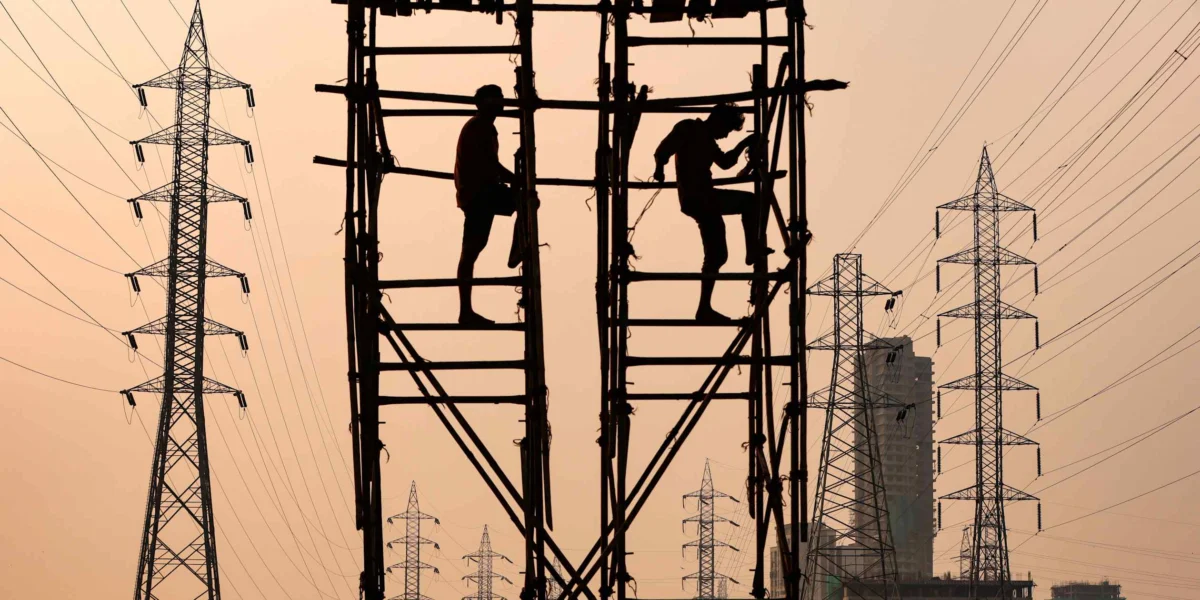
BENGALURU — India, a nation deeply reliant on energy imports and a significant player in global energy markets, has championed its ambitious expansion of renewable power as a cornerstone of its national energy security strategy. However, the ongoing geopolitical instability, exemplified by the recent escalation of the Iran war, is starkly highlighting the persistent entanglement of its industrial sector with fossil fuels. This reliance is underpinned by a confluence of factors, including prohibitive costs and substantial technical impediments, which are collectively decelerating the crucial transition towards electricity as the primary energy source for industrial operations.
The Energy Security Imperative: India’s Renewable Drive
India’s strategic pivot towards renewable energy sources, particularly solar and wind power, has been a defining feature of its energy policy over the past decade. Driven by a dual imperative of mitigating climate change and reducing its formidable import bill for fossil fuels, the government has set aggressive targets for renewable energy capacity. By the end of 2023, India had already achieved over 170 GW of non-fossil fuel-based energy capacity, a substantial leap from figures in the early 2010s. The nation’s Intended Nationally Determined Contributions (INDCs) submitted to the UNFCCC have consistently emphasized this commitment, aiming for a significant portion of its energy to come from renewables by 2030. This push is not merely an environmental aspiration; it is intrinsically linked to economic stability and national security. A substantial portion of India’s crude oil and natural gas needs are met through imports, leaving the economy vulnerable to price volatility and supply disruptions in international markets. The Iran war, with its potential to disrupt major shipping lanes in the Persian Gulf and impact oil prices globally, serves as a potent reminder of this vulnerability.
The Lingering Shadow of Fossil Fuels in Indian Industry
Despite the impressive growth in renewable energy generation, the reality on the ground for many Indian industries reveals a far more complex picture. Electricity’s share of final energy demand in India currently hovers around a modest 20%, indicating that the vast majority of energy consumption in sectors like manufacturing, transportation, and residential use still relies on traditional, often fossil-fuel-based, sources. This deep-seated reliance is not an overnight phenomenon. It is the product of decades of industrial development built upon readily available and historically cheaper fossil fuels. The infrastructure for coal-fired power generation, natural gas pipelines, and diesel-powered machinery is extensive and deeply embedded within the industrial ecosystem.
The transition to electric industrial processes faces a formidable array of challenges. Firstly, the capital investment required for retrofitting existing plants or establishing new ones with electric heating, machinery, and processes is substantial. Many small and medium-sized enterprises (SMEs), which form the backbone of India’s industrial output, often lack the financial wherewithal to undertake such significant upgrades. Secondly, the reliability and availability of electricity supply, particularly in certain industrial zones, can still be a concern. While the national grid has improved, intermittent power outages can disrupt production cycles and lead to significant financial losses, making industries hesitant to fully commit to electricity-dependent operations. Furthermore, the technical expertise required to operate and maintain advanced electric industrial equipment is not always readily available, necessitating further investment in training and development.
Geopolitical Shocks and the Realities of Energy Transition
The recent escalation of the Iran war, characterized by increased tensions and potential disruptions in the Strait of Hormuz, has sent ripples through global energy markets. Crude oil prices have seen a notable surge, and forecasts indicate further volatility. For India, this translates directly into higher import costs for petroleum products, impacting everything from transportation fuel to the feedstock for petrochemical industries. This price shock has, in turn, amplified the economic attractiveness of domestic renewable energy sources. However, the war also highlights how quickly external factors can impact energy security and underscores the urgency of diversifying energy sources.
The immediate implication for India’s industrial sector is a renewed focus on reducing reliance on imported fossil fuels. This includes exploring domestic coal reserves more aggressively, though this runs counter to climate goals, and accelerating the adoption of cleaner alternatives. The narrative around renewable energy’s role in energy security is gaining further traction, with policymakers and industry leaders alike acknowledging the need for a more robust and resilient energy infrastructure. The challenge, however, lies in translating this urgency into tangible action across all industrial segments. The war serves as a stark reminder that while renewable energy offers a long-term solution, the immediate vulnerability to fossil fuel price shocks remains a critical concern.
Data-Driven Insights: The Energy Consumption Landscape
To understand the scale of the challenge, consider the following:
- Fossil Fuel Dominance: Coal remains the dominant source of electricity generation in India, accounting for approximately 70% of the country’s power mix. While this is decreasing, it still signifies a significant reliance on a carbon-intensive fuel.
- Industrial Energy Needs: The industrial sector is the largest consumer of energy in India, accounting for over 40% of total final energy consumption. Within this sector, a substantial portion is still met by direct fossil fuel combustion for heat and power.
- Import Dependency: India imports over 85% of its crude oil requirements and a significant portion of its natural gas. This dependence makes the nation highly susceptible to global price fluctuations and geopolitical events.
- Renewable Energy Growth: India’s installed renewable energy capacity has grown exponentially. As of early 2024, it stood at over 170 GW, with solar power leading the charge. However, integrating this variable energy source into a grid designed for baseload power remains an ongoing technical challenge.
- Electrification Gap: The statistic that electricity constitutes only about 20% of final energy demand in India underscores the vast potential for electrification across various sectors. However, this also signifies the scale of investment and policy support needed to bridge this gap.
Official Responses and Industry Reactions
In light of the escalating geopolitical situation, government officials have reiterated their commitment to accelerating the energy transition. Speaking at a recent industry conference in Mumbai, the Union Minister for Power and New and Renewable Energy, Mr. R.K. Singh, stated, "The current global energy landscape underscores the critical importance of our mission to achieve energy independence. We are doubling down on our efforts to expand renewable energy capacity and encourage industries to transition to electric processes. This is not just an environmental imperative but a matter of national economic security."
Industry bodies have echoed these sentiments, albeit with a pragmatic acknowledgment of the hurdles. The Confederation of Indian Industry (CII) released a statement emphasizing the need for "targeted policy interventions, financial incentives, and enhanced grid infrastructure to facilitate the industrial shift towards electrification. While the long-term benefits are clear, the short-term costs and technical challenges require a collaborative approach between government and industry."
Several leading industrial conglomerates have also announced plans to increase their investment in renewable energy procurement and explore electrification of their operations. Tata Steel, for instance, has outlined a roadmap to significantly increase its renewable energy sourcing for its manufacturing facilities. Similarly, Reliance Industries has been investing heavily in green hydrogen and advanced battery storage technologies, signaling a broader strategic shift. However, these are often large corporations with the financial muscle to undertake such transitions. The challenge of bringing the vast network of SMEs along remains a significant policy and implementation hurdle.
Broader Impact and Implications: A Bifurcated Future?
The interplay between India’s renewable energy ambitions and its industrial reliance on fossil fuels, amplified by geopolitical events, presents a complex and potentially bifurcated future. On one hand, the nation is undeniably on a path towards a cleaner energy future, with renewable energy becoming increasingly cost-competitive and technologically viable. This trajectory promises greater energy independence, reduced carbon emissions, and a more sustainable economic model in the long run.
On the other hand, the immediate future is likely to be characterized by a continued reliance on fossil fuels for many industrial applications, particularly in sectors where the cost of transition is prohibitively high or where technical barriers remain significant. This could lead to a widening gap between large, forward-thinking corporations that can afford to invest in green technologies and smaller enterprises that are constrained by capital and technical limitations.
The Iran war and its impact on global energy prices serve as a catalyst, accelerating the conversation and, potentially, some aspects of the transition. However, the deep entrenchment of fossil fuels in India’s industrial fabric means that a rapid and complete shift is unlikely in the short to medium term. The nation must navigate a delicate balancing act: aggressively pursuing its renewable energy goals while simultaneously finding pragmatic solutions to mitigate the immediate impacts of fossil fuel price volatility and ensuring a just transition for all segments of its industrial sector. The success of this balancing act will be critical in determining India’s long-term energy security, economic resilience, and progress towards its climate commitments. The coming years will be a testament to India’s ability to harness its renewable potential while managing the persistent realities of its fossil fuel dependence in an increasingly volatile global landscape.
