

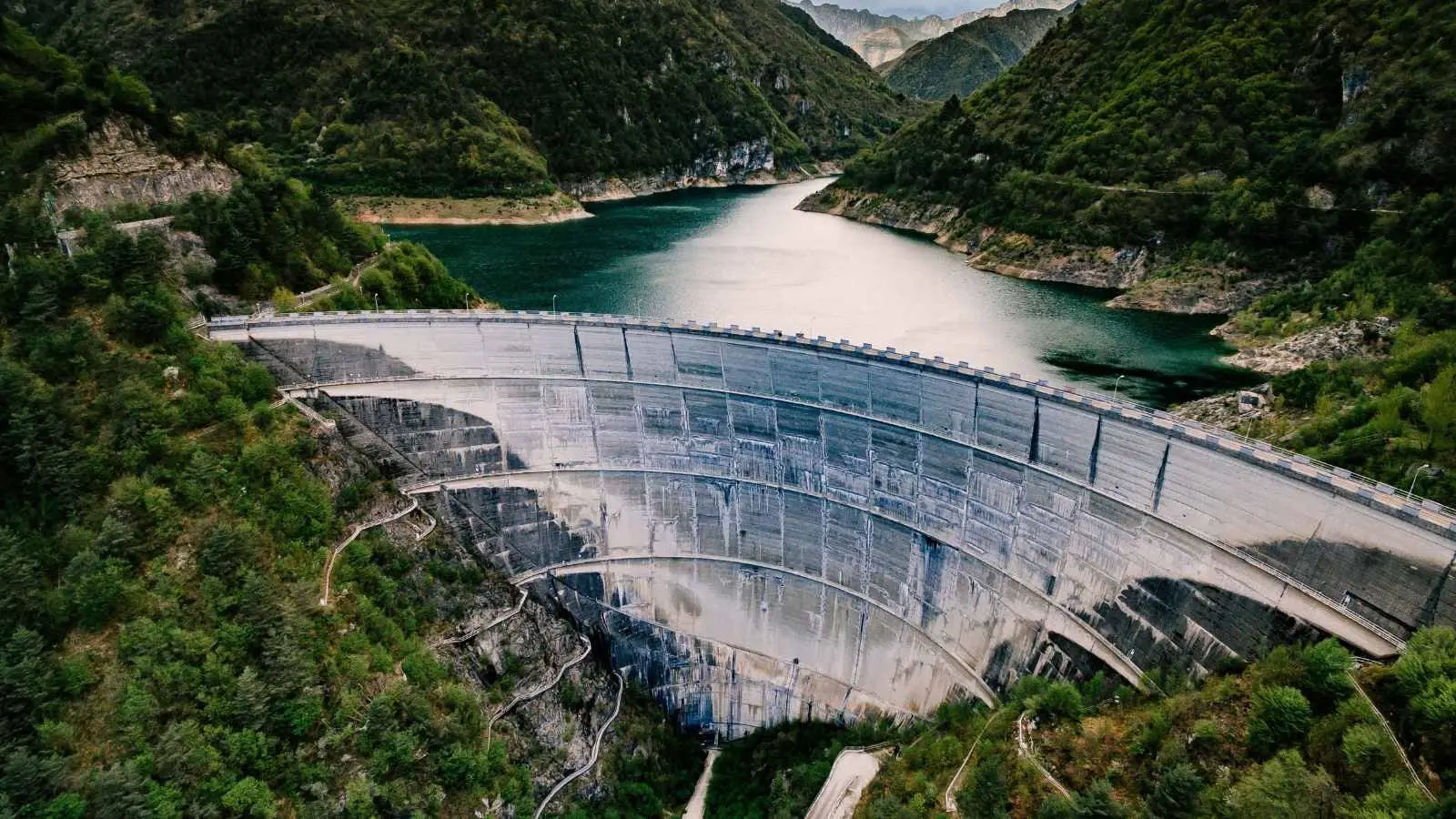
The integration of wind and solar energy infrastructure within existing hydroelectric power sites represents a significant and largely untapped opportunity to alleviate the mounting pressure on Europe’s electricity grids. According to a comprehensive new report from the energy think tank Ember, "behind-the-meter" hybridization could effectively bypass the severe grid constraints that currently stall hundreds of gigawatts of renewable projects across the continent. By utilizing existing grid connections, European nations could deploy at least 25GW of new renewable capacity almost immediately, without the need for extensive network reinforcements or the lengthy permitting processes typically associated with new grid infrastructure.
The report arrives at a critical juncture for the European Union. As the bloc strives to meet its ambitious REPowerEU targets—aiming for a 42.5% share of renewable energy by 2030—the primary bottleneck has shifted from technology costs to infrastructure availability. Grid congestion has become a pervasive issue, with many renewable developers facing wait times of a decade or more for a connection. Ember’s analysis suggests that the strategic "stacking" of wind and solar assets at hydroelectric sites offers a pragmatic, low-intervention solution to this crisis.
The Scale of the Opportunity: Analyzing Europe’s Hydro Giants
Ember’s study focused on seven key European nations that represent the backbone of the continent’s hydroelectric capacity: Austria, Bulgaria, France, Italy, Portugal, Romania, and Spain. Together, these countries account for 93GW of the European Union’s total 131GW of installed hydropower. The analysis reveals a striking level of underutilization among these assets. On average, the hydropower plants eligible for hybridization operate at only 19% of their maximum output capacity. This leaves a massive "headroom" within existing grid connections that could be filled by variable renewable sources.
The potential for efficiency gains is substantial. By adding solar power to these sites, the average utilization rate of the grid connection could rise to 31%. If wind energy is integrated, that utilization could climb further to 36%. In specific high-potential cases, the report indicates that adding a combination of wind and solar could effectively triple the energy throughput of the same grid connection. This optimization is particularly valuable because it maximizes the value of infrastructure that has already been paid for and permitted, reducing the overall levelized cost of energy (LCOE) for the system.
Bridging the 120GW Grid Capacity Gap
The urgency of hybridization is underscored by the widening gap between planned renewable deployment and available grid capacity. Ember estimates a shortfall of at least 120GW between the grid capacity currently planned for 2030 and the amount of renewable energy needed to meet energy security and climate goals. While the long-term solution remains the massive expansion of the physical grid—a project requiring hundreds of billions of euros in investment—hybridization provides a "fast-track" alternative.
By integrating 25GW of wind and solar behind the meter at hydro sites, Europe could fulfill roughly 18% of its upcoming renewable capacity requirements without requiring any new grid interventions. This is especially vital for countries like Italy and France, where the grid is increasingly "locked" in certain regions, preventing new solar farms or wind parks from coming online. Hybridization allows these countries to continue their green transitions by making better use of what they already have.
The Mechanism of Cable Pooling and Virtual Power Plants
A central concept in the Ember report is "cable pooling," a regulatory and technical framework that allows multiple energy generators to share a single point of connection to the grid. There are two primary ways to implement this:
- Partially Integrated Hybrids: In this model, the different components (hydro, wind, and solar) operate with fixed export limits. For example, a site might have a 100MW connection, with 50MW allocated to hydro and 50MW to solar. While simple, this does not always maximize the connection’s potential.
- Single Commercial Entities: This more advanced model treats the entire site as a single entity with an overall export limit. An intelligent management system optimizes the output in real-time. When the sun is shining, solar output is maximized; if the reservoir is full and needs to discharge, hydro takes precedence. This approach allows for the management of variable renewables and provides a more stable, "firm" supply of electricity to the grid, mimicking the behavior of a traditional baseload power plant.
This technical synergy is particularly effective because solar, wind, and hydro often have complementary generation profiles. Solar peaks during summer days, wind often peaks during winter or at night, and hydropower—especially reservoir-based hydro—can be dispatched flexibly to fill the gaps when wind and solar output drops.
Regulatory Roadblocks and the Path to Reform
Despite the clear technical and economic benefits, the Ember report highlights a significant disparity in the legislative readiness of European nations. Of the seven countries studied, only Spain and Portugal have established clear rules governing hybrid projects. These two Iberian nations have pioneered the regulatory frameworks necessary to unblock hybridization, providing a blueprint for the rest of the EU.

In most other European jurisdictions, regulatory frameworks remain underdeveloped or entirely absent. Developers often face "regulatory limbo," where it is unclear if they are allowed to add new generation to an existing connection without undergoing a full—and often prohibitive—re-application process for grid access.
Ember’s Energy Infrastructures Lead, Elisabeth Cremona, emphasized the need for political action: "Political ambitions mean nothing if clean electrons are stranded in connection queues. For countries facing gridlock, hybridization offers an immediate, zero-intervention solution. By stacking wind and solar behind existing grid connections, we can unlock the large-scale renewable deployment that underpins Europe’s security and competitiveness, while reducing the need for costly network expansions."
To address these barriers, the report recommends several key legislative actions:
- Streamlined Permitting: Hybrid projects should benefit from accelerated grid connection procedures, acknowledging their minimal impact on the broader network.
- Overcapacity Provisions: National legislation should explicitly allow for "over-planting"—where the total installed capacity of the wind, solar, and hydro assets exceeds the grid connection limit—relying on smart management to ensure the limit is never breached.
- Standardized Cable Pooling: Establishing clear legal definitions for shared infrastructure to reduce legal risks for investors.
Real-World Success: From the French Alps to the Douro River
The potential of hybridization is not merely theoretical; several landmark projects are already demonstrating its viability. In Portugal, the Tâmega Electroproduction System stands as a premier example of modern hybridization. The project features a novel connection between large-scale hydroelectric dams and the Tâmega wind farm. By sharing the same substation and grid infrastructure, the project significantly reduces the environmental footprint and capital expenditure that would have been required for two separate connections.
Similarly, floating solar technology is emerging as a perfect partner for hydropower. Floating solar arrays (FPV) installed on hydro reservoirs offer unique advantages: they require no additional land, they benefit from the cooling effect of the water (which improves solar panel efficiency), and they reduce water evaporation from the reservoir—a critical benefit in drought-prone regions of Southern Europe.
In the French Alps, the Lazer floating solar power plant, operated by EDF, illustrates this synergy. The plant consists of over 50,000 solar panels with a capacity of 20MWp, situated on the reservoir of the Lazer hydro plant. The solar facility is particularly valuable during the summer months when water levels in the reservoir are often reserved for crop irrigation rather than power generation. The solar panels allow the site to continue providing clean electricity to the grid even when the turbines are silent.
Broader Implications for Energy Security and Industry
The push for hybridization is about more than just hitting climate targets; it is a matter of economic survival and industrial competitiveness for Europe. High energy prices, exacerbated by geopolitical volatility and the transition away from Russian gas, have put immense pressure on European manufacturers. Rapidly increasing the supply of cheap, renewable electricity is the primary lever available to lower these costs.
Furthermore, the electrification of industry—moving from gas-fired furnaces to electric heat pumps and arc furnaces—requires a massive increase in power availability. If the grid remains a bottleneck, industrial decarbonization will stall. Hybridization offers a way to bypass this bottleneck, providing the "clean electrons" necessary to power a new generation of European industry.
The Ember report serves as a wake-up call to European policymakers. While the physical expansion of the grid is a multi-decade endeavor, the hybridization of existing hydro assets can begin today. By removing the regulatory hurdles and embracing the "stacking" of renewable technologies, Europe can turn its existing infrastructure into a more powerful engine for the green transition, ensuring energy security and economic resilience in an increasingly uncertain global landscape.
As the European Commission prepares its next steps for the European Grid Action Plan, the findings from Ember suggest that the most efficient path forward may not always involve building new lines, but rather, making the most of the wires already in place. The 25GW of "hidden" capacity identified in this report represents a low-hanging fruit that Europe can ill afford to ignore.
