

When Allison Yang, a former journalist from China, relocated to the United States two years ago, she was struck by how immigrants discussed their visa statuses. It was akin to a card game, filled with jargon like "Queen," "Knight," or "Ace," representing various immigration categories such as H-1B, OPT, L-1, O-1, and NIW. This complex terminology, often unintelligible to native-born Americans, underscored a significant knowledge gap regarding the intricate U.S. immigration system. Yang’s observation of this linguistic barrier, coupled with her firsthand experience navigating these complexities, inspired her to create a video game designed to demystify the process: H1B.Life.
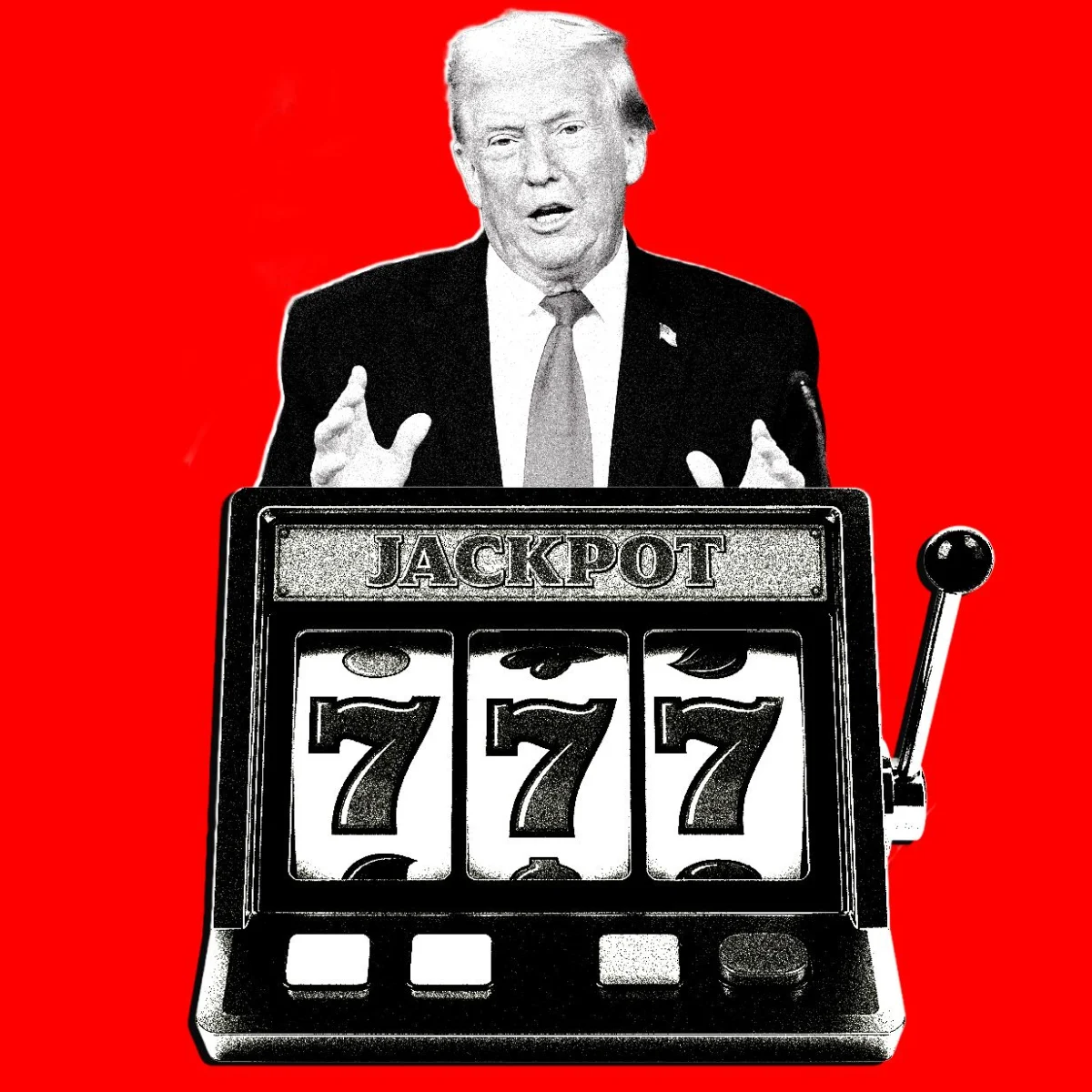
This mobile game, developed by Yang’s studio, Reality Reload, aims to simulate the often arduous journey of applying for a U.S. work visa. It captures the lived experience of immigrants operating within a governmental framework that has, in recent years, been perceived as increasingly restrictive. Scheduled for release in the summer, H1B.Life is structured as a visual novel where players guide a character who has completed studies in the U.S. and seeks to transition from a student visa to a work visa. Player choices will influence the character’s financial stability, social support network, and resourcefulness, ultimately impacting their immigration outcomes. The game incorporates a unique slot machine mechanic that introduces random global events—ranging from financial crises to geopolitical incidents—significantly altering the character’s trajectory and mirroring the inherent unpredictability of the immigration process.
The development team behind H1B.Life is deeply rooted in the immigrant experience. More than half of the nine developers have either successfully obtained a U.S. visa or faced the challenges of attempting to do so. While many hail from China, the team intentionally sought talent from other countries to ensure a broader spectrum of immigrant perspectives. Andrea Saravia Pérez, a narrative designer from Colombia who joined the project in February, noted, "Everybody knows somebody that’s on a visa, but not all of them are vocal about that part of their identity. How can we develop a project that’s interactive and shows people this immigration system that a lot of Americans are not familiar with?"
The gaming industry has witnessed a burgeoning interest in politically charged and socially relevant games. H1B.Life garnered substantial attention and support at the annual Game Developers Conference in San Francisco. Yang highlighted that the game’s appeal lies in its tackling of a significant societal issue without the primary objective of substantial profit. The project has received support from a philanthropic organization, and the developers plan to secure additional funding through an upcoming Kickstarter campaign. Yang has also noted interest from international parties in Germany and Australia regarding licensing or adapting the game for their respective national immigration systems. "The whole world is turning right, and life is getting more difficult for all immigrants," she observed, underscoring a global trend towards more stringent immigration policies. Saravia Pérez added, "If we can just put people in our shoes, I think it can create a very positive impact. As long as players come to have fun and are able to sympathize and understand it a little bit more, I think that we’ve done our job as a team."
The U.S. Immigration Landscape: Navigating Technicalities and Emotions
The H-1B visa program, established in 1990, has historically served as a crucial pathway for highly skilled foreign professionals to work in the United States. This non-immigrant visa allows U.S. employers to temporarily employ foreign workers in specialty occupations that require theoretical or technical expertise. The program typically allocates approximately 85,000 visas annually. However, the demand often outstrips the supply, necessitating a lottery system to select recipients. This process means that even qualified candidates face significant uncertainty, with many needing to reapply year after year. The personal narratives of success and failure within this system are numerous, including that of the game’s creator.

The development of H1B.Life commenced with extensive interviews with immigrants, providing a foundation for the game’s realism and accuracy. Yang reports that the team has spoken with over two dozen individuals about their H-1B visa journeys. The primary challenge in development has been to strike a delicate balance between accurately conveying the complexities of U.S. immigration regulations and maintaining player engagement.
To bridge this gap, the game focuses on the emotional resonance of the immigrant experience. A journalist on the development team, who requested anonymity due to concerns about future immigration applications, shared two particularly impactful interviews. One H-1B visa applicant had faced five unsuccessful lottery attempts. When they initially applied, the odds of winning the lottery were estimated to be around 80%. By 2024, however, official U.S. Citizenship and Immigration Services (USCIS) data indicated these odds had dropped to as low as 25%. Repeatedly failing to secure a visa, despite initial favorable odds, plunged the applicant into a profound existential crisis, leading them to question their entire life choices.
Another interviewee recounted a poignant anecdote: for an extended period, they desired to purchase a comfortable couch but refrained from doing so. This hesitation stemmed from a pervasive anxiety about potentially being forced to leave the U.S. on very short notice. "I heard so many narratives like this," the journalist stated. "People feel that they are losing control of their own lives" due to the inherent precariousness of the immigration system. These personal testimonies form the emotional core of H1B.Life, aiming to evoke empathy and understanding among players.
The "Crispy Buddha" and the Unpredictability of Fortune
Central to the gameplay of H1B.Life is a mysterious slot machine that the player character interacts with throughout their journey. This in-game mechanic periodically shuffles through five distinct "buddhas," each representing a random life-altering event. These elements are deliberately integrated to inject moments of levity into a narrative that can otherwise feel overwhelmingly realistic. Saravia Pérez explained, "We’re crafting these moments with ups and downs so that it’s a roller coaster, not a downward doom spiral."
The game’s design choice to represent the immigration process as a gamble is intentional. Hundreds of thousands of immigrants each year engage in this significant undertaking, which has the potential to reshape their futures entirely. The feeling of relinquishing control is a shared experience, and the gamified gambling system in H1B.Life serves as a direct metaphor for this.
This pervasive uncertainty has led many applicants to seek spiritual solace or embrace unconventional superstitions. One of the five "buddhas" in the game, depicted as a chicken and humorously named the "Crispy Buddha," is inspired by an urban legend prevalent within Chinese immigrant communities. This legend posits that consuming food from the fast-food chain Chick-fil-A might somehow increase one’s chances of winning the H-1B lottery. The myth appears to have originated from online forum discussions where individuals reported unexpectedly securing their visas shortly after eating fried chicken. Annually, around April, when H-1B lottery results are typically announced, Chinese visa applicants have been observed to change their social media avatars to the Chick-fil-A logo in a collective hope for good fortune.

Broader Implications and Future Outlook
The development of H1B.Life arrives at a time when discussions surrounding immigration policy are particularly charged globally. The game’s creators hope to foster greater public understanding and empathy for the complex realities faced by immigrants. By translating abstract policy into an interactive narrative, they aim to bridge the disconnect between those who navigate the system and those who observe it from afar.
The interest shown by individuals in Germany and Australia suggests that the challenges and anxieties associated with immigration are not confined to the United States. As more countries adopt stricter immigration measures, games like H1B.Life could serve as vital tools for cross-cultural dialogue and education. The success of the Kickstarter campaign will be a critical indicator of public appetite for such games and the potential for similar projects in other contexts.
The initiative by Reality Reload to create H1B.Life is more than just a game development project; it is a testament to the power of interactive media in illuminating complex social issues. By blending personal narratives with systemic challenges and a touch of playful superstition, the game offers a unique lens through which to view the profound human element of immigration. The developers’ ambition is clear: to create an experience that is both entertaining and educational, fostering a deeper understanding and perhaps even a greater sense of solidarity with those navigating the often-unpredictable path of seeking a new life in a foreign land. The game’s release is anticipated to spark further conversation about the human cost and emotional toll of immigration policies, moving beyond technicalities to embrace the lived experiences of those affected.
This article is an edition of the "Made in China" newsletter by Zeyi Yang and Louise Matsakis.
