

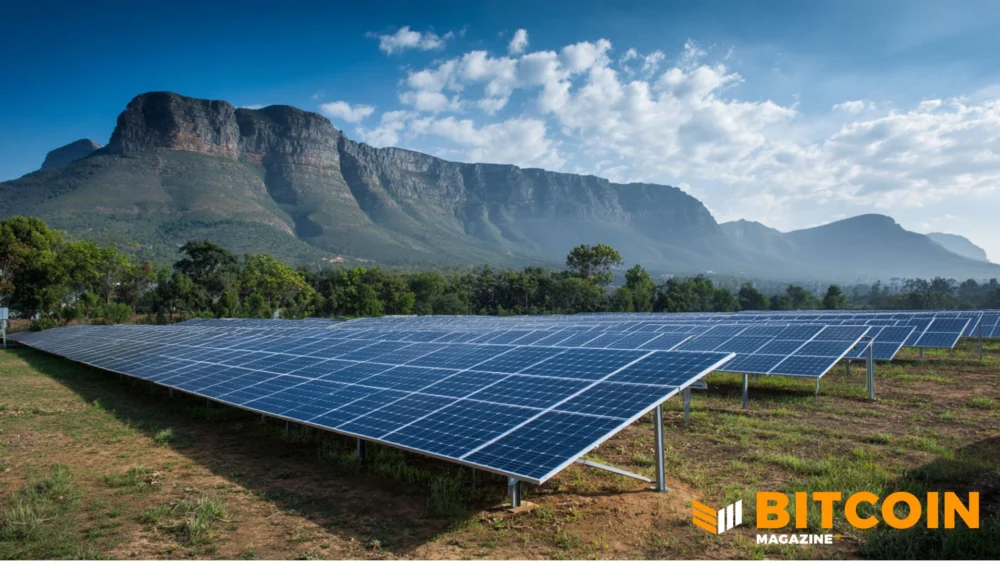
South Africa’s state-owned power utility, Eskom, is actively exploring innovative strategies to monetize its excess daytime electricity generation, a surplus that has emerged due to the rapid and widespread adoption of rooftop solar installations across the nation. The utility is particularly evaluating the potential of supplying this surplus power to Bitcoin mining companies, a sector known for its substantial and consistent energy requirements. This strategic pivot reflects Eskom’s proactive approach to adapting to the evolving energy landscape, characterized by declining grid demand during daylight hours and the increasing decentralization of power generation.
The impetus for this consideration was articulated by Eskom Chairman Mteto Nyati during the Biznews Conference 2026, held in Hermanus. Nyati highlighted the utility’s ongoing assessment of methods to capitalize on the surplus energy produced during the mid-day period. This surplus is a direct consequence of a significant shift in South Africa’s electricity demand profile. As more households and businesses invest in rooftop solar photovoltaic (PV) systems, they become increasingly self-sufficient during the sunniest parts of the day. Consequently, the demand placed on Eskom’s national grid diminishes considerably once these solar installations begin generating power.
The Changing Face of South Africa’s Electricity Demand
The trend is not merely anecdotal; it is a predictable pattern that Eskom is now observing with increasing regularity. The day typically begins with a surge in electricity demand as households prepare for their daily routines and businesses commence operations. However, as the sun rises higher and solar panels across the country ramp up their energy production, this demand on the national grid experiences a notable decline. This creates a surplus of electricity within Eskom’s generation capacity, power that would otherwise be underutilized or potentially curtailed.
Eskom’s examination of how to effectively utilize this surplus capacity is part of a broader initiative to identify "creative ways and means" to optimize its operations and revenue streams. The option of offering discounted electricity rates to Bitcoin mining companies operating within South Africa is a prominent consideration. The rationale behind this focus on Bitcoin miners is straightforward: these operations are powered by large-scale data centers that perform computationally intensive tasks essential for securing the Bitcoin network. These operations require a continuous and substantial supply of electricity, making them a potentially ideal off-taker for Eskom’s surplus daytime power.
Mteto Nyati underscored the growing global demand for electricity driven by technological advancements, specifically mentioning industries like Bitcoin mining. He pointed out that while this sector was virtually non-existent two decades ago, it has now emerged as a significant and growing consumer of energy. By channeling its surplus electricity to these energy-intensive industries, Eskom could potentially generate new revenue from power that might otherwise be wasted during peak solar generation hours.
South Africa’s Evolving Energy Ecosystem and Bitcoin Mining Opportunities
This forward-thinking approach aligns with earlier statements made by Eskom’s Chief Executive, Dan Marokane. Marokane had previously indicated that the state-owned utility was actively investigating opportunities related to Bitcoin mining, artificial intelligence (AI) infrastructure, and other large-scale data centers. These sectors are characterized by their need for large, uninterrupted electricity supplies, presenting a potential avenue for Eskom to stimulate new demand for its generation fleet.
Nyati framed this initiative as a critical component of Eskom’s comprehensive strategy to navigate and adapt to the fundamental structural changes occurring within South Africa’s electricity market. The nation’s power sector is undergoing a significant transformation, with increasing openness to private investment. This shift is enabling independent power producers to establish their own generation capacity and participate in the electricity distribution market, thereby fostering a more competitive environment. Simultaneously, the escalating adoption of rooftop solar power is progressively diverting energy consumption away from the national grid, further reshaping demand dynamics.
In this increasingly competitive landscape, Eskom recognizes the imperative to adapt to remain a viable and essential entity. Beyond exploring new revenue streams, the utility is also deeply committed to stringent cost reduction measures. Nyati announced Eskom’s ambitious plan to eliminate approximately R112 billion in expenses over the next five years. Such cost-saving initiatives are crucial not only for Eskom’s financial health but also for potentially moderating electricity prices for both residential consumers and energy-intensive industries like mining and smelting.
Despite the profound shifts in the energy sector, Nyati maintained a strong conviction in the continued necessity of a robust national utility. He asserted that Eskom’s existing generation assets, particularly its coal and nuclear power stations, play a pivotal role in providing the foundational, or base-load, electricity that is indispensable for supporting industrial expansion and driving overall economic development in South Africa.
The proposal to offer discounted electricity to Bitcoin miners can be interpreted as a tangible manifestation of how utility providers are beginning to view and engage with flexible energy consumers. These consumers are increasingly being recognized as valuable assets for balancing the intricate interplay of supply and demand within an increasingly dynamic and complex power system.
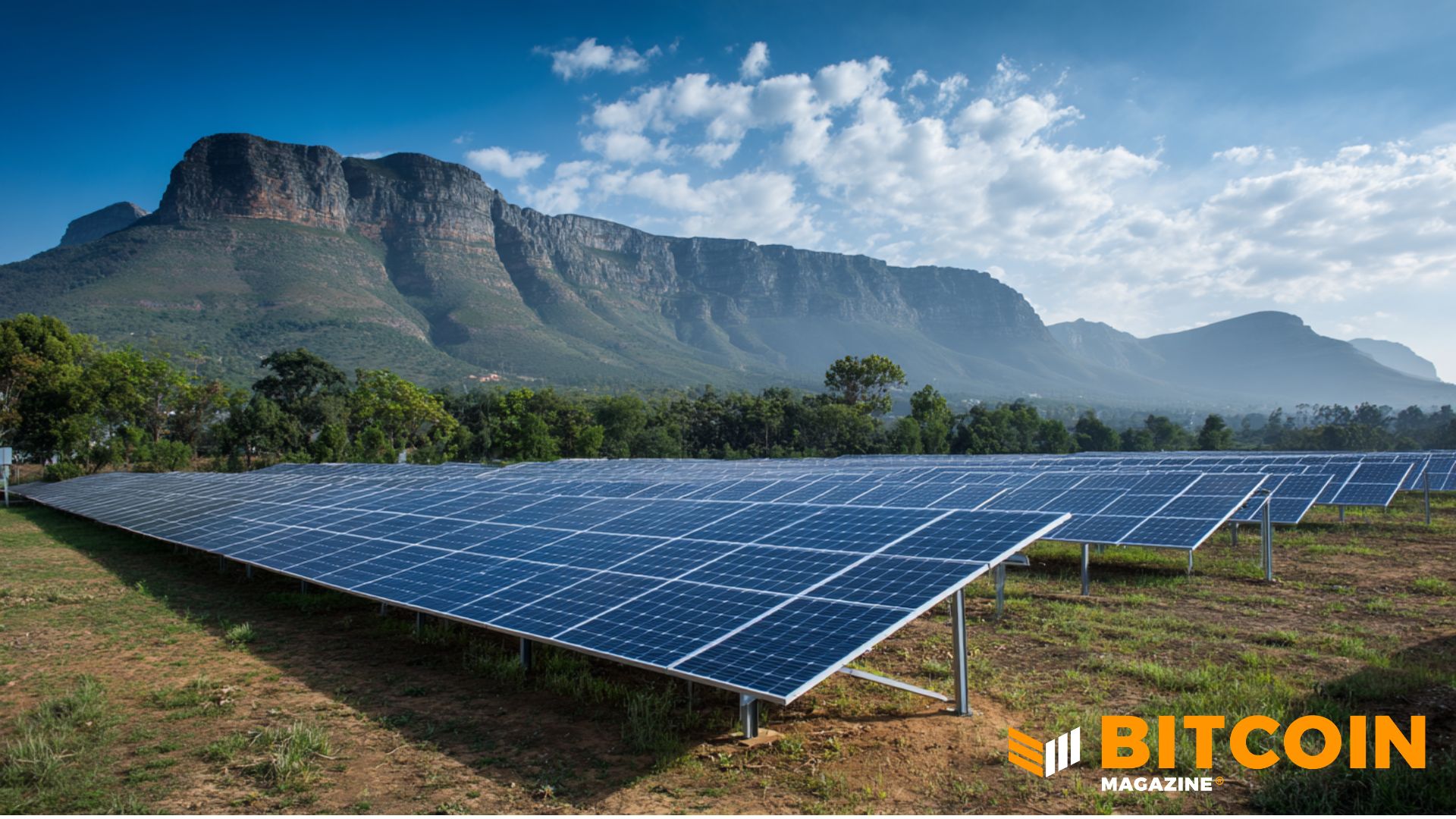
Background and Context of Eskom’s Energy Transition
Eskom has historically been the sole provider of electricity in South Africa, operating a vast and aging generation fleet primarily reliant on coal. For decades, the utility was responsible for meeting the nation’s entire electricity demand. However, the past two decades have witnessed a confluence of challenges that have significantly impacted Eskom’s operational capacity and financial stability. These challenges include underinvestment in infrastructure maintenance, aging power plants leading to frequent breakdowns, and the growing demand for electricity driven by economic growth.
The advent of load shedding – rolling blackouts implemented to prevent a total collapse of the national grid – became a stark reality for South Africans, highlighting the inadequacy of Eskom’s generation capacity to meet demand. This chronic power shortage has had a detrimental effect on the country’s economy, impacting businesses and daily life.
In response to these persistent challenges, Eskom, under government direction, has been embarking on a long-term transition strategy. This strategy aims to diversify its energy mix, incorporate renewable energy sources, and improve the efficiency and reliability of its existing infrastructure. The surge in rooftop solar installations is a direct reflection of this diversification trend, spurred by both environmental consciousness and the practical need for reliable power independent of the national grid.
The Role of Bitcoin Mining in Energy Consumption
Bitcoin mining involves a global network of computers competing to solve complex mathematical problems. The first miner to solve a problem gets to add the next block of transactions to the Bitcoin blockchain and is rewarded with newly created Bitcoins and transaction fees. This process, known as Proof-of-Work (PoW), is inherently energy-intensive. The computational power required to mine Bitcoin has grown exponentially as the network has matured and the mining difficulty has increased.
Historically, Bitcoin miners have sought out locations with the cheapest electricity to maximize their profitability. This has led them to regions with abundant and inexpensive energy sources, including those powered by fossil fuels. However, there is a growing movement within the Bitcoin mining community to embrace renewable energy sources and utilize excess energy that might otherwise be wasted. This aligns with Eskom’s proposal, as it seeks to convert potentially idle daytime power into a revenue-generating asset.
Implications and Analysis of Eskom’s Strategy
Eskom’s consideration of supplying surplus daytime electricity to Bitcoin miners carries several significant implications:
- Revenue Diversification: For Eskom, this represents a novel revenue stream. By selling power that might otherwise be curtailed or less profitable, the utility can improve its financial standing and potentially reduce its reliance on government bailouts.
- Grid Stability: Bitcoin miners, with their consistent and high demand, can act as a stabilizing force on the grid. They can absorb excess energy during periods of low demand, preventing potential grid instability caused by oversupply.
- Promoting Renewable Energy: This strategy indirectly supports the growth of renewable energy by creating a market for the electricity generated by distributed solar systems. It provides a financial incentive for individuals and businesses to invest in solar, knowing that their surplus power can be utilized.
- Economic Development: Attracting Bitcoin mining operations to South Africa could lead to job creation, investment in infrastructure, and the development of a local cryptocurrency ecosystem.
- Environmental Considerations: While Bitcoin mining’s energy consumption has drawn criticism, proponents argue that utilizing renewable or surplus energy sources mitigates its environmental impact. If Eskom’s surplus power is indeed derived from clean sources or is simply excess capacity, this partnership could be viewed as environmentally responsible.
However, challenges and questions remain:
- Pricing and Contractual Agreements: The terms of any agreement, particularly the discounted electricity prices, will be crucial. Eskom needs to ensure that these agreements are profitable and sustainable in the long run.
- Infrastructure Requirements: Bitcoin mining operations require significant infrastructure, including data centers and reliable power connections. Eskom would need to assess its capacity to meet these demands.
- Regulatory Framework: South Africa’s regulatory framework for cryptocurrency and energy sales to independent entities will need to be robust and clear to facilitate such partnerships.
- Public Perception: The association with Bitcoin mining, which can sometimes face negative public perception due to its energy intensity, might require careful communication and management by Eskom.
Looking Ahead: A Dynamic Energy Future
Eskom’s forward-looking strategy underscores a broader global trend of utilities adapting to the realities of decentralized energy generation and the rise of new, energy-intensive technologies. The utility’s commitment to cost reduction, coupled with its exploration of innovative revenue streams like supplying Bitcoin miners, signals a pragmatic approach to navigating the complexities of the modern energy landscape.
As South Africa continues to embrace renewable energy and decentralization, Eskom’s role is evolving. It is transitioning from being solely a provider of electricity to becoming a facilitator and manager of a more complex and dynamic energy ecosystem. The success of initiatives like the potential partnership with Bitcoin miners will depend on careful planning, robust regulatory frameworks, and a continued commitment to adapting to the ever-changing demands of the 21st-century energy market. This strategic pivot by Eskom represents a significant step in its journey towards modernization and a more sustainable energy future for South Africa.
