

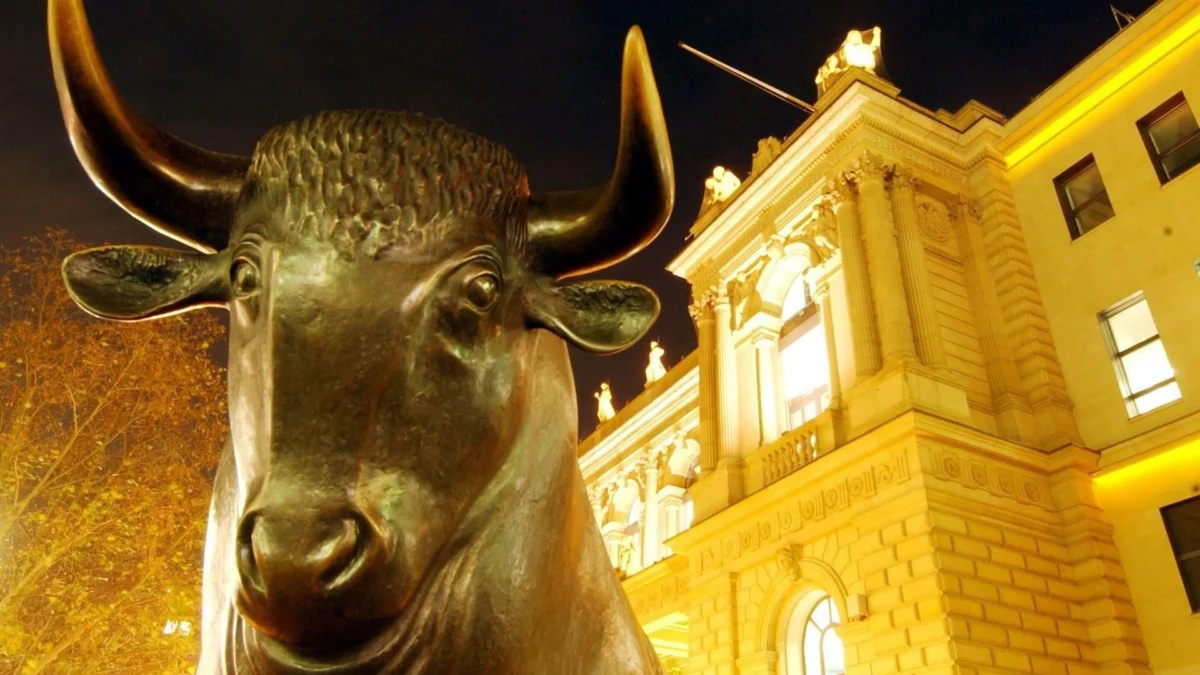
The German stock market’s flagship index, the DAX, has surged to an unprecedented level, surpassing 26,000 points on Monday. This remarkable feat of market performance, however, stands in stark contrast to a series of disappointing first-half financial reports released by several prominent German companies, particularly the nation’s automotive giants. While investors celebrate the broad market gains, a closer examination of the underlying performance of key industrial players reveals a more complex and potentially worrying economic landscape for Germany.
Automotive Sector Faces Significant Profit Declines
The automotive industry, a cornerstone of the German economy, has reported a significant downturn in profitability for the first half of the year. BMW, Volkswagen, and Mercedes-Benz, three of the most influential companies within the DAX, have all disclosed figures that underscore a challenging operational period.
BMW experienced a notable 26 percent decrease in net profit compared to the same period last year. Volkswagen’s situation was even more severe, with a staggering 36 percent decline in net profit. Mercedes-Benz, while appearing to fare better with a 4 percent overall decrease, achieved this through the contributions of its financial division. Strikingly, the core passenger car business within Mercedes-Benz saw its profits plummet by a substantial 66 percent, indicating a severe contraction in its primary revenue-generating segment.
Diminishing Influence of Automakers on the DAX
Despite these concerning financial results from the automotive sector, their impact on the overall DAX performance appears to be surprisingly minimal. This disconnect is attributed to a significant erosion of the automakers’ weighting within the index over the past decade. Historically, these automotive titans commanded a substantial portion of the DAX’s market capitalization, meaning their individual performance had a direct and profound influence on the index’s movements.
However, a sustained decline in the stock prices of BMW, Volkswagen, and Mercedes-Benz has considerably reduced their collective market value and, consequently, their influence on the DAX. This diminished presence means that even substantial profit warnings or performance dips from these companies no longer carry the same weight in shaping the broader market index. The DAX’s ascent, therefore, is being driven by other sectors and companies that have maintained or increased their market significance.
Historical Context and Market Valuation Shift
To fully appreciate the current dynamic, a look back at the past decade reveals a dramatic shift in the valuation of these automotive stalwarts. In their peak year, 2015, the combined market value of BMW, Mercedes-Benz, and Volkswagen stood at nearly €300 billion. Today, their aggregate valuation has fallen to approximately €125 billion. This represents a loss of over €175 billion in market capitalization for these three industrial powerhouses.
The consequence of this valuation decline is a significantly reduced weighting within the DAX. Eleven years ago, these three automakers accounted for an impressive 23 percent of the DAX’s total market capitalization. In the present day, their combined share has shrunk to a mere 5.6 percent. This drastic reduction highlights a fundamental change in the composition and drivers of Germany’s leading stock index. The growth and market dominance of other industries have effectively overshadowed the diminished fortunes of the once-dominant automotive sector within the DAX.
Broader Economic Implications and Sectoral Performance
The divergence between the record-breaking DAX and the struggling automotive sector raises pertinent questions about the broader health of the German economy. While the stock market often reflects future expectations and can be influenced by a wide array of global factors, the underperformance of such critical industrial players warrants careful consideration.
Several factors are likely contributing to the automotive sector’s woes. The global transition to electric vehicles (EVs) presents significant investment challenges and a shift in manufacturing paradigms. Increased competition from new market entrants, particularly from China, is also exerting pressure on established European manufacturers. Furthermore, ongoing supply chain disruptions, geopolitical uncertainties, and a fluctuating global demand for new vehicles can all impact profitability.
While the automotive sector grapples with these challenges, other sectors within the DAX may be experiencing a more positive trajectory. Technology companies, renewable energy firms, and businesses in the industrial goods and services sectors might be benefiting from different market trends, technological advancements, and evolving consumer demands. This diversification within the DAX means that the performance of one sector does not necessarily dictate the overall index performance.
Expert Analysis and Market Sentiment
Financial analysts have noted the peculiar situation, with some suggesting that the market is forward-looking, pricing in potential future recovery or growth in other sectors that compensate for the automotive industry’s struggles. Others express caution, emphasizing that the foundational strength of the German economy is closely tied to its manufacturing prowess, and sustained weakness in sectors like automotive could eventually weigh on broader economic indicators.
"The DAX reaching new highs is a testament to the resilience and diversification of the German stock market," commented Dr. Anya Sharma, a senior market analyst at Global Financial Insights. "However, the significant profit warnings from the auto manufacturers are a clear signal that this sector is undergoing a profound transformation. Investors are clearly betting on other areas of growth to offset these headwinds, but it’s crucial to monitor how these automotive giants navigate this challenging period."
Historical Performance of the German Auto Industry
The German automotive industry has historically been a powerhouse, renowned for its engineering excellence, quality, and innovation. Companies like BMW, Mercedes-Benz, and Volkswagen have been global leaders for decades, contributing significantly to Germany’s export-driven economy and employment. The industry’s prominence was not just economic but also symbolic, representing German industrial might and technological leadership.
The current challenges mark a significant inflection point for an industry that has long been a bedrock of the German economic miracle. The shift towards electromobility requires massive investments in research and development, new production facilities, and retraining of the workforce. This transition is not only capital-intensive but also fraught with uncertainty regarding market adoption rates, battery technology advancements, and the evolving competitive landscape.
The Future Outlook for German Automakers
The path forward for BMW, Volkswagen, and Mercedes-Benz will likely involve a continued focus on electrification, digitalization, and software development within vehicles. Strategic partnerships, acquisitions, and divestitures may also play a role in optimizing their portfolios and adapting to new market realities. The ability of these companies to effectively manage the transition away from internal combustion engines and embrace new mobility solutions will be critical to their long-term success and their future influence on the DAX.
Furthermore, the regulatory environment in Germany and the European Union, particularly concerning emissions standards and sustainability goals, will continue to shape the industry’s trajectory. Government incentives and support for EV adoption, as well as investments in charging infrastructure, will be vital in facilitating this transition.
In conclusion, while the DAX’s record-breaking performance offers a positive narrative for the German stock market, the underperformance of its once-dominant automotive sector serves as a stark reminder of the transformative pressures facing key industries. The market’s resilience in the face of these challenges suggests a broader economic landscape with diverse growth drivers, but the long-term implications for the German economy and its industrial identity will hinge on the ability of its automotive giants to successfully navigate this period of unprecedented change. The coming quarters will be crucial in determining whether this divergence represents a temporary setback or a more fundamental reshaping of Germany’s economic future.
