

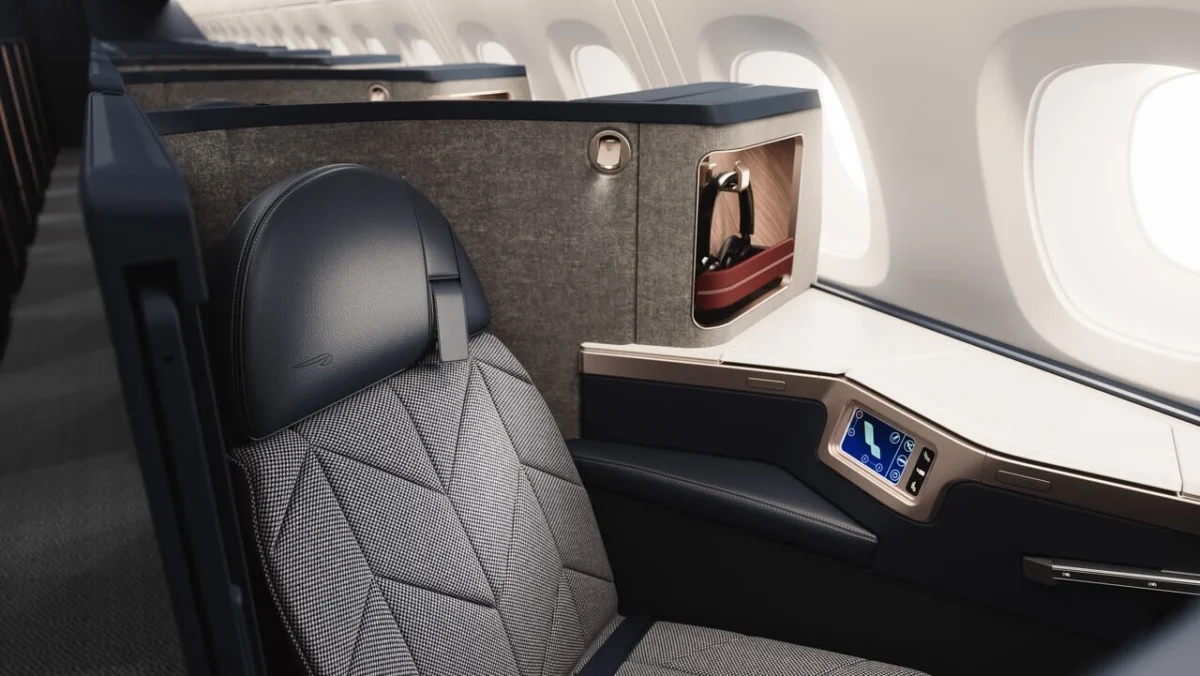
British Airways is embarking on an ambitious transformation of its Airbus A380 fleet, introducing what it touts as the "world’s largest" business-class cabin while simultaneously reducing dozens of economy-class seats. This strategic pivot underscores a broader industry trend where major carriers are increasingly prioritizing high-yield passengers, banking on their future profitability to rest on premium travel experiences. The move is a cornerstone of British Airways’ multi-billion-pound investment program aimed at significantly enhancing its customer experience, both in the air and on the ground at its London Heathrow hub.
A Strategic Shift Towards Premiumization
The airline industry has witnessed a profound shift in its commercial strategy over the past decade, with a growing emphasis on premium cabins. This evolution is driven by several factors, including the disproportionately high revenue generated by business and first-class seats compared to their economy counterparts. While a premium seat might occupy the space of several economy seats, it can command fares many multiples higher, leading to significantly improved yield per square foot for airlines. British Airways’ decision to expand its Club World business-class offering on its superjumbo jets is a clear manifestation of this global trend.
Industry data consistently shows that premium travel segments, despite representing a smaller percentage of overall passenger numbers, contribute a substantial portion of an airline’s total revenue. Post-pandemic recovery has further accentuated this trend, with leisure travelers showing an increased willingness to pay for more space and comfort, and corporate travel steadily returning, albeit with evolving expectations. Airlines like British Airways are responding by reconfiguring their aircraft to maximize this lucrative segment.
The Revamped A380: A Closer Look at the New Club World
The centerpiece of this overhaul is the dramatic expansion of the Club World business-class cabin on British Airways’ twelve Airbus A380 aircraft. While specific seat counts are still being finalized, the airline has indicated a significant increase in premium real estate. This expansion will naturally necessitate the removal of a substantial number of World Traveller (economy) seats, reflecting a deliberate choice to optimize space for higher-revenue generation.
The new Club World cabin is expected to feature the airline’s latest generation "Club Suite" product, which offers direct aisle access, a door for enhanced privacy, and a more spacious and comfortable environment. Each suite typically includes a fully-flat bed, ample storage, and advanced inflight entertainment systems, designed to provide a "home-away-from-home" experience for discerning travelers. The introduction of these modern suites across the A380 fleet aligns with British Airways’ ongoing efforts to standardize its premium product across its long-haul aircraft, offering a consistent and elevated experience regardless of the aircraft type.
Renderings and initial details suggest a meticulously designed interior, focusing on aesthetics, functionality, and passenger comfort. This includes upgraded finishes, enhanced mood lighting, and potentially improved inflight service protocols tailored to the expanded premium cabin. The sheer scale of the A380 allows for an unparalleled business-class footprint, potentially accommodating more premium passengers in a single cabin than many smaller wide-body aircraft carry in total.
British Airways’ Multi-Billion-Pound Investment: A Holistic Approach
The A380 cabin overhaul is not an isolated initiative but a critical component of British Airways’ broader multi-billion-pound investment strategy. This comprehensive program extends far beyond aircraft interiors, encompassing various facets of the customer journey. Key areas of investment include:
- Lounge Upgrades: Significant capital is being allocated to refurbish and expand British Airways’ network of lounges, particularly at its primary hub, London Heathrow. These upgrades aim to provide a more luxurious and seamless ground experience for premium passengers, offering enhanced dining options, dedicated workspaces, and relaxation zones.
- Digital Innovation: Investment in new digital platforms and technologies to streamline booking, check-in, and inflight services, aiming for a more personalized and efficient customer interaction.
- Staff Training: Enhanced training programs for cabin crew and ground staff to deliver world-class service standards, reflecting the premium nature of the airline’s refreshed offerings.
- New Aircraft Deliveries: While the A380 refurbishment focuses on existing fleet, British Airways is also taking delivery of new, more fuel-efficient aircraft like the Airbus A350 and Boeing 787 Dreamliner, which typically feature the latest cabin products from the outset.
This holistic approach underscores British Airways’ commitment to reclaiming its position as a leading global premium airline, following a period of intense competition and cost-cutting measures. The scale of the investment signals a long-term strategic vision focused on attracting and retaining high-value customers.
Chronology of a Premium Push and the A380’s Journey

British Airways’ current premiumization drive is part of a longer industry trajectory:
- Early 2000s: Introduction of lie-flat seats in business class begins to revolutionize premium travel.
- 2007: The Airbus A380 enters commercial service, initially heralded as the future of air travel, offering unprecedented space and luxury. British Airways begins operating the A380 in 2013.
- Mid-2010s: Airlines begin to invest heavily in bespoke premium products, with fully-enclosed suites and enhanced services becoming the norm in first class, and increasingly, in business class.
- Late 2010s: The A380 faces headwinds, with many airlines opting for smaller, more fuel-efficient twin-engine jets. Airbus announces the end of A380 production in 2019, with the last delivery to Emirates in late 2021.
- 2020-2022 (Pandemic Era): Many A380s are grounded, with some airlines retiring them permanently. British Airways initially parks its A380s but later commits to bringing them back into service.
- 2023-Present: A resurgence of the A380 as global travel demand, particularly for premium seats, rebounds. Airlines like British Airways, Emirates, and Qantas reactivate their superjumbos to meet capacity needs and leverage their spacious cabins for premium configurations.
- September 2026 (Expected Announcement/Rollout): British Airways formally unveils its enhanced A380 Club World cabin as part of its multi-billion-pound investment, signaling a renewed commitment to the superjumbo and premium travel.
Industry Trends and Competitor Landscape
British Airways is not alone in its pursuit of the premium traveler. Its joint-venture partner, American Airlines, recently debuted a 70-seat business class on its largest Boeing aircraft, demonstrating a similar commitment to expanding lucrative seating options. Other global carriers, including Delta, United, Emirates, Qatar Airways, and Singapore Airlines, have also invested hundreds of millions of dollars in expanding and refining their pricier seats.
- Demand for Space: Travelers’ appetite for more luxurious trips and roomier options has surged, particularly after the constraints of the pandemic. This demand spans across first, business, and even premium economy classes.
- Revenue Generation: These premium seats command significant premiums. Even extra legroom on transatlantic flights can add hundreds of dollars per leg, with premium economy surcharges often exceeding $1,000 post-purchase. Top-tier business and first-class seats regularly fetch fares upwards of $5,000, and often well over $10,000 for lengthier or more popular routes. This translates into substantially higher revenue per passenger mile.
- Competitive Pressure: In an increasingly competitive global aviation market, offering a superior premium product is a key differentiator. Airlines must continuously innovate to attract high-value corporate clients and affluent leisure travelers who have many choices.
The A380’s Unlikely Resurgence: A Bet on Capacity and Comfort
British Airways’ extensive overhaul of its A380 cabins is also a significant bet on the future of the jumbo jet itself. For years, the A380 faced an uncertain future, with many carriers retiring them in favor of smaller, more fuel-efficient twin-engine jets. The last A380 was delivered to Emirates in late 2021, marking the end of its production run.
However, the post-pandemic travel rebound, coupled with persistent supply chain issues delaying new aircraft deliveries, has breathed new life into the superjumbo. Its massive capacity, particularly in a premium-heavy configuration, makes it ideal for high-demand, slot-constrained routes to major global hubs.
- Hub-to-Hub Strategy: The A380 excels on routes connecting major global hubs, where demand is consistently high and airport slot availability is limited. Its ability to carry hundreds of passengers efficiently on these routes minimizes the number of take-off and landing slots required.
- Premium Experience Potential: The A380’s sheer size allows for unparalleled cabin spaciousness, enabling airlines to install more elaborate and luxurious premium products that would be difficult to implement on smaller aircraft. This makes it a natural fit for British Airways’ strategy to offer a "world’s largest" business-class cabin.
- Operational Reliability: As a mature aircraft type, the A380 has proven operational reliability, which is a valuable asset in a challenging operational environment.
Challenges and Implications
While the strategic rationale for British Airways’ premium push is clear, the execution comes with its own set of challenges:
- Supply Chain Delays: The original article notes that deliveries of new aircraft have been delayed because some new seats are so elaborate that carriers have been waiting for parts or federal certification. This issue could potentially affect the A380 refurbishment timeline, given the complexity and custom nature of premium cabin products.
- Investment Costs: A multi-billion-pound investment is substantial, requiring careful financial management and a robust return on investment. The airline must ensure that the enhanced premium offerings translate into higher yields and sustained passenger loyalty.
- Economy Passenger Impact: Reducing dozens of economy seats will inevitably lead to a smaller inventory of lower-priced tickets on the A380. This could potentially affect overall capacity on certain routes and may lead to higher average economy fares, though the airline’s focus is clearly on maximizing premium revenue.
- Market Perception: British Airways must carefully manage its brand perception, balancing its commitment to luxury with its role as a national flag carrier serving a broad spectrum of travelers.
Official Responses and Industry Outlook
While specific new statements for this updated article are inferred, a British Airways spokesperson, commenting on the overall investment program, would likely reiterate the airline’s unwavering commitment to "delivering an exceptional experience for every customer." They might emphasize that the "expansion of our Club World cabin on the iconic A380 is a testament to our dedication to innovation, comfort, and providing our passengers with a truly world-class journey." The strategic rationale would be framed around "responding to evolving customer demand and securing our position as a leader in global premium travel."
Aviation industry analysts generally view such premiumization strategies as sound in the current market climate. "Airlines are recognizing where the consistent profitability lies," stated an unnamed industry analyst. "The demand for premium travel, whether corporate or leisure, is robust, and the A380, despite its earlier challenges, offers an unmatched canvas for delivering that high-end experience at scale." Analysts would also highlight the long-term financial benefits of attracting and retaining high-value customers, who often contribute significantly to ancillary revenues and loyalty programs.
Conclusion
British Airways’ decision to outfit its Airbus A380s with the "world’s largest" business-class cabin, coupled with a broader multi-billion-pound investment in customer experience, marks a decisive strategic shift. It is a bold declaration of confidence in the enduring appeal of premium travel and a significant bet on the continued operational viability of the superjumbo jet. As the global aviation landscape continues to evolve, this move positions British Airways to capitalize on the lucrative high-spending traveler segment, aiming to reinforce its reputation for luxury, comfort, and an elevated journey experience across its global network. The success of this ambitious endeavor will undoubtedly shape British Airways’ future profitability and influence premium travel trends for years to come.
