

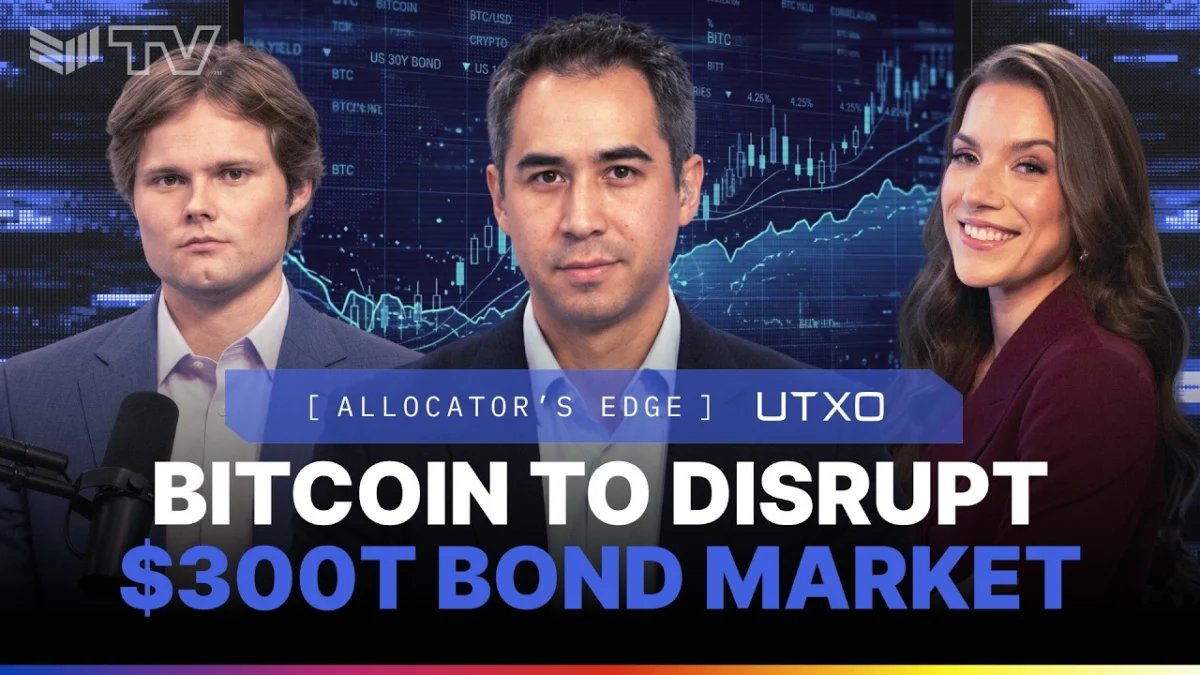
Loren Asmus, a prominent figure at UTXO Management, articulated a compelling vision for Bitcoin’s role in institutional portfolios during a recent discussion following the Bitcoin Treasuries conference. Contrary to the prevailing notion of Bitcoin as a speculative trading asset, Asmus firmly asserted that the digital currency is, in fact, a "structural allocation" deserving of a permanent place due to its compelling risk-adjusted returns. His insights, drawn from the discussions at the conference, shed light on the evolving institutional mindset, the surprising stickiness of early adopters, and the critical role of education in overcoming adoption barriers.
The Shifting Institutional Landscape: From Skepticism to Strategic Allocation
The landscape of institutional investment in Bitcoin has undergone a dramatic transformation, particularly in the wake of the approval of spot Bitcoin Exchange-Traded Funds (ETFs) in the United States. Asmus highlighted how this pivotal development has fundamentally reframed Bitcoin in the eyes of institutions. Previously, many viewed Bitcoin with skepticism, if not outright dismissal, often associating it with highly speculative trading activities. The introduction of ETFs, however, has provided a regulated and accessible on-ramp for traditional finance to engage with the asset class.
"Institutions have reframed Bitcoin since the ETFs," Asmus observed, emphasizing a significant departure from earlier attitudes. He recounted how, not long ago, conversations about Bitcoin within institutional circles might have been met with derision. Yet, the current reality sees sophisticated financial players actively exploring and integrating Bitcoin into their strategies. This shift is not merely about chasing fleeting market gains; it represents a deeper understanding of Bitcoin’s potential as a store of value and a hedge against systemic risks.
The transition from being "laughed at" to serious consideration is a testament to the growing maturity of the Bitcoin market and the increasing availability of data-driven analysis. Asmus pointed to studies, such as a hypothetical 2.5% allocation study, suggesting that even a modest, strategically allocated portion of a portfolio in Bitcoin can yield significant benefits in terms of risk-adjusted returns. This data-driven approach is crucial for institutional investors who are bound by fiduciary duties and require a robust rationale for their investment decisions. The inclusion of Bitcoin in diversified portfolios is no longer seen as an outlier strategy but as a calculated move to enhance overall portfolio resilience and performance.
Understanding Bitcoin’s Risk-Adjusted Returns and Portfolio Fit
A core tenet of Asmus’s argument centers on Bitcoin’s risk-adjusted returns. He contends that when analyzed through the lens of volatility and potential drawdowns, Bitcoin presents a unique value proposition. While inherently volatile, its potential for outsized gains, particularly over longer time horizons, can compensate for this volatility, leading to superior risk-adjusted performance compared to many traditional assets.
This perspective is particularly relevant when considering Bitcoin’s role within a broader investment portfolio. Asmus elaborated on where Bitcoin fits, suggesting it can serve as a diversifier and a potential hedge against inflation and currency debasement. The analogy of Bitcoin as a "credit default swap on debasement" is particularly potent, highlighting its potential to protect against the erosion of purchasing power inherent in fiat currencies. This positions Bitcoin not as a direct competitor to traditional safe-haven assets like gold, but as a complementary asset with a distinct set of properties.
The bond market, often considered a bedrock of institutional portfolios, can serve as a bridge to understanding Bitcoin’s value. Asmus explained how the bond market’s current environment, characterized by rising interest rates and concerns about sovereign debt, makes Bitcoin’s uncorrelated nature and fixed supply particularly attractive. In an era where traditional fixed-income assets may struggle to deliver consistent returns and carry their own set of risks, Bitcoin offers an alternative that can potentially enhance diversification and capital preservation.
Institutional Retention: The Power of Experience and Education
A key observation from the Bitcoin Treasuries conference, as shared by Asmus, is the high retention rate among institutions that enter the Bitcoin market. This suggests that once institutions allocate to Bitcoin, they tend to remain invested, indicating a positive experience and a growing conviction in the asset’s long-term potential. This retention is not accidental; it stems from several factors, including the tangible benefits observed in their portfolios and a deeper understanding of Bitcoin’s underlying mechanics.
Asmus identified education as the primary barrier to wider institutional adoption. While the regulatory landscape has improved with ETF approvals, a significant knowledge gap persists within traditional financial institutions. Many decision-makers lack a comprehensive understanding of Bitcoin’s technology, its economic principles, and its potential applications. This gap can lead to hesitation and a reliance on outdated perceptions of the asset.
"The real barrier is education," Asmus stated unequivocally. He elaborated on the need for clear, accessible, and data-driven educational resources that can help financial professionals and their clients grasp Bitcoin’s unique characteristics. This includes understanding its scarcity, its decentralized nature, its role as a censorship-resistant digital bearer asset, and its potential as a hedge against economic uncertainty.
The source of funding for these educational initiatives and the subsequent investments is also a critical consideration. Asmus touched upon the "denominator" in institutional investing – the total assets under management that determine the permissible allocation size. As Bitcoin’s perceived value and the understanding of its risk-adjusted returns grow, the denominator effect can become more favorable, allowing for larger allocations.
UTXO Management’s Strategic Approach: Hedge Funds and Income Strategies
UTXO Management itself is actively involved in navigating this evolving landscape. Asmus alluded to the firm’s hedge fund operations and its preferred income strategy, indicating a sophisticated approach to managing digital assets that goes beyond simple spot holdings. These strategies likely aim to generate consistent returns while mitigating some of Bitcoin’s inherent volatility, further appealing to institutional risk management frameworks.
The firm’s focus on income generation within the digital asset space is particularly noteworthy. In a market often dominated by capital appreciation narratives, the development of strategies that provide predictable income streams can be a significant draw for institutions seeking stable cash flows. This could involve various techniques such as yield farming, staking, or providing liquidity, all while operating within the robust security protocols of the Bitcoin network.
The Long-Term Allocation Perspective: Opportunity Amidst Uncertainty
When considering whether current market conditions represent a buying opportunity or a warning sign, Asmus advocates for a long-term allocation view. The inherent volatility of Bitcoin can create periods of both significant upside and sharp corrections. However, for investors focused on structural allocation rather than short-term trading, these fluctuations can be seen as opportunities to dollar-cost average into a position or to rebalance a portfolio.
The act of "underwriting an asset with no cash flows," as Asmus described, is a unique challenge for traditional investors accustomed to valuing assets based on their ability to generate income. Bitcoin’s value proposition is derived from its utility as a scarce, decentralized store of value and a medium of exchange, rather than from periodic dividend payments or interest. This necessitates a different valuation framework, one that emphasizes network effects, adoption rates, and the long-term macro-economic backdrop.
The Bitcoin Treasuries conference itself serves as a microcosm of this ongoing evolution. Events like these provide a crucial platform for industry leaders, institutional investors, and policymakers to convene, share insights, and collectively shape the future of Bitcoin adoption. The presence of various stakeholders, from miners and developers to asset managers and corporate treasurers, underscores the growing interconnectedness of the Bitcoin ecosystem and its increasing integration into the broader financial system.
Conclusion: Education as the Catalyst for Broader Adoption
In summation, Loren Asmus’s perspective from UTXO Management offers a clear and compelling narrative: Bitcoin is not merely a speculative venture but a fundamental asset class with the potential to enhance portfolio performance and resilience. The journey from institutional skepticism to strategic allocation is well underway, propelled by the advent of regulated investment vehicles and a growing body of evidence supporting Bitcoin’s risk-adjusted returns.
However, the path to widespread adoption is paved with the necessity of robust education. Bridging the knowledge gap within traditional finance is paramount to unlocking Bitcoin’s full potential for a broader range of investors. As institutions continue to explore, invest in, and retain Bitcoin, their experiences and the growing body of data will likely further solidify its position as an indispensable component of modern investment portfolios. The long-term view, coupled with a commitment to understanding Bitcoin’s unique economic and technological properties, will be the key to navigating its evolving role in the global financial landscape.
Disclaimer: The views and opinions expressed in this article are those of the interviewee and do not necessarily reflect the official policy or position of BTC Inc., Bitcoin Magazine, or any affiliated entities. This content is provided for informational and educational purposes only and should not be construed as investment, legal, tax, or accounting advice. Nothing contained in this article constitutes a solicitation, recommendation, endorsement, or offer to buy or sell any securities or financial instruments. Viewers should consult their own advisors before making financial or business decisions.
