

The cryptocurrency market is a dynamic landscape, often characterized by its inherent volatility and the fervent discussions that surround its future trajectory. In this environment, insights from key industry figures carry significant weight. Jack Mallers, CEO of Strike and a prominent voice within the Bitcoin ecosystem, has recently intensified his advocacy for a specific investment strategy: Dollar-Cost Averaging (DCA). Through his podcast, BLABLA, and public pronouncements, Mallers has been urging investors to "turn on your DCA," suggesting that current market conditions present a compelling opportunity to initiate or continue this disciplined approach to Bitcoin accumulation.
Mallers, a young and tech-savvy executive, operates at the nexus of the Bitcoin industry. His affiliation with Strike, a major Bitcoin exchange, and its strategic partnership with Tether, a leading stablecoin issuer, positions him as an influential figure. Hailing from a family with deep roots in Chicago trading circles, Mallers brings a blend of modern technological understanding and traditional financial acumen to his analyses. His repeated calls to activate DCA underscore a belief that the current juncture in Bitcoin’s market cycle is particularly opportune for this long-term investment strategy.

Understanding Dollar-Cost Averaging (DCA)
Dollar-Cost Averaging, commonly abbreviated as DCA, is an investment strategy that involves investing a fixed amount of money into an asset at regular intervals, irrespective of the asset’s price at that time. This methodology aims to mitigate the risks associated with trying to time the market by spreading investment purchases over an extended period. The core principle behind DCA is that by investing consistently, an investor will naturally acquire more units of an asset when its price is low and fewer units when its price is high. This averaging effect can lead to a lower average purchase price over time compared to investing a lump sum at a single point.
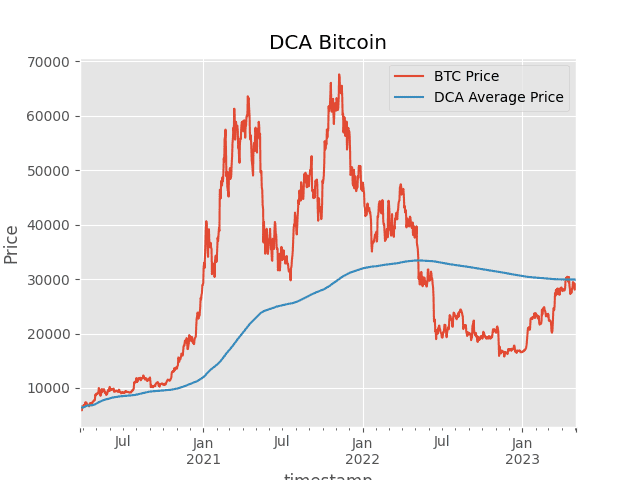
Bitcoin, with its characteristic price fluctuations, lends itself well to this strategy. The cryptocurrency often experiences periods of "consolidation," where its price trades within a relatively narrow range without significant upward or downward movement. These periods are ideal for DCA, as consistent buying allows investors to accumulate more Bitcoin at these stable, or even slightly declining, price levels. Each time a purchase is made at a price lower than previous purchases, the investor’s effective dollar cost average decreases, building a more favorable cost basis for future gains.
The intrinsic characteristics of Bitcoin—its predetermined and inelastic scarcity, coupled with its network effects and growing adoption—are often cited as fundamental drivers of its long-term price appreciation. Investors employing DCA are strategically positioned to capitalize on these upward movements. While market timing is notoriously difficult, and many investors miss the optimal entry points before significant price rallies, a DCA strategy ensures that a portion of an investor’s capital is consistently deployed, thereby averaging down the cost basis and setting them up to benefit from substantial market upswings. The visual representation of an average purchase price curve often shows a steady decline or leveling off before a major bull run, a direct outcome of consistent DCA during periods of price consolidation or downturns.
The Strategic Advantages of DCA in Volatile Markets
Beyond the core mechanics of price averaging, DCA offers several profound benefits, particularly in the context of volatile assets like Bitcoin.
-
Risk Mitigation: By committing to small, regular investments, the amount of capital exposed to market risk at any single point in time is significantly reduced. For instance, investing a consistent percentage of disposable income, such as 10% monthly, makes bear markets more psychologically bearable. Instead of facing the daunting prospect of a large, single investment losing significant value, DCA transforms market downturns into opportunities to acquire more of the asset at a discount.
-
Emotional Discipline: The psychological toll of investing in volatile markets can be immense. DCA helps to remove emotional decision-making from the investment process. By automating regular purchases, investors are less likely to be swayed by short-term price swings or panic selling during market downturns. This disciplined approach fosters a more rational and sustainable investment strategy.
-
Accessibility and Automation: The increasing sophistication of cryptocurrency exchanges has made implementing DCA easier than ever. Platforms such as Kraken, Strike, Swan, and Bull Bitcoin offer automated DCA features, allowing users to set up recurring buys. This automation simplifies the process, making it accessible to a wider range of investors, from novices to experienced traders. The "set it and forget it" nature of automated DCA contrasts sharply with the high cognitive load and stress associated with active trading.
-
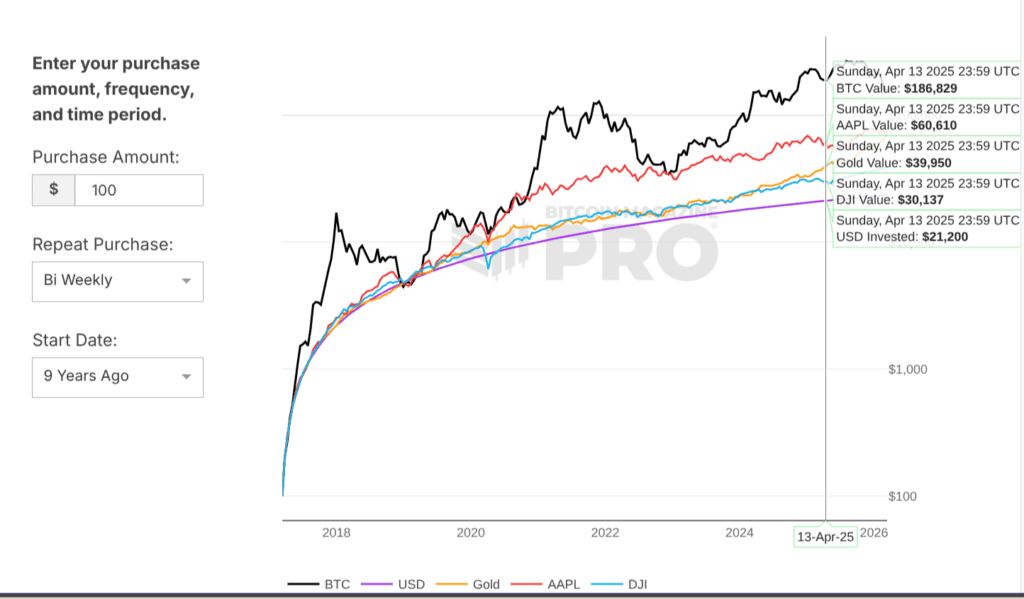
Long-Term Perspective: The success of DCA is intrinsically linked to a long-term investment horizon. Books like "The Art of Execution" delve into studies of professional traders, often highlighting that profitability takes years of learning and experiencing losses. DCA, by contrast, offers a more accessible path to wealth accumulation. It allows individuals to allocate capital consistently while focusing their time and energy on other pursuits, trusting in the long-term growth potential of Bitcoin.
Evaluating Current Market Conditions: The Case for "Turning On" DCA
Mallers’ call to "turn on your DCA" implies that the current market environment is particularly conducive to this strategy. While it’s always possible to start DCA at any time, the optimal timing can significantly impact long-term returns. The challenge lies in identifying these opportune moments without succumbing to market timing speculation.
Historical Data and Technical Indicators:
Several technical indicators and historical patterns suggest that the current market may be approaching a favorable accumulation phase:
-
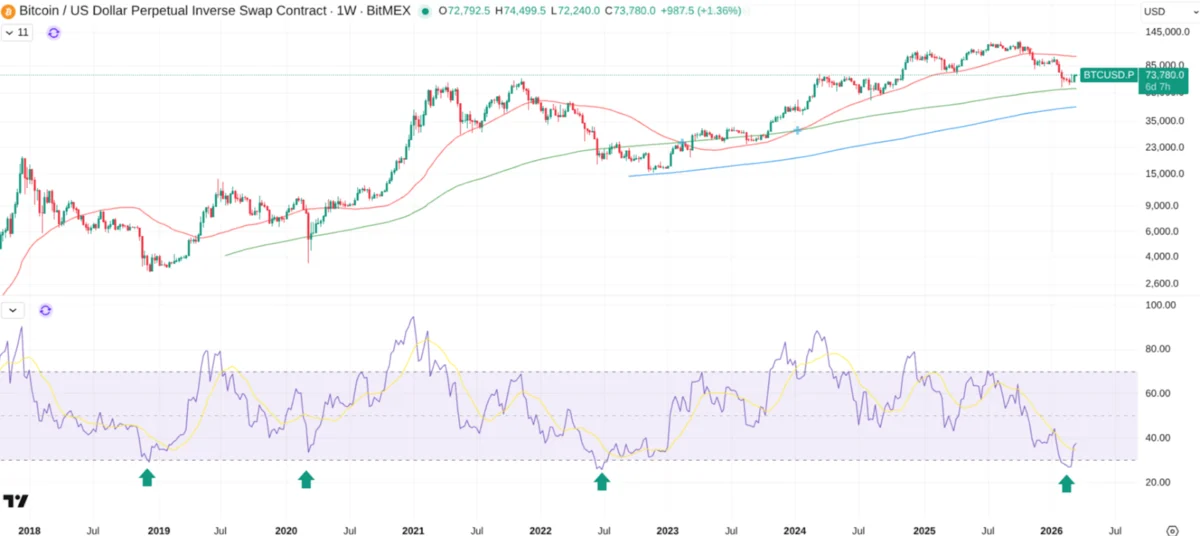
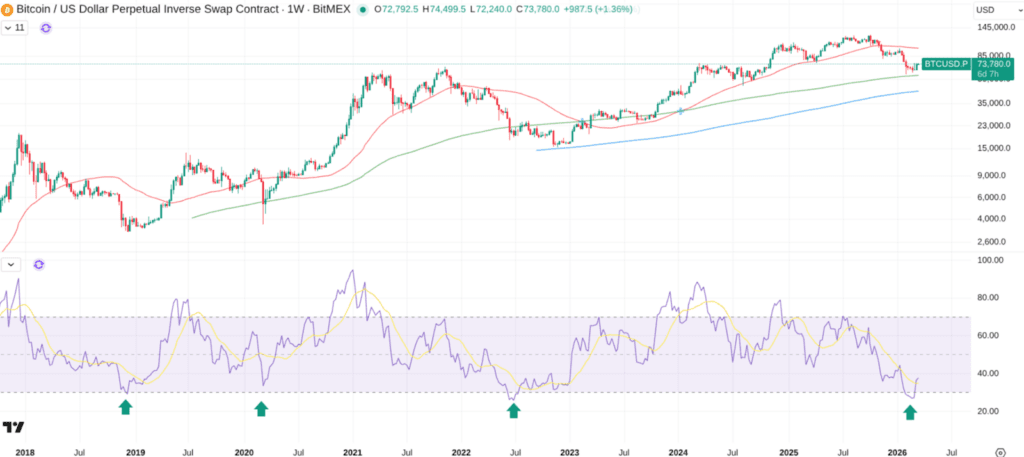
Relative Strength Index (RSI): The weekly RSI for Bitcoin has historically entered oversold territory at key market bottoms. When the RSI dips to these historically low levels, it has often signaled a potential turning point and a good entry opportunity. Current readings indicate a similar pattern, suggesting that the market may be oversold.
-
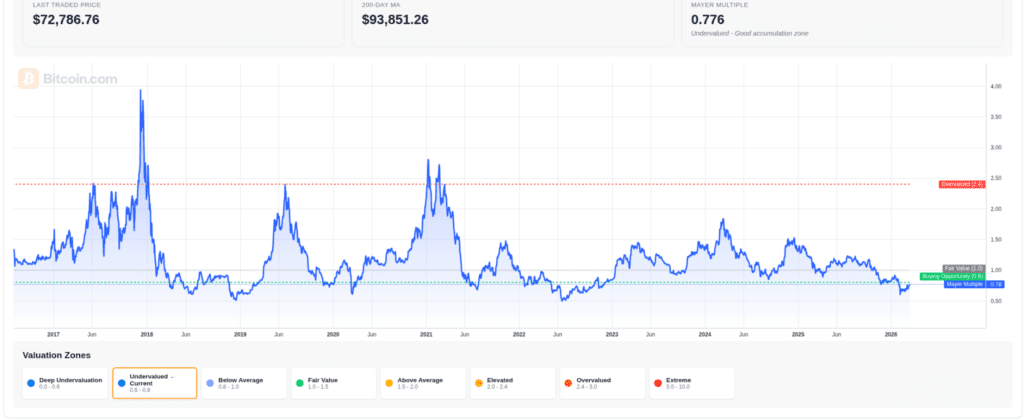
Mayer Multiple: This metric, which compares Bitcoin’s current price to its 200-day moving average, is also reportedly in "buy zone" territory. A low Mayer multiple historically suggests that Bitcoin is undervalued relative to its longer-term trend, presenting a potential buying opportunity.
-
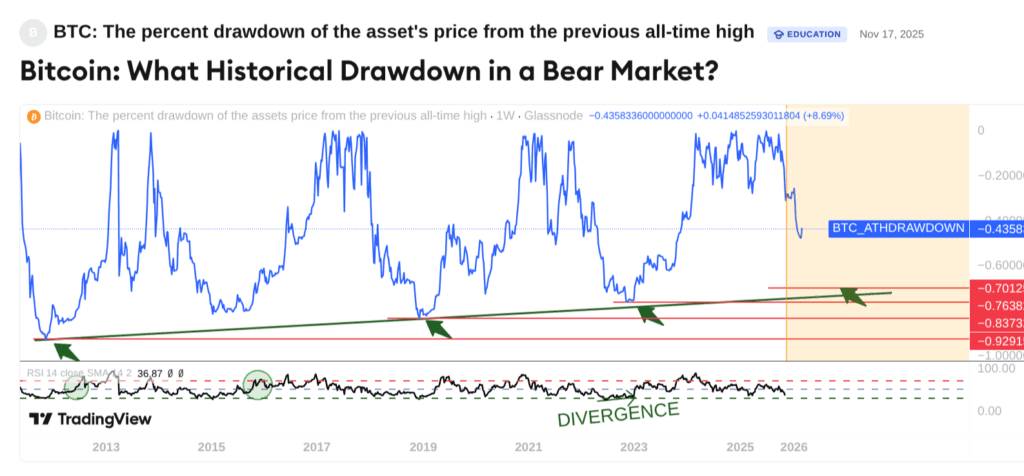
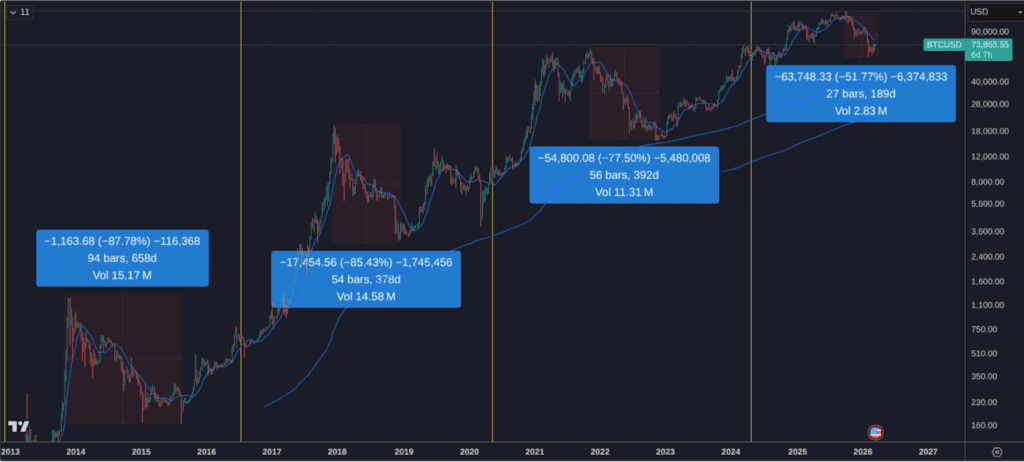
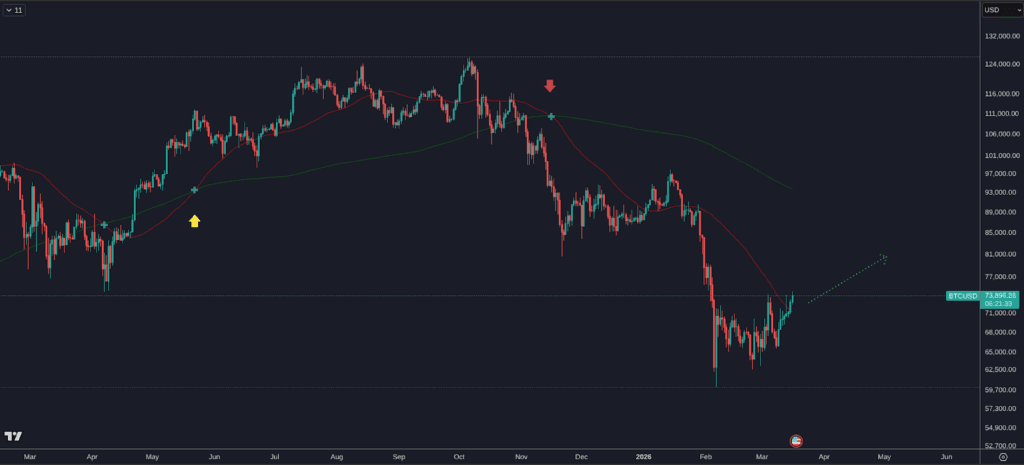
Market Corrections: Bitcoin has historically experienced significant drawdowns during bear markets, with corrections of 70% or more not being uncommon. The current correction, while substantial, is reportedly around 50% from its all-time high. Historically, corrections tend to become less severe over time due to increasing market liquidity and institutional adoption. If Bitcoin were to experience a deeper correction, say 70%, it would imply a price point around $40,000. However, the increasing institutional interest and growing liquidity in the Bitcoin market may make such deep corrections less probable.
-
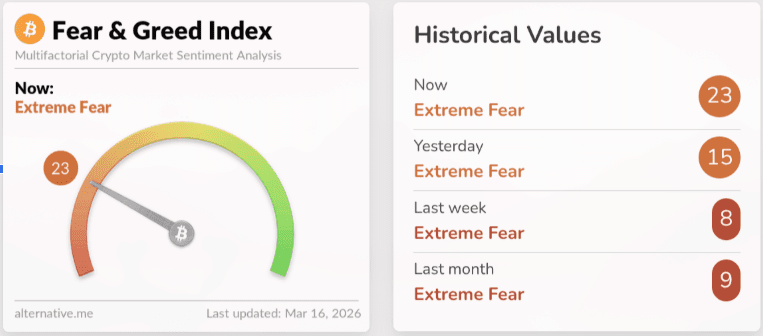
Fear and Greed Index: The cryptocurrency market, in general, has been experiencing prolonged periods of "extreme fear" as indicated by the Crypto Fear and Greed Index. Historically, extreme fear in the market often precedes significant price rebounds, aligning with the adage, "buy when there’s blood in the streets."
-
Bitcoin Halving Cycle: The Bitcoin halving cycle, which occurs approximately every four years, has historically been a catalyst for bull markets. The next halving is anticipated in early 2028, with previous cycles often seeing price appreciation leading up to the event. The current position within the halving cycle suggests that accumulation phases before the next potential bull run are strategically important.
-
Moving Averages (Golden Cross/Death Cross): The dynamic between the 50-day and 200-day moving averages is a key indicator of market sentiment. A "death cross" (50-day MA crossing below 200-day MA) typically signals a bearish trend, while a "golden cross" (50-day MA crossing above 200-day MA) indicates a bullish reversal. Bitcoin has recently crossed above its 50-day moving average, and consolidation around the $70,000 mark could position it for a golden cross, potentially signaling the start of a new bull market.
Macroeconomic Trends and Their Impact:
Beyond technical indicators, broader macroeconomic trends are also influencing investment sentiment and capital flows, potentially benefiting Bitcoin.
-
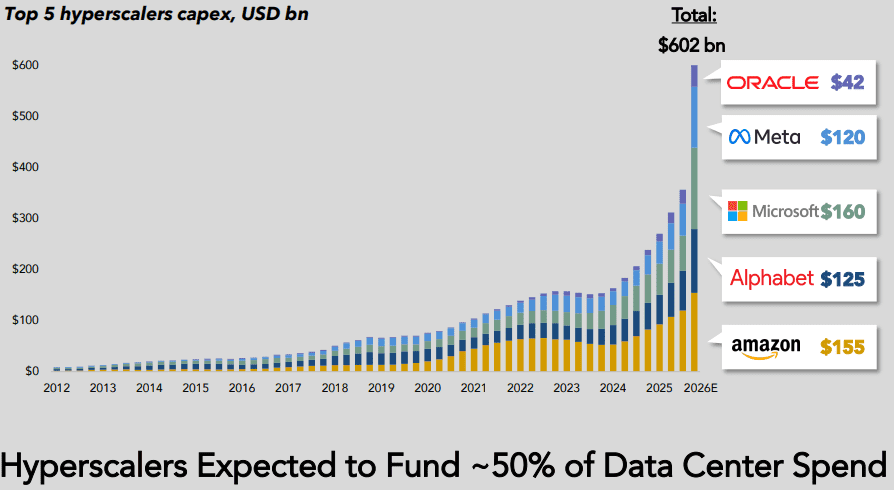
Artificial Intelligence (AI) Investment: The surge in AI-related technologies has absorbed significant global liquidity, with trillions of dollars invested in AI infrastructure. While this has fueled a bull market for AI stocks, such concentrated market movements can sometimes signal an overheated sector. A potential correction in AI-related assets could lead speculative and investment capital to seek alternative safe havens or growth opportunities, with Bitcoin being a prime candidate.
-
Monetary Policy and Interest Rates: Evolving monetary policies by central banks, particularly the U.S. Federal Reserve, can impact asset prices. Indications of lower interest rates and potentially looser monetary policy, as suggested by shifts in Fed communication and potential leadership changes, could increase liquidity in the market. Historically, periods of lower interest rates have been conducive to asset price inflation, including cryptocurrencies. The attractiveness of U.S. bonds to foreign investors is also diminishing amidst geopolitical tensions, potentially leading to increased demand for alternative assets like Bitcoin.
-
Geopolitical Tensions and U.S. Debt: Increasing global geopolitical instability can make traditional safe-haven assets less predictable. The stalled growth in U.S. debt yields and the current geopolitical climate may reduce the appeal of U.S. bonds for foreign investors, potentially diverting capital towards assets perceived as more resilient or offering higher potential returns, such as Bitcoin.
Addressing Quantum Computing Concerns
A recurring concern within the Bitcoin community is the potential threat posed by quantum computing to the network’s cryptographic security. While this is a valid long-term consideration, the industry consensus suggests that the threat is currently overstated and manageable. Bitcoin developers have been actively researching and developing solutions to quantum-resistant cryptography for years, with formal improvement proposals (BIPs) already drafted. The development of software to address potential quantum threats is ongoing, indicating that the Bitcoin ecosystem is proactively preparing for such eventualities. Investors who may have divested due to "quantum FUD" could find themselves on the wrong side of the market, as the technological solutions are likely to outpace the development of practical quantum threats to Bitcoin.
The Path Forward: Understanding Bitcoin’s Fundamentals
For individuals considering initiating or continuing their DCA strategy, understanding Bitcoin’s fundamental principles is crucial. Key among these are:
-
Supply Scarcity: The fixed and predetermined supply of Bitcoin, capped at 21 million coins, is a core tenet of its economic model. This inelastic supply, unlike fiat currencies which can be printed at will, provides a hedge against inflation.
-
Limited Supply Mechanism: The predictable issuance schedule, controlled by the halving events, ensures that the rate at which new Bitcoins enter circulation gradually decreases over time. This programmed scarcity is a fundamental driver of its value proposition.
-
Self-Custody: Protecting one’s Bitcoin holdings through secure self-custody methods is paramount. This involves understanding and utilizing hardware wallets or other secure storage solutions to maintain full control over private keys.
While these concepts require some study and interest from investors, they are generally more approachable than mastering the complexities of professional trading. Resources such as Bitcoin Magazine’s selection of books offer in-depth explorations of Bitcoin’s economic principles, while reviews of self-custody wallets provide practical guidance on securing digital assets.
In conclusion, the confluence of technical indicators, historical patterns, evolving macroeconomic conditions, and proactive development within the Bitcoin ecosystem suggests that now may indeed be a strategic time to implement or enhance a Dollar-Cost Averaging strategy. As Jack Mallers and other industry advocates propose, consistent, disciplined investment during periods of market uncertainty can position investors to benefit from Bitcoin’s long-term growth potential. The accessibility of automated DCA tools further democratizes this approach, making it a viable strategy for a broad range of investors seeking to participate in the digital asset revolution.
