

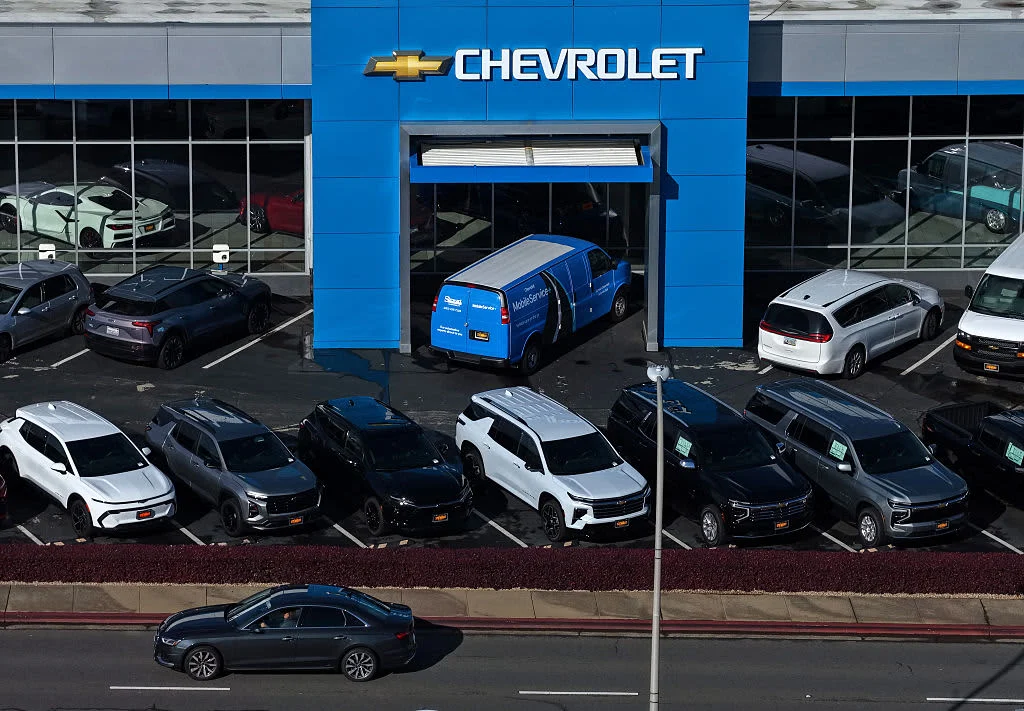
The automotive industry is undergoing a profound transformation, driven by persistent affordability challenges that are increasingly steering consumers away from new vehicle purchases and towards the burgeoning used car market. This seismic shift in buyer behavior is compelling major automakers to rethink their long-standing sales models, launching aggressive initiatives, particularly within their certified pre-owned (CPO) programs, to reclaim market share, foster customer loyalty, and ultimately, convert used car shoppers into new vehicle buyers. The battle for the discerning consumer’s dollar is intensifying, with traditional manufacturers now directly competing with agile online used car retailers for a crucial segment of the market.
The Shifting Sands of Automotive Retail: Affordability and Digital Disruption
For years, the new vehicle market represented the pinnacle of profitability for automakers, while used car sales, though lucrative for dealerships, often operated as a distinct segment. However, a confluence of economic factors and technological advancements has blurred these lines. Post-pandemic supply chain disruptions, coupled with surging inflation and rising interest rates, have pushed the average transaction price (ATP) of new vehicles to unprecedented levels, often exceeding $50,000. This has created a significant barrier to entry for many potential buyers.
In contrast, the used car market, while also experiencing price appreciation, offers a more accessible entry point. As of September, a typical three-year-old used car commanded an average price of approximately $30,000, according to Cox Automotive. This substantial difference in sticker price, however, often masks the underlying complexity of consumer purchasing decisions, which are frequently driven more by the monthly payment amount than the total cost of the vehicle.
Simultaneously, the digital revolution has fundamentally reshaped retail across all sectors, and the automotive industry, historically slower to adapt, is now catching up. "The internet and technology and apps on our phone have changed every aspect of retail, and probably one of the slowest areas of retail to have adopted to online and digital shopping has been the auto industry," observed Ivan Feinseth, partner, chief investment officer and director of research at Tigress Financial Partners. This digital acceleration has empowered online retailers like Carvana and CarMax to capture significant market share by offering convenience, transparency, and a vast selection of used vehicles directly to consumers, thereby making the market considerably more competitive for traditional dealers. CarMax, for instance, sold over 850,000 used vehicles in its fiscal year 2023, demonstrating the scale of these digital challengers.
Automakers’ Strategic Counter-Offensive: The CPO Program Renaissance
In response to these market dynamics, major automakers are strategically revamping their certified pre-owned (CPO) programs. These programs traditionally involved inspecting, reconditioning, and warranting used vehicles of their own brand, offering consumers a level of assurance akin to a new car purchase. However, the latest iteration of these programs is far more ambitious, designed not just to sell used cars, but to serve as a strategic gateway to long-term customer relationships and, critically, to funnel buyers towards new vehicle purchases.
General Motors (GM) stands out as a prime example of this evolving strategy. The automaker has overhauled its CPO program under the new "CarBravo" banner, launched in early 2022. CarBravo is essentially a sophisticated online portal that allows participating Chevrolet, Buick, and GMC dealerships across the U.S. to list their certified used vehicles, making them accessible to a national audience. Approximately 1,615 of GM’s 3,700 dealers are currently enrolled in the program, with Cadillac maintaining its independent CPO initiative.
A significant innovation within the CarBravo program is its willingness to certify vehicles manufactured by other automakers. Many of these "off-brand" vehicles arrive at GM dealerships as trade-ins. Traditionally, dealers would often sell these vehicles to wholesale auctions, a process that yields considerably less revenue than a direct retail sale. "Wholesaling doesn’t bring nearly the revenue that selling it to a new customer does," stated John Fitzpatrick, senior manager of the CarBravo program, highlighting the program’s direct impact on dealer profitability.
GM has set an ambitious target of approximately 250,000 CarBravo sales by 2026. While Fitzpatrick doesn’t anticipate even half of these sales will be new vehicles, the program’s design explicitly aims to drive traffic to local dealerships, where purchases are typically finalized. This in-person interaction creates a crucial opportunity for conversion. The automaker reports a striking success rate: roughly 38% of shoppers who initially engaged with CarBravo looking for a used car ultimately end up purchasing a new vehicle.
Beyond the Sale: Cultivating Loyalty and Diversifying Revenue Streams
The appeal of CarBravo and similar CPO programs extends beyond the immediate sale of a vehicle. A key differentiator, as emphasized by Fitzpatrick, is the customer’s access to GM’s extensive dealership network for service and maintenance. CarBravo vehicles come with various warranties, depending on age and mileage, providing peace of mind often absent in private or non-certified used car purchases.
This focus on the dealership relationship is paramount. Customers buying warranty-backed used cars are significantly more likely to return to the dealership for service visits. Service and parts departments often account for up to half of a dealership’s total profits, making these return customers invaluable. Furthermore, these programs serve as a crucial entry point for automakers to sell subscriptions to connected vehicle services, such as GM’s OnStar, which offers safety, security, and navigation features.
"That is a big part of General Motors’ business going forward, is to sell the software and subscription services like OnStar and eventually to the cars that are enabled with Super Cruise," commented Feinseth, referencing GM’s advanced driver-assistance system. This strategic pivot underscores a broader industry trend where vehicle sales are increasingly seen as the initial transaction in a long-term customer relationship, opening doors to recurring revenue streams from software and services.
The Economic Undercurrents Driving Purchasing Decisions
The decision-making process for car buyers is heavily influenced by prevailing economic conditions, particularly interest rates and loan terms. While the average transaction price of a new vehicle hovers around $50,000, compared to approximately $30,000 for a three-year-old used car, monthly payment affordability often dictates the final choice.
Industry analysts highlight that new cars often come with longer-term loan options than used ones, which can paradoxically result in lower monthly payments despite a higher overall vehicle cost. "On a 1- or 2-year-old car, you may be only stuck with a 3- or 4-year loan," Feinseth explained. "On a new car, you can get a 5-year, 6-year loan." This is borne out by data from Edmunds, which reported that the share of new car loans lasting 84 months (seven years) reached a new record in the third quarter, accounting for more than one in four loans. This extended financing makes new vehicles, even at higher price points, more financially manageable on a month-to-month basis for many consumers.
This dynamic creates a powerful sales pitch for dealers. As Fitzpatrick articulated, a customer might be comparing a used Ford F-150 with a monthly payment of $500, but a conversation with a dealer could reveal a new Chevrolet Silverado with a payment of $510 or $515. "And now all of a sudden the customer says, yeah, maybe I can do that because I’d rather have that new vehicle than the used truck," he noted. This psychological leverage, combined with the assurance of a new car warranty and the latest features, can effectively convert a used car shopper into a new car buyer.
Moreover, consumer sentiment strongly favors the security offered by certified vehicles. Cox Automotive data indicates that approximately three-quarters of consumers express some interest in certified cars, recognizing the value of a thorough inspection, reconditioning, and manufacturer-backed guarantees.
Building Relationships: A New Frontier for Customer Acquisition
A critical aspect of these revitalized CPO programs is their ability to attract entirely new customers to a brand and its dealership network. GM’s CarBravo program has demonstrated remarkable success in this regard: about 50% of the buyers acquired through the program are new to the GM brand, meaning they have no prior record in the automaker’s customer databases. Furthermore, approximately 70% had never visited the specific dealership from which they ultimately made their purchase.
"The goal is really to get that customer engaged with the store, give them the option of building a relationship with the dealer," Fitzpatrick emphasized. "The dealer can really help the customer figure out what works for their budget." This initial interaction, even if it begins with a used car inquiry, lays the groundwork for future loyalty and purchases.
Competitive Responses and Broader Implications
GM is not alone in recognizing the strategic value of an expanded CPO program. Its Detroit rival, Ford Motor Company, also certifies vehicles from other manufacturers through its "Ford Blue Advantage" program. Ford’s ambitions appear even larger in terms of volume, targeting 450,000 total sales in 2026, significantly more than GM’s 250,000 objective, though Ford has not specified its new vehicle conversion rate from these sales.
Asian automakers are also actively participating in this evolving market. Toyota, for instance, informed CNBC that approximately 40% of its used car shoppers ultimately choose to buy a new vehicle instead. Honda, while not providing specific figures, underscored the importance of the initial customer interaction. Lance Woelfer, American Honda’s vice president of automobile sales, stated that conversions happen "probably every day at dealerships throughout the country."
Woelfer stressed that many customers prefer used vehicles but "appreciate the confidence that a [certified preowned designation] can give them." This confidence translates into tangible benefits for the automaker: customers who buy CPO vehicles return to dealerships for service at a rate about 18% higher than those who purchase non-certified used cars. Crucially, these CPO buyers also return to purchase a new car in the future at a rate approximately 7% to 8% higher.
"It’s about that first relationship that allows us to then have that customer loyalty for life," Woelfer added. "And that’s where our focus is. We’ve been doing it a long time, and we’ve seen a lot of benefits from the certified business."
The implications of this industry-wide pivot are far-reaching. For traditional dealerships, these programs represent a vital adaptation, blending the convenience of online shopping with the personalized service and long-term relationship building that remains their core strength. For online used car retailers like Carvana and CarMax, the direct entry of major automakers into their domain signifies heightened competition, potentially pushing them to innovate further on price, convenience, or unique service offerings. For consumers, the expansion of robust CPO programs offers greater choice and enhanced peace of mind in the used vehicle market, often with the added benefit of manufacturer-backed warranties and access to extensive service networks.
Ultimately, the automotive retail landscape is undergoing a fundamental restructuring. Automakers are no longer content to cede the used car market to third-party players. Instead, they are leveraging their brand equity, dealer networks, and financial services to create integrated sales ecosystems. These systems are designed not just to sell a car, but to capture and retain customers for life, driving diversified revenue streams from sales, service, and increasingly, subscription-based connected technologies. The road ahead for auto retail promises continued innovation and intense competition as the industry navigates the persistent challenges of affordability and the evolving expectations of the digital-native consumer.
