

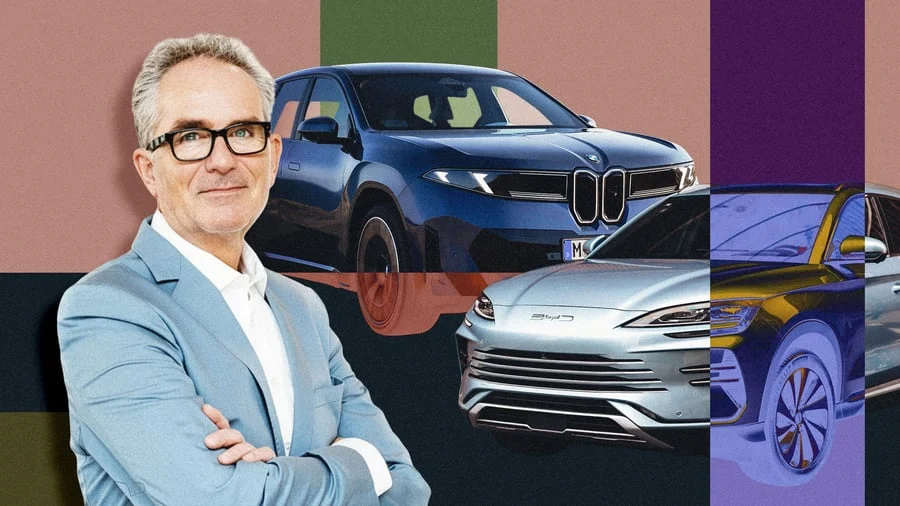
Burkhard Weller, a prominent figure in the German automotive retail sector and founder of the Wellergruppe, has voiced strong criticism regarding past government policies, particularly the fuel price brake, labeling it "nonsense." In a recent interview with Handelsblatt, the 72-year-old entrepreneur, whose dealership group is one of Germany’s largest and represents major brands like BMW and Toyota, also shared his perspectives on the current state of the automotive industry, the rise of Chinese manufacturers, and the future of electromobility in Germany. Weller’s comments provide a significant insight into the challenges and opportunities facing the German automotive market from the viewpoint of a seasoned industry veteran.
Background: A Shifting Automotive Landscape

The German automotive industry, a cornerstone of the nation’s economy, is undergoing a profound transformation. The global shift towards electric vehicles (EVs), coupled with evolving consumer preferences, regulatory pressures, and the increasing competitiveness of international players, has created a complex and dynamic environment. For decades, German car manufacturers have dominated the premium and mid-range segments, renowned for their engineering prowess, quality, and performance. However, this dominance is being challenged on multiple fronts.
The rapid advancements and market penetration of Chinese EV manufacturers, such as BYD, have introduced a new competitive dynamic. These companies, often benefiting from state support and a strong domestic market, are not only offering compelling electric vehicles but are also rapidly expanding their global reach. Simultaneously, established automakers worldwide are investing heavily in electrification, creating a crowded and highly competitive EV market.
In this context, the opinions of established dealers like Burkhard Weller carry substantial weight. Their firsthand experience with consumer demand, market trends, and the practicalities of selling vehicles provides a valuable counterpoint to broader industry analyses and policy discussions. Weller’s frank assessment of past policies and his forward-looking strategy offer a crucial perspective on navigating these turbulent times.
The Fuel Price Brake: A Policy Under Scrutiny
Weller’s sharp critique of the fuel price brake, implemented by the German government in response to soaring energy costs, highlights a sentiment shared by some industry observers and consumers. The rationale behind such measures is typically to alleviate financial burdens on households and businesses. However, the effectiveness and unintended consequences of these policies are often debated.
The fuel price brake, in essence, aimed to cap the price of fuel at the pump. While intended to provide relief, critics argue that such interventions can distort market signals, potentially discouraging the adoption of more fuel-efficient vehicles or alternative transportation methods in the long run. For a dealership owner, fluctuating fuel prices directly impact consumer purchasing decisions. When fuel is perceived as excessively expensive, demand for smaller, more economical cars or EVs might increase. Conversely, artificially low fuel prices could maintain the appeal of less efficient internal combustion engine vehicles.
Weller’s assertion that the brake was "nonsense" suggests that, in his view, it failed to achieve its intended objectives or created negative externalities. This could stem from the perception that it was a temporary, superficial fix that did not address underlying supply-side issues or incentivize long-term behavioral change. It might also reflect a belief that such interventions can lead to market distortions and a misallocation of resources, ultimately hindering the transition to a more sustainable mobility ecosystem.
Embracing Chinese Brands: A Strategic Move
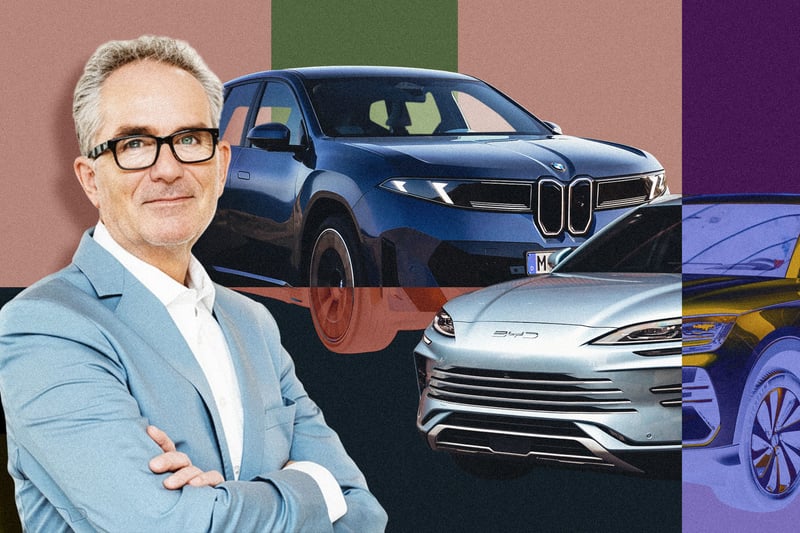
Weller’s strategic inclusion of Chinese manufacturers, such as BYD, in his dealership’s portfolio is a significant indicator of evolving market realities. While German automakers have historically focused on their own brands and those from established Western markets, the growing prowess of Chinese companies cannot be ignored.

BYD, in particular, has emerged as a global leader in electric vehicle production, consistently ranking among the top EV manufacturers worldwide. The company’s rapid technological advancements, extensive battery expertise, and competitive pricing have made its vehicles increasingly attractive to a wider consumer base. For a dealer like Weller, offering a diverse range of brands, including those with strong EV offerings, is crucial for maintaining market share and catering to evolving customer demands.
This strategic diversification likely stems from a pragmatic assessment of the market. Weller recognizes that consumers are increasingly open to exploring alternatives to traditional European brands, especially in the burgeoning EV segment. By partnering with successful Chinese EV makers, Wellergruppe positions itself to capitalize on this growing demand. This move also signals a potential shift in the traditional dealership model, where exclusivity to a few major brands might be less viable in the future.
The Electric Vehicle Premium: A Contentious Issue

Weller’s criticism extends to the former German government’s electric vehicle (EV) subsidies, which he dismisses as "complete nonsense." The EV premium, a financial incentive offered to consumers purchasing electric vehicles, was designed to accelerate the adoption of zero-emission transport. While such subsidies have been instrumental in driving EV sales in many markets, they are not without their detractors.
The argument against such premiums often centers on their cost to taxpayers and their potential to create artificial demand. Critics might argue that the subsidies disproportionately benefit consumers who could afford EVs even without financial assistance, or that they inflate the upfront cost of EVs, making them appear more expensive than they truly are relative to their total cost of ownership. Furthermore, the sustainability of such incentives is a perpetual debate, as governments grapple with budget constraints and the long-term viability of promoting specific technologies.
Weller’s strong opposition suggests a belief that the EV premium was either poorly implemented, fiscally irresponsible, or ultimately ineffective in driving the desired transition. He might contend that the market for EVs should mature organically, driven by product appeal, technological advancement, and competitive pricing, rather than relying on government handouts. This perspective aligns with a more free-market approach, where innovation and consumer choice are seen as the primary drivers of progress.

Challenges and Opportunities for German Automotive:
Despite his criticisms of past policies, Weller expresses confidence in the future of German automotive manufacturing. This optimism is likely rooted in the deep-seated strengths of the German automotive sector: its renowned engineering capabilities, a highly skilled workforce, and a strong reputation for quality and innovation.
However, the path forward is not without its challenges. The industry must navigate the complex transition to electric mobility while simultaneously competing with agile and rapidly evolving international players. This requires significant investment in research and development, the retooling of production facilities, and the retraining of its workforce.

One of the key challenges Weller identifies is the "great succession problem" within the German automotive sector. This could refer to several issues:
- Generational Shift: The aging demographic of skilled automotive professionals and the potential gap in attracting younger talent to traditional manufacturing roles.
- Technological Transition: The need to upskill existing workers to handle the complexities of EV technology, software integration, and digital manufacturing processes.
- Leadership and Innovation: Ensuring that German companies can maintain their innovative edge and leadership in a rapidly changing technological landscape, particularly in areas like battery technology, software, and autonomous driving.
Weller’s confidence in the German automotive sector’s future, however, is underpinned by his belief that the industry can adapt and thrive. This resilience is a hallmark of German manufacturing, which has historically demonstrated an ability to overcome economic downturns and technological shifts. His strategic embrace of new technologies and brands suggests a forward-thinking approach that could be emulated by others in the industry.
The Future Outlook: A Pragmatic Approach

Burkhard Weller’s statements offer a pragmatic and grounded perspective on the German automotive industry. His emphasis on market realities, consumer choice, and the need for sound economic policies suggests a desire for a more evidence-based approach to industry regulation and support.
The continued growth of electric vehicles, coupled with the increasing sophistication of Chinese automotive offerings, will undoubtedly reshape the market. Dealers like Weller are at the forefront of this evolution, acting as crucial intermediaries between manufacturers and consumers. Their ability to adapt, diversify their product portfolios, and provide excellent customer service will be paramount to their success.
Weller’s optimism, tempered by his frank assessments, points towards a future where German automotive brands must continue to innovate and adapt to remain competitive. This will involve not only technological advancements but also a willingness to embrace new market dynamics and partnerships. The insights provided by industry veterans like Burkhard Weller are invaluable in understanding the complex challenges and promising opportunities that lie ahead for one of Germany’s most vital economic sectors. His views underscore the need for policymakers to carefully consider the real-world implications of their decisions on businesses and consumers alike, fostering an environment that supports sustainable growth and innovation rather than relying on what he deems to be ineffective and costly interventions.
