

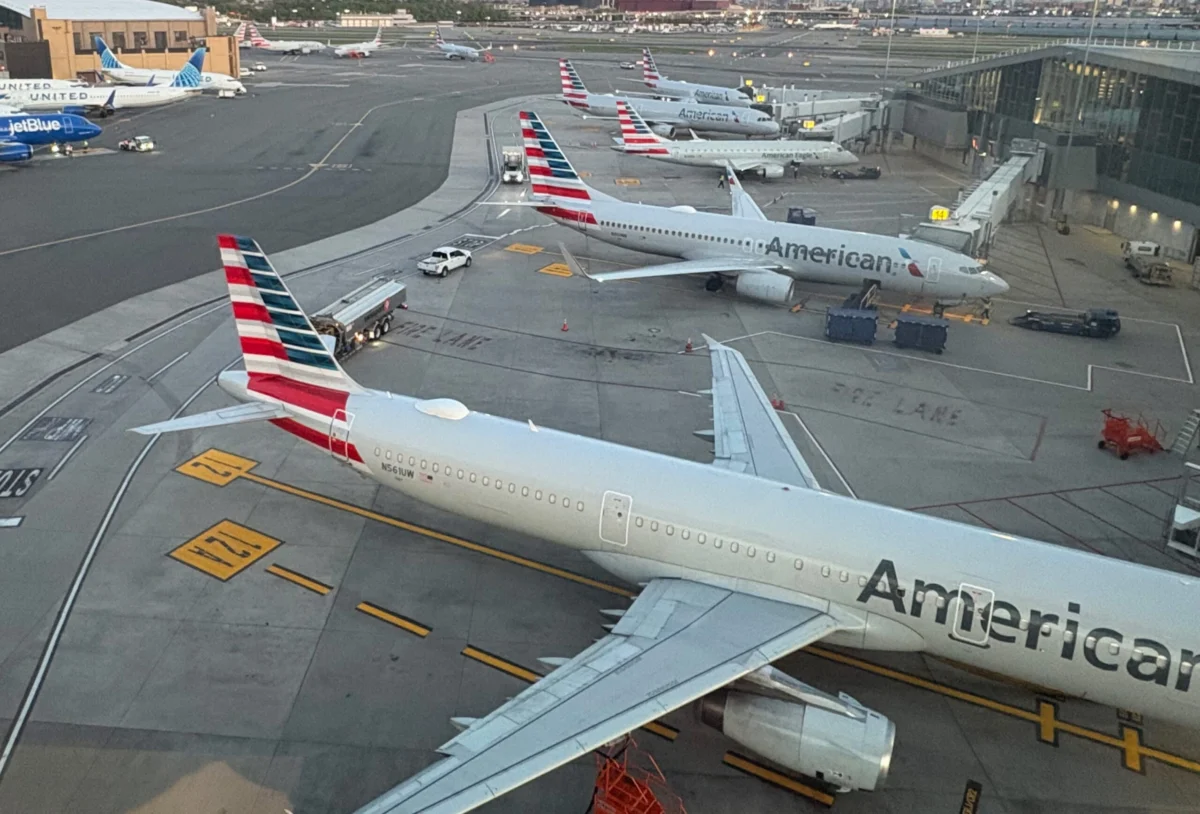
American Airlines has announced a significant enhancement to its AAdvantage loyalty program, enabling customers to book flights using a flexible combination of cash and miles. This strategic move, which positions American Airlines competitively alongside its major rivals, aims to increase engagement with its lucrative loyalty program and offer greater flexibility to its vast member base. The new functionality will introduce a "slider bar" during the checkout process on American’s digital platforms, allowing passengers to precisely tailor the mix of AAdvantage miles and traditional currency they wish to use for their ticket purchases. This initiative is the latest in a series of strategic adjustments by the carrier to optimize its loyalty offerings and solidify its position in a fiercely competitive aviation market.
The Evolution of Airline Loyalty and American’s Strategic Imperative
The airline industry has witnessed a profound transformation in how loyalty programs are perceived and managed over the past two decades. What began as simple frequent flyer schemes, designed primarily to reward repeat customers with free flights, have evolved into sophisticated, multi-billion-dollar enterprises that are often valued independently and contribute substantially to an airline’s overall market capitalization. For American Airlines, the AAdvantage program is not merely a perk but a critical financial asset and a cornerstone of its customer retention strategy. The decision to introduce a hybrid payment option underscores a broader industry trend towards monetizing loyalty in more dynamic and customer-centric ways.
In the wake of global economic shifts and the unprecedented challenges posed by the COVID-19 pandemic, airlines have increasingly relied on the stable, high-margin revenue streams generated by their loyalty programs. These programs derive revenue not only from direct redemption but also from partnerships with co-branded credit cards, which generate substantial fees through mileage sales. Analysts often estimate that loyalty programs can account for 30% to 50% of an airline’s enterprise value, making their sustained growth and attractiveness paramount. By offering greater flexibility in how miles can be used, American Airlines seeks to enhance the perceived value of AAdvantage membership, encouraging more active participation and potentially attracting new members who might have previously found full mile redemptions unattainable.
Mechanism and Enhanced Customer Flexibility
The core of American’s new offering is the intuitive "slider bar" interface, which will appear at the point of sale. This digital tool empowers customers to adjust the proportion of miles versus cash they want to apply to their booking in real-time. For instance, a customer might not possess enough miles for a full award ticket but has accumulated a significant balance that could substantially reduce the cash portion of a fare. Conversely, a customer with ample miles might prefer to conserve some cash while still enjoying a discount on their journey. This granular control over payment options addresses a common pain point for many loyalty program members: the "all-or-nothing" nature of traditional award redemptions, which often left partial mile balances unused or required members to save for extended periods.
This new flexibility mirrors offerings already prevalent among American’s primary competitors, United Airlines and Delta Air Lines. For example, a common scenario cited in the industry involves a one-way international ticket that could be purchased for a combination of miles and a reduced cash fare, rather than a full cash payment or a higher, full-mile redemption. The original report mentioned a hypothetical United Airlines flight from Newark to Paris, which could be booked for 40,000 MileagePlus miles plus $5.60 in taxes, $428.50 in cash, or a hybrid option of $369 plus 6,000 miles. American’s implementation aims to provide a similar level of choice, allowing customers to use "more miles for a bigger discount" or fewer miles for a smaller, but still valuable, reduction in their cash outlay. This not only makes existing miles more accessible but also mitigates the risk of miles expiring unused, a frequent frustration for loyalty program members.
A Timeline of AAdvantage Program Evolution
The introduction of the cash-and-miles hybrid option is not an isolated event but rather the latest step in American Airlines’ ongoing strategic evolution of its AAdvantage program. Over recent years, the airline has consistently refined its loyalty offerings to align with broader industry trends and competitive pressures:
- 2021-2022: Simplification of Elite Status Qualification: American Airlines, like many of its peers, streamlined its elite status qualification criteria. The shift focused more heavily on "Loyalty Points" earned through flying, spending on co-branded credit cards, and engaging with partner merchants, moving away from more complex metrics like Elite Qualifying Miles (EQMs) and Elite Qualifying Segments (EQSs). This change aimed to make the path to elite status clearer and more rewarding for a broader base of spenders, not just frequent flyers.
- 2023: Dynamic Award Pricing and Program Partnerships: While not entirely new, the airline continued to enhance its dynamic award pricing model, which ties award costs more closely to demand and cash fares. Simultaneously, American has been aggressive in expanding partnerships, particularly with credit card issuers, to maximize revenue generation from mileage sales and provide more avenues for members to earn Loyalty Points.
- Early 2024: Focus on Premium Customer Experience: Recognizing the intensifying battle for high-spending customers, American has invested in enhancing the overall premium travel experience. This includes upgrades to airport lounges, expansion of premium cabins on its aircraft, and improvements to in-flight amenities like Wi-Fi connectivity. These investments complement the loyalty program by providing tangible benefits that make elite status more attractive.
- Late 2024/Early 2025: Continued Digital Platform Refinement: Prior to this announcement, American Airlines has been steadily investing in its digital infrastructure, including its website and mobile app. These improvements are crucial for seamlessly integrating complex features like the cash-and-miles slider bar, ensuring a smooth and intuitive user experience.
This chronological progression demonstrates American’s commitment to making AAdvantage a more flexible, rewarding, and competitive program, essential for retaining high-value customers and attracting new ones in a crowded market.
Supporting Data and Industry Context
The strategic importance of loyalty programs is underscored by robust financial data and market valuations. Major airlines frequently highlight their loyalty programs in investor calls, often presenting them as distinct, highly valuable assets. For instance, some financial analysts have valued the loyalty programs of major U.S. carriers at tens of billions of dollars, sometimes exceeding the valuation of the airlines’ core flying operations. This is largely due to the predictable, high-margin revenue generated from selling miles to co-branded credit card partners, which is less susceptible to fuel price fluctuations or economic downturns affecting passenger demand.
In 2023, loyalty programs across the industry reported significant revenue contributions. For example, it is estimated that American Airlines’ AAdvantage program generates several billion dollars annually through its various channels, primarily through mileage sales to its credit card partners like Citi and Barclays. This revenue provides a vital financial buffer and supports investments in fleet modernization, customer service, and, indeed, further enhancements to the loyalty program itself. The introduction of hybrid payment options is a direct response to customer demand for more flexibility, a trend that market research consistently identifies as a top priority for loyalty program members across various sectors, not just aviation. Data suggests that programs offering multiple redemption pathways see higher engagement rates and greater customer satisfaction.
Inferred Statements and Industry Reactions
While specific official statements beyond the initial announcement are pending, the industry’s reaction and potential customer sentiment can be reasonably inferred:
- From American Airlines Leadership (Inferred): A hypothetical statement from an American Airlines spokesperson or executive might emphasize, "This new cash and miles option represents our ongoing commitment to enhancing the value and flexibility of the AAdvantage program for our members. We understand that our customers desire more control over how they use their hard-earned miles, and this new feature delivers precisely that. By offering a seamless way to combine cash and miles, we are unlocking more possibilities for travel and strengthening the bond with our loyal customers, ensuring AAdvantage remains a leading loyalty program in the industry."
- From Industry Analysts (Inferred): Aviation analysts are likely to view this move as a necessary and logical step for American Airlines. "This is a critical competitive parity play," an analyst might observe. "With United and Delta already offering similar hybrid options, American had to follow suit to avoid losing market share among highly engaged loyalty members. It’s not just about matching features; it’s about signaling to the market that AAdvantage is dynamic and responsive to member needs. This should drive incremental engagement and potentially boost the program’s overall revenue, especially from members who previously struggled to redeem smaller mile balances."
- From Consumer Advocates and Customers (Inferred): Consumer advocates might generally welcome the increased flexibility, while also advising members to carefully evaluate the "cents per mile" value they receive when opting for hybrid redemptions. "This is a positive development for consumers, offering more ways to use their miles and making aspirational travel more accessible," a consumer advocate might state. "However, members should always compare the implied value of their miles in a hybrid redemption against what they might receive for a full award ticket to ensure they are getting the best deal for their travel needs." Individual customers are expected to express enthusiasm for the added choice, particularly those who frequently find themselves with insufficient miles for a full award but too many to simply let expire.
Broader Impact and Implications
The introduction of American Airlines’ cash-and-miles hybrid payment option carries several significant implications for the airline, its customers, and the broader industry.
- For American Airlines: This feature is poised to increase the overall utility and attractiveness of the AAdvantage program. By reducing the barriers to redemption, American can expect higher engagement rates, increased AAdvantage enrollment, and improved customer retention. It broadens the appeal of the program to a wider demographic, including those who may not fly enough to earn full award tickets but still wish to leverage their accumulated miles. Financially, this could lead to an incremental revenue stream as more members find ways to use their miles, potentially reducing the airline’s "breakage" (miles that expire unused) while stimulating additional cash sales. It also reinforces American’s commitment to being competitive in the high-stakes loyalty arena, crucial for its long-term financial health.
- For the Airline Industry: This move further intensifies the "loyalty wars" among major carriers. As American Airlines now aligns with United and Delta on this critical customer-centric feature, other airlines not yet offering similar flexibility may feel pressure to follow suit to remain competitive. This trend suggests a continued focus on personalization, flexibility, and value extraction from loyalty programs across the board. The industry will likely see further innovations in how miles are earned, redeemed, and integrated into the overall travel experience, moving beyond simple points-based systems to more sophisticated, revenue-generating ecosystems.
- For Consumers: The primary benefit for consumers is enhanced choice and flexibility. AAdvantage members will have more control over their travel budget, making it easier to plan trips, especially when mile balances are not sufficient for a full award. This could make travel more accessible and affordable for a broader segment of the flying public. However, it also places a greater onus on consumers to understand the redemption value of their miles in various scenarios to ensure they are maximizing their benefits. The ability to use miles to shave off cash costs can be particularly valuable during peak travel seasons or for last-minute bookings where cash fares are exceptionally high.
In conclusion, American Airlines’ decision to implement a cash-and-miles hybrid booking option is a strategic and timely enhancement to its AAdvantage loyalty program. It responds directly to market demands for greater flexibility, aligns American with its key competitors, and underscores the critical role that loyalty programs play in the modern aviation business model. This move is set to benefit AAdvantage members by providing more accessible and versatile redemption opportunities, while simultaneously reinforcing American Airlines’ position as a formidable player in the ongoing battle for customer loyalty and market share.
