

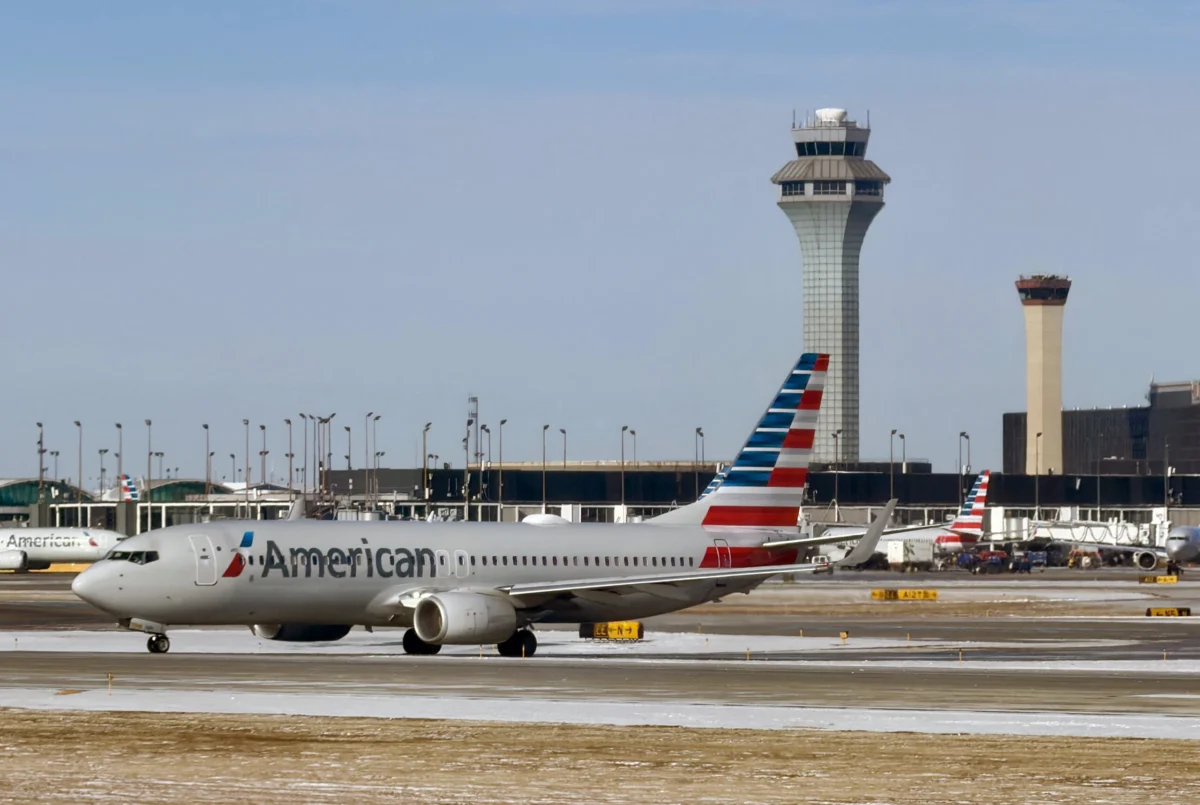
American Airlines announced Wednesday it is reintroducing small, fresh "bites" for first-class passengers on flights operating between its critical hub airports in New York and Chicago, effective this month. This strategic enhancement marks a significant pivot in the carrier’s ongoing efforts to recapture and solidify its standing among high-spending business and leisure travelers, a segment vital for airline profitability and brand perception. The decision to bring back fresh food options for these key routes, after a seven-year hiatus since 2019, underscores American’s intensified commitment to elevating its premium offerings and directly competing with rivals like Delta Air Lines and United Airlines.
The revamped culinary experience, meticulously designed to appeal to discerning palates, will offer first-class customers a choice between two distinct options for each meal service. For breakfast, travelers can select either a sophisticated prosciutto and melon pairing, offering a delicate balance of sweet and savory, or a health-conscious apple cinnamon chia pudding, catering to those seeking lighter, nutritious alternatives. Lunch and dinner services will feature a vibrant Thai noodle salad, promising fresh, zesty flavors, or a Mediterranean-inspired mezze plate, complete with an assortment of savory small dishes. These choices represent a considerable upgrade from the smaller, pre-packaged snacks that have been the standard offering on these routes for first-class passengers in recent years, signaling a renewed focus on quality and presentation.
A Return to Refined Offerings: The Specifics of the New Menu
The introduction of these carefully curated "bites" is more than just a menu change; it is a statement of intent from American Airlines. The airline’s spokeswoman confirmed that the last time fresh food was available in first class on these specific New York-Chicago corridors was in 2019. The intervening years saw a gradual reduction in premium meal services on shorter domestic flights across the industry, often replaced by more efficient, albeit less appealing, packaged alternatives. This shift was largely driven by cost-saving initiatives and operational streamlining, further exacerbated by the global pandemic’s impact on in-flight service protocols.
The New York to Chicago routes, encompassing flights to and from New York’s LaGuardia (LGA) and John F. Kennedy (JFK) airports to Chicago O’Hare International (ORD), are among the busiest and most lucrative corridors in the American domestic network. These routes serve a substantial volume of corporate travelers and frequent flyers who often make purchasing decisions based on the quality of premium amenities. By focusing this initial reintroduction of fresh food on these specific routes, American Airlines is directly addressing the needs and expectations of a critical demographic that frequently navigates these business arteries. The selection of dishes aims to provide both variety and a sense of freshness that packaged snacks simply cannot replicate, enhancing the overall travel experience for premium passengers.
The Evolution of In-Flight Dining: A Timeline of Premium Service
To understand the significance of American’s latest move, it is crucial to examine the broader timeline of in-flight dining, particularly within the domestic first-class cabin.
-
Pre-2019: The Era of Traditional Service: Before 2019, domestic first-class on many airlines, including American, often featured hot meal service, even on shorter flights. While not always gourmet, these meals provided a tangible difference from economy offerings and were a cornerstone of the premium experience. The expectation for a substantive, fresh meal was generally higher among first-class passengers. Airlines prided themselves on offering a full-service experience, even if catering logistics for short flights presented challenges.
-
2019 Cutbacks: A Shift Towards Efficiency: Around 2019, many carriers began to rationalize their in-flight services. Facing rising operational costs and intense competition, airlines sought efficiencies wherever possible. For American Airlines, this meant the removal of fresh food options on certain short-haul domestic first-class routes, including the New York-Chicago corridor. The reasoning was often cited as a move to reduce waste, simplify catering operations, and focus resources on long-haul international premium products, where competition for high-spending customers was even more intense. This decision, while fiscally sound from an operational perspective, often led to discontent among loyal first-class passengers who felt the value proposition was diminishing.
-
The Pandemic’s Deepening Impact (2020-2022): Further Rationalization: The COVID-19 pandemic acted as an accelerator for the trend of simplified in-flight service. Health and safety protocols mandated a reduction in contact between crew and passengers, and the handling of fresh food became more complex. Pre-packaged, individually wrapped items became the industry standard across all cabins, including first class. For many airlines, this provided a convenient justification to further scale back premium catering, citing passenger safety as the primary concern. While understandable during the crisis, this period solidified the perception among premium travelers that in-flight dining standards had significantly eroded.
-
Post-Pandemic Reassessment (2023-2025): Recognizing the Premium Gap: As global travel began its robust recovery in 2023 and accelerated into 2024-2025, airlines found themselves in a new competitive landscape. While overall passenger numbers rebounded strongly, the battle for the most lucrative, high-yield business travelers intensified. Airlines like Delta and United had, in many instances, either maintained a higher standard of domestic first-class catering or were quicker to reintroduce elevated services post-pandemic. American Airlines, having lagged in this specific aspect, recognized a growing gap in its premium product offering, particularly when compared to its key rivals. This period saw internal strategic discussions and planning for how to close this gap and re-establish American as a top-tier choice for premium flyers.
-
Current Shift (November 2026): A Strategic Recommitment: The current reintroduction of fresh "bites" in November 2026 is the culmination of these strategic reassessments. It represents American Airlines’ clear intent to not only catch up with competitors but also to proactively enhance its premium domestic product. This move is not an isolated decision but rather a component of a broader, multi-year strategy to significantly upgrade the customer experience for its most valuable passengers.
Reclaiming the Premium Edge: American’s Strategic Imperative
American Airlines’ move comes amid a broader industry trend where airlines are increasingly differentiating themselves through premium services. For years, American has acknowledged that it has fallen behind competitors like Delta Air Lines and United Airlines in terms of profitability and investment in premium options. Data from previous fiscal years, for instance, has often shown Delta and United outperforming American in key metrics related to premium cabin revenue and customer satisfaction scores for premium services. This disparity has fueled American’s resolve to invest heavily in upgrading its premium offerings.
The importance of high-spending customers cannot be overstated. While premium cabins typically account for a smaller percentage of an aircraft’s total seats, they can contribute a disproportionately large share of an airline’s revenue and profit margins. Business travelers, often flying on corporate accounts, tend to prioritize convenience, comfort, and service quality over price, making them a highly sought-after demographic. A superior premium experience fosters loyalty, encourages repeat bookings, and can lead to increased market share in critical business travel segments.
Under CEO Robert Isom, American Airlines has explicitly articulated a strategy focused on enhancing its premium products. Recent years have seen significant investments aimed at closing the competitive gap. These initiatives include the introduction of new, more luxurious cabins on long-haul aircraft, substantial upgrades to its Admirals Club lounge network, and the highly anticipated plan to install seatback entertainment screens across its narrow-body fleet. The reintroduction of fresh food on key domestic routes is a logical and necessary extension of this overarching strategy. It addresses a fundamental aspect of the premium travel experience that had been overlooked for too long on shorter flights.
The Battle for High-Value Travelers: A Competitive Landscape Analysis
The competitive landscape for premium travelers, particularly on busy domestic corridors, is fierce. Delta Air Lines, often lauded for its customer service and premium product consistency, has long maintained a strong offering in its domestic First Class, frequently including fresh, plated meals on routes of comparable length to New York-Chicago. United Airlines has also made significant strides in recent years, with its "United First" product often featuring hot meals or substantial fresh options on many domestic routes, especially those connecting its major hubs. These carriers have understood that a seamless, high-quality experience from lounge to gate to air is paramount for attracting and retaining high-value customers.
The New York-Chicago corridor is particularly emblematic of this intense competition. As a vital artery connecting two of the nation’s largest business centers, it is frequented by corporate executives, consultants, and entrepreneurs for whom time and comfort are critical. Airlines operating these routes are under constant pressure to provide a superior product to secure lucrative corporate contracts and individual loyalty. When one airline elevates its service, it inevitably puts pressure on competitors to respond, potentially sparking an "amenities war" as carriers vie for the same pool of affluent travelers.
For American, this move is about more than just food; it’s about perception and brand positioning. By upgrading its catering, American aims to signal to the market that it is serious about competing at the highest level of service. This can have a "halo effect," improving overall brand perception and potentially attracting customers who might have previously chosen rivals based on superior in-flight amenities.
Industry Reactions and Analyst Perspectives
While American Airlines has not released official statements beyond the spokesperson’s confirmation, the strategic implications of this move are clear. Internally, this initiative is likely viewed as a crucial step in fulfilling CEO Robert Isom’s vision for a revitalized premium customer experience. Executives are likely emphasizing the direct feedback from high-value customers and the need to invest where it matters most to this demographic.
Aviation industry analysts have largely lauded American’s decision as a necessary and astute strategic play. "This is a critical investment for American Airlines," remarked Sarah Jenkins, a senior aviation analyst at Global Insights Group. "For too long, American’s domestic first-class offering on shorter routes lagged behind its peers. Reintroducing fresh food on key business corridors like New York-Chicago directly addresses a core customer expectation and is essential for them to compete effectively for corporate accounts and frequent flyer loyalty."
Another analyst, Mark Thompson of AeroMarket Research, commented, "The premium segment drives disproportionate revenue, and American has been aggressive in recent years to catch up in areas like lounges and new aircraft cabins. This food upgrade is the logical next step to complete that premium offering. It sends a strong message to their most valuable customers that their experience is a priority." Thompson further suggested that this move could put pressure on Delta and United to review their own offerings, ensuring they maintain their competitive edge, particularly if American decides to expand this program to more routes.
Anticipated customer reception is expected to be overwhelmingly positive, especially from frequent flyers who have long advocated for a return to more substantial and fresh meal options. This enhancement, coupled with other premium investments, is designed to strengthen American’s AAdvantage loyalty program by offering tangible benefits that align with the expectations of its most loyal and profitable members.
Operational Nuances and Future Outlook
The reintroduction of fresh food on short-haul domestic flights is not without its operational complexities. Catering logistics for multiple meal options on short turnaround times require precise coordination between airport catering facilities and flight crews. Considerations include efficient food preparation, appropriate storage and heating on board, and effective waste management. Airlines must ensure consistency in quality and presentation across all flights to meet customer expectations.
Despite these challenges, the commitment to providing fresh options signals American’s willingness to invest in the necessary infrastructure and training. This initial rollout on the New York-Chicago routes could serve as a pilot program. If successful, American Airlines may look to expand similar fresh food offerings to other key domestic business routes across its network, gradually elevating the premium experience nationwide.
Furthermore, this move aligns with a broader trend in the airline industry towards greater sustainability. While not explicitly stated, menu choices that emphasize fresh ingredients and potentially local sourcing can contribute to reduced packaging waste compared to individually wrapped, processed snacks. Airlines are increasingly mindful of their environmental footprint, and thoughtful catering choices can play a role in these efforts.
In conclusion, American Airlines’ decision to reintroduce fresh, small "bites" for first-class passengers on its critical New York-Chicago routes is a powerful statement of intent. It is a calculated and necessary step in its comprehensive strategy to elevate its premium brand, close the competitive gap with rivals, and solidify its position in the lucrative market for high-spending travelers. This enhancement, combined with ongoing investments in cabins, lounges, and technology, signifies American Airlines’ unwavering commitment to delivering a superior travel experience and reclaiming its share of the premium travel market. The airline industry, driven by the demands of its most valuable customers, appears to be entering a new phase where the quality of the in-flight experience, even on shorter domestic flights, is once again becoming a key battleground for competitive advantage.
