

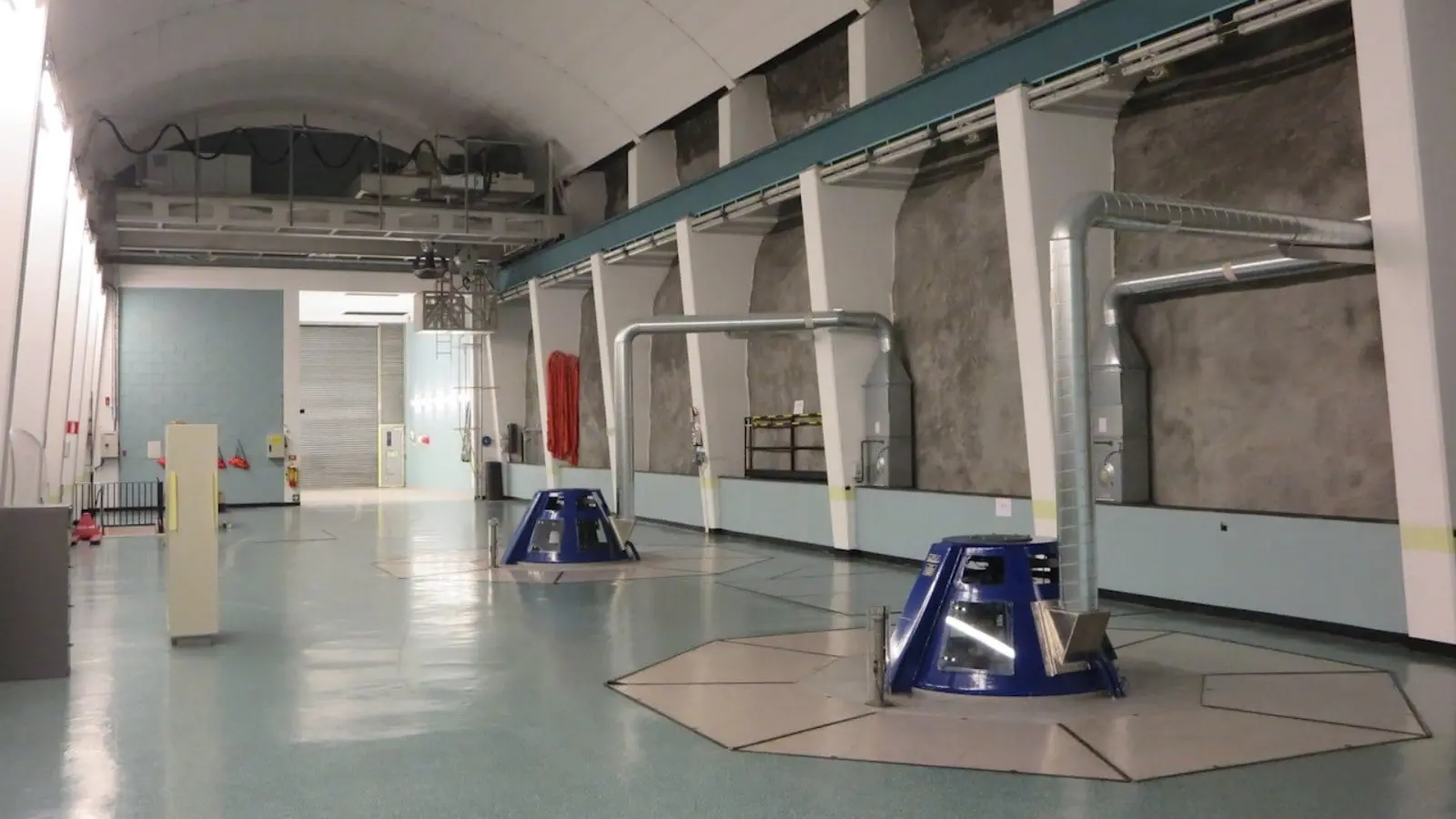
The global technology leader ABB has been awarded a significant contract by Statkraft, Europe’s largest generator of renewable energy, to spearhead a comprehensive modernization of the Vikfalli hydropower complex. Located in the rugged terrain of western Norway, approximately 170 kilometers northeast of Bergen within the Vik municipality, the Vikfalli complex serves as a cornerstone of the region’s renewable energy production. This ambitious project is designed to revitalize three critical power stations—Målset, Refsdal, and Hove—by upgrading their control, protection, and electrical systems. The initiative aims not only to extend the operational lifespan of these assets but also to significantly enhance their reliability and responsiveness within a rapidly evolving national and continental electricity grid.
The Vikfalli complex is a vital component of Norway’s energy portfolio, comprising five distinct generating units across its three constituent plants. Together, these facilities generate an estimated 830 gigawatt-hours (GWh) of clean electricity annually. To put this production into perspective, the energy generated is sufficient to power approximately 53,000 Norwegian households, making it a critical asset for both local energy security and the broader Norwegian commitment to maintaining a low-carbon economy. As the global transition toward renewable energy accelerates, the modernization of such legacy assets becomes paramount to ensure they can handle the complexities of a modern grid dominated by variable energy sources.
Technical Scope and Digital Transformation
ABB’s involvement in the Vikfalli project represents a holistic approach to infrastructure renewal. The contract covers a sweeping upgrade of the plants’ control, protection, excitation, and electrical infrastructure. A primary challenge of this project involves the integration of cutting-edge digital systems with legacy turbine equipment, much of which was supplied by various manufacturers decades ago. By bridging the gap between mid-20th-century mechanical engineering and 21st-century digital automation, ABB aims to create a seamless, high-performance operational environment.
At the heart of this technological overhaul is the ABB Ability System 800xA. This industry-leading distributed control system (DCS) will serve as a unified operational and monitoring platform across the Målset, Refsdal, and Hove facilities. The implementation of System 800xA allows for centralized data collection, advanced analytics, and enhanced visualization of plant performance. This shift toward a digitized "single pane of glass" management style is expected to improve decision-making, reduce response times to grid fluctuations, and optimize maintenance schedules through predictive diagnostics.
Furthermore, the project includes the installation of ABB’s Unitrol 8000 excitation systems across all five generating units. The excitation system is a critical component of a hydropower plant, responsible for providing the direct current to the synchronous machine’s field winding, which in turn controls the output voltage and reactive power of the generator. The Unitrol 8000 series is renowned for its high performance and reliability, providing the precise control necessary to meet modern grid codes and ensure the stability of the electrical network.
The scope of work extends beyond control systems to encompass a wide array of electrical and security infrastructure. This includes the installation of new low- and medium-voltage electrical systems, robust cybersecurity measures to protect against evolving digital threats, vibration monitoring systems to ensure mechanical integrity, and specialized protection equipment. ABB will also oversee the comprehensive installation of cabling and other essential digital solutions required to bring the 1960s-era plants into the modern age.
Strategic Importance and Grid Resilience
The modernization of Vikfalli is more than a simple maintenance project; it is a strategic investment in the resilience of the Norwegian power system. Norway currently generates approximately 90% of its electricity from hydropower, a unique position that allows the country to act as a "green battery" for Europe. As neighboring countries increase their reliance on variable renewable energy sources like wind and solar, Norway’s hydropower plants are increasingly called upon to provide balancing services—rapidly increasing or decreasing production to maintain grid frequency.
To perform this role effectively, older plants must be equipped with modern excitation and protection systems that comply with the latest grid codes. These regulations specify how generators must behave during grid disturbances to prevent cascading failures. By upgrading Vikfalli, Statkraft ensures that these plants can contribute the necessary stability and resilience to a power system that is becoming increasingly complex.
Inge Hass, the power plant manager of Group Sogn at Statkraft, emphasized the collaborative nature of the project. "The upgrade of Vikfalli is an important step in strengthening Norway’s renewable energy infrastructure," Hass stated. "We worked closely with ABB from the earliest stage to ensure the solution was optimized for our specific operational needs and the long-term goals of the facility."
This sentiment was echoed by Per Erik Holsten, President of ABB’s Energy Industries division, who highlighted the broader role of hydropower in the global energy transition. "Hydropower is an important part of an expanding energy system, helping to grow renewable capacity and deliver stable baseload power to the grid," Holsten noted. "The priority now is ensuring that existing assets such as Vikfalli are equipped to fulfill that role for future needs with modern control and digital solutions that enable them to run more safely, cleaner and leaner, and to be ready for tomorrow’s grid requirements."

Chronology and Phased Implementation
The modernization of the Vikfalli complex is a multi-year endeavor that requires meticulous planning to minimize downtime and ensure continuous energy supply to the region. The project timeline reflects a phased approach to implementation:
- Pre-Contract Collaboration (Ongoing since early development): ABB and Statkraft engaged in a period of early-stage collaboration to define technical specifications and optimize the solution architecture. This "early involvement" model is becoming a standard in the industry, allowing technology providers to influence the design phase for better performance outcomes.
- Detailed Engineering and Procurement (2024–2027): Following the contract award, the project enters a rigorous engineering phase where site-specific digital twins and control logic are developed and tested.
- Målset Power Station Site Activities (Scheduled for 2028): Physical work is slated to begin at the Målset plant. This will involve the first wave of equipment installation and system integration.
- Refsdal and Hove Power Station Site Activities (Scheduled for 2029): Following the successful implementation at Målset, the project will move to the Refsdal and Hove stations to complete the complex-wide modernization.
By staggering the upgrades, Statkraft can manage its generation portfolio effectively, ensuring that the entire Vikfalli complex is not offline simultaneously. This phased execution is essential for maintaining the 830 GWh annual output required by the Norwegian grid.
Context: Norway’s Hydropower Legacy and Future
To understand the significance of the Vikfalli upgrade, one must look at the broader context of the Norwegian energy sector. Norway possesses over 1,700 hydropower plants, with a total installed capacity of approximately 33,000 MW. Many of these facilities were constructed during the post-World War II industrial boom between 1950 and 1980. Consequently, a significant portion of the nation’s energy infrastructure is reaching an age where modernization is no longer optional but a necessity for continued operation.
Statkraft, as a state-owned enterprise, manages a significant portion of this infrastructure. The company’s commitment to refurbishing older plants is part of a larger national strategy to maximize the value of existing water resources without the environmental impact of building new dams. Modernization allows for "efficiency gains"—extracting more energy from the same volume of water through better control and more efficient electrical conversion.
Moreover, the integration of digital solutions like the ABB Ability System 800xA aligns with the industry trend toward "Remote Operations Centers" (ROCs). By digitizing the Vikfalli complex, Statkraft can move toward more autonomous operations, where plants are monitored and controlled from central hubs, reducing the need for constant on-site presence in remote mountainous regions and improving worker safety.
Broader Implications and Economic Impact
The partnership between ABB and Statkraft also carries significant economic and industrial implications. For ABB, the contract reinforces its position as a dominant player in the Nordic energy market and showcases its ability to integrate complex digital systems with legacy mechanical hardware. This expertise is in high demand globally as other nations with aging hydro fleets—such as Canada, the United States, and Brazil—look to modernize their own infrastructure.
For the local economy in Vik and the surrounding Vestland county, the project ensures the continued viability of a major industrial employer and taxpayer. During the peak construction and installation phases in 2028 and 2029, the project is expected to bring a surge of technical specialists and contractors to the region, providing a localized economic boost.
Furthermore, the emphasis on cybersecurity within the contract highlights a growing awareness of the vulnerability of energy grids. As power plants become more connected through digital networks, they become potential targets for cyberattacks. By incorporating "secure by design" principles and modern protection systems, ABB and Statkraft are setting a benchmark for how critical infrastructure should be protected in the digital age.
Analysis: The Future of Clean Energy Infrastructure
The Vikfalli project serves as a case study for the "hidden" side of the energy transition. While much of the public discourse focuses on the construction of new wind farms and solar arrays, the modernization of existing "firm" power sources like hydropower is equally vital. Hydropower provides the inertia and frequency response that wind and solar cannot currently provide at scale.
By investing in digital control and excitation systems, Statkraft is effectively "future-proofing" Vikfalli. These upgrades allow the plants to operate with greater flexibility, enabling them to start and stop more frequently in response to market prices and grid needs without excessive wear and tear. This flexibility is the key to a stable, 100% renewable grid.
As the project moves toward its 2028 start date, the industry will be watching closely. The successful integration of ABB’s digital ecosystem with Statkraft’s legacy assets will provide a blueprint for similar projects across the globe. In an era where energy security and climate goals are inextricably linked, the modernization of the Vikfalli hydropower complex stands as a testament to the power of technological innovation in preserving and enhancing our most reliable sources of clean energy.
