

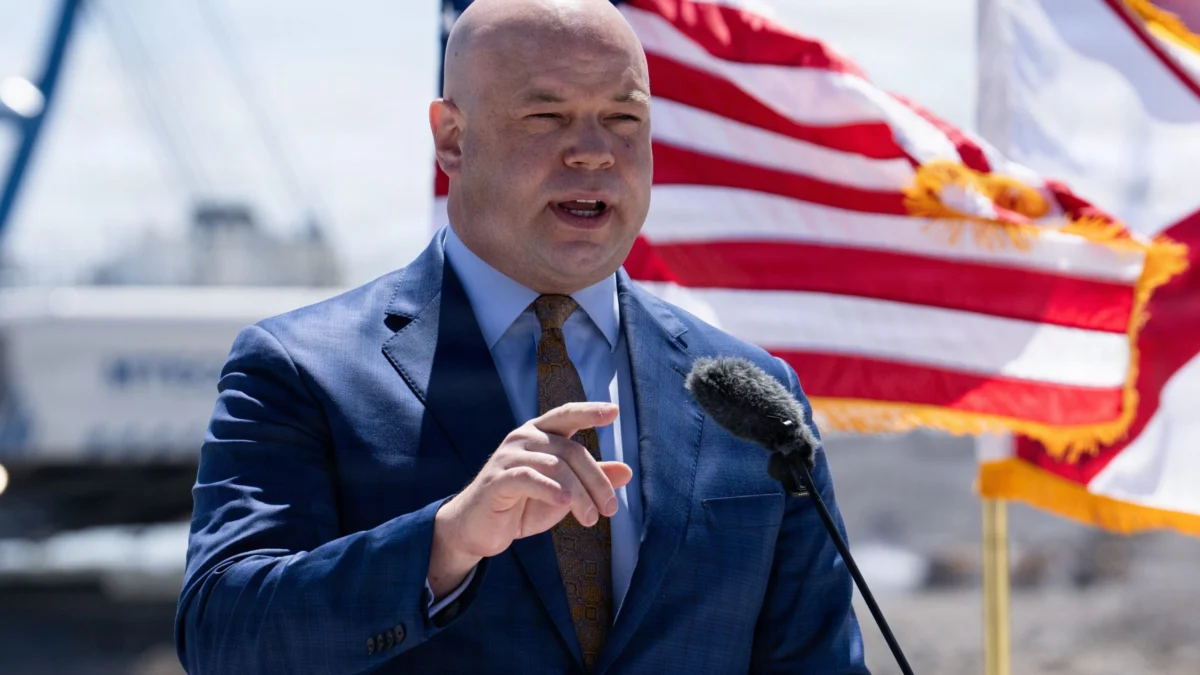
Following the unexpected resignation of Daniel Driscoll, President Donald Trump has moved swiftly to appoint Adam Telle as the acting Secretary of the United States Army. The announcement, made via Trump’s social media platform Truth Social, signals a continuation of the administration’s focus on leadership within the military, even amidst a flurry of other domestic and international developments. Telle, who has served as the Under Secretary of the Army for civilian affairs since August 2025, is described by the President as "a great patriot and respected by all," indicating confidence in his ability to lead the branch during this transitional period.
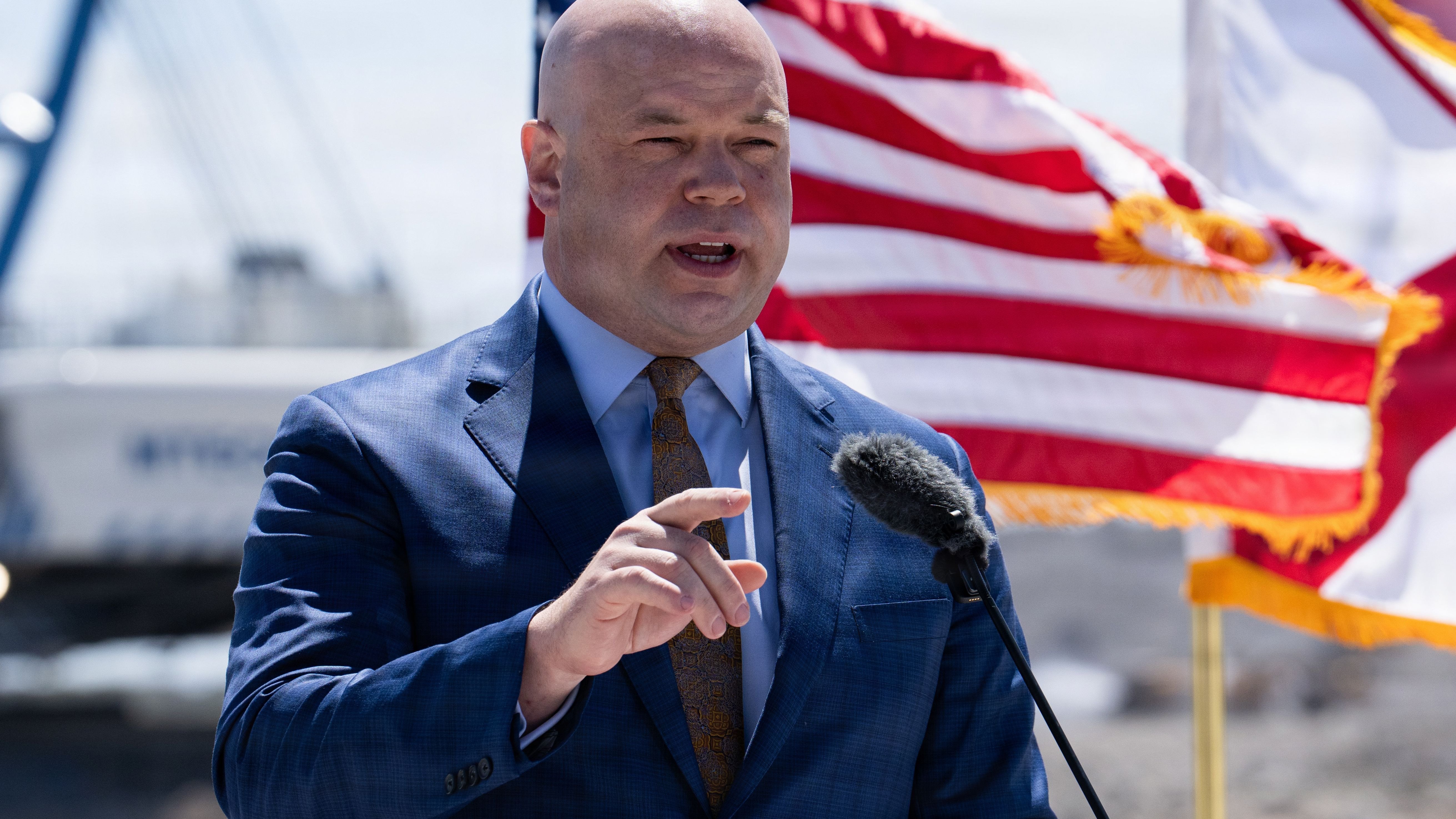
This appointment comes at a critical juncture for the U.S. Army, which, like all branches of the military, operates under the constant pressure of global security challenges and evolving technological landscapes. The U.S. Army’s budget for fiscal year 2026 was projected to be in the hundreds of billions of dollars, underscoring the significant financial and operational responsibilities associated with the role of its top civilian leader. The Army’s primary missions include maintaining land-based military operations, supporting national security objectives, and contributing to international stability through deployments and training exercises.
The departure of Daniel Driscoll, though not explicitly detailed in its immediate announcement, marks another significant leadership change within the Department of Defense. Such transitions, while common in government, can sometimes signal shifts in strategic priorities or operational approaches. The Army, in particular, has been engaged in modernizing its forces, focusing on areas such as cyber warfare, artificial intelligence integration, and advanced drone technology, all of which require consistent and forward-thinking leadership.

Background and Context
Daniel Driscoll’s tenure as Secretary of the Army was marked by efforts to adapt to these evolving military requirements. His resignation leaves a void that Telle is now tasked with filling. As Under Secretary, Telle has been involved in the civilian oversight of Army programs, personnel, and resources. This experience is expected to provide him with a foundational understanding of the challenges and opportunities facing the Army.
The role of the Secretary of the Army is to serve as the civilian head of the department, responsible for all matters pertaining to the Army, including policy, operations, and budget. This position reports directly to the Secretary of Defense and plays a crucial role in shaping the Army’s direction and ensuring its readiness. The U.S. Army, with over a million active-duty soldiers, reservists, and National Guard members, is the largest branch of the U.S. armed forces, highlighting the immense scope of this leadership position.
The Appointment of Adam Telle
President Trump’s direct announcement on Truth Social underscores the personal involvement of the President in key personnel decisions within his administration. The platform has become a primary channel for the President to communicate directly with the public and his supporters, often bypassing traditional media outlets. Telle’s elevation to acting Secretary signifies the administration’s belief in his immediate capacity to manage the department’s affairs.
The designation of an "acting" secretary typically means that the individual holds the position temporarily until a permanent nominee is confirmed by the Senate. This process can take time, and acting officials often maintain the status quo while a more thorough vetting and confirmation process unfolds for a permanent appointee. In the interim, Telle will be responsible for overseeing the Army’s strategic objectives, ensuring its operational readiness, and managing its substantial budget.

Broader Implications and Leadership in Defense
The leadership changes within the Department of Defense are often scrutinized for their potential impact on national security policy and military operations. In an era of complex geopolitical challenges, including ongoing conflicts and rising tensions with global adversaries, stable and effective leadership within the armed forces is paramount. The U.S. Army’s role in deterring aggression, responding to crises, and maintaining global presence makes its leadership particularly significant.
The Trump administration has, throughout its term, placed a strong emphasis on military strength and readiness. The appointment of Telle as acting Army Secretary aligns with this broader objective, signaling a commitment to maintaining continuity and competence within the defense establishment. The administration’s focus on personnel, often highlighted through presidential pronouncements, suggests a belief that leadership is a key determinant of success in military affairs.

The U.S. Army’s Operational Landscape
The U.S. Army’s operational responsibilities are vast and multifaceted. It is involved in a wide array of missions, from conventional warfare to counter-insurgency operations, humanitarian aid, and disaster relief. The Army’s ongoing modernization efforts aim to ensure it remains at the forefront of military technology and doctrine, capable of confronting emerging threats. This includes significant investments in areas such as:
- Cyber Warfare: The Army is increasingly focused on its cyber capabilities to defend against digital threats and conduct offensive cyber operations.
- Artificial Intelligence: The integration of AI into military systems is seen as a critical component of future warfare, enhancing decision-making, logistics, and battlefield awareness.
- Next-Generation Combat Vehicles: The Army is developing advanced combat vehicles designed to operate in contested environments and provide superior protection and firepower.
- Long-Range Precision Fires: Enhancing the Army’s ability to strike targets at extended ranges is a key objective, aimed at improving strategic reach and deterrence.
Adam Telle’s leadership will be tested by the demands of these ongoing modernization initiatives, as well as the day-to-day operational needs of a global military force. His background as Under Secretary is likely to equip him with an understanding of the bureaucratic and resource-allocation challenges inherent in such large-scale endeavors.

The Role of the Secretary of Defense
The Secretary of the Army operates within the broader framework of the Department of Defense, headed by the Secretary of Defense. The current Secretary of Defense, along with the Secretaries of the Navy and Air Force, forms a triumvirate of civilian leadership overseeing the nation’s military might. While the acting Army Secretary’s immediate focus will be on the Army, their actions and decisions are integrated into the overall defense strategy orchestrated by the Secretary of Defense.
The relationship between the civilian leadership and the military command structure is a delicate balance. The Secretary of the Army, as a civilian appointee, is responsible for ensuring that the Army’s operations align with national policy and democratic oversight. This requires close collaboration with the Army’s top military officers, such as the Chief of Staff of the Army, to translate strategic goals into actionable plans and operational realities.

Challenges and Opportunities
The appointment of an acting secretary, while necessary to ensure continuity, can also introduce a degree of uncertainty. A permanent nominee undergoes a rigorous confirmation process, involving extensive background checks and Senate hearings, which allow for a more thorough examination of their qualifications and policy positions. An acting secretary may operate with a more limited mandate or face greater scrutiny from various stakeholders.
However, for individuals like Adam Telle, who have already been serving within the department, the transition to an acting role can be smoother. His familiarity with the Army’s operations and personnel is a significant advantage. The immediate challenge for Telle will be to maintain stability within the department, address any pressing operational needs, and continue to advance the Army’s strategic objectives without significant disruption.

The administration’s decision to place Telle in this role suggests a desire for experienced leadership during what could be a period of significant transition. The coming months will likely see further developments regarding the nomination of a permanent Secretary of the Army, as well as continued engagement with the complex security challenges that define the current global landscape. The Army’s continued ability to fulfill its mission will, in large part, depend on the effectiveness of its leadership, both at the civilian and military levels.
