

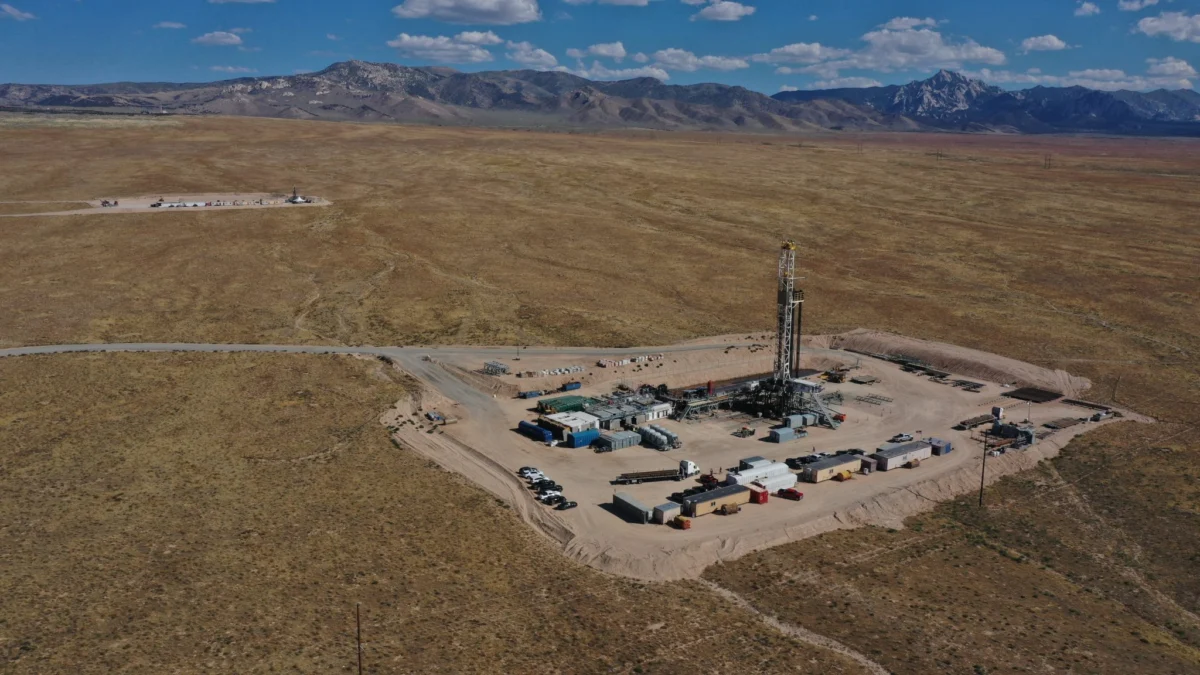
In a significant move for the renewable energy sector, geothermal developer Fervo Energy has finalized a record-breaking 396-megawatt (MW) power purchase agreement (PPA) with Google. This agreement is set to accelerate the development of the Cape Station enhanced geothermal systems (EGS) GeoCluster in southwest Utah, a project that represents a major leap forward in providing carbon-free, around-the-clock power to the American electric grid. The energy generated through this partnership is intended to serve as a foundational building block for a potential Google data center in the region, ensuring that the tech giant’s massive computing needs are met with sustainable, firm power.
The deal includes a strategic expansion clause that allows Google the option to increase its offtake by an additional 600 MW. If exercised, the total capacity of the agreement would reach nearly 1 gigawatt (GW) by June 2030. This scale is unprecedented in the geothermal industry and signals a shift in how large-scale technology firms approach energy procurement. While the power generation aspect of the deal is firm, final plans for the associated data center infrastructure remain subject to engineering feasibility studies, local and state regulatory approvals, and evolving commercial conditions.
A New Model for Clean Power Procurement
The collaboration between Fervo Energy and Google is designed to unlock new electricity capacity without placing a financial burden on existing utility ratepayers. This is achieved through a repeatable commercial model that Fervo has been refining since its inception. Tim Latimer, CEO and co-founder of Fervo Energy, emphasized that this agreement proves EGS technology is ready to power the next generation of global computing infrastructure. As the demand for reliable, 24/7 electricity grows—driven largely by the expansion of artificial intelligence and high-performance computing—geothermal energy offers a "firm" solution that intermittent sources like wind and solar cannot provide alone.
This latest PPA is the culmination of a multi-year partnership that began with Project Red, Fervo’s commercial pilot project in Nevada. Project Red, which became operational in 2023, successfully demonstrated the viability of EGS by delivering carbon-free power to the local grid, specifically supporting Google’s data center operations in Nevada. Following that success, the companies signed a 115 MW PPA with NV Energy in June 2024. That deal utilized the "Clean Transition Tariff," a regulatory innovation championed by Google to bring more geothermal energy onto the grid while insulating general consumers from the initial development costs of frontier technologies.
The Cape Station Development Timeline
Cape Station is currently the world’s largest enhanced geothermal systems development. Located in Beaver County, Utah, the project is being rolled out in phases to ensure operational stability and scalability. The project is expected to begin its first deliveries of electricity to the grid as early as late 2024 or 2025, marking a rapid transition from groundbreaking to production.
The development is structured into two primary phases:
- Phase I: Scheduled to deliver 100 MW of clean baseload power beginning in 2026.
- Phase II: Aimed at generating an additional 400 MW, with a target completion date of 2028.
The total permitted capacity for the Cape Station development allows for up to 2 GW of generation. If fully realized, the project will span approximately 631 acres, including 148 acres of public lands managed by the Bureau of Land Management (BLM). This massive footprint reflects the scale of the subsurface heat resources available in the region.
Technical Breakthroughs in Enhanced Geothermal Systems
Traditional geothermal energy relies on naturally occurring "hydrothermal" reservoirs—underground pockets of hot water and steam that can be tapped to turn turbines. However, such sites are geographically rare. Enhanced Geothermal Systems (EGS) remove this geographic limitation by creating engineered reservoirs.
Fervo’s process involves drilling deep into hot, dry rock formations and injecting water through a series of human-made fractures. The rock heats the water, which is then extracted via a second well to generate electricity at the surface. This closed-loop approach allows geothermal energy to be harvested in locations previously thought unsuitable for power production.

The success of Cape Station is bolstered by the Department of Energy’s (DOE) Frontier Observatory for Research in Geothermal Energy (FORGE). Located adjacent to Fervo’s site, FORGE has spent years conducting subsurface research and testing drilling techniques that have significantly lowered the technical risks and costs for private developers like Fervo. Researchers estimate that southwest Utah alone holds more than 10 GW of high-quality geothermal reserves, making it one of the most promising energy frontiers in the United States.
National Context and Federal Objectives
The United States is currently the global leader in geothermal energy, with approximately 4,000 MW of installed capacity—roughly 25% of the world’s total. However, the distribution of this power is heavily concentrated in the West. California accounts for 66.6% of U.S. geothermal generation, followed by Nevada at 26.1%. Utah, despite its massive potential, currently accounts for only 3.2% of national production.
To bridge this gap and meet rising energy demands from the manufacturing and tech sectors, the U.S. Department of Energy’s Advanced Research Projects Agency-Energy (ARPA-E) has launched the SUPERHOT program. With $30 million in initial funding, the program aims to unlock "superhot" reservoirs located deep within the Earth’s crust.
Current EGS technology typically operates at temperatures around 220°C because existing commercial equipment cannot withstand higher heat. This limits power output to about 10 MW per well site. The DOE’s goal is to access reservoirs reaching 375°C to 500°C. At these temperatures, the thermal-to-power efficiency increases dramatically, potentially allowing a single well to produce between 30 and 50 MW. The federal government’s target is to bring the cost of this "superhot" geothermal power down to less than $30 per megawatt-hour (MWh) by 2040, making it competitive with fossil fuels and other renewable sources.
Engineering Challenges and Economic Impacts
While the potential of EGS is vast, the engineering hurdles remain formidable. Drilling to the depths required to reach superhot temperatures—often 5 to 10 kilometers—requires high-performance metal alloys and specialized materials that can resist corrosive fluids and extreme pressure. Repeated thermal cycling, where equipment is subjected to rapid heating and cooling, can also lead to rapid well failure.
Despite these challenges, the economic benefits for local communities are substantial. Michael Terrell, head of advanced energy at Google, noted that the Utah project will drive meaningful economic growth in Beaver County and the surrounding areas. The construction and long-term operation of Cape Station are expected to create hundreds of high-skilled jobs, many of which utilize skills transferable from the oil and gas industry, such as precision drilling and reservoir management.
Furthermore, the "firm" nature of geothermal energy provides a stabilizing effect on the grid. Unlike solar or wind, which require expensive battery storage to provide power during the night or calm days, geothermal plants run at a high capacity factor year-round. This reliability makes them an ideal partner for data centers, which require a constant, uninterruptible power supply to maintain global internet services and cloud computing platforms.
Strategic Implications for the Energy Transition
The 396 MW PPA between Google and Fervo Energy serves as a signal to the broader energy market that advanced geothermal is no longer a niche or "experimental" technology. It is now a bankable asset capable of attracting billions of dollars in corporate investment.
For Google, this deal is a critical step toward its goal of operating entirely on carbon-free energy (CFE) on every grid where it operates by 2030. Achieving this goal requires more than just buying renewable credits; it requires the physical deployment of new, clean capacity that can match the company’s hourly load profile.
As other tech giants like Microsoft and Amazon face similar pressure to decarbonize their supply chains while expanding their AI capabilities, the Fervo-Google model provides a blueprint. By partnering early with technology developers and utilizing innovative tariff structures, corporations can catalyze the growth of the next generation of energy infrastructure. The success of Cape Station in Utah may well determine the pace at which the rest of the country—and the world—adopts enhanced geothermal energy as a cornerstone of the 24/7 clean energy transition.
