

The European energy landscape faced a significant stress test during the summer of 2026 as record-breaking temperatures and prolonged drought conditions surged across the continent. A comprehensive report recently released by the energy think tank Ember reveals that while extreme heat drove electricity demand to unprecedented levels, record solar power output played a pivotal role in preventing widespread grid instability. The findings underscore a shifting paradigm in European power dynamics, where renewable energy is no longer merely a supplemental source but a primary defender against climate-induced volatility.
The Ember analysis focuses specifically on four key markets—France, Spain, Italy, and Hungary—where the impact of the June and July heatwaves was most acute. As temperatures climbed well above seasonal averages, the demand for cooling pushed national grids to their limits. However, the report also highlights a growing vulnerability: while solar energy effectively managed the midday peaks, the transition to evening hours exposed significant gaps in system flexibility, leading to price spikes reminiscent of the 2022 energy crisis.
A Summer of Extremes: The Chronology of the 2026 Heat Crisis
The crisis began to take shape in late June 2026, following a relatively stable spring. By the week of June 22, a high-pressure system became stationary over Southern and Central Europe, creating a "heat dome" effect that trapped warm air and accelerated evaporation rates in major river basins.
In the week preceding the heatwave (June 13–19), power demand across the four focus countries remained within normal seasonal parameters. However, as the mercury rose in the final days of June, the surge in air conditioning usage was immediate and dramatic. In Italy, daily power demand skyrocketed by 28% compared to the mid-June baseline. Hungary saw a 23% increase, while France and Spain recorded rises of 14% and 13%, respectively.
This period of peak demand coincided with a "perfect storm" of environmental challenges. Not only did the heat drive up consumption, but it also severely inhibited the performance of traditional baseload and flexible generation. Hydroelectric reservoirs, already depleted by a dry winter, saw inflows drop to their lowest levels in over a decade. Simultaneously, rising water temperatures in major rivers began to affect the cooling systems of nuclear and thermal power plants, forcing several facilities to curtail output to comply with environmental regulations regarding thermal discharge.
Solar Power: The Midday Lifeline
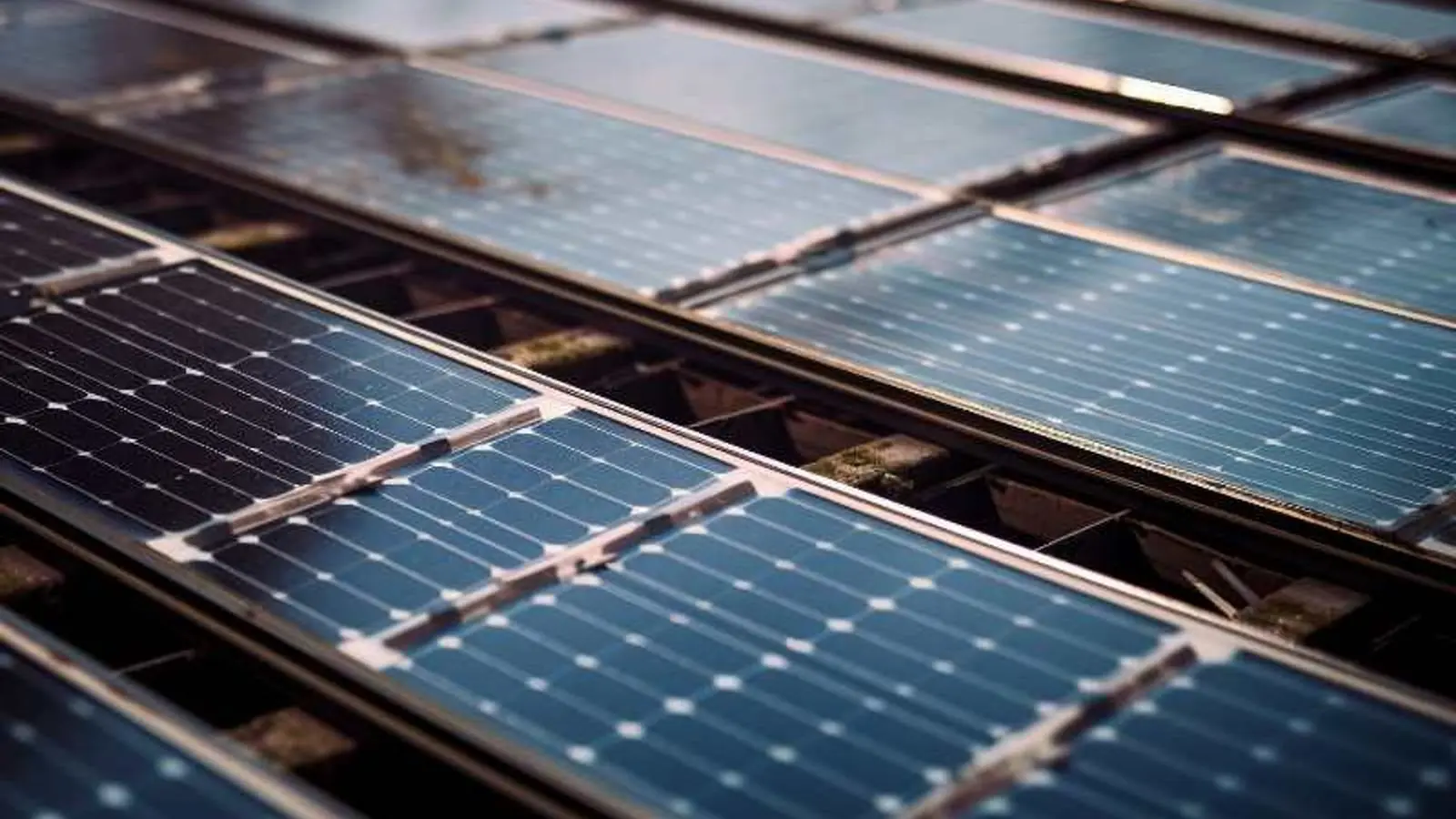
As traditional generation sources faltered, solar photovoltaics (PV) emerged as the primary bulwark against the heat. The Ember report notes that solar production was up to 17% higher on heatwave days compared to average days in June and July. This surge in production was driven by high solar irradiance and clear skies, which typically accompany heatwave conditions.
In Spain and Italy, the correlation between peak solar output and peak cooling demand provided a natural hedge against grid instability during the hottest parts of the day. Solar energy effectively "shaved" the peak of the net load curve, ensuring that the additional millions of air conditioning units humming across the Mediterranean did not overwhelm the system.
"Solar is already doing heavy lifting during heatwaves," observed Dr. Chris Rosslowe, senior energy analyst at Ember. The data suggests that without this record-breaking solar contribution, several European nations would have been forced to implement emergency demand-side management protocols or face localized brownouts. The stabilization provided by solar also helped mitigate the financial impact of the heat during daylight hours, keeping wholesale prices significantly lower than they would have been if expensive gas-peaker plants had been required to meet the entire midday surge.
The Vulnerability of Conventional Infrastructure
While solar flourished, the 2026 heatwave exposed the increasing fragility of Europe’s aging thermal and hydroelectric infrastructure. The report highlights a critical decline in hydropower production, which reached its lowest level for the May-July period in at least ten years. This was particularly damaging for the Alpine regions and the Iberian Peninsula, where hydro typically serves as a vital source of flexible, low-carbon power.
The situation was equally dire for the nuclear sector. In Hungary and Romania, the Danube River—a critical source of cooling water—reached record-low levels. This forced the Paks nuclear power station in Hungary and the Cernavodă plant in Romania to sharply reduce their output. These facilities are cornerstone assets, typically providing 40% and 15% of their respective national electricity generation. Ember’s analysis suggests that if water levels do not recover through more consistent precipitation, complete shutdowns of these reactors may be necessary to prevent equipment damage or ecological catastrophe in the river systems.

This "thermal squeeze"—where high ambient temperatures reduce the efficiency of gas and coal plants while low water levels cripple hydro and nuclear—created a supply scarcity that solar could only partially solve.
The Evening Transition and the Price of Inflexibility
The most significant takeaway from the Ember report is the "solar gap" that occurs after sundown. While solar energy dominated the midday supply, its disappearance in the early evening created a precarious situation for grid operators.
In the 2026 heatwaves, cooling demand did not dissipate with the sun. Thermal mass in urban buildings meant that air conditioning requirements remained high well into the night. As solar output dropped toward zero, the grid was forced to rely on expensive thermal generation and dwindling hydro reserves. This led to a dramatic rise in electricity prices during the early evening peak. In some markets, these prices reached their highest levels since the peak of the 2022 gas crisis, reflecting a desperate need for evening supply.
"The real challenge starts after sundown," Dr. Rosslowe emphasized. The price volatility observed in late June and July 2026 underscores a lack of flexibility in the European power system. When the "sun goes down but the heat stays up," the grid is currently most exposed to the most expensive and carbon-intensive forms of generation.
Strategic Recommendations: Storage and Interconnection
To address these vulnerabilities, the Ember report advocates for an accelerated rollout of battery energy storage systems (BESS) and enhanced grid interconnectivity. The logic is straightforward: additional storage capacity would allow grid operators to capture the "excess" low-cost solar power generated during the day and shift it into the high-demand evening hours.
"Storage can carry cheap electricity into the evening, when cooling demand is still high and the grid is most exposed to expensive thermal power," the report states. By smoothing out the supply-demand mismatch, battery storage acts as a buffer that protects consumers from price spikes and reduces the strategic reliance on gas-fired plants.
Beyond storage, the report identifies two other pillars of system resilience:
- Demand Response: Implementing smarter grid technologies that allow industrial and residential consumers to automatically shift non-essential loads away from the evening peak.
- Interconnectors: Strengthening the high-voltage links between European regions. This would allow a country experiencing a localized cooling crisis to import surplus wind energy from the North Sea or hydro power from regions less affected by drought.
Policy Implications and the Path Forward
The findings of the Ember report are expected to influence the next phase of the European Union’s energy policy. While the "REPowerEU" plan has successfully accelerated the deployment of solar and wind, the 2026 heatwaves demonstrate that generation is only half the battle. The focus must now shift toward "firming" that renewable energy through infrastructure investment.
Industry reactions to the report have been swift. Trade associations representing the renewable sector have called for a streamlining of permitting processes for large-scale battery projects, arguing that the 2026 data proves that storage is a matter of national security. Meanwhile, grid operators are calling for increased public investment in "climate-proofing" existing assets, such as upgrading nuclear cooling towers to operate more efficiently in low-water conditions.
In conclusion, the summer of 2026 served as a definitive proof of concept for solar energy in Europe. It proved that solar is no longer a "fair-weather" contributor but a fundamental pillar of grid stability during the most extreme climatic events. However, the report also serves as a stark warning: without a corresponding leap in energy storage and grid flexibility, the benefits of the solar revolution will remain trapped in the daylight hours, leaving the continent vulnerable to the literal and economic heat of the evening. As climate change continues to make such heatwaves more frequent and intense, the transition from a solar-heavy grid to a solar-and-storage grid is no longer a luxury—it is a necessity for European survival.
